
Canale Ponte Lungo — History & Facts
In the tranquil embrace of solitude, the essence of loneliness emerges from the canvas, inviting introspection and reflection on the human experience. Look at the gentle curve of the canal as it winds through the composition, leading the viewer's eye toward the horizon. Notice how the soft brushstrokes create a sense of movement, while dappled light dances across the surface of the water, illuminating subtle hues of blue and green. The interplay of light and shadow evokes a feeling of serenity, yet beneath its beauty lies a poignant stillness—an invitation to ponder what is left unsaid. Beneath the surface, the painting captures a tension between the vibrancy of nature and the quietude of the scene.
The clusters of trees on either side of the canal stand like sentinels, hinting at a watchful loneliness, while the absence of figures suggests a moment suspended in time. The delicate juxtaposition of color and form encapsulates feelings of isolation amidst the beauty of the world, prompting viewers to confront their own solitude. During the years 1903 to 1905, the artist was exploring the principles of light and color while living in the South of France. This period marked a significant transition in his style, as he moved away from traditional techniques to embrace the Impressionist ideals of capturing the essence of a moment.
Art movements were evolving around him, yet he remained steadfast in his pursuit of expressing emotional depth through luminous landscapes, a pursuit vividly realized in this poignant work.
More Artworks by Henri-Edmond Cross
Browse all →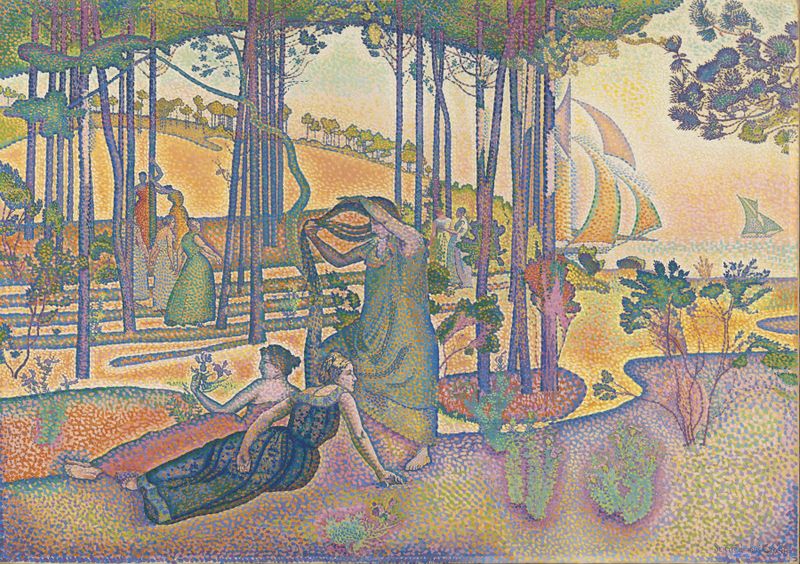
The Evening Air
Henri-Edmond Cross

Landscape
Henri-Edmond Cross
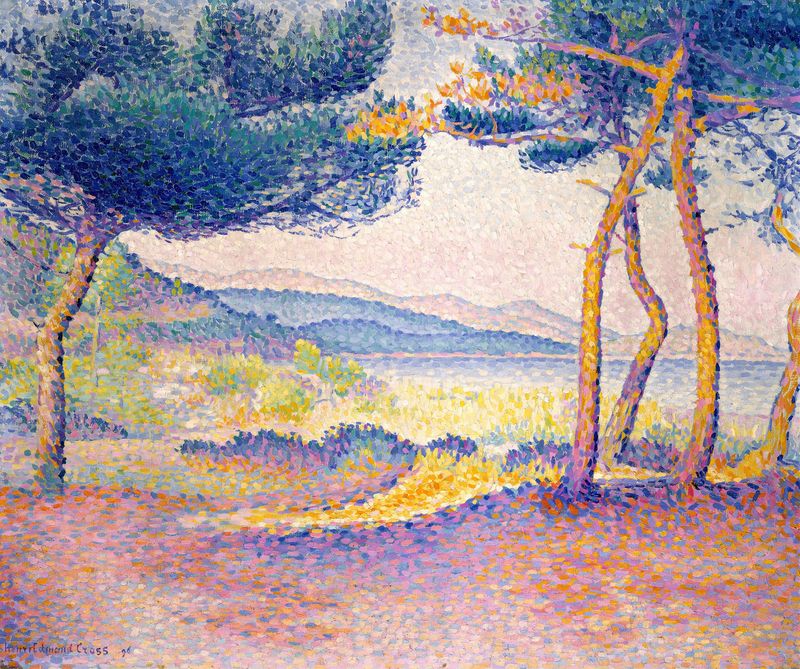
Pines Along the Shore
Henri-Edmond Cross
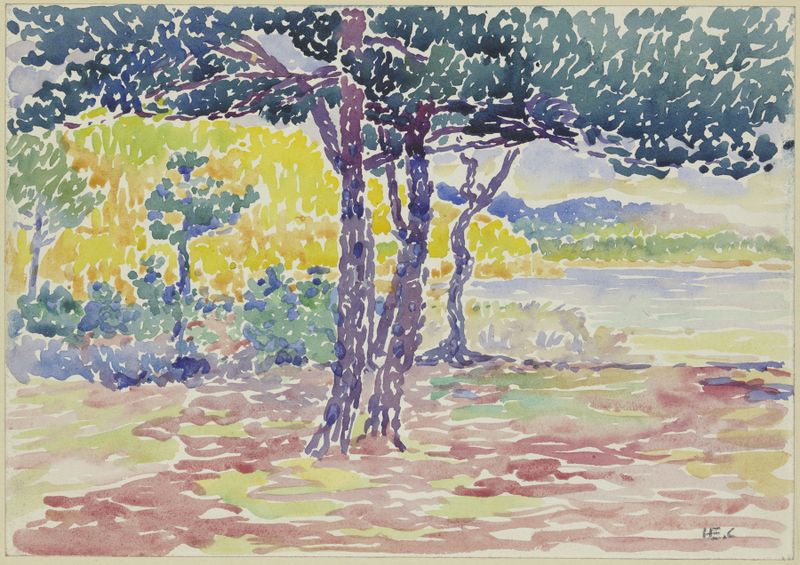
Meeresgestade
Henri-Edmond Cross

La Plage De Saint-Clair
Henri-Edmond Cross
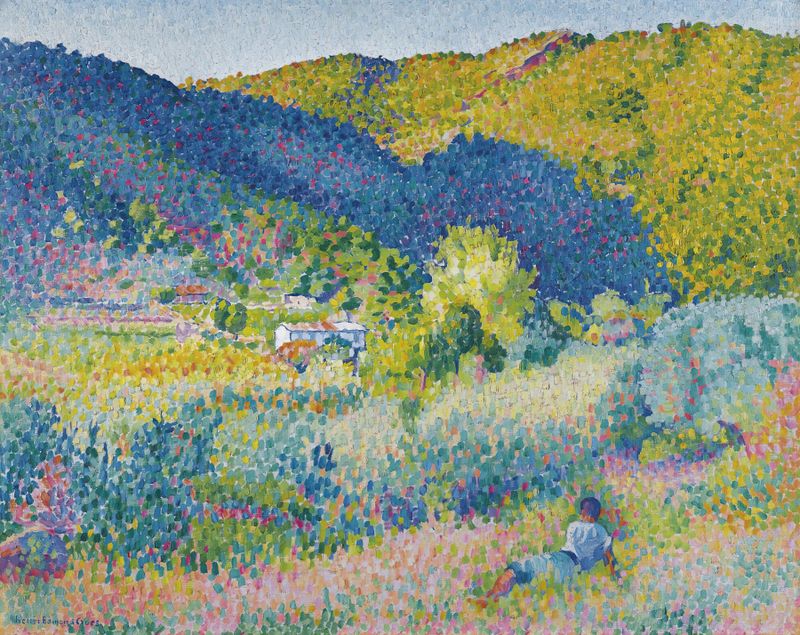
Paysage De La Chaine Des Maures
Henri-Edmond Cross
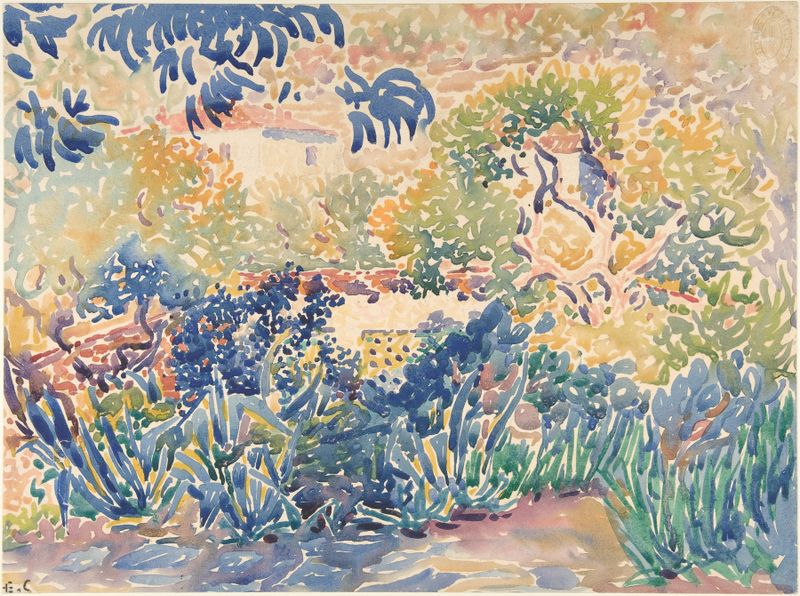
The Artist’s Garden at Saint-Clair
Henri-Edmond Cross
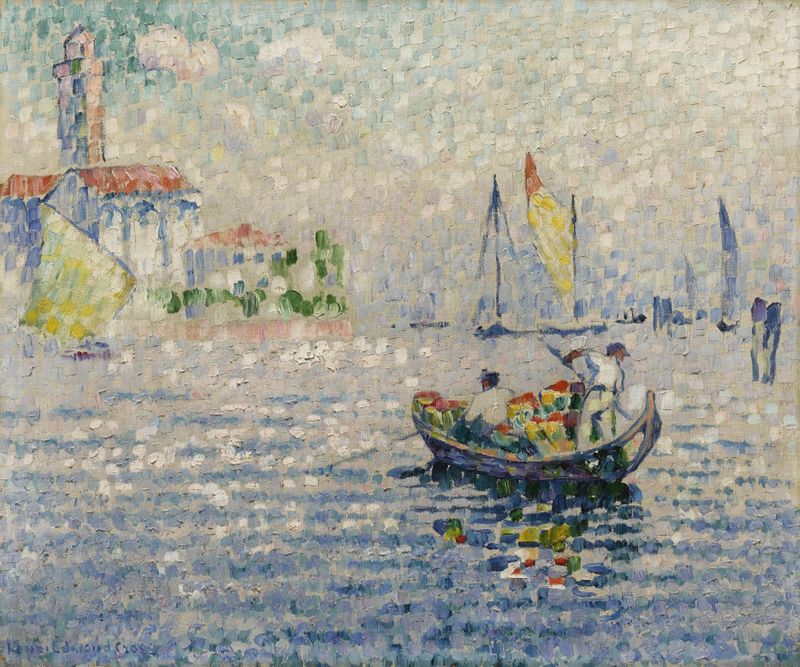
Murano, matin
Henri-Edmond Cross
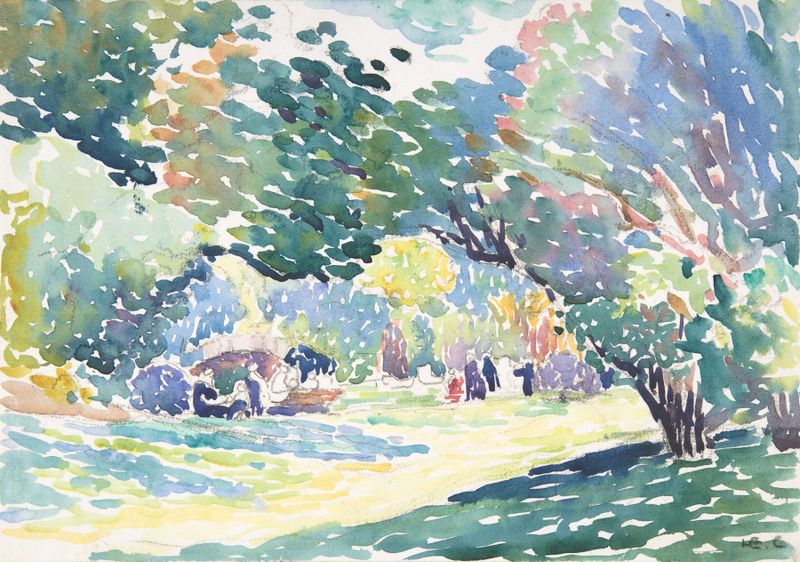
Landscape
Henri-Edmond Cross
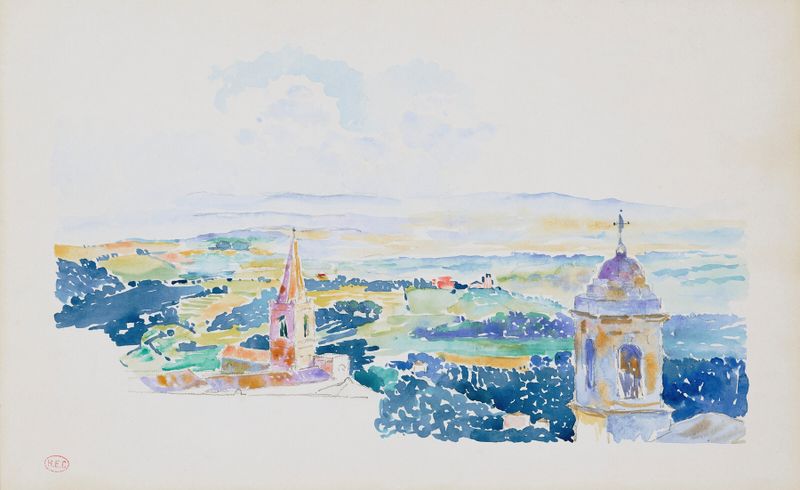
Pérouse, la terrasse
Henri-Edmond Cross





