
Cannes — History & Facts
In a world where innocence hangs delicately in the balance, the gaze of the observer is often confronted by unvoiced truths and unacknowledged desires. Focus on the exquisite interplay of light and color that beckons you into the scene. The horizon—awash with golden hues—draws the eye to the tranquil waters that capture the sky's whisper. Notice how subtle brushstrokes create a shimmering effect on the surface, reflecting both the beauty of nature and the fragility of human emotion.
The gentle curves of the land frame the composition, inviting you to explore the quietude captured in this timeless moment. Beneath the serene surface lies a tension between the vibrance of the landscape and an unmistakable air of melancholy. Elements of innocence are infused in the vibrant colors, yet they simultaneously convey a yearning for something lost—a yearning for simplicity in a complex world. The beauty of the setting serves both as a sanctuary and a reminder of transience, urging the viewer to confront their own reflections on innocence and the passage of time. Created in 1865 during a period of artistic exploration, the work emerged from a time when Edward Lear was grappling with his own sense of identity as a painter and poet.
Living in Italy, he found inspiration in the Mediterranean landscapes while simultaneously wrestling with the personal and societal challenges of the era. This piece encapsulates both his artistic evolution and the deeper human experiences that resonate with innocence, inviting audiences to pause and reflect.
More Artworks by Edward Lear
Browse all →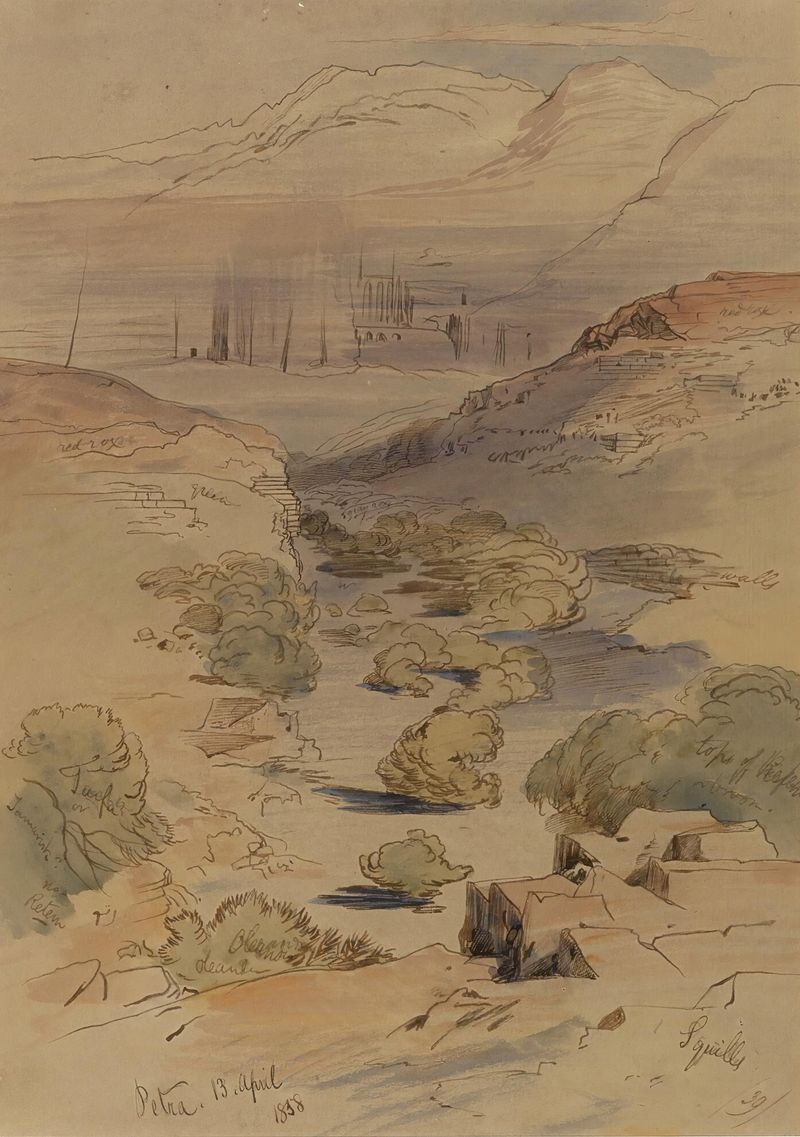
Petra
Edward Lear
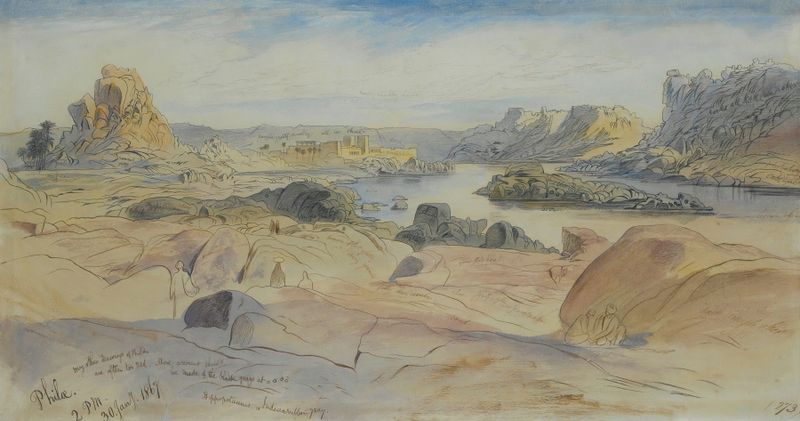
Philae, Egypt
Edward Lear
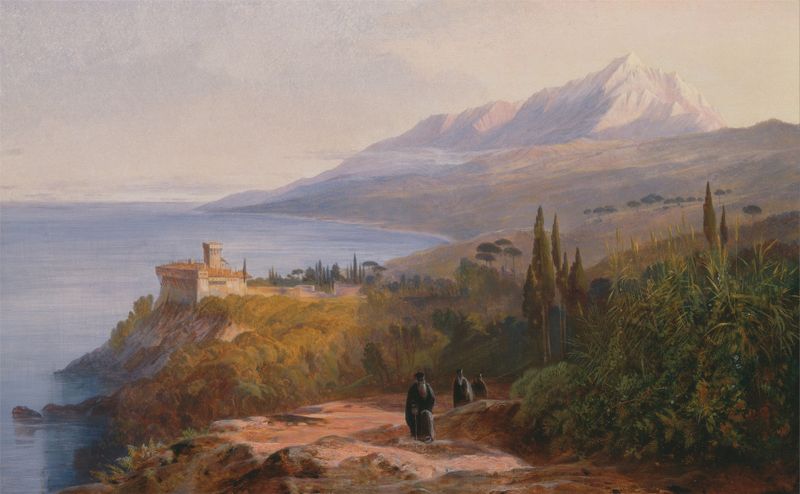
Mount Athos and the Monastery of Stavronikétes
Edward Lear
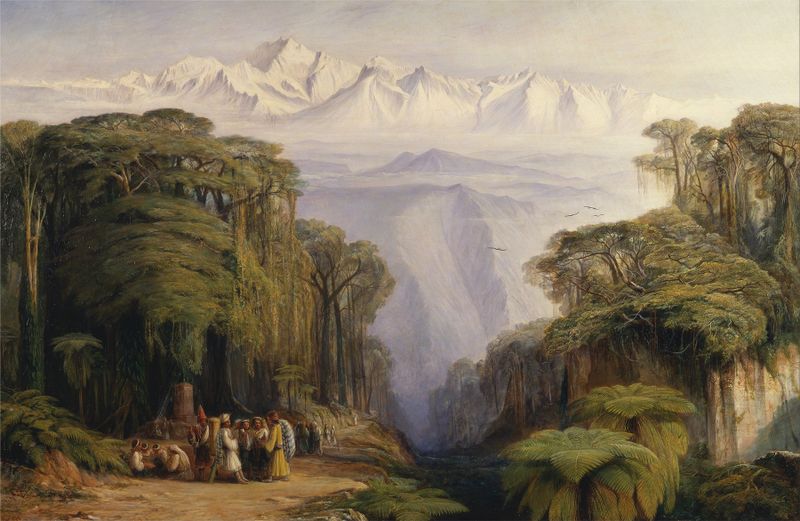
Kangchenjunga from Darjeeling
Edward Lear
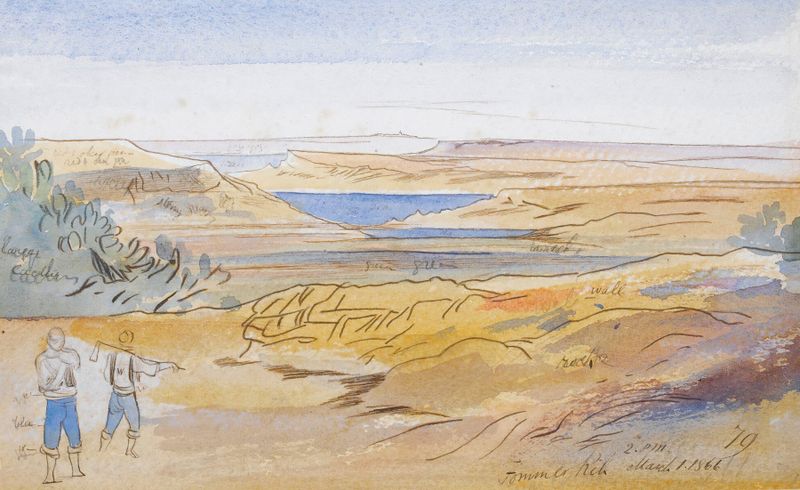
Fomm Ir-Rih, Malta
Edward Lear
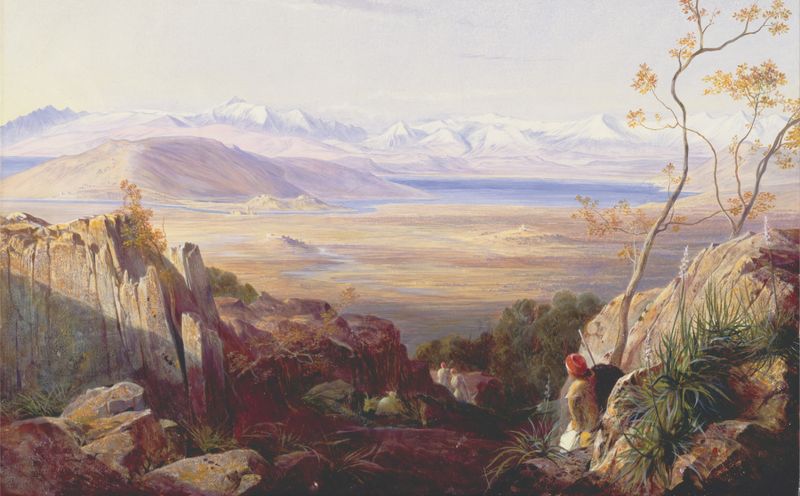
Butrinto, Albania
Edward Lear
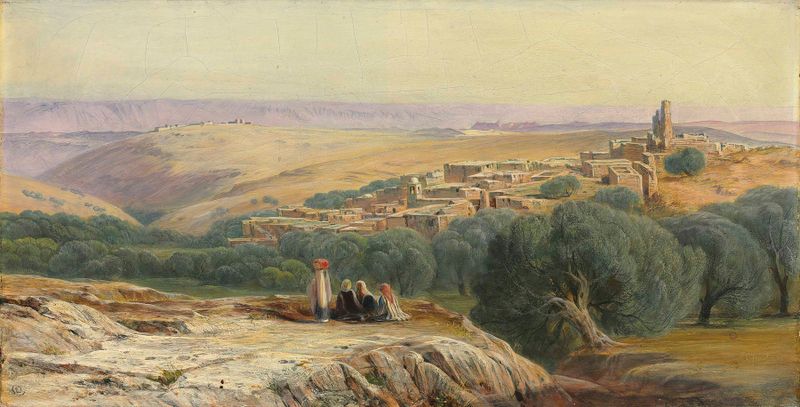
The Plains of Bethany
Edward Lear

Karnak, 9-30 pm, 22 January 1867
Edward Lear
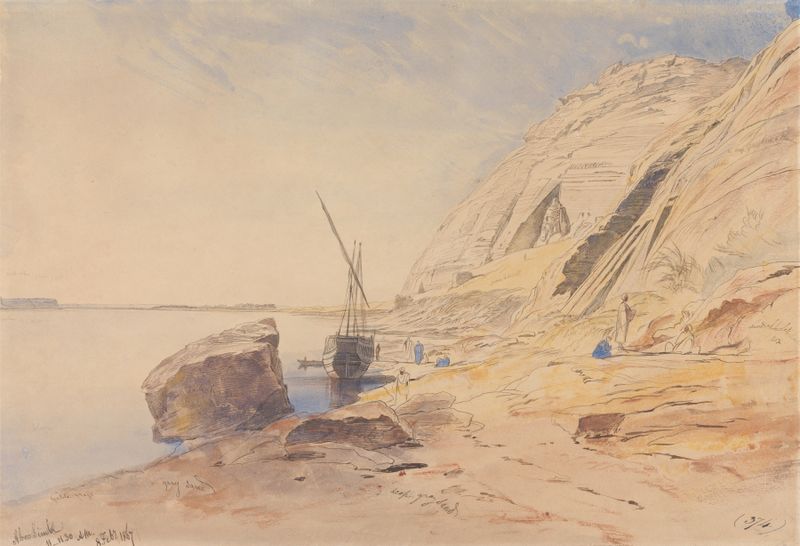
Abu Simbel, 11-11;30 am, 8 February 1867 (374)
Edward Lear

A View Of Mount Athos And The Pantokrator Monastery, Greece
Edward Lear





