
Cannon by a Bulwark — History & Facts
In the stillness of a bygone era, the past whispers through layers of paint, inviting us to reflect on moments both grand and intimate. Look closely at the foreground, where a solitary cannon rests against the weathered stone of the bulwark. The muted earth tones of the cannon contrast sharply with the vibrant greens of the surrounding landscape, drawing your eye to the juxtaposition between man-made might and nature's splendor. Notice how the soft light bathes the scene, creating a peaceful yet somber atmosphere that evokes both contemplation and nostalgia.
The careful strokes depict not only the physical structure of the cannon but also the weight of history it bears. Within the canvas lies an exploration of tension—between destruction and protection, between the lingering echoes of conflict and the tranquility of the natural world. The cannon, still and silent, becomes a symbol of the past's indelible mark on the present, while the bulwark surrounding it stands resilient against the passage of time. This duality evokes a sense of loss, yet simultaneously celebrates endurance, encouraging the viewer to ponder the fleeting nature of both war and peace. In 1849, the artist painted this work amidst a period of societal and political upheaval in Europe, marked by revolutions and a longing for national identity.
Werner, active in a time when Romanticism was giving way to realism, sought to capture not just the physical landscapes but also the emotional landscapes shaped by historical events. The interplay of light and shadow in Cannon by a Bulwark reflects this desire, inviting viewers to pause and consider the weight of history that continues to resonate in contemporary life.
More Artworks by Carl Friedrich Heinrich Werner
Browse all →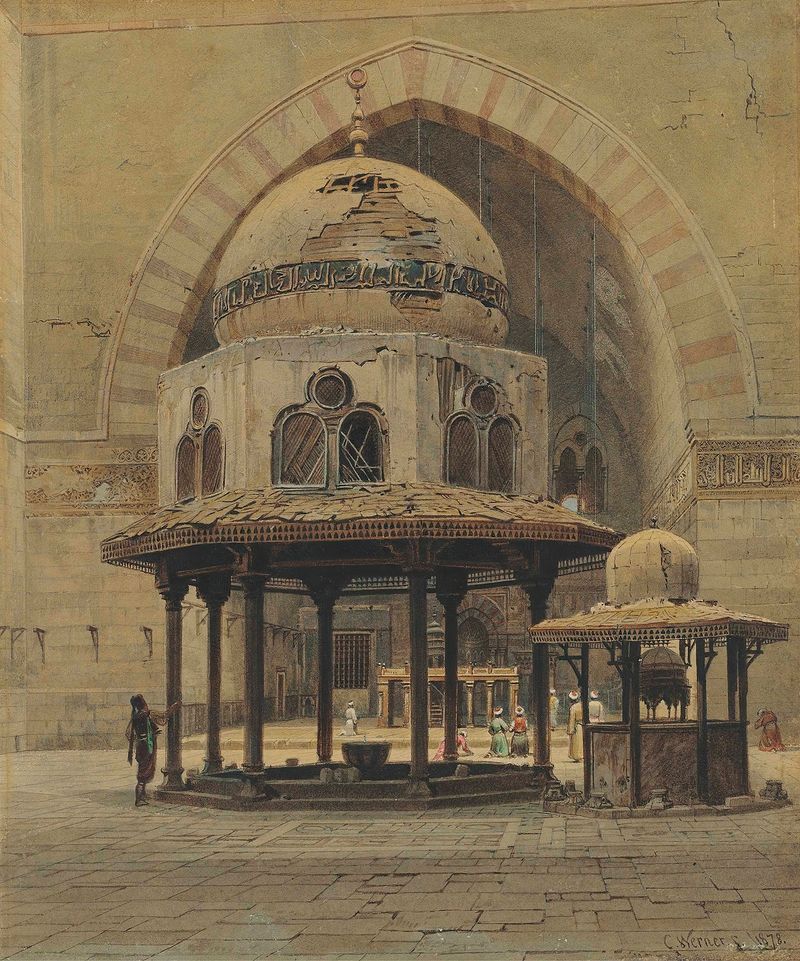
Mosque of Sultan Hassan, Cairo
Carl Friedrich Heinrich Werner
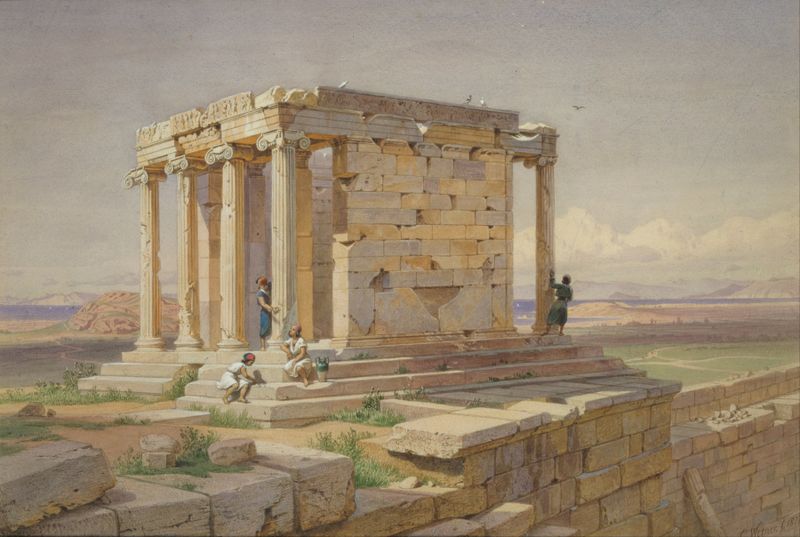
The Temple of Athena Nike. View from the North-East
Carl Friedrich Heinrich Werner
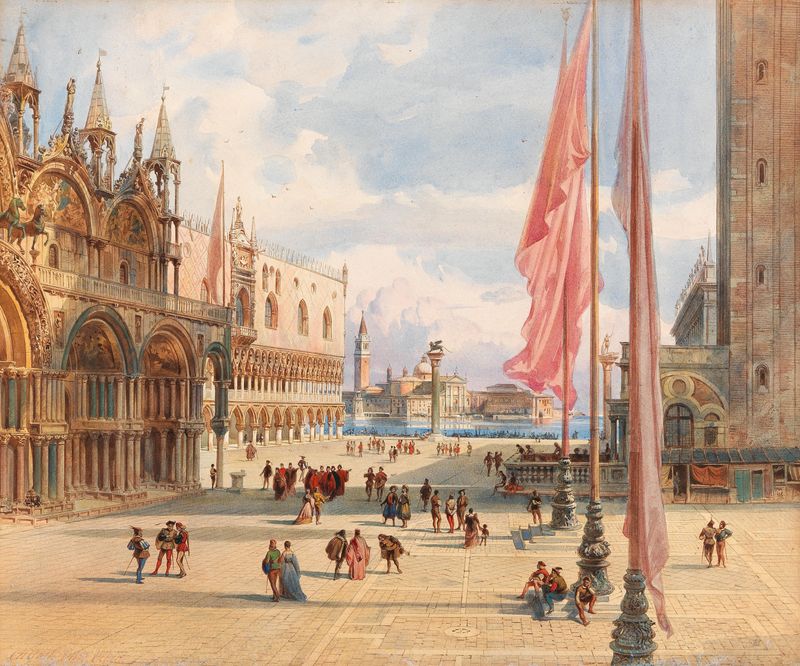
Marcus Square In Venice
Carl Friedrich Heinrich Werner

Canal Grande and Rialto Bridge
Carl Friedrich Heinrich Werner
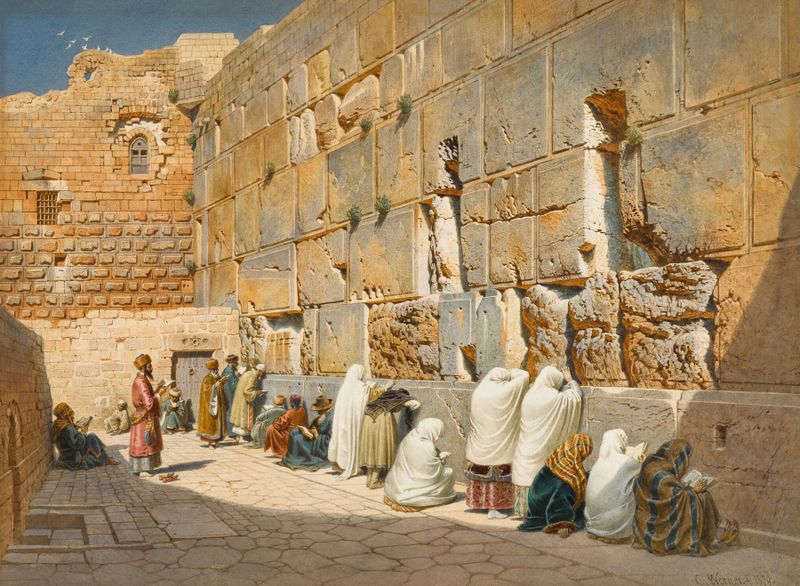
The Wailing Wall, Jerusalem
Carl Friedrich Heinrich Werner
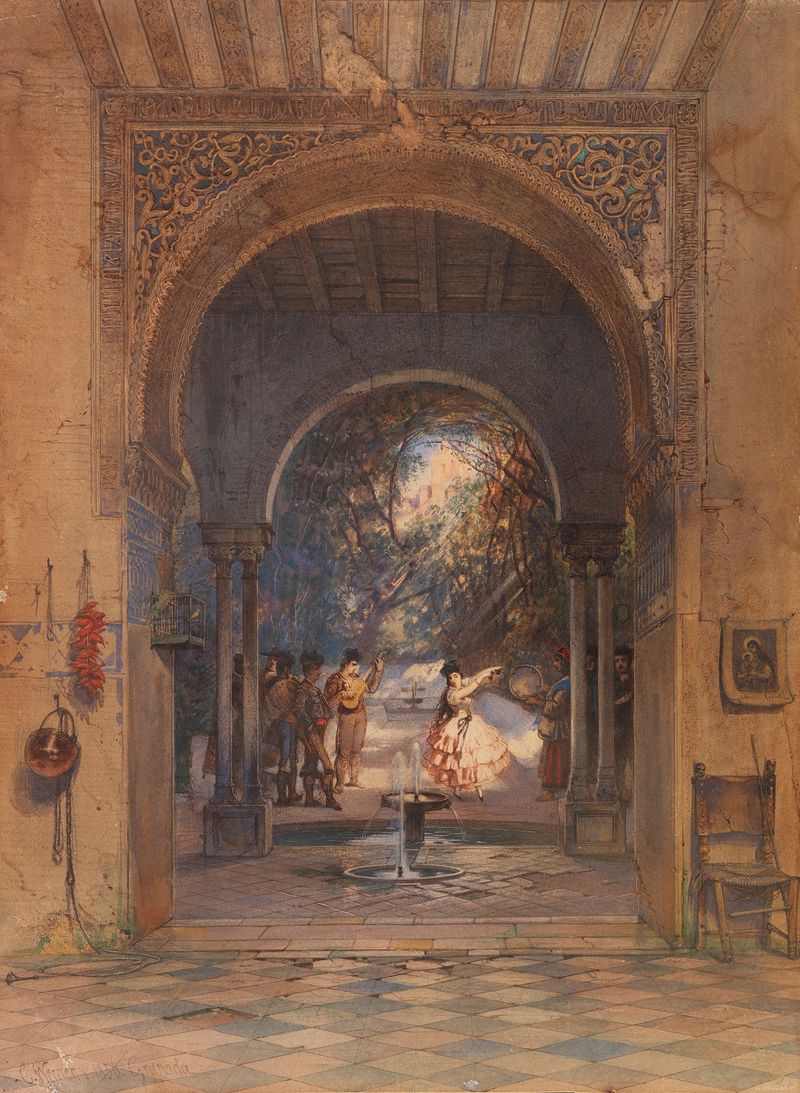
Kastagnettentänzerin in der Alhambra in Granada
Carl Friedrich Heinrich Werner
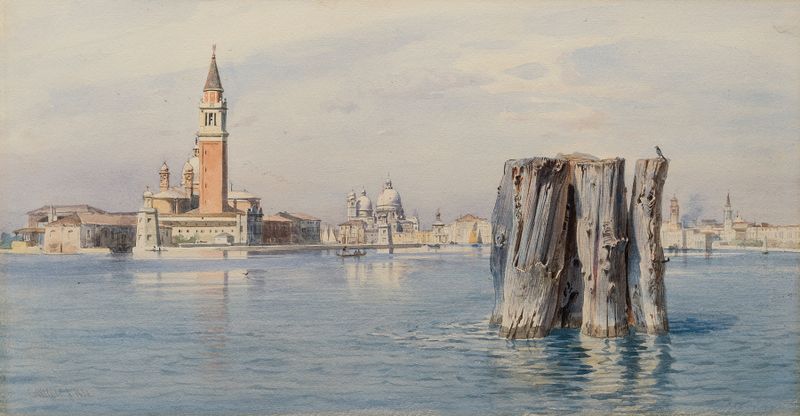
Ansicht von San Giorgio Maggiore und Santa Maria della Salute in Venedig
Carl Friedrich Heinrich Werner
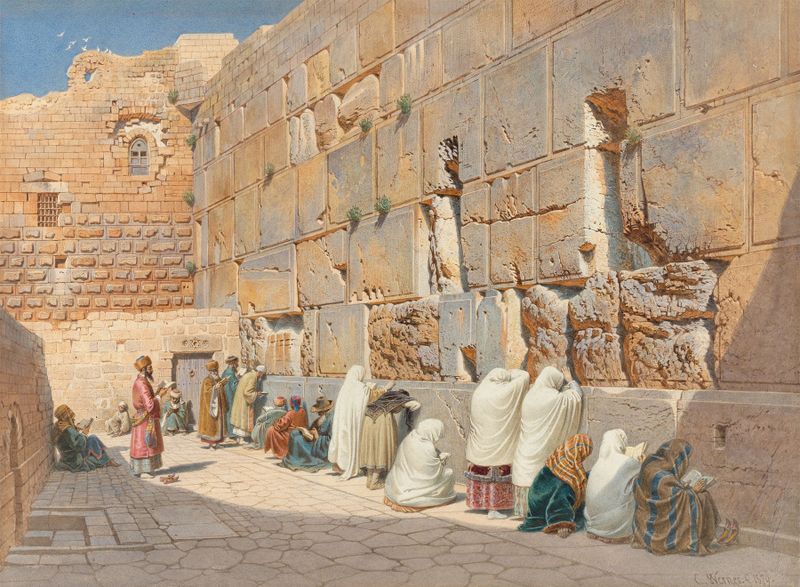
The Wailing Wall in Jerusalem
Carl Friedrich Heinrich Werner
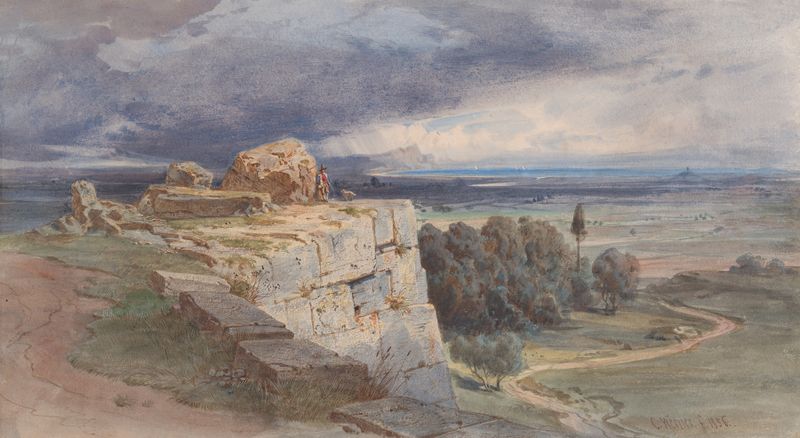
View of Norba from the North, towards San Felice Circeo
Carl Friedrich Heinrich Werner
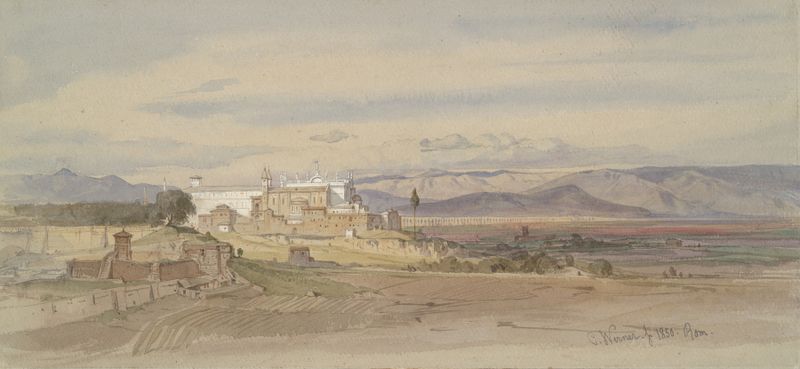
Roman Landscape with San Giovanni in Laterano
Carl Friedrich Heinrich Werner
More Historical Art
Browse all →
The Night Watch Militia Company of District II under the Command of Captain Frans Banninck Cocq
Rembrandt van Rijn

Lincoln Memorial
Henry Bacon

The Third of May 1808
Francisco de Goya

Isaac and Rebecca, Known as ‘The Jewish Bride’
Rembrandt van Rijn

The Charge of the Mamelukes (1814)
Francisco de Goya

De vier ruiters van de apocalyps
Albrecht Dürer