
Cap de Sorrente — History & Facts
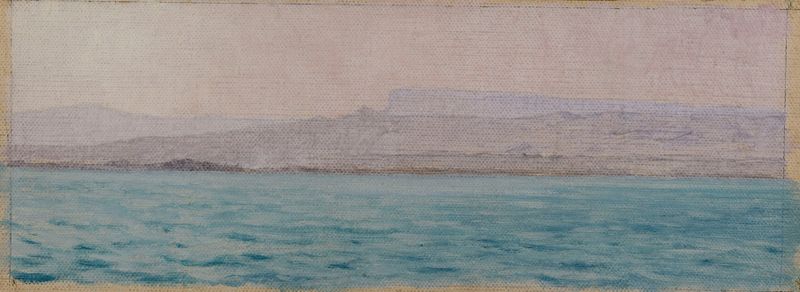
In the throes of revolution, where tumult meets tranquility, artistry emerges as a refuge, transforming the discord into something beautiful. Begin by focusing on the sweeping horizon, where the blues of the sky meld into the cerulean sea. Look closely at the layered brush strokes, where the artist’s hand has danced across the canvas—each stroke a testament to both turmoil and serenity. Notice how the warm golden hues of the shore contrast sharply with the cooler tones of the water, evoking a sense of balance amidst chaos.
The interplay of light and shadow draws the eye toward the distant cliffs, inviting the viewer to traverse this painted landscape. Within this composition lies a deeper commentary on the nature of change. The jagged edges of the cliffs symbolize the uncertainties of revolution, while the calm waters reflect the hope for a new dawn. The delicate balance of color not only portrays a scenic beauty but also captures the fragility of peace in times of upheaval.
Each layered color conveys emotion, evoking feelings of nostalgia and anticipation simultaneously. Henry Brokman painted Cap de Sorrente in 1912 during a period marked by global tensions and artistic innovation. Living in an era where traditional norms were challenged, he found inspiration in the shifting landscapes around him. At this time, he was deeply engaged with the burgeoning expressionist movement, reflecting both personal and societal transformations in his work, as the world sought to redefine itself through art.
More Artworks by Henry Brokman
Browse all →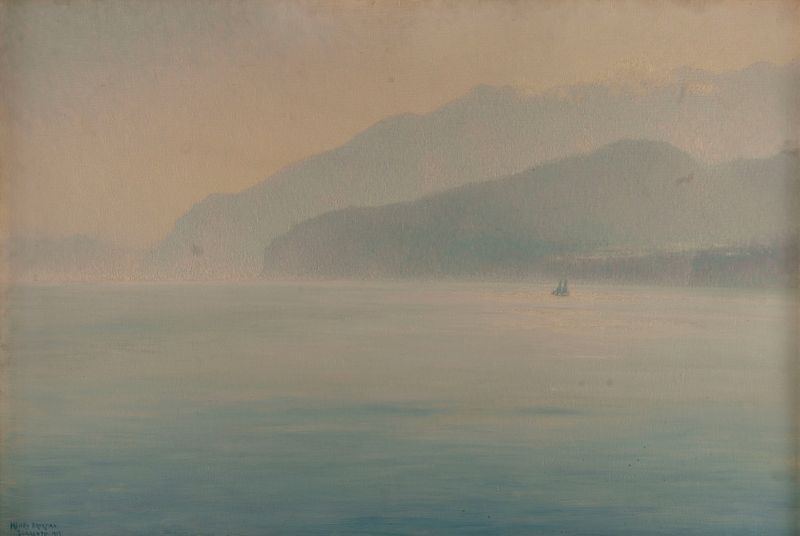
Côte De Sorrente, Bleu Et Argent
Henry Brokman
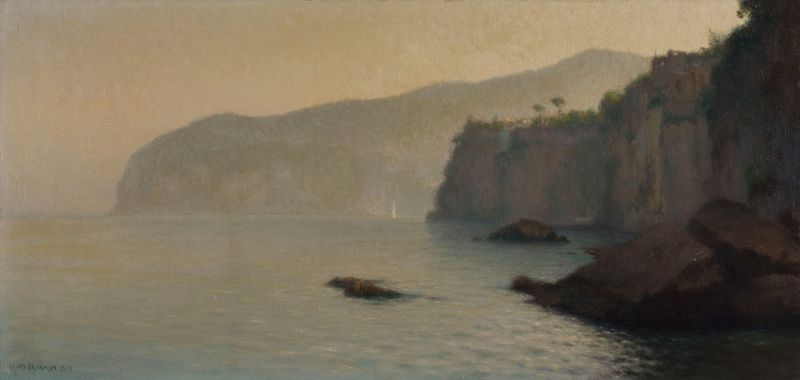
Petite côte de Sorrente (grise)
Henry Brokman
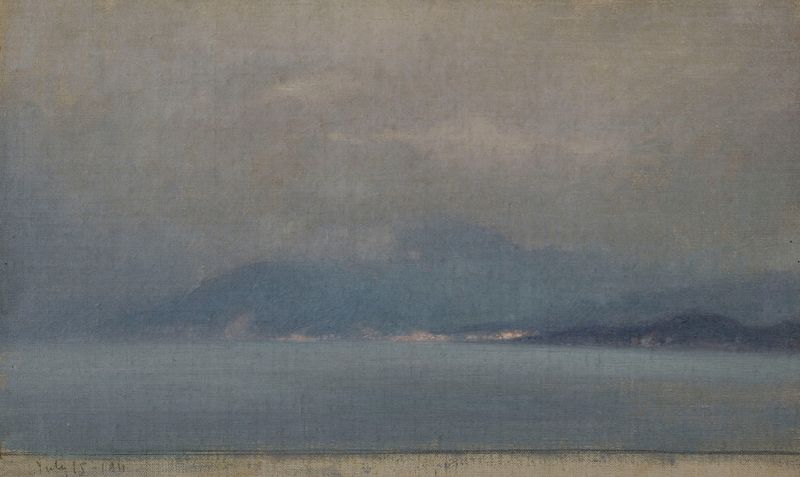
Etude de paysage
Henry Brokman
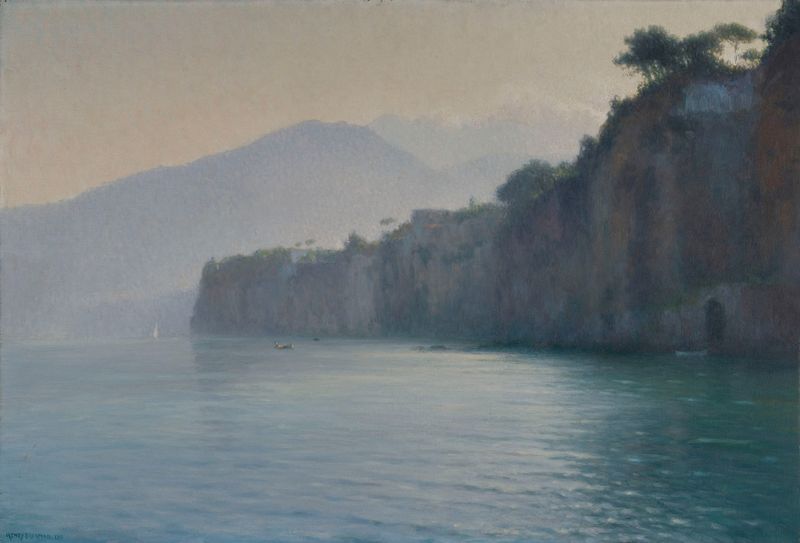
Sorrente, côte argentée
Henry Brokman
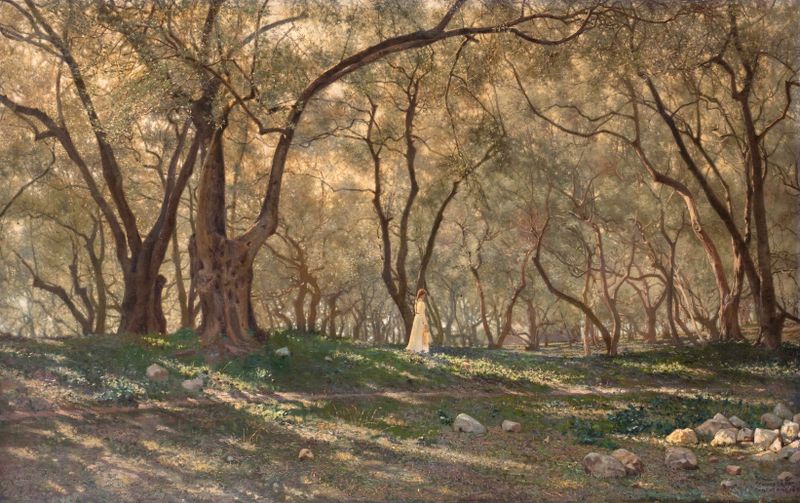
Jeune Fille Sous Les Oliviers – Menton
Henry Brokman
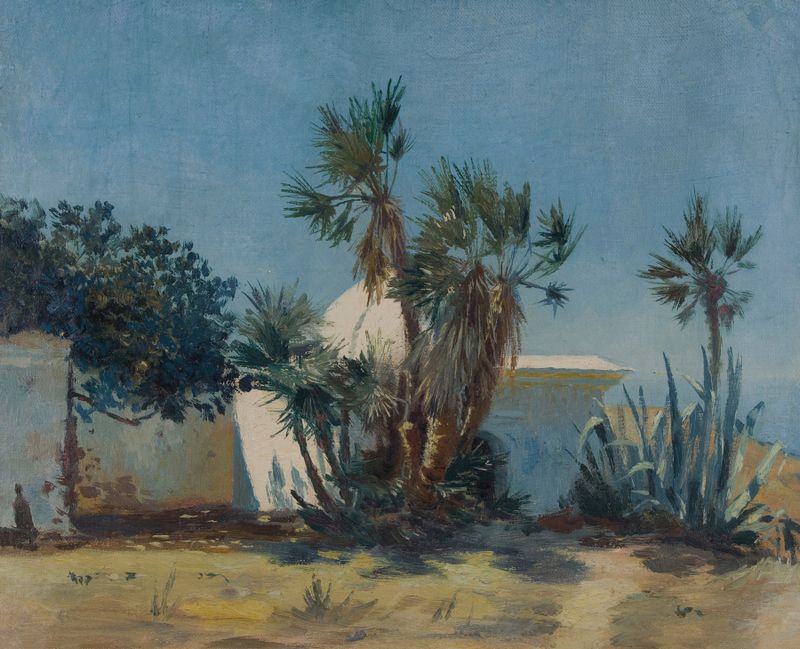
L’Oasis
Henry Brokman
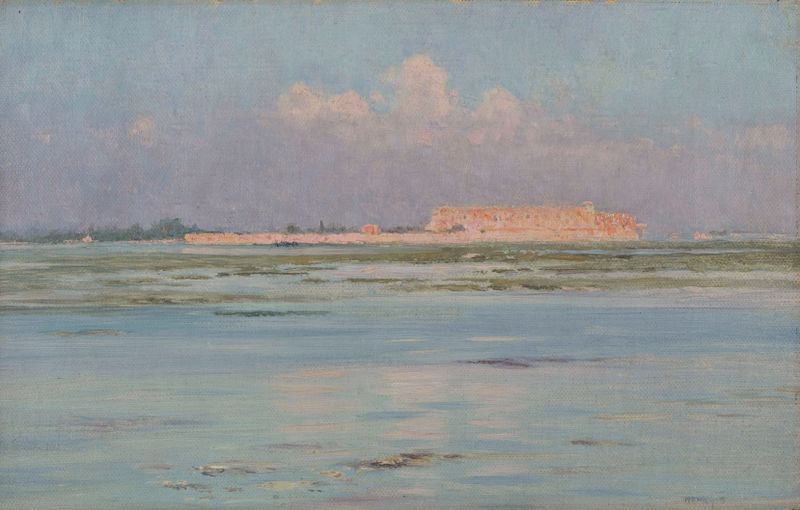
Le Temple De Louxor, Egypte
Henry Brokman
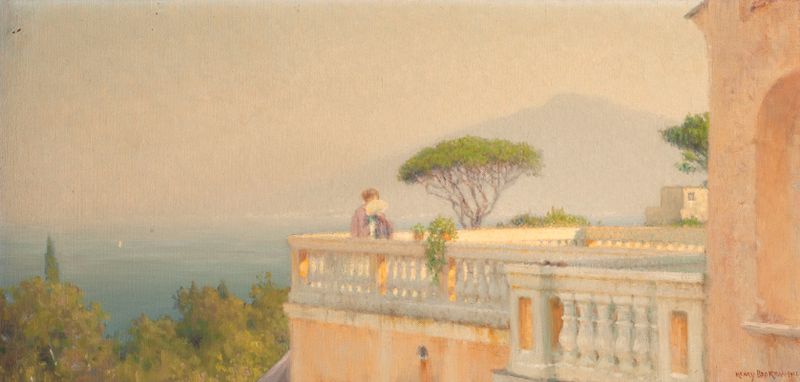
Terrasse De L’hôtel Cocumella
Henry Brokman
Rive du Nil, Egypte
Henry Brokman
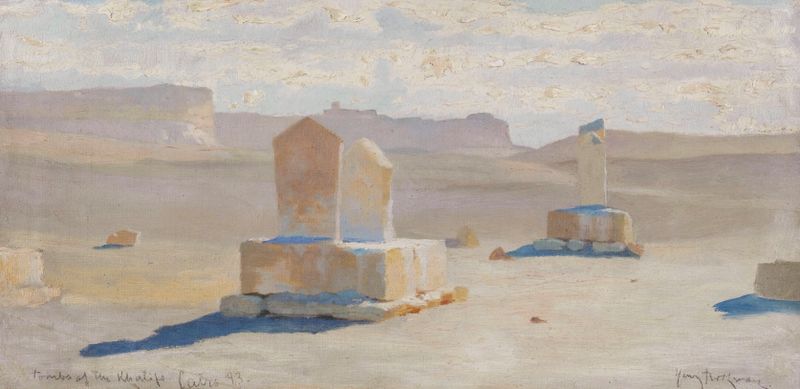
Le Caire, Tombeaux Des Califes
Henry Brokman





