
Rive du Nil, Egypte — History & Facts
Can beauty exist without sorrow? As we gaze upon the tranquil waters of the Nile, we are reminded that the most breathtaking vistas often cradle deeper stories of fate and longing. Focus on the sweeping curves of the river that dominate the composition, drawing the eye through a labyrinth of blues and greens. Notice how the light dances upon the water’s surface, reflecting the delicate balance between serenity and an unspoken tension. The earthy tones of the landscape contrast against the vibrant hues of the river, suggesting an interplay of life and destiny woven through the scene. Hidden within the peacefulness lies the poignant notion of time—how the river, ever-flowing, carries with it a sense of inevitability.
The lush vegetation may symbolize the richness of life, yet it whispers of fragility, reminding us that beauty is often transient. Each stroke of paint captures not just the physical realm but the essence of the journey through joy and sorrow, suggesting that every moment of beauty is laced with the weight of what is to come. Created in 1891 while Brokman was living in Paris, Rive du Nil, Egypte reflects a period of artistic exploration and a fascination with exotic landscapes. The late 19th century was marked by an increasing interest in Impressionism and the emotional resonance of color, where artists sought to capture fleeting impressions of nature.
In this context, Brokman's work stands as a testament to the allure of the Nile—a river that has witnessed the rise and fall of civilizations, imbued with the weight of history and destiny.
More Artworks by Henry Brokman
Browse all →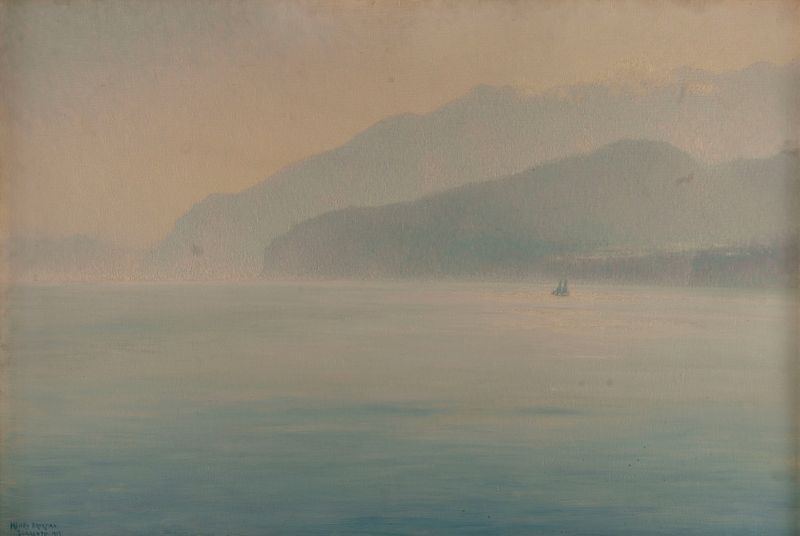
Côte De Sorrente, Bleu Et Argent
Henry Brokman
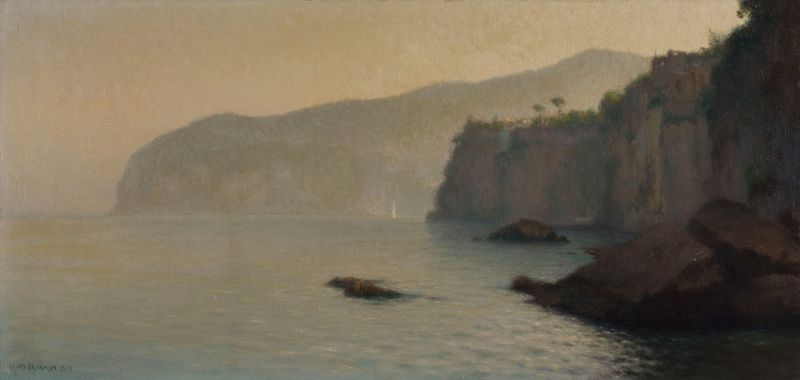
Petite côte de Sorrente (grise)
Henry Brokman
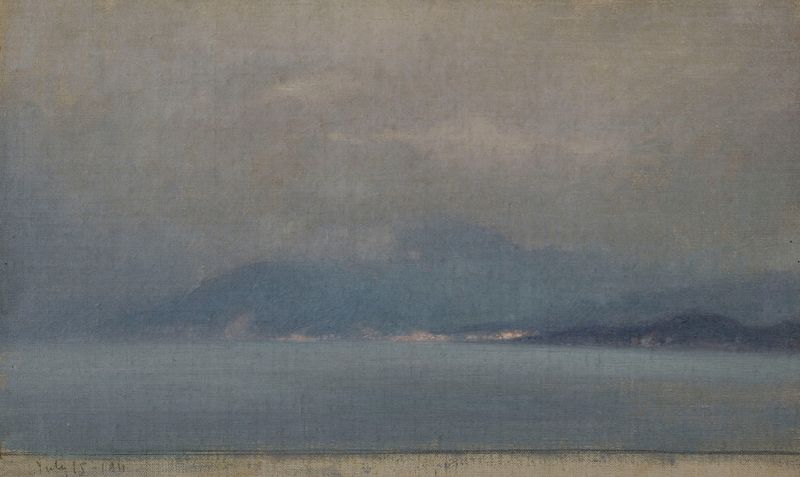
Etude de paysage
Henry Brokman
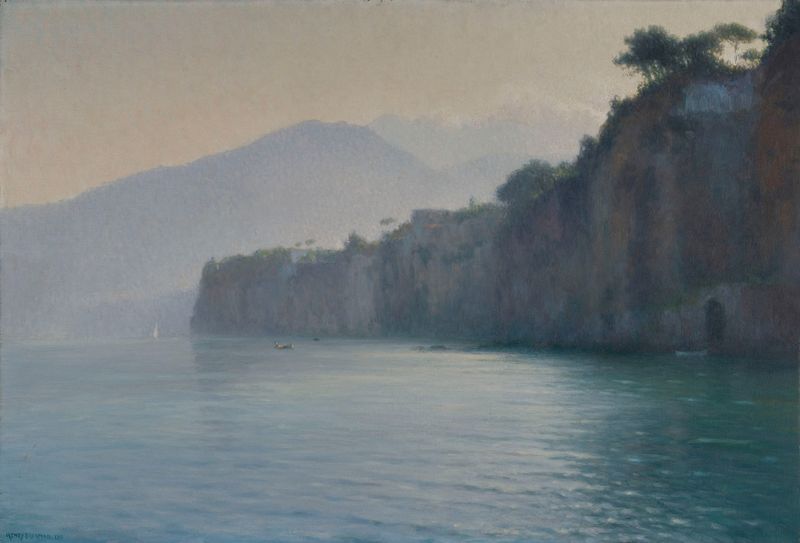
Sorrente, côte argentée
Henry Brokman
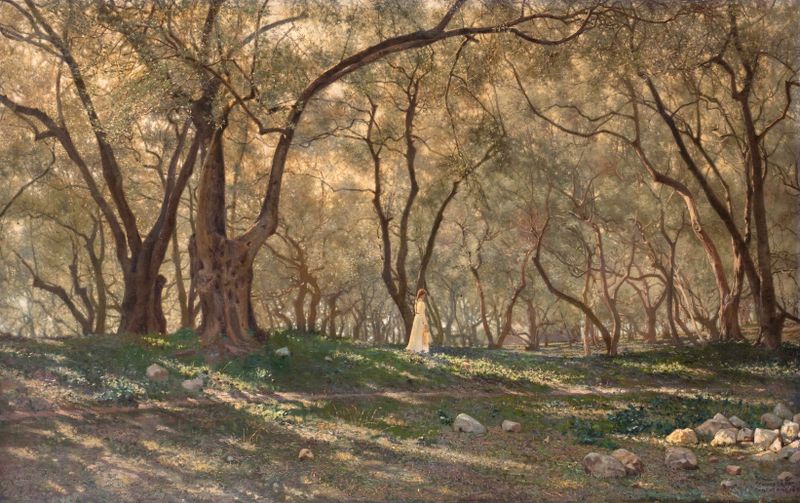
Jeune Fille Sous Les Oliviers – Menton
Henry Brokman
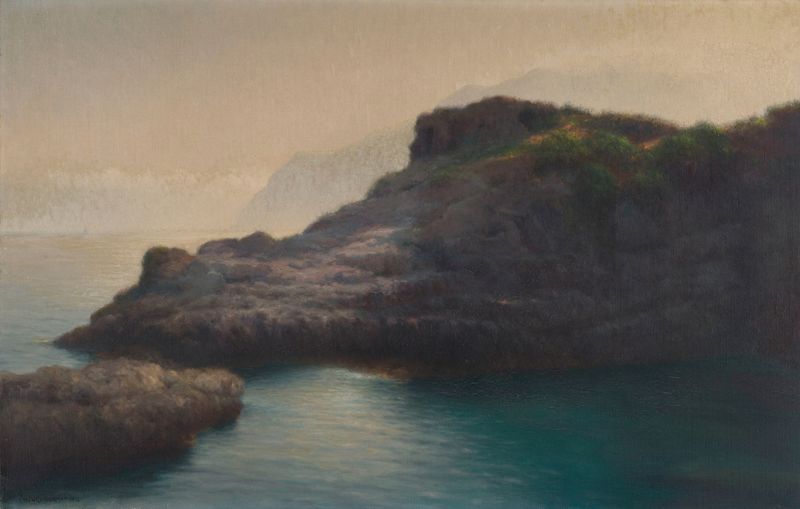
Cap de Sorrente
Henry Brokman
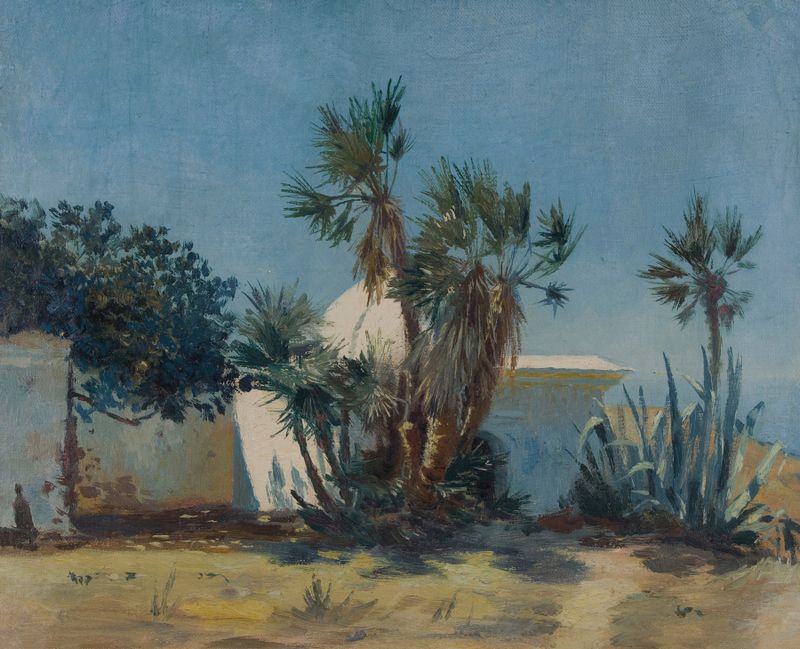
L’Oasis
Henry Brokman
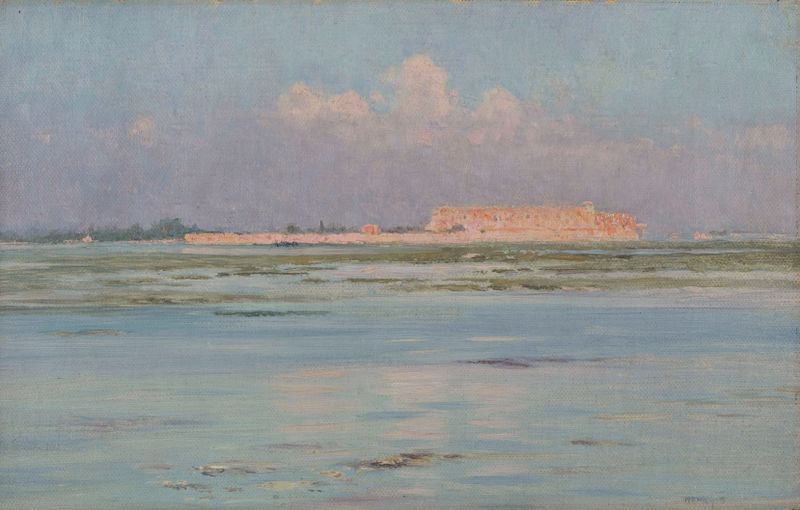
Le Temple De Louxor, Egypte
Henry Brokman
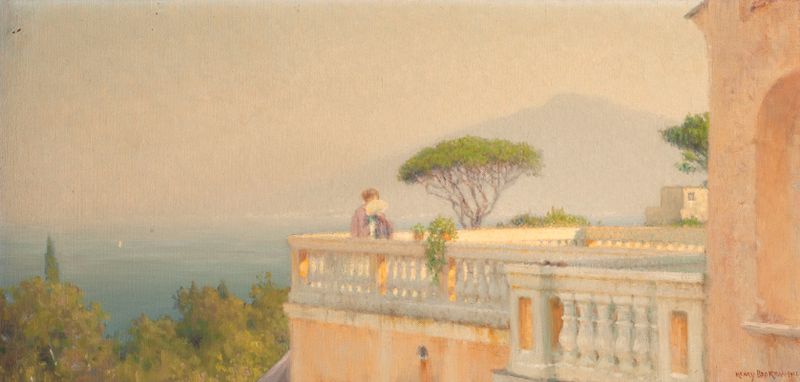
Terrasse De L’hôtel Cocumella
Henry Brokman
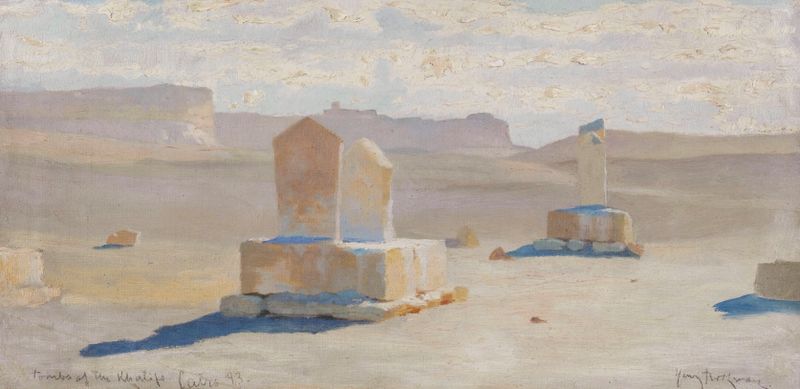
Le Caire, Tombeaux Des Califes
Henry Brokman





