
Cape Town Beach Stand — History & Facts
No one knows precisely when or why John Linnell painted Cape Town Beach Stand, but the work has long intrigued viewers for its unexpected subject: a British artist capturing a South African shoreline, far from his usual English landscapes. The painting’s title hints at a possible connection to the bustling colonial port of Cape Town, a crossroads of empires and cultures in the 19th century. While Linnell is best known for his pastoral scenes and religious themes, this work stands out for its geographic and atmospheric departure, raising questions about the artist’s travels or sources.
The absence of a date or commission record only deepens the mystery, leaving scholars to speculate about its origins and purpose. The scene unfolds at the water’s edge, where a solitary wooden stand—perhaps a vendor’s hut or a lifeguard’s post—anchors the composition against the sweep of sand and sea. The beach is alive with subtle activity: distant figures stroll along the shore, their forms blurred by sea mist, while the stand itself, battered by salt and wind, suggests the passage of time and the rhythms of daily life. Linnell’s treatment of light is striking; sunlight glances off wet sand, and clouds gather over the distant Table Mountain, lending a sense of immediacy to the moment.
Unlike the idyllic, polished beaches of Turner or the bustling harbors of J.M.W. Whistler, Linnell’s vision feels grounded, attentive to the ordinary and the local. The physical history of Cape Town Beach Stand remains uncertain. There is no definitive record of its first owner or exhibition, and its medium is not documented in surviving catalogues.
Some have speculated that Linnell painted it based on sketches or descriptions brought back by travelers, rather than from direct observation. Today, the painting is valued as a rare example of British engagement with colonial landscapes, and it occupies a unique place in Linnell’s oeuvre—an outlier that hints at broader horizons. Its current location is not widely publicized, but it continues to prompt discussion among historians and admirers of John Linnell’s work.
More Artworks by John Linnell

A View Near Hampstead
John Linnell
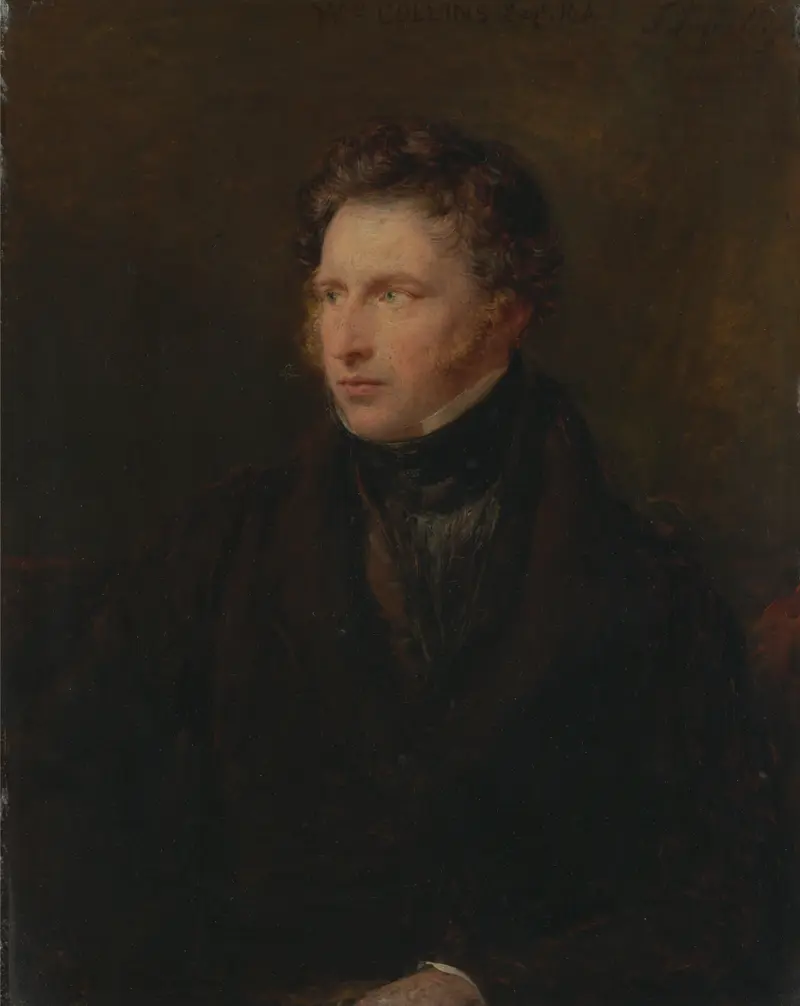
William Collins, R.A.
John Linnell
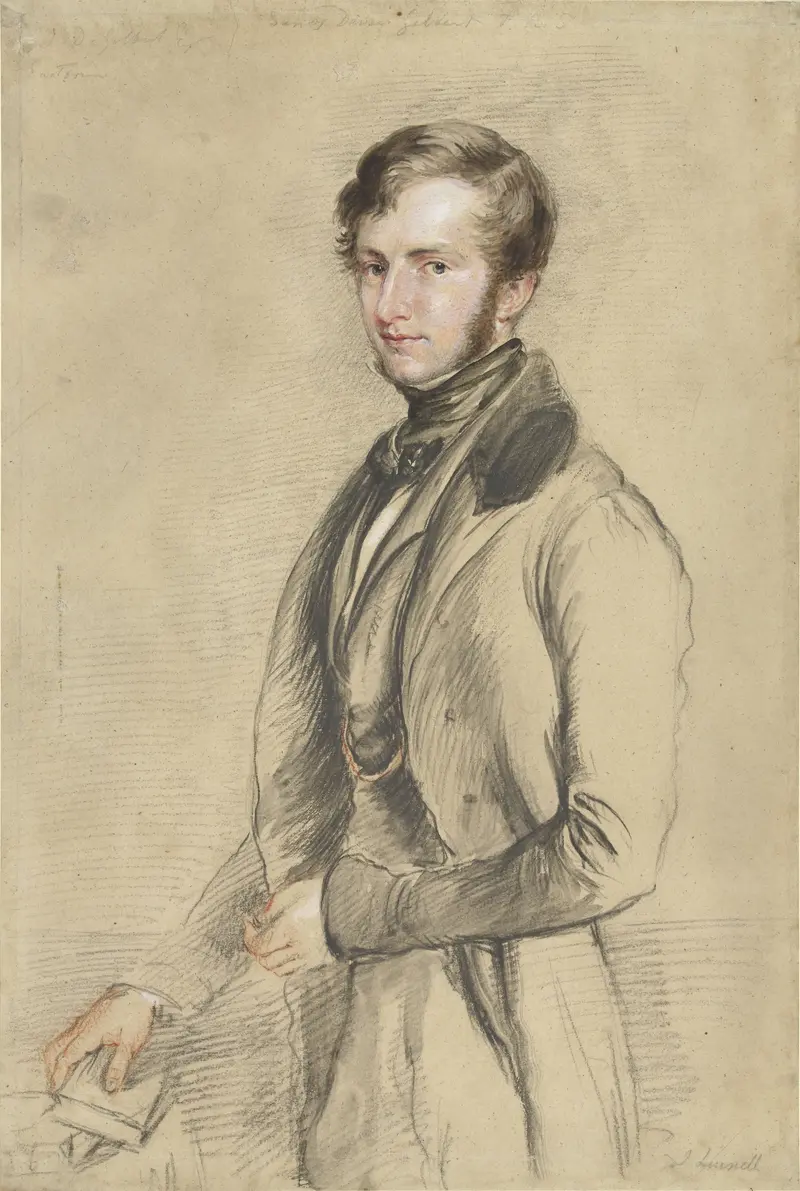
Portrait of John Davies Gilbert
John Linnell
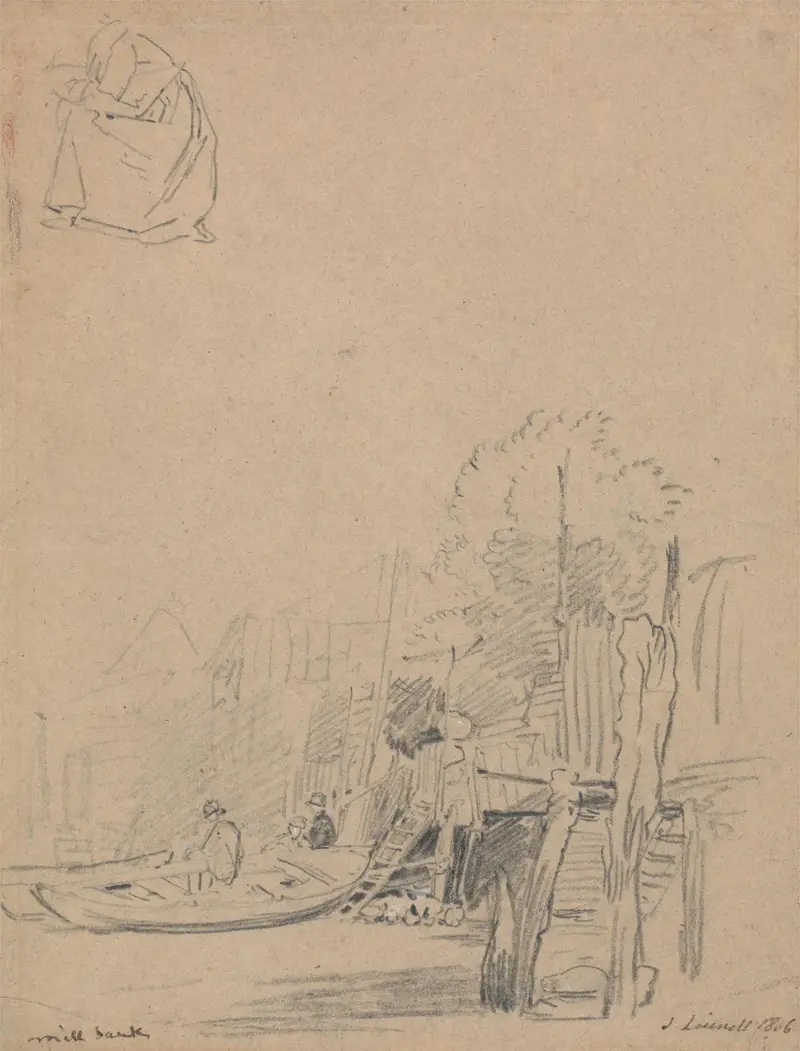
Millbank
John Linnell
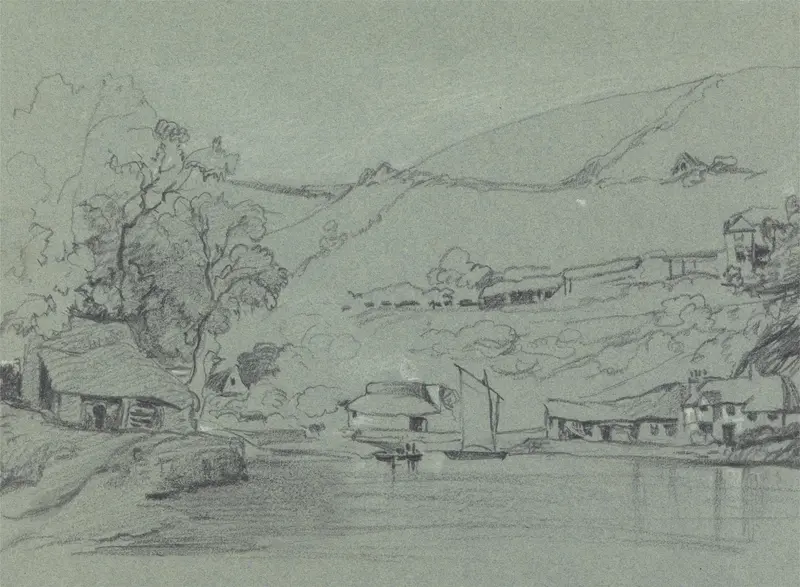
Scene in Kent
John Linnell
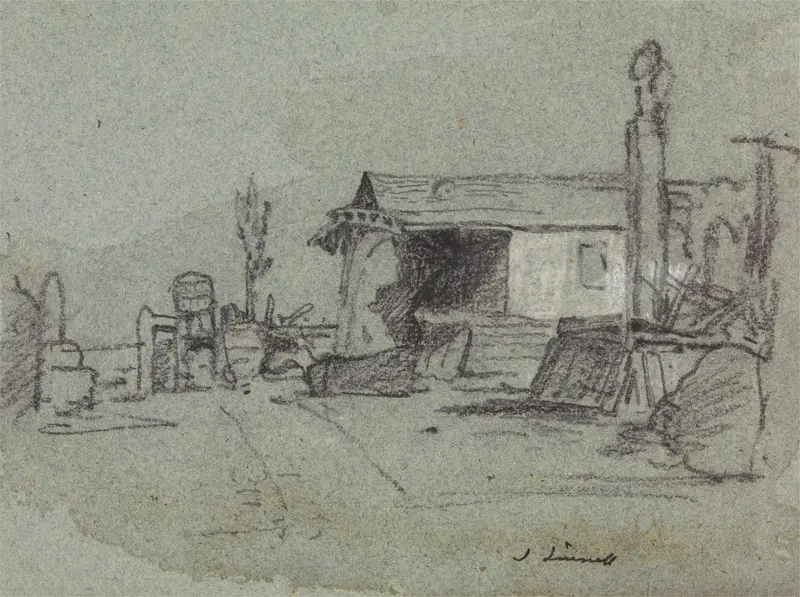
A Scene in the Edgware Road, London
John Linnell
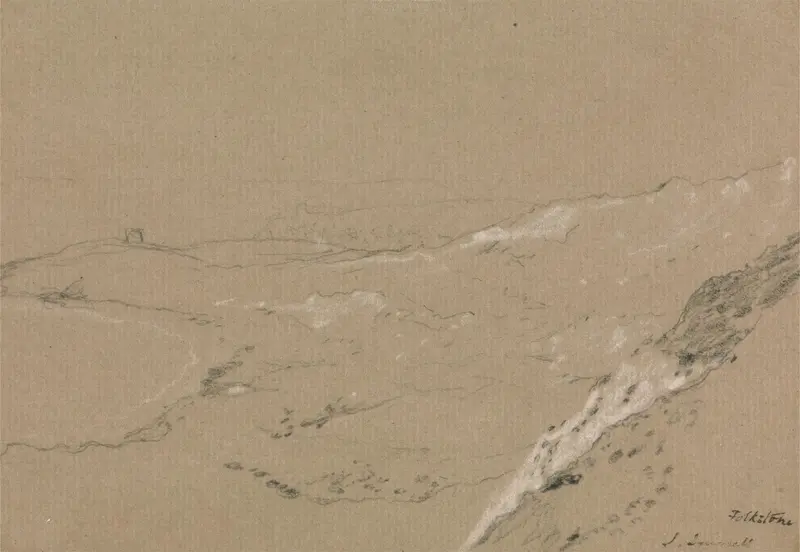
Folkestone
John Linnell
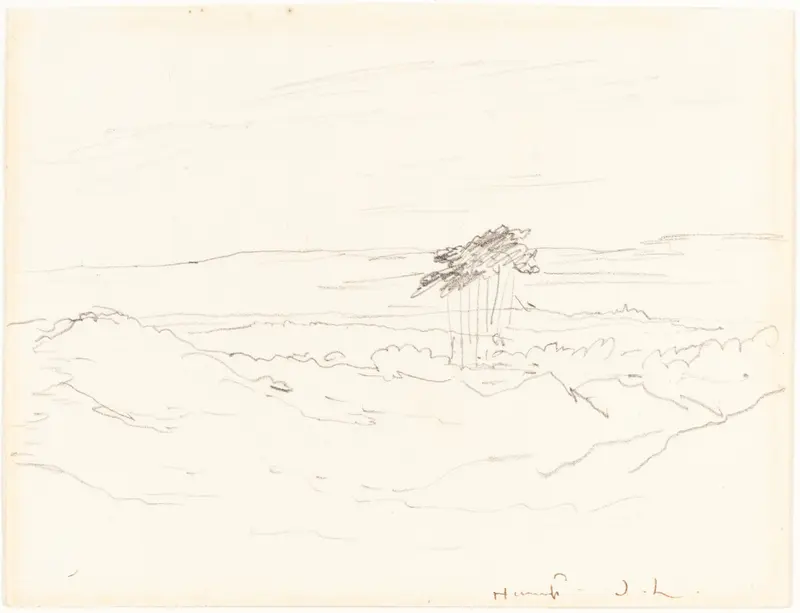
Hampstead Heath
John Linnell
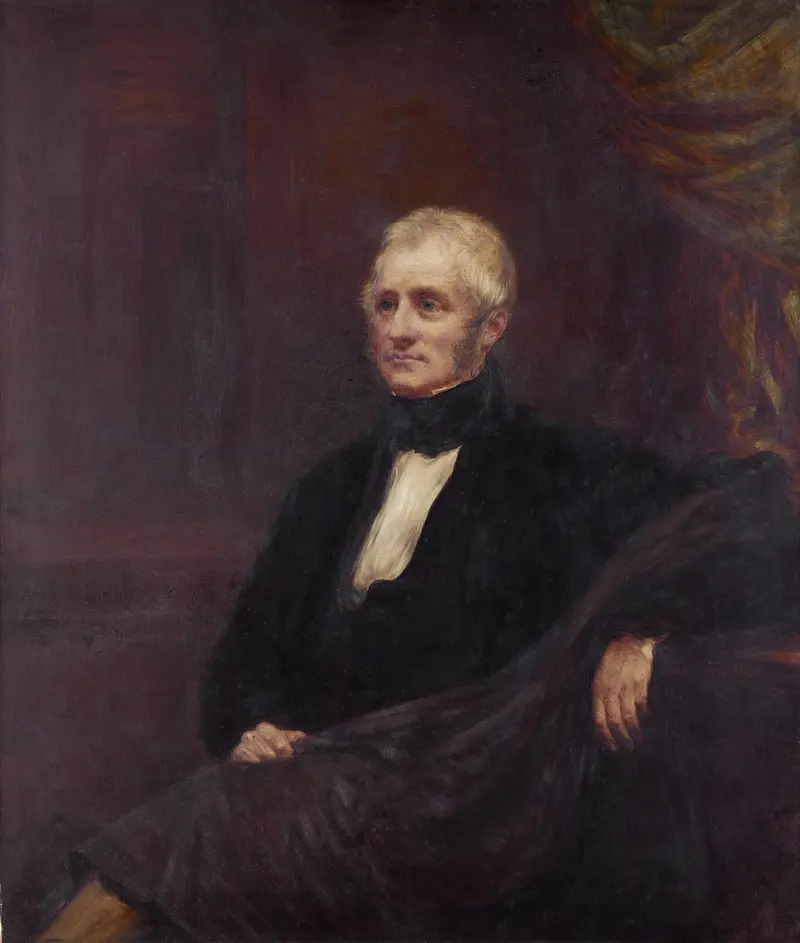
Henry Stephen Fox-Strangways, 3rd Earl Of Ilchester
John Linnell
View at Mr. Sheppard’s, The Ridge, Gloucestershire
John Linnell





