
Caravansary at Borgas — History & Facts
In the stillness of the moment, the air is thick with unspoken stories, where the pulse of life hums beneath a tranquil surface. The scene invites viewers into a paradox of ecstasy and restraint, hinting at the layered emotions that linger in quiet places of gathering. Look to the center, where the caravansary breathes life, framed by arches and intricate patterns that lead the eye toward the warm glow emanating from the interior. The earthy palette of ochres, deep browns, and soft shadows intertwines with the golden light, creating a comforting embrace.
Notice how the delicate brushwork conveys texture, from the rugged stone walls to the flowing fabric draped over the figures, drawing attention to the intimate details that reflect the passage of time. Within this sanctuary, the contrast between solitude and community reveals deeper meanings. The weary travelers, faces etched with experience, sit in contemplation, embodying a moment of pause in their journey. The juxtaposition of their stillness against the vibrant backdrop of the bustling landscape outside speaks to the richness of shared experiences and the personal reflections that come in such places of rest. Luigi Mayer painted this piece in 1810 while residing in the vibrant yet tumultuous atmosphere of early 19th-century Europe, a time of exploration and cultural exchange.
His travels through the Middle East inspired a series of works that captured the essence of distant lands, combining European artistic traditions with exotic themes. This painting not only reflects his personal journey but also encapsulates a broader artistic dialogue of the era, marked by curiosity and fascination with the Orient.
More Artworks by Luigi Mayer
Browse all →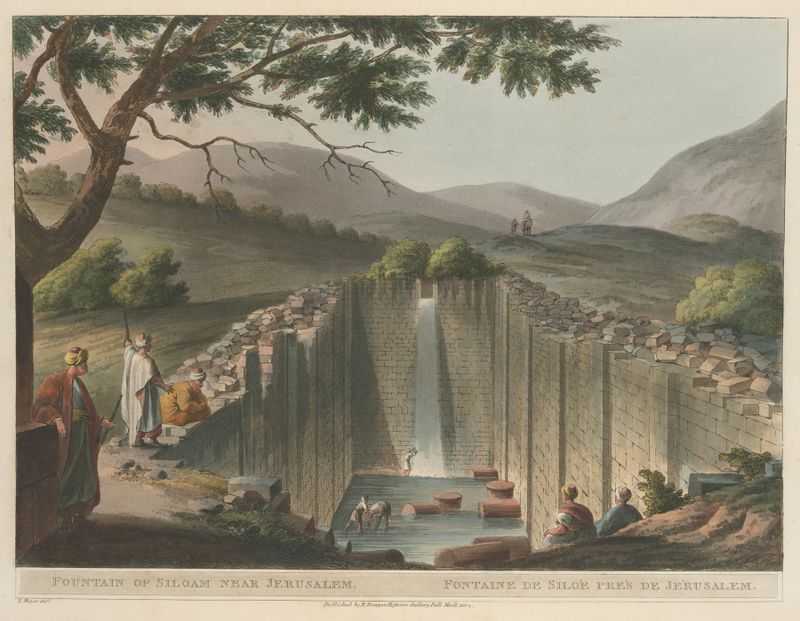
Fountain of Siloam Near Jerusalem
Luigi Mayer

View of the Dardanelles
Luigi Mayer
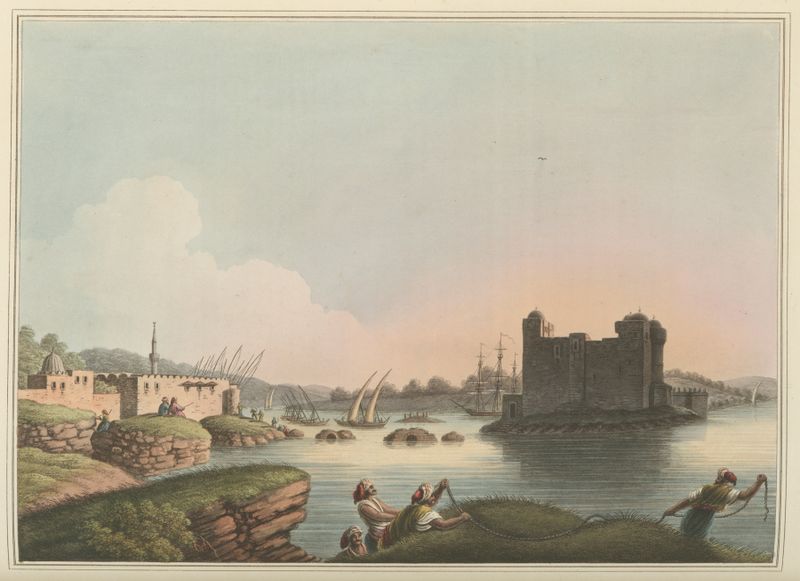
Port of Latachia
Luigi Mayer

Stadium at Ephesus
Luigi Mayer

Ancient Temples at Agrigentum
Luigi Mayer
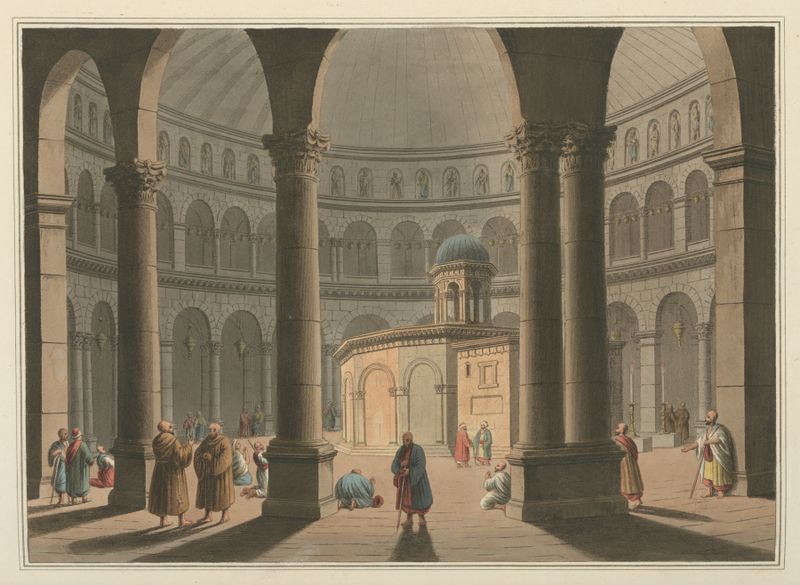
Church of the Holy Sepulchre
Luigi Mayer
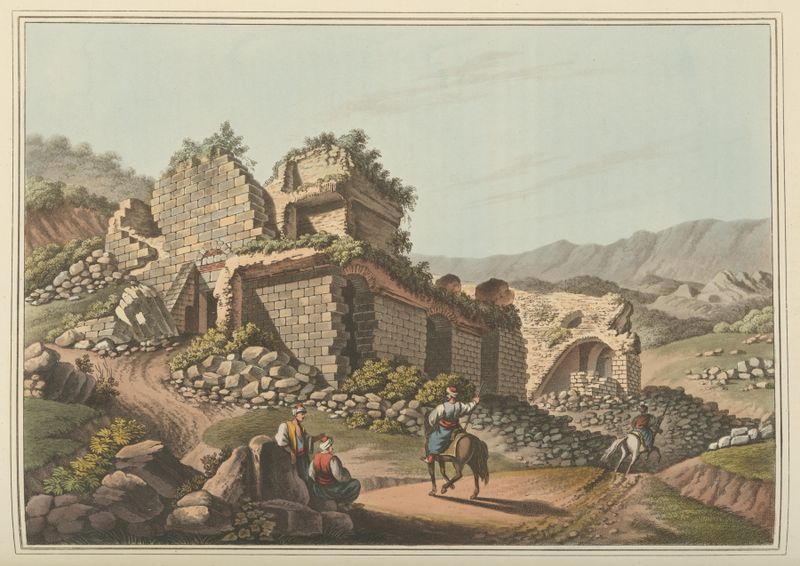
Theatre at Ephesus
Luigi Mayer
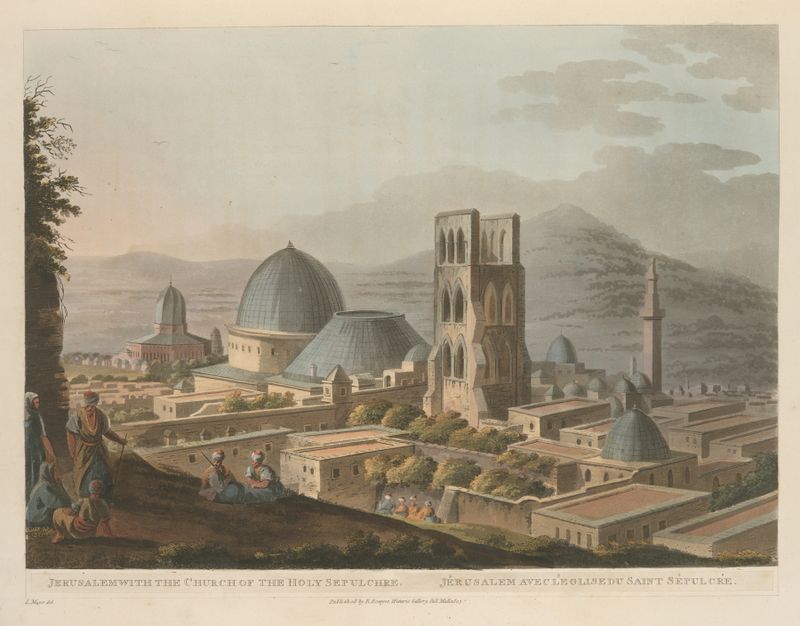
Jerusalem with the Church of the Holy Sepulchre
Luigi Mayer
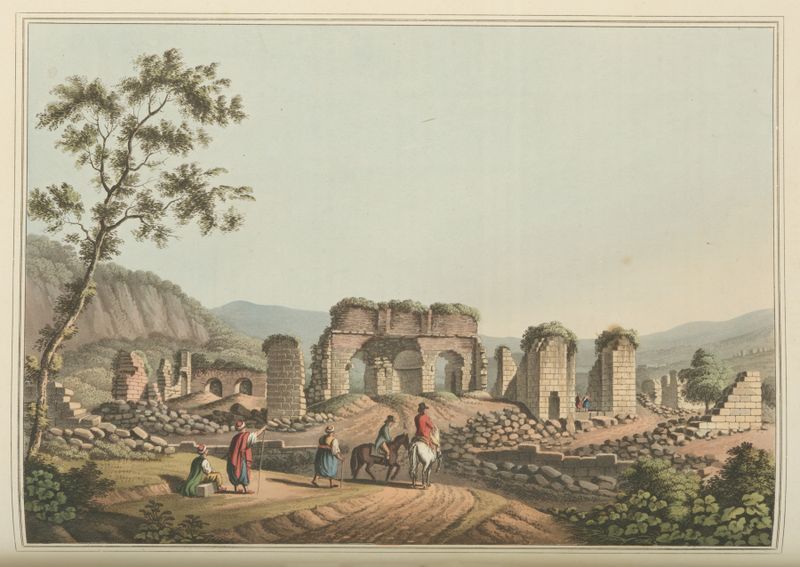
Ruins of the Temple of Diana at Ephesus
Luigi Mayer

Crater in the Island of Volcano
Luigi Mayer





