
Carmen (Ralli) — History & Facts
A golden scarf, heavy with coins, crowns the subject’s head and immediately commands the viewer’s gaze, shimmering against the deep, velvety red that fills the background. The woman’s direct, almost challenging stare draws you in, her features rendered with a frankness that feels both intimate and theatrical. Every detail in her costume—the metallic glints in her robe, the bold hoop earrings, the careful arrangement of the coins—signals a character who is meant to be seen, not merely looked at.
The warm light falls across her face and chest, accentuating the textures of fabric and skin, while the background remains a flat, enveloping field, pushing her further forward into our space. There is no narrative action here; instead, the drama is in the confrontation between sitter and viewer, the sense that she is appraising us as much as we are her. Painted in 1880 by Theodoros Ralli, this work belongs to a period when European artists were fascinated by the allure of the “exotic,” often turning to Spanish and Eastern Mediterranean subjects for inspiration. Portraits like this, with their rich costumes and bold gazes, were sought after by collectors eager for a taste of distant worlds, whether real or imagined.
Ralli’s approach, blending academic technique with a hint of theatrical flair, fits squarely into the Orientalist and genre traditions that flourished in the late nineteenth century. History has kept few traces of this particular Carmen, but her presence—confident, enigmatic, and utterly self-possessed—invites us to linger, searching for the story behind her steady eyes.
More Artworks by Theodoros Ralli

The Sleeping Concubine
Theodoros Ralli
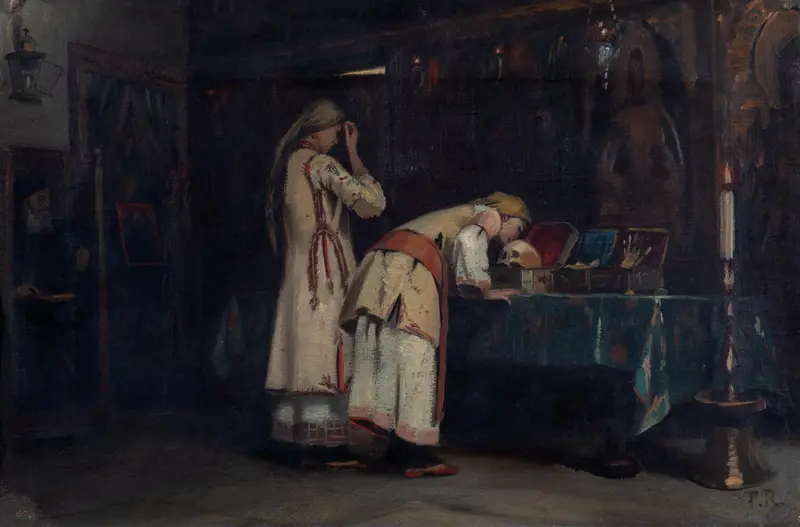
Holy Relics
Theodoros Ralli
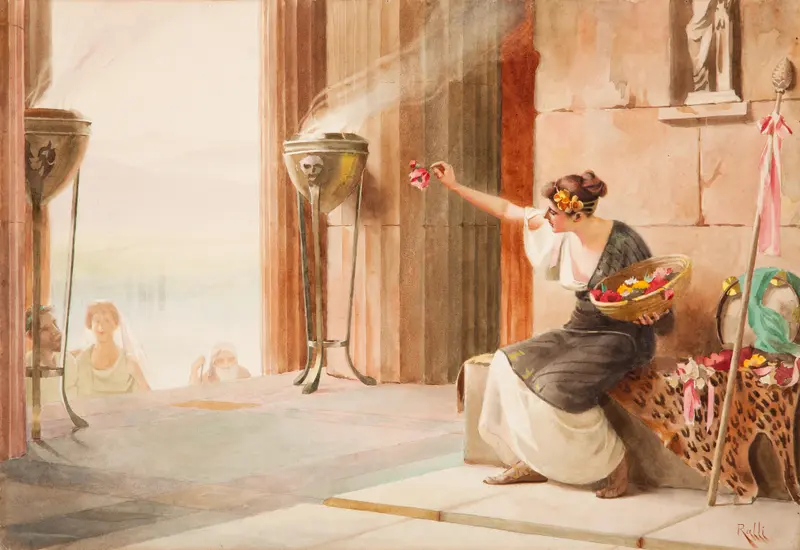
Flower Seller at the Parthenon
Theodoros Ralli
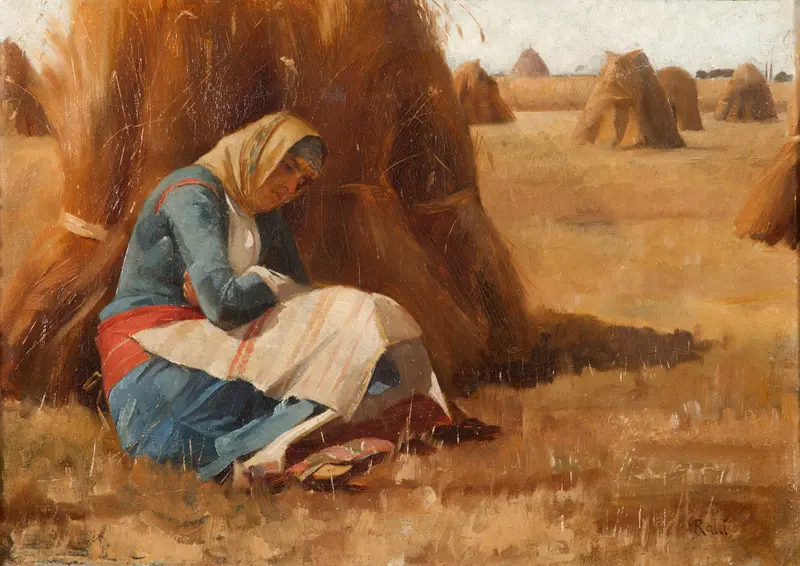
Resting by a Haystack
Theodoros Ralli
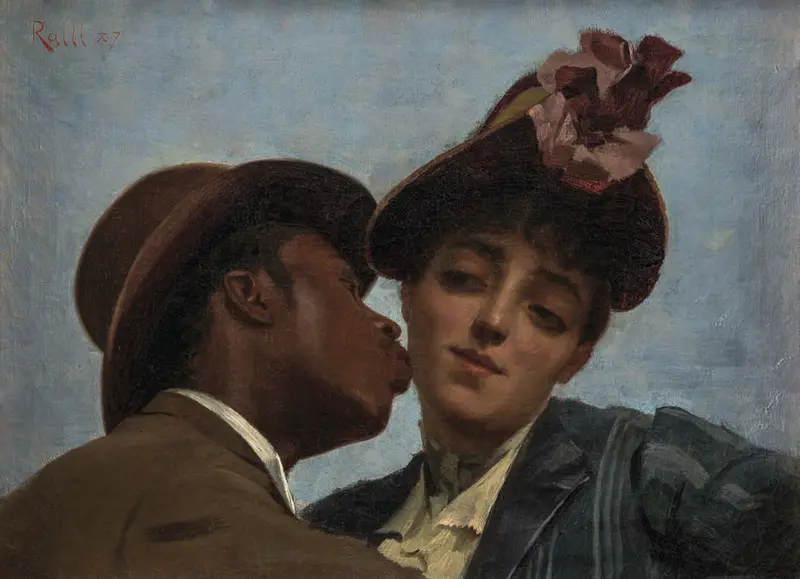
The Kiss (Ralli)
Theodoros Ralli
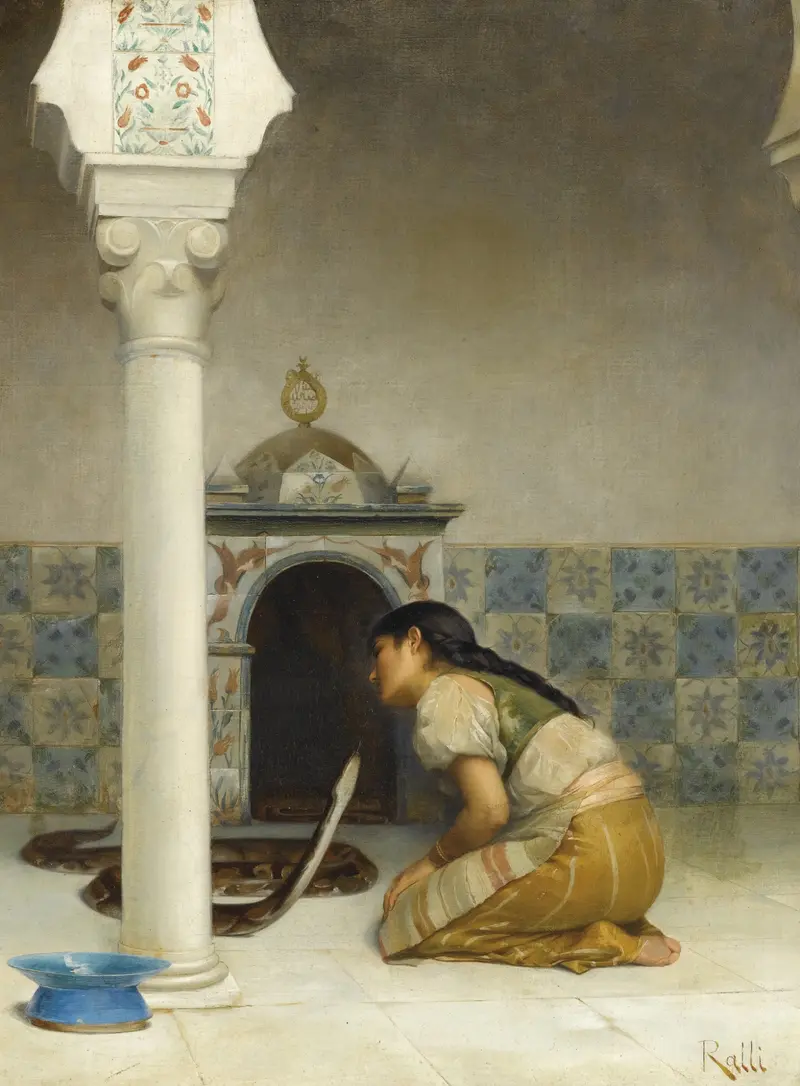
The Sacred Serpent
Theodoros Ralli
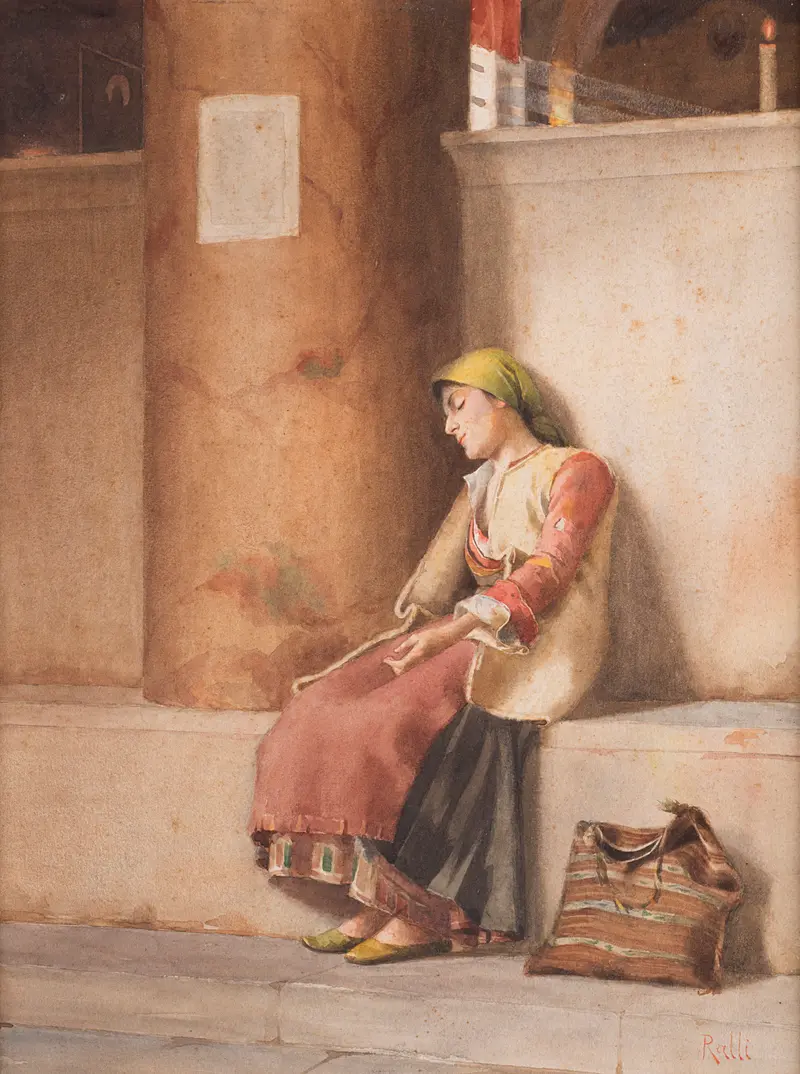
A Moment of Reflection
Theodoros Ralli
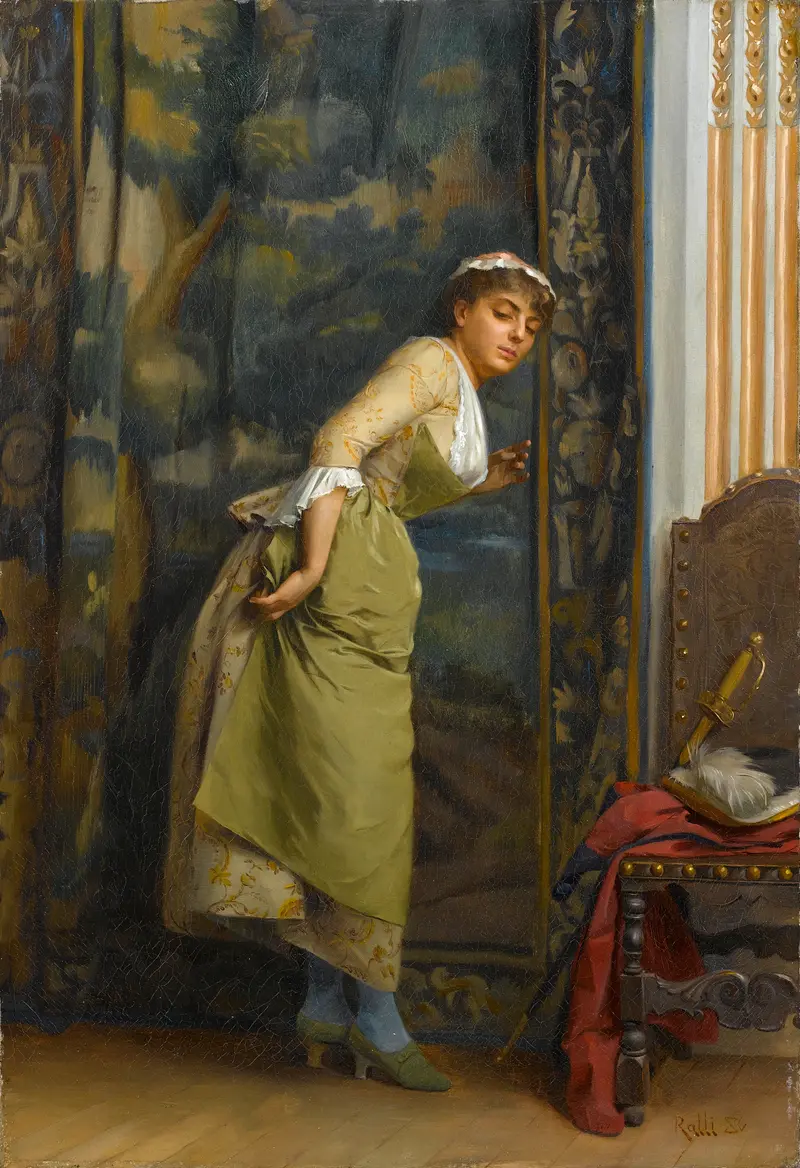
Eavesdropping (Ralli)
Theodoros Ralli
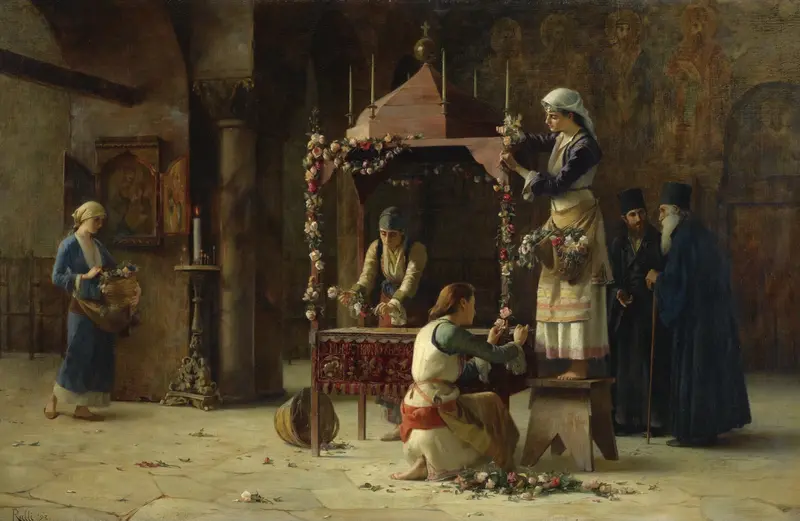
Holy Friday, Greece
Theodoros Ralli
A Moment's Rest
Theodoros Ralli





