Cart with Hay — History & Facts
In a time when the mundane often eclipses the sacred, what divinity lies within the everyday? Look to the left at the sturdy cart, its wooden frame robust yet humble, draped in golden hay that glows under the soft, dappled light. Notice how Pankiewicz skillfully juxtaposes the earthy tones of the cart with the vibrant greens and blues of the background, creating a serene yet lively atmosphere. The brushstrokes are loose, yet deliberate, giving the impression of movement as if the cart itself is whispering stories of labor and harvest, inviting the viewer into a moment suspended in tranquility. Delve deeper and observe the shadows cast by the overhanging branches, hinting at the passage of time and the cycles of nature.
The gentle play of light suggests a divine presence, as if nature itself is blessing this simple scene. Each blade of grass and tuft of hay becomes a testament to resilience, embodying the quiet dignity of rural life. The interplay between light and shadow evokes feelings of peace, yet also hints at the fragility of existence, reminding us that beauty often resides in the overlooked. Józef Pankiewicz painted Cart with Hay in 1890 while living in France during an era when Impressionism was flourishing.
At this time, he was influenced by the vibrant artistic community, embracing the exploration of color and light that defined the movement. Though he often focused on rural themes, his work emerged amid a broader shift in art, where everyday scenes like this began to be celebrated for their inherent beauty and divine resonance.
More Artworks by Józef Pankiewicz
Browse all →
Landscape
Józef Pankiewicz

Cab in the Rain
Józef Pankiewicz
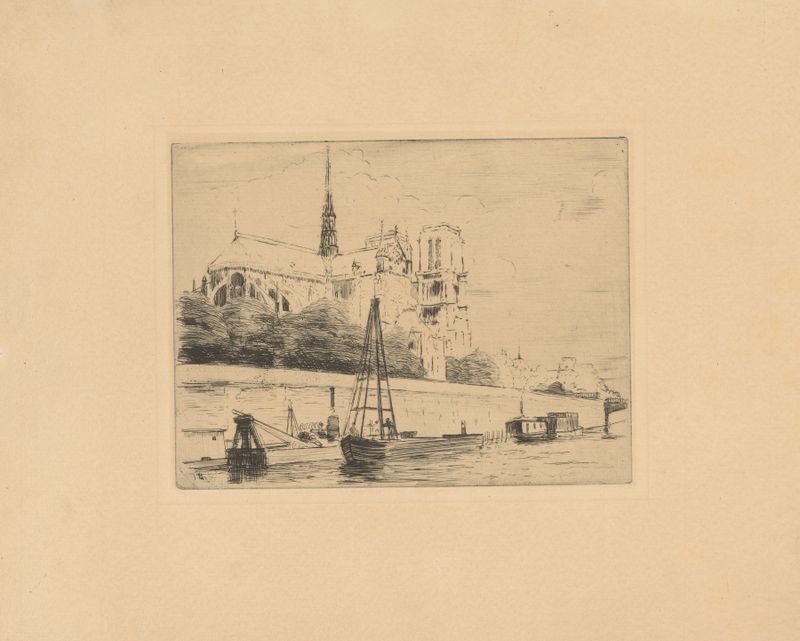
Notre Dame Cathedral in Paris
Józef Pankiewicz
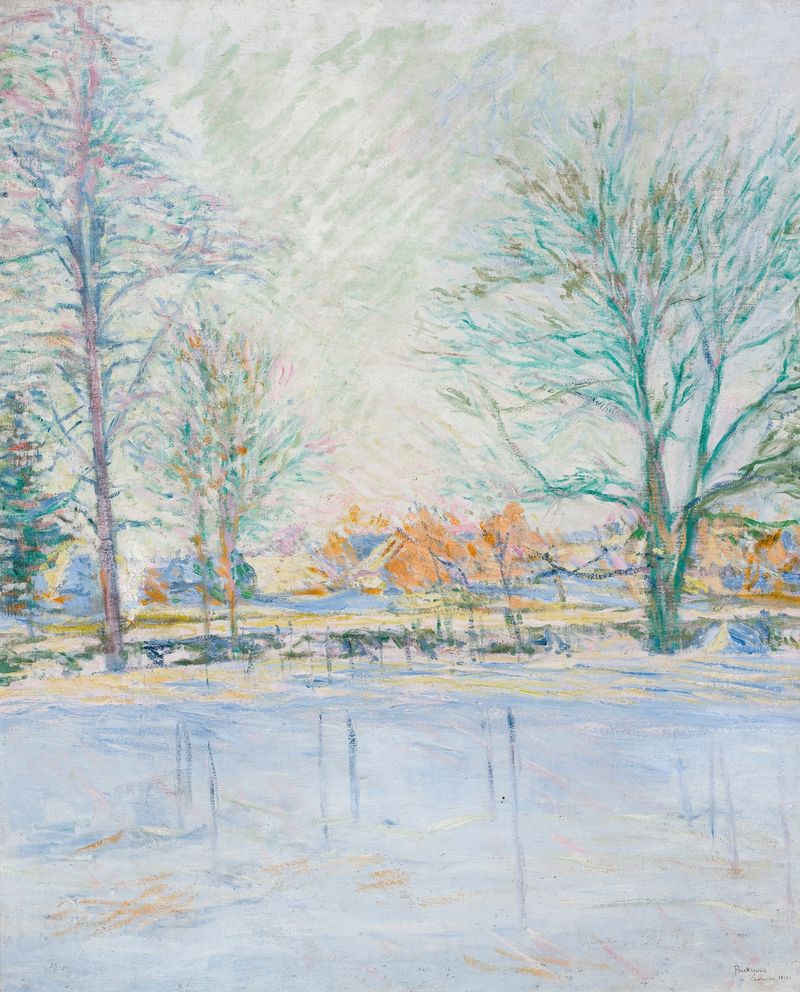
Landscape from Czarnolas
Józef Pankiewicz
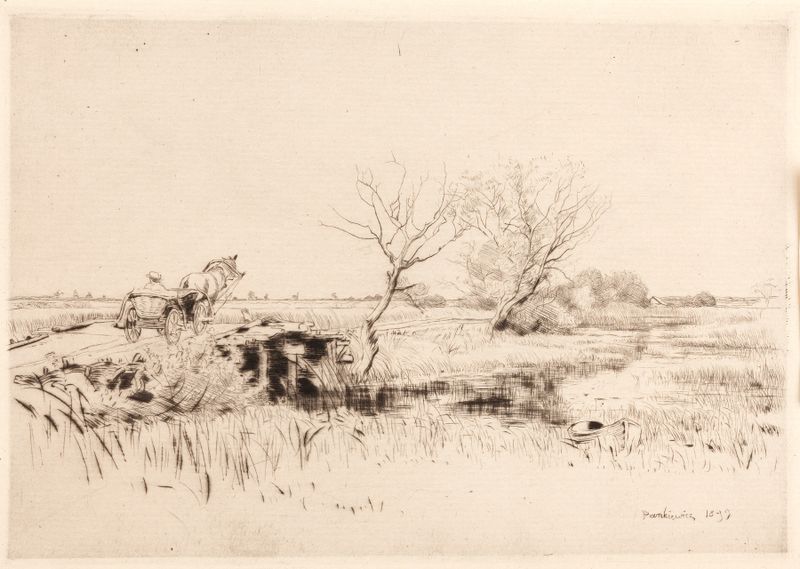
Pińsk Channel in Polesie I
Józef Pankiewicz
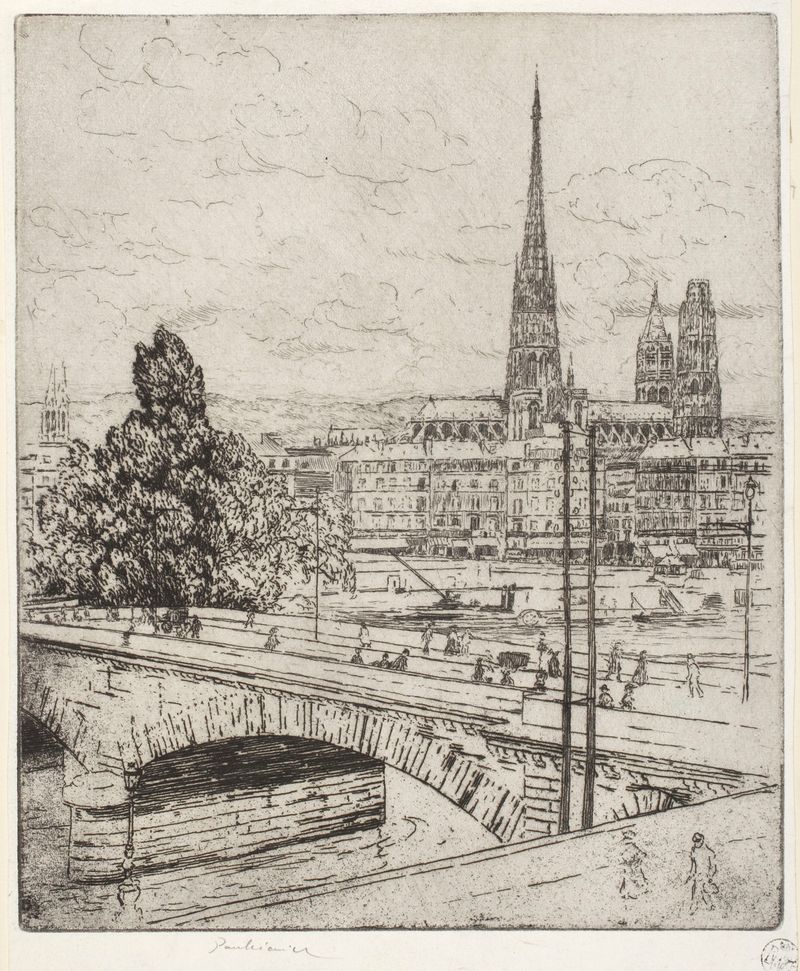
Pont Corneille in Rouen
Józef Pankiewicz
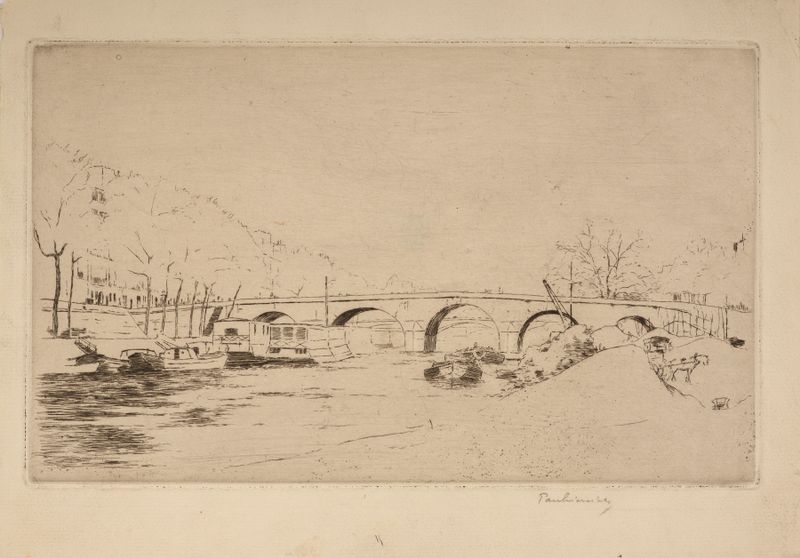
Pont Marie in Paris
Józef Pankiewicz

Rouen – portal from the Church of St Maclou
Józef Pankiewicz
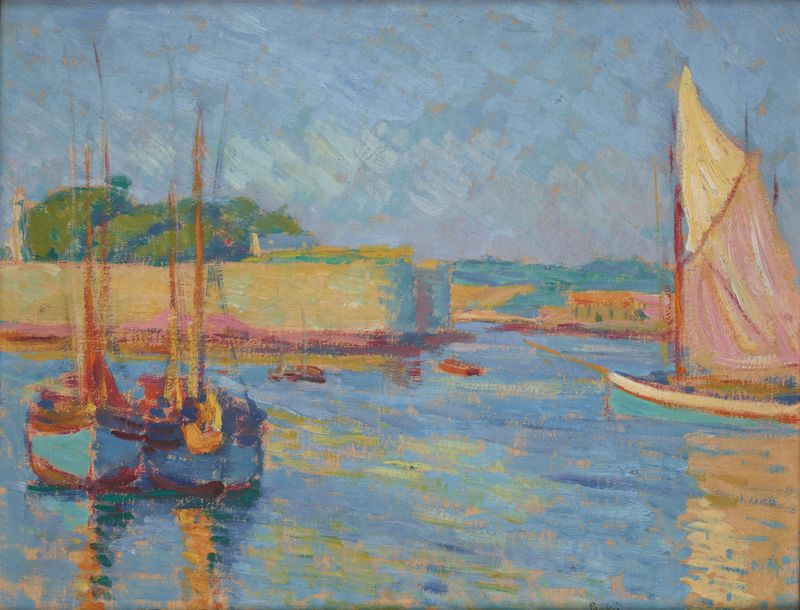
Harbour at Concarneau
Józef Pankiewicz
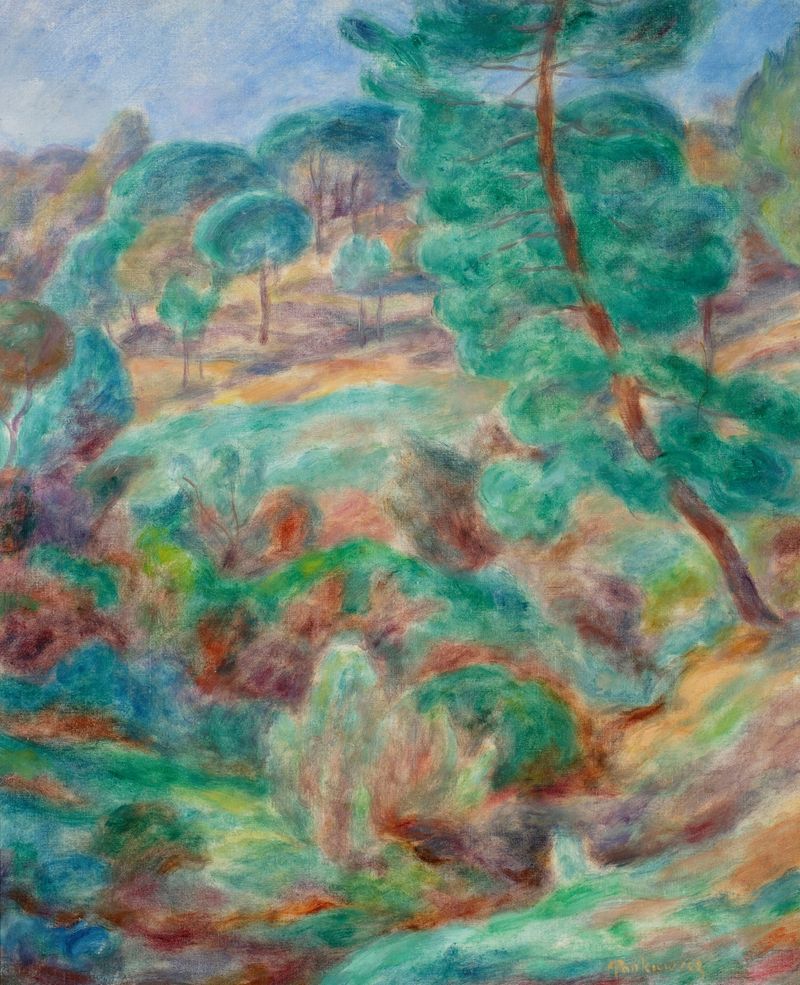
Landscape from Saint-Tropez – Stone pines
Józef Pankiewicz