
Casebre no fim da Praia do Flamengo — History & Facts
Who listens when art speaks of silence? The tranquility captured in an isolated coastal home can mask the chaos within, where madness lingers just beyond the frame. Look to the right at the modest casebre, its weathered facade blending seamlessly with the sandy hues of the beach. The soft, muted colors evoke a sense of stillness, while the gentle brushwork creates an illusion of texture that invites tactile exploration. Notice how the light falls upon the house, illuminating it with a golden warmth, yet casting long shadows that hint at the loneliness surrounding it.
The composition is both deliberate and organic, guiding the eye to the juxtaposition of nature’s vastness against human vulnerability. Beneath the serene exterior, contrasts emerge: the inviting calm of the sea juxtaposed with the stark isolation of the dwelling speaks to the fragility of human existence. The encroaching foliage hints at nature's relentless reclaiming, suggesting a madness that dwells within, where the tranquility of the scene masks the chaos of unfulfilled dreams. Each brushstroke resonates with the tension between peace and despair, inviting the viewer to contemplate the unseen narratives of solitude and longing. In 1888, Eliseu Visconti painted this work while immersed in the vibrant artistic climate of Brazil, a country grappling with its identity post-independence.
Living in Rio de Janeiro, he engaged with the burgeoning art scene, driven by a desire to capture the essence of his surroundings through a lens that reflected both beauty and melancholy. This painting stands as a testament to his sensitivity to the subtleties of life, echoing the complexities of human emotion in a rapidly changing world.
More Artworks by Eliseu Visconti
Browse all →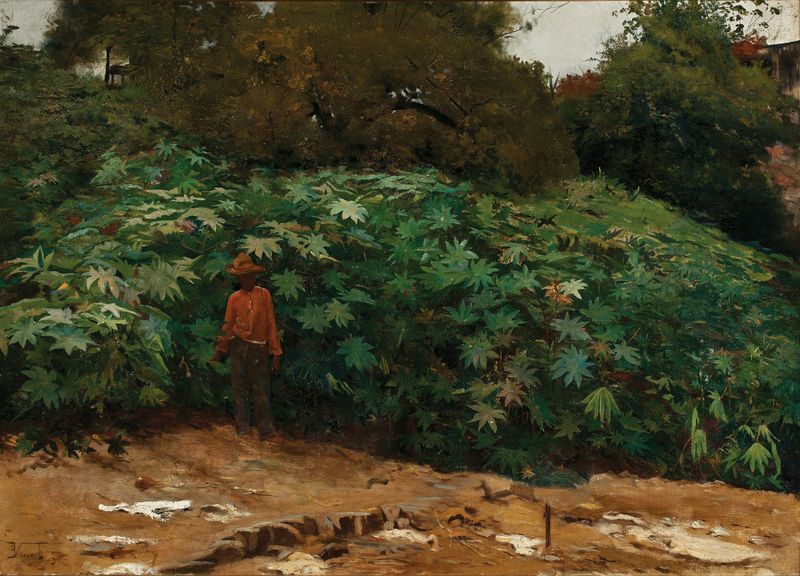
Mamoneiras – Morro de São Bento
Eliseu Visconti
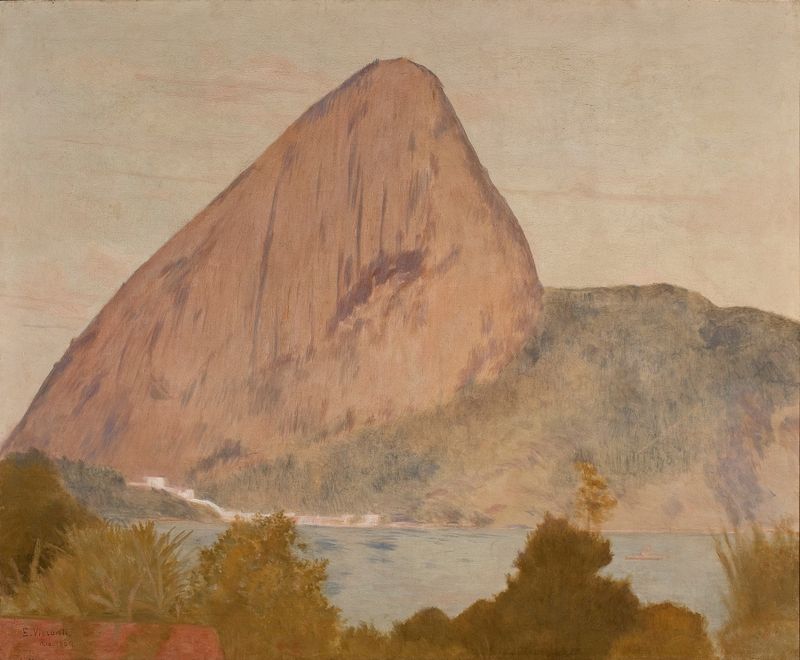
Marina com Pão de Açúcar
Eliseu Visconti

O batismo da boneca
Eliseu Visconti
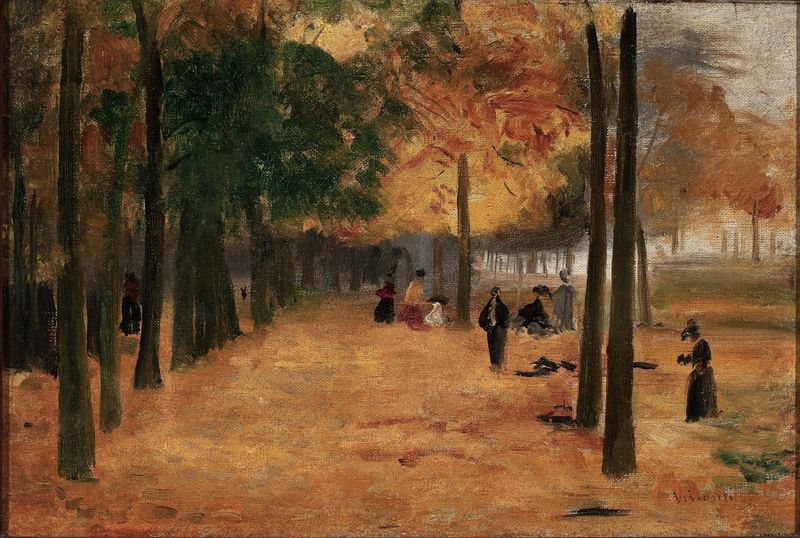
Canto de Luxemburgo (Outono)
Eliseu Visconti
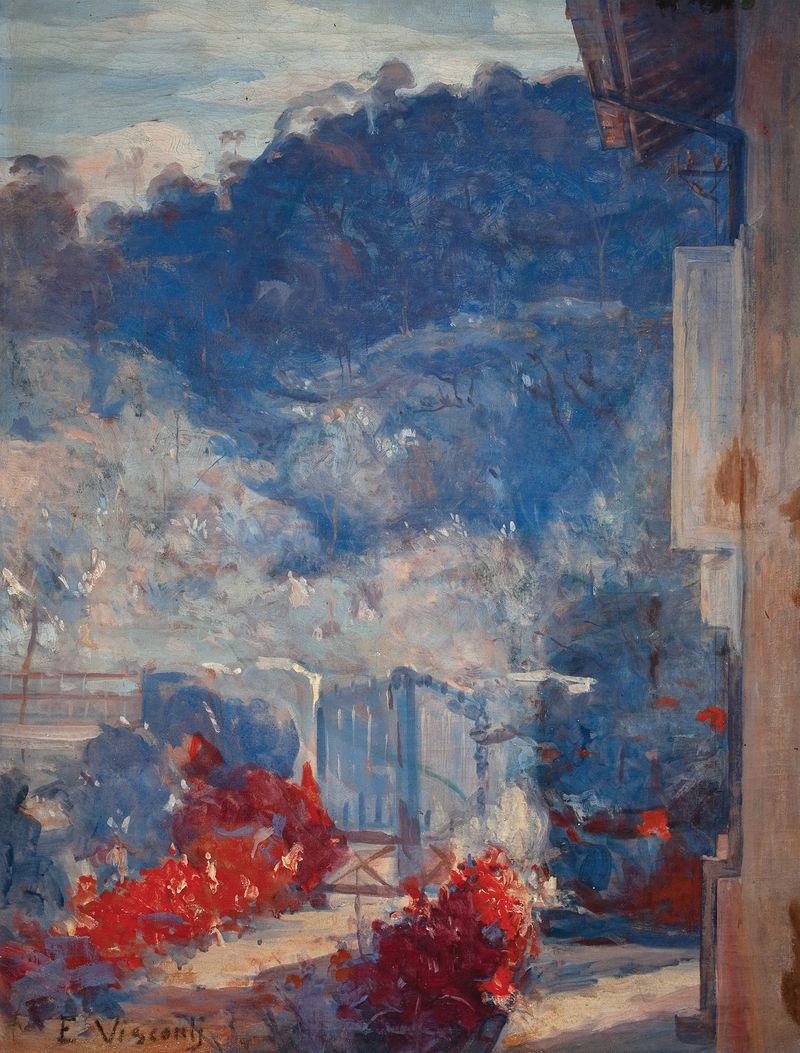
Raios de sol
Eliseu Visconti
Tarde em Saint Hubert
Eliseu Visconti

Efeito matinal
Eliseu Visconti
A Igrejinha (Copacabana)
Eliseu Visconti

A caminho da escola
Eliseu Visconti

Flores da rua
Eliseu Visconti





