Cassis — History & Facts
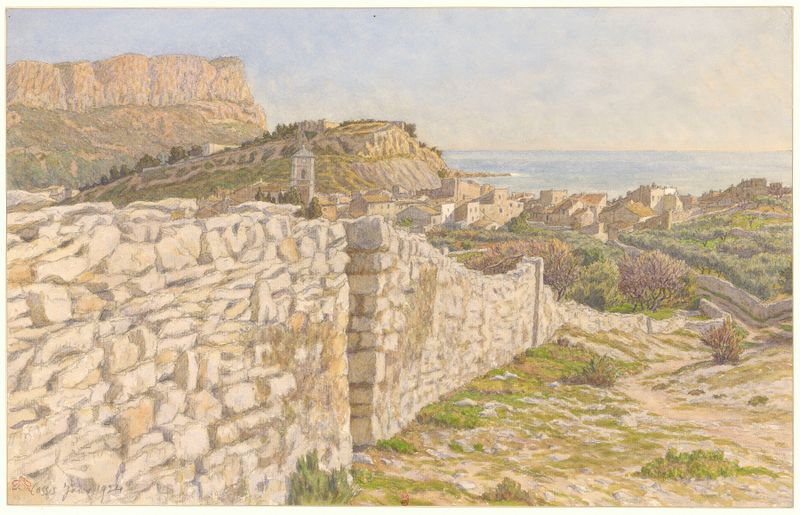
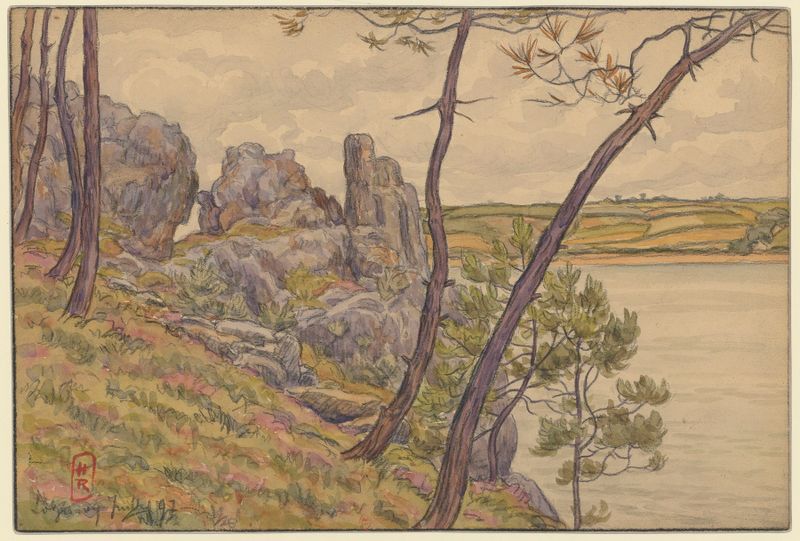
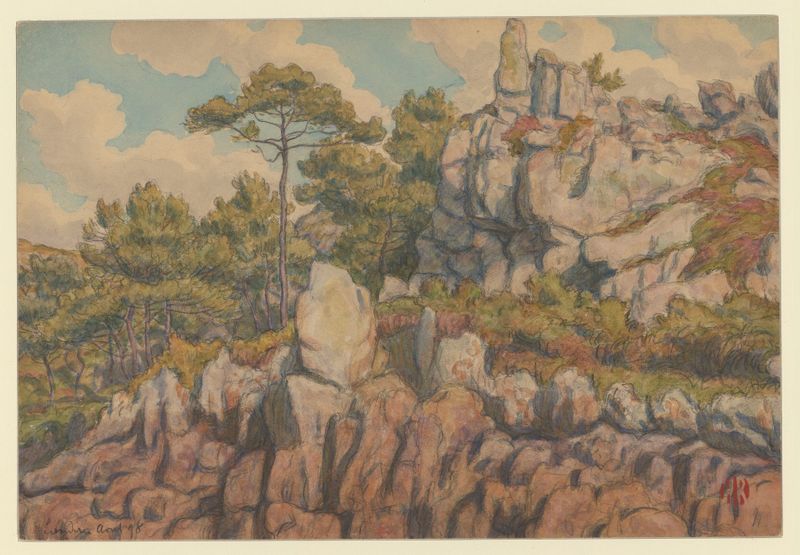
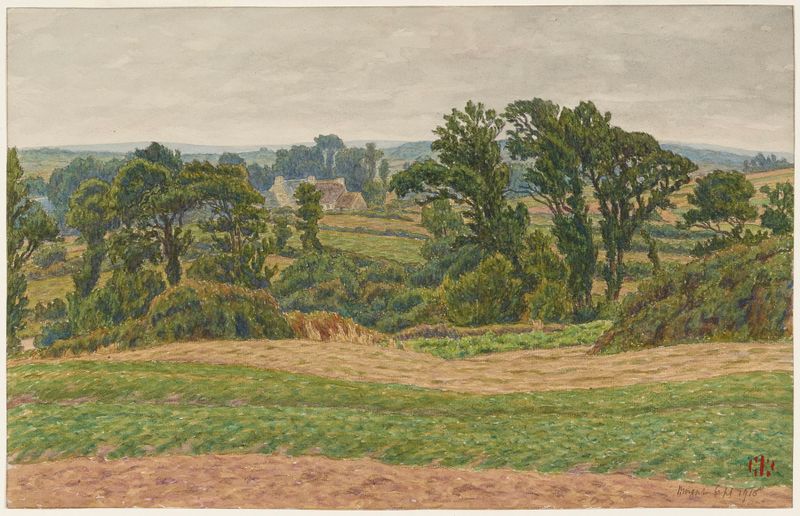
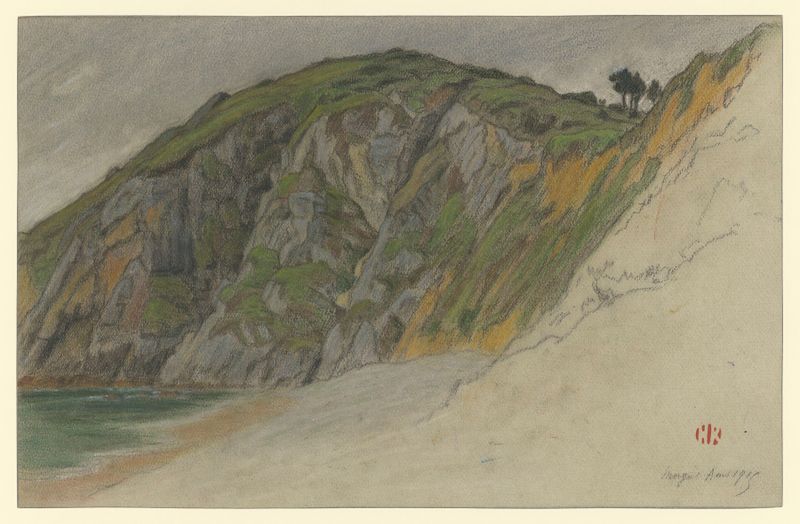
In the delicate interplay of color and form, hope is etched into the canvas, whispering tales of what once was and what could be. Look to the horizon, where cerulean skies melt into the gentle embrace of the sea, inviting the viewer into a serene yet vibrant world. Notice how the waves dance in rhythmic strokes, each one a layered trace of white and blue, harmonizing to create a sense of movement and life. The rocks to the left, rendered in earthy tones, anchor the scene, grounding it in reality while simultaneously evoking dreams that lie just beyond the shore. In Cassis, the contrast between the tranquil water and the rugged terrain suggests a dialogue between vulnerability and resilience.
The soft hues convey warmth, yet the jagged rocks hint at life's unpredictable nature. Each brushstroke is not merely a representation of the landscape; it embodies the artist’s emotional landscape, intertwining the beauty of hope with the starkness of reality, creating a profound tension that resonates throughout the piece. Henri Rivière painted Cassis in 1924 during a period of personal exploration and artistic maturation. Living in France, he was deeply influenced by the post-Impressionist movement, which celebrated color and emotion.
This painting reflects his journey towards a more abstract representation of nature and a desire to capture the essence of a moment, a sentiment shared by many artists of his time as they sought new expressions in a rapidly changing world.