
Castel San Niceto, Calabria — History & Facts
Can beauty exist without sorrow? In Edward Lear's Castel San Niceto, Calabria, we find a delicate balance between the divine and the melancholic, inviting us to reflect on the duality of existence. Look to the foreground, where the crumbling stones of the ancient castle emerge against a backdrop of lush greenery. Notice the vibrant hues of emerald and gold that swirl around the scene, as if nature is both embracing and reclaiming this man-made structure. The interplay of light casts soft shadows that dance across the weathered façade, hinting at the passage of time and the stories held within these walls.
Every brushstroke seems to echo a whisper of history, drawing the viewer into an intimate dialogue with the landscape. In this artwork, the contrast between the ruinous castle and the verdant surroundings speaks to the transient nature of beauty. Here, the castle symbolizes human ambition and the impermanence of creation, while the flourishing nature suggests resilience and continuity. The slant of light that illuminates the scene evokes a sense of divinity, as if the moment captured is both a celebration of life and a poignant reminder of decay.
There exists a quiet tension, suggesting that within every grandeur lies an underlying sorrow, a poignant reflection on the cycles of existence. Lear painted this work during his travels in Italy, likely inspired by the breathtaking landscapes and rich history surrounding him. The artist was known for his whimsical illustrations and poetry, but during this period, he was deeply immersed in the beauty of the Italian countryside, capturing its essence through a more serious lens. His experiences in this vibrant locale informed not only his artistic vision but also reflected broader trends of Romanticism, emphasizing the emotional connection between man and nature.
More Artworks by Edward Lear
Browse all →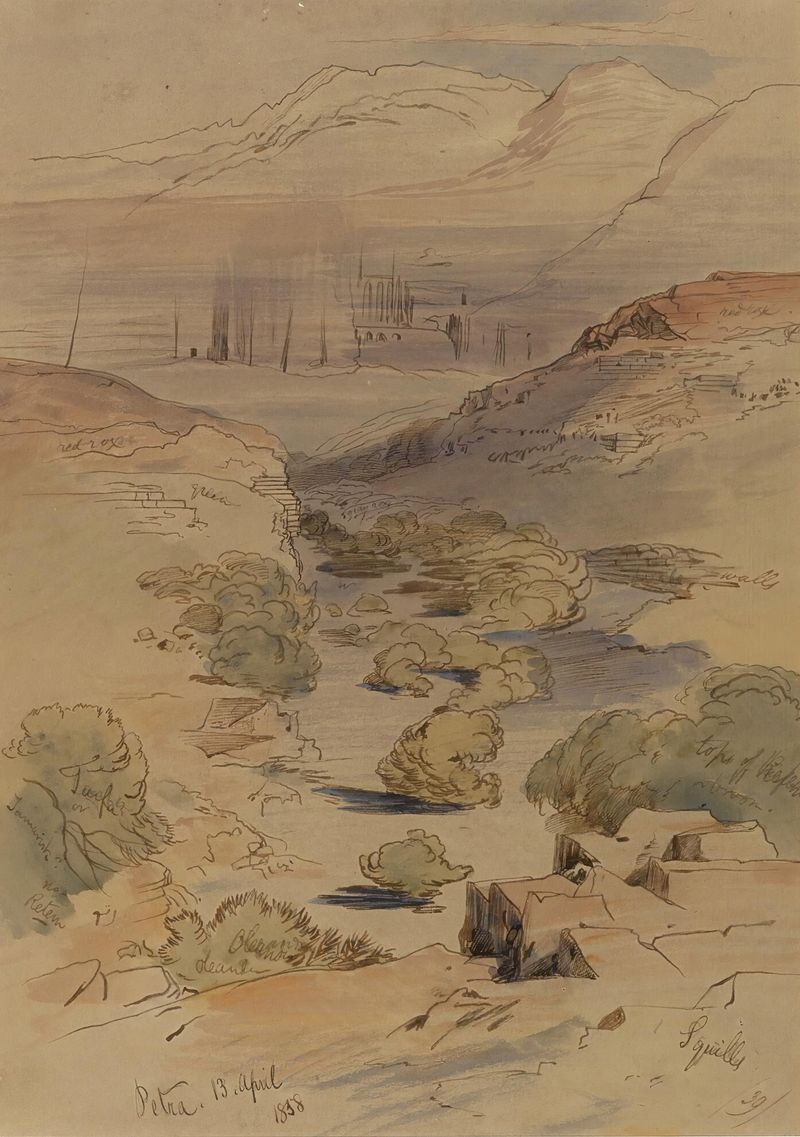
Petra
Edward Lear
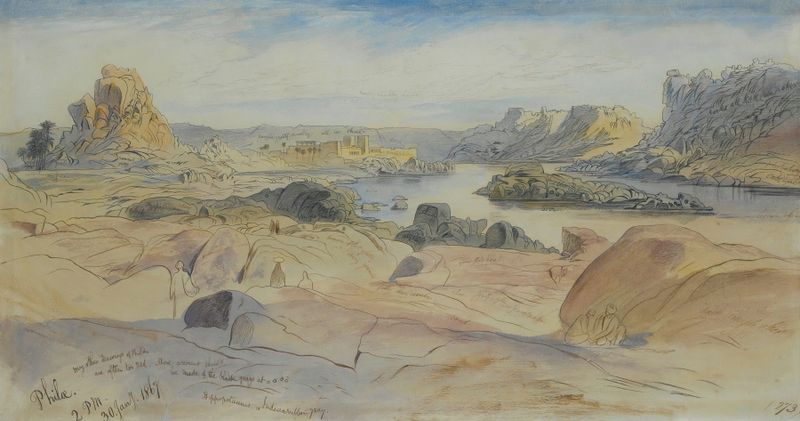
Philae, Egypt
Edward Lear
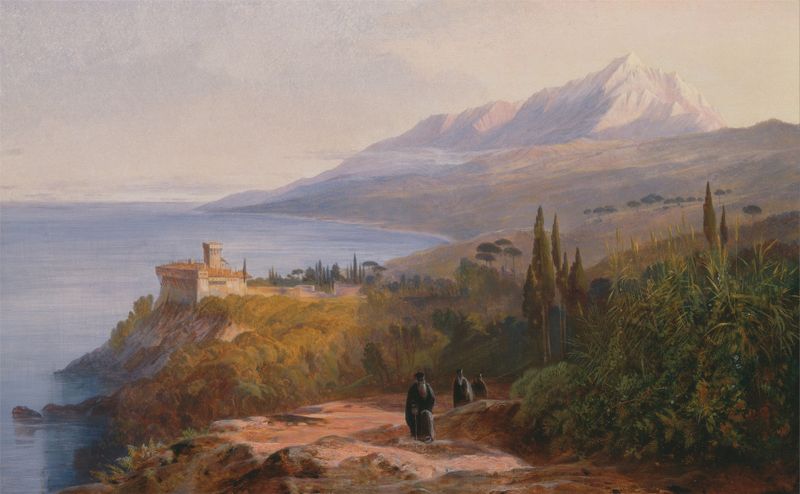
Mount Athos and the Monastery of Stavronikétes
Edward Lear
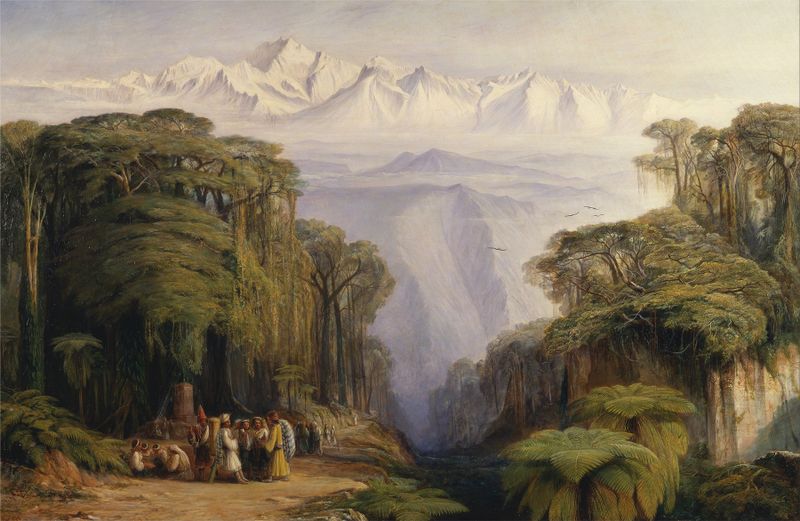
Kangchenjunga from Darjeeling
Edward Lear
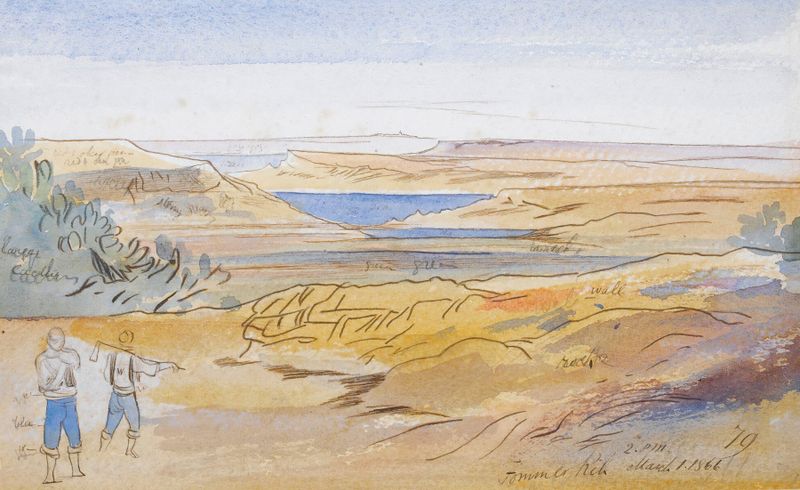
Fomm Ir-Rih, Malta
Edward Lear
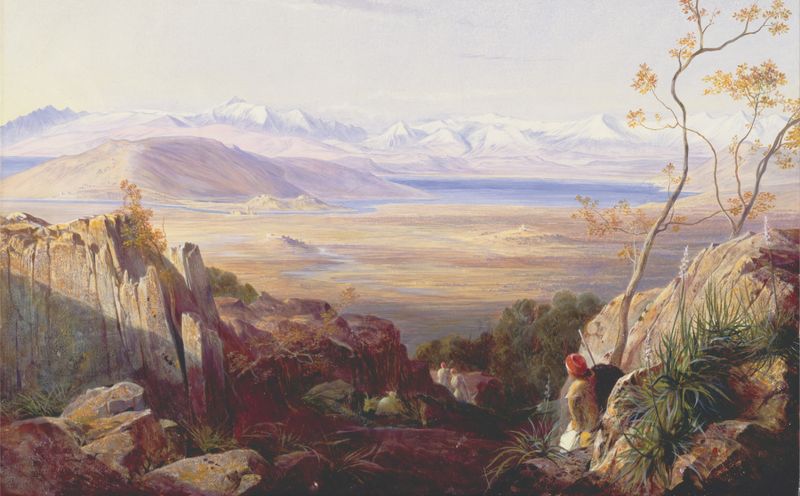
Butrinto, Albania
Edward Lear
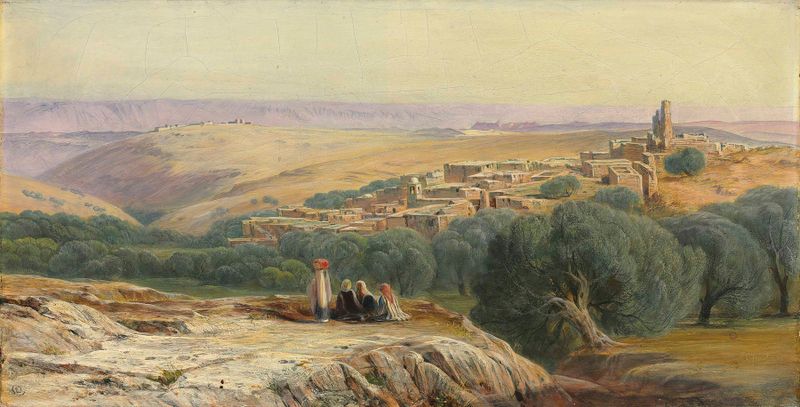
The Plains of Bethany
Edward Lear

Karnak, 9-30 pm, 22 January 1867
Edward Lear
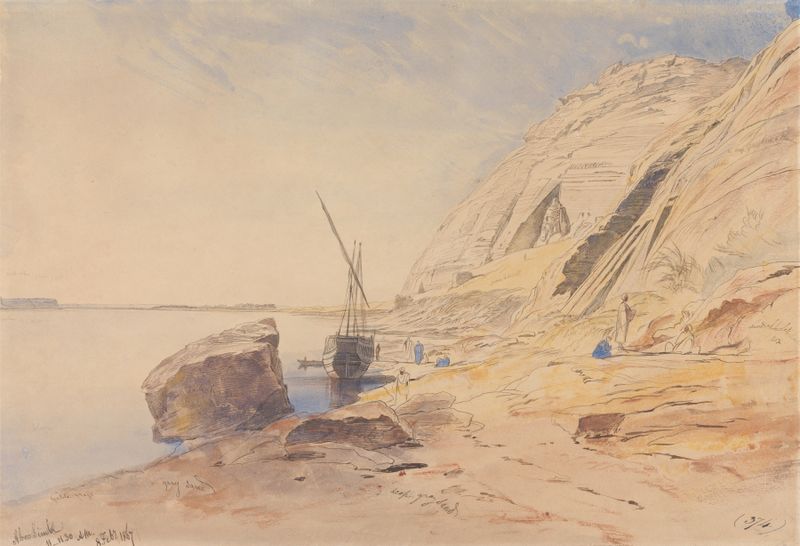
Abu Simbel, 11-11;30 am, 8 February 1867 (374)
Edward Lear

A View Of Mount Athos And The Pantokrator Monastery, Greece
Edward Lear





