
Castle of the Teutonic Order in Toruń — History & Facts
Can beauty exist without sorrow? The Castle of the Teutonic Order in Toruń stands majestically, a testament to fragility woven into its very stones. Look to the right at the intricate details of the castle's façade, where the warm hues of terracotta and ochre blend seamlessly with the cooler tones of surrounding greenery. Notice how the light, streaming through the trees, dances across the surface, creating a play of shadows that evokes both reverence and nostalgia. The composition invites the eye to traverse the crumbling walls, inviting contemplation on the passage of time and the stories held within its ancient architecture. Beneath the surface, the painting grapples with the duality of strength and decay.
The grandeur of the castle looms large, yet the muted colors whisper of its vulnerability and the history of conflict that shaped it. Each brick seems to tell a story of resilience overshadowed by the inevitability of erosion, mirroring the impermanence of all beauty. The fragility of the structure presents an emotional tension that resonates long after the viewer departs. In 1920, the artist found himself in Poland, amidst a nation wrestling with its own identity after World War I.
This period marked a resurgence of interest in historical themes, as artists began to reflect on their cultural heritage. Falat, deeply connected to his homeland, captured this blend of history and emotion within the canvas, responding to a world grappling with loss while yearning for beauty.
More Artworks by Julian Falat
Browse all →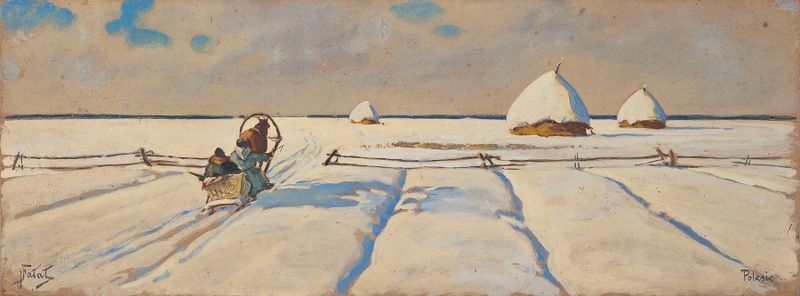
Sleigh in a snowy field – Polesia
Julian Falat
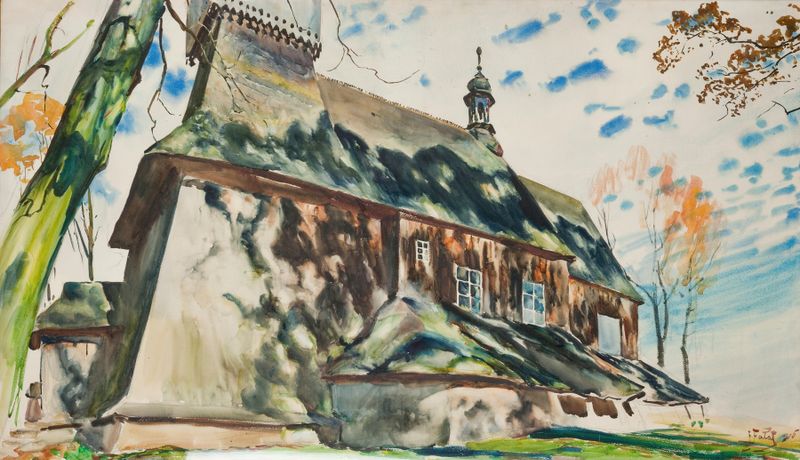
Church in Osiek
Julian Falat
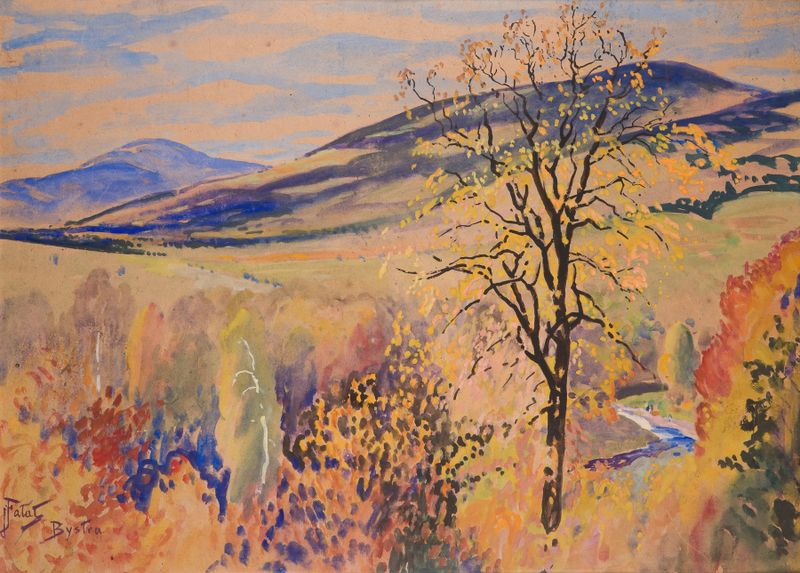
Pejzaż jesienny z Bystrej
Julian Falat
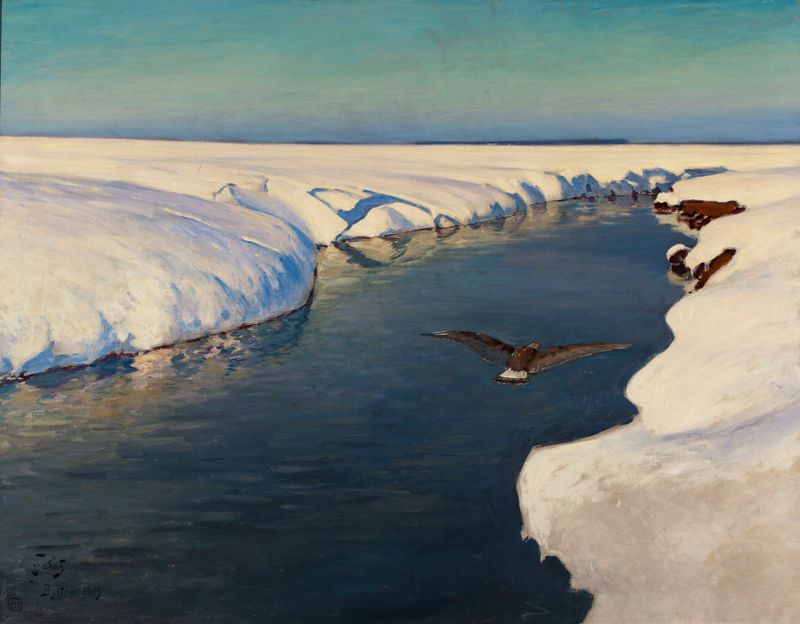
Winter landscape with a river and a bird
Julian Falat
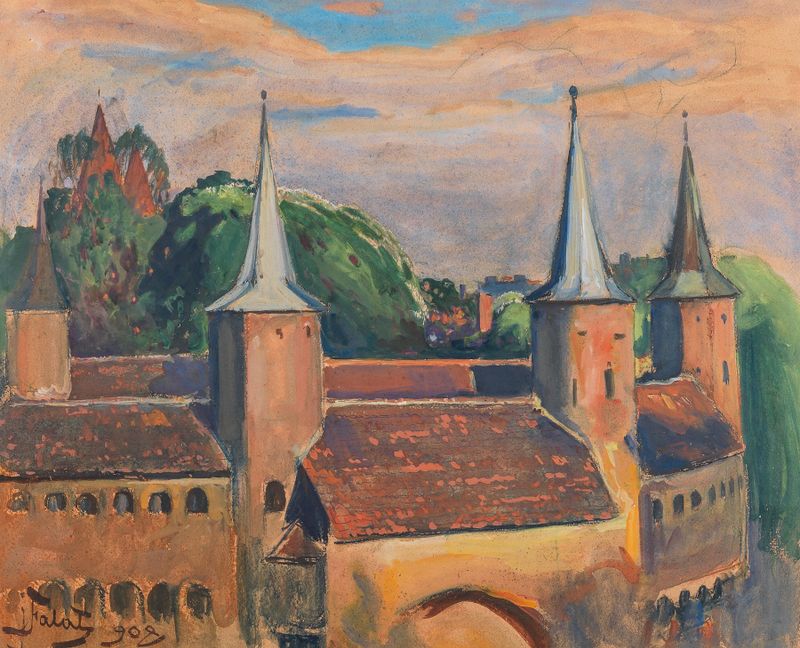
The Kraków Barbican
Julian Falat
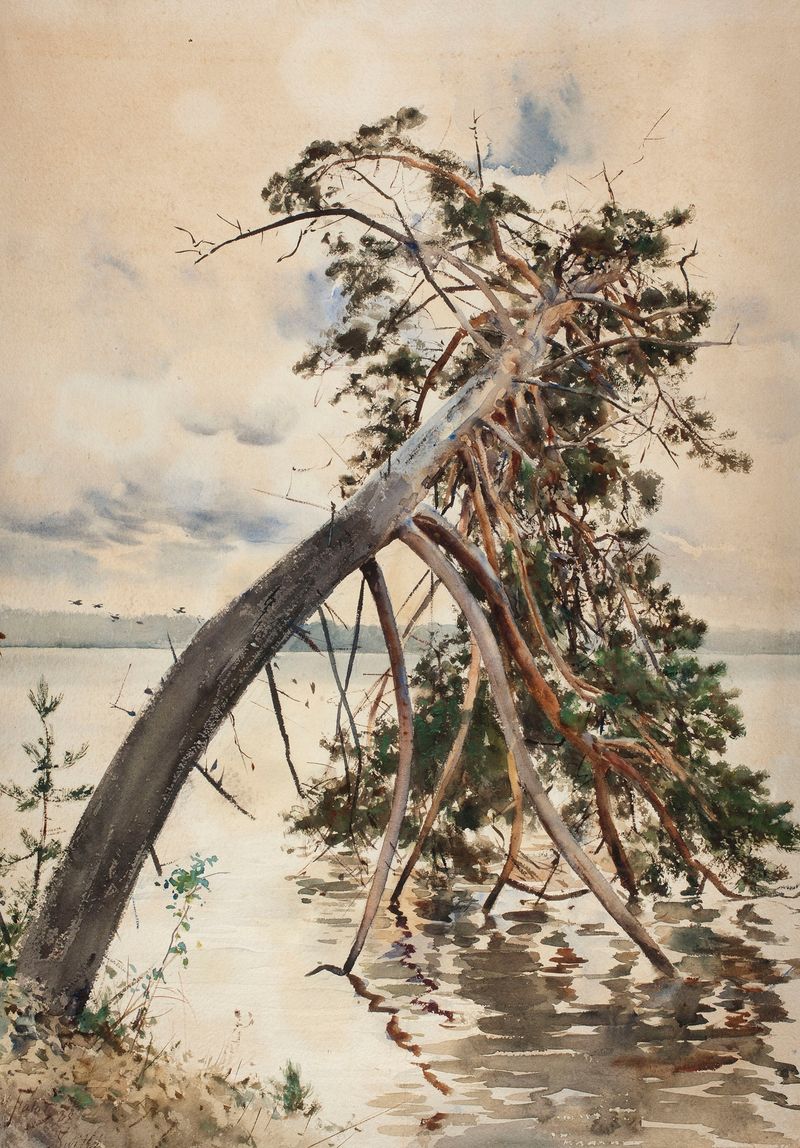
Świteź
Julian Falat
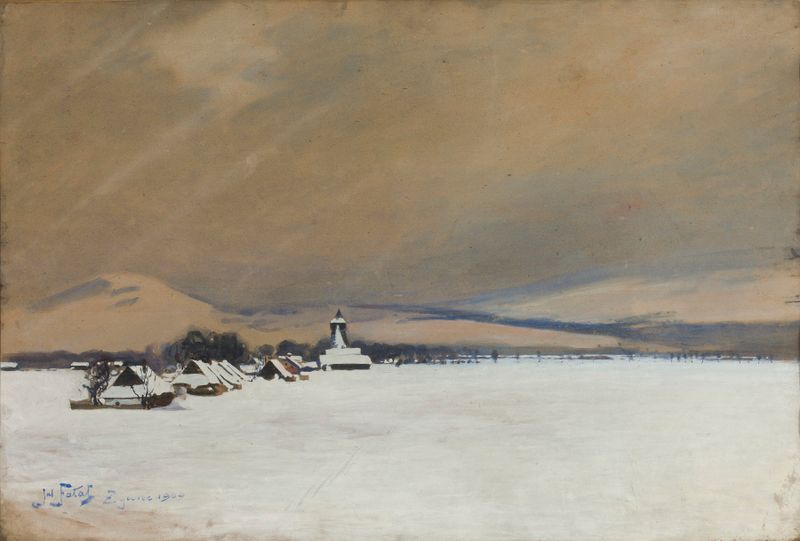
Winter landscape from Żywiec
Julian Falat
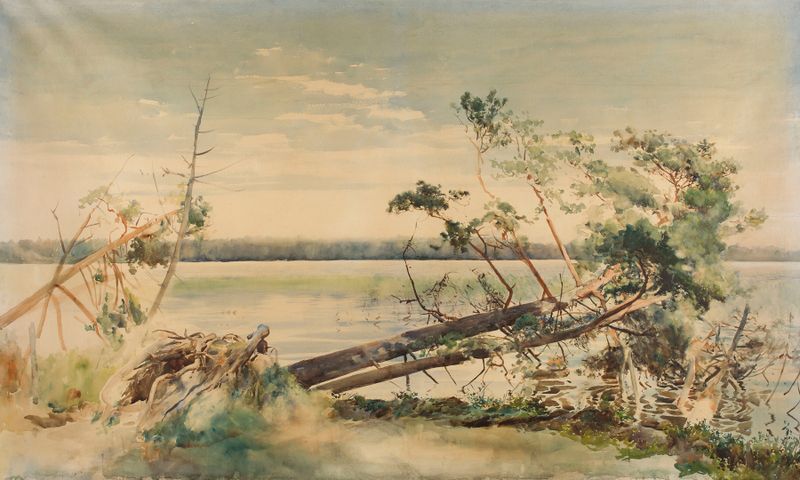
Świteź
Julian Falat
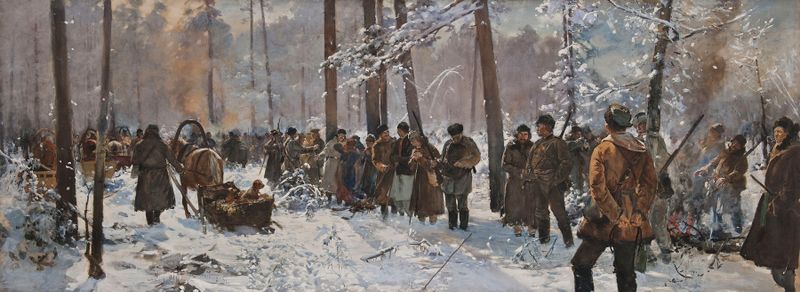
Battue at a hunt in Nieśwież
Julian Falat
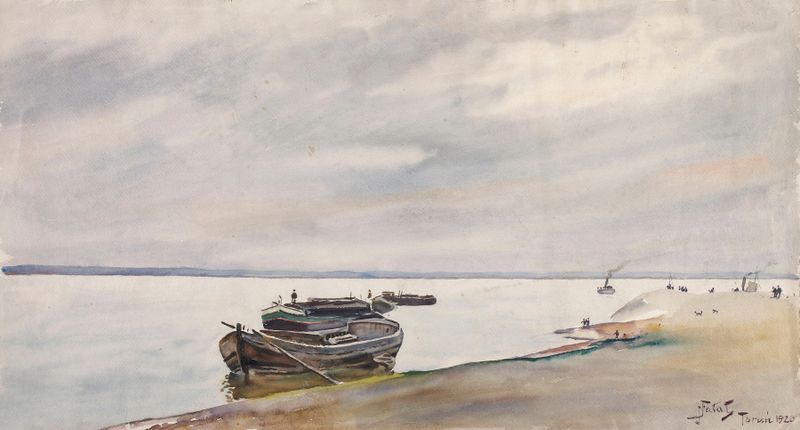
Boats and steamship on the Vistula near Toruń
Julian Falat
More Architecture Art
Browse all →
The statue of Liberty
Frédéric Auguste Bartholdi

View of Houses in Delft, Known as ‘The Little Street’
Johannes Vermeer

View of Houses in Delft, Known as ‘The Little Street’
Johannes Vermeer

The Cathedral in Rouen. The portal, Grey Weather
Claude Monet

The yellow house
Vincent van Gogh

The Church in Auvers-sur-Oise, View from the Chevet
Vincent van Gogh