Castro House — History & Facts
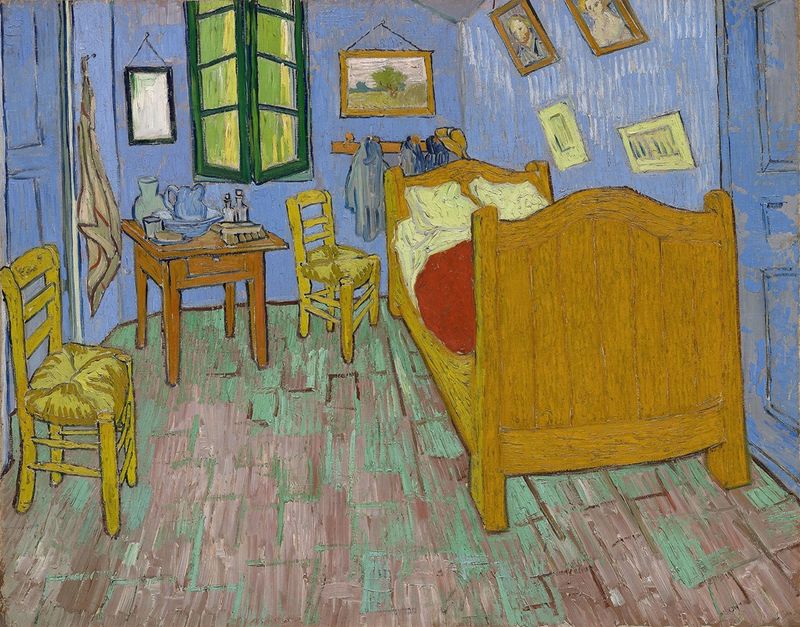
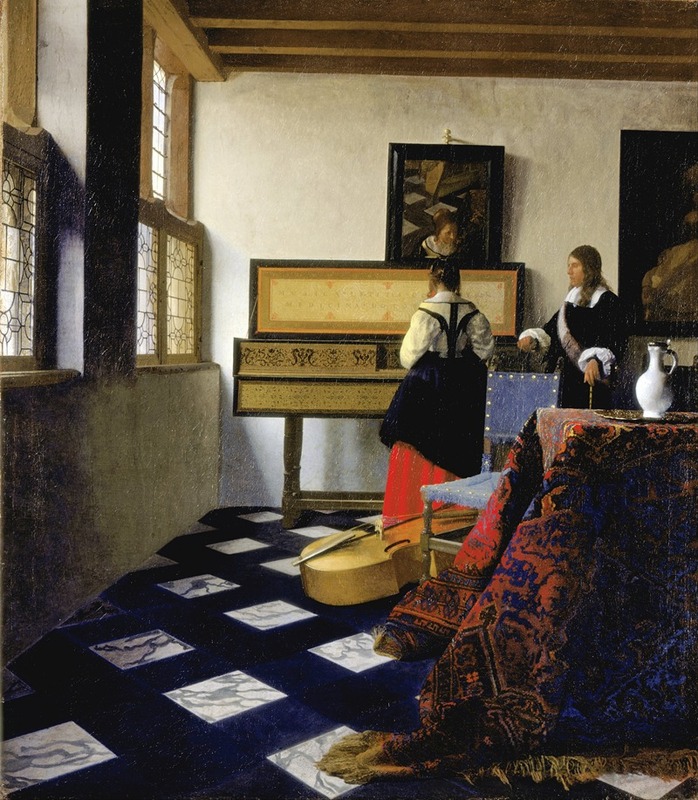
What if silence could speak through light? In the stillness of an empty room, the soft glow of afternoon sun spills through the window, illuminating dust motes that dance in the air, each one a fragment of forgotten dreams and lingering longing. Focus on the interplay of light and shadow in Castro House. The warmth of golden hues contrasts with the cool, muted tones of the surrounding walls, inviting the viewer to explore the depth of the space. Look to the left, where the stark lines of the furniture create a sense of structure, yet evoke an underlying sense of abandonment.
Notice how the carefully rendered textures of the wood grain and fabric breathe life into the silence; they tell a story of once-vibrant moments now faded into memory. Within this calm, one can sense the tension between the presence of the objects and the absence of life. The empty chairs and unadorned surfaces seem to echo with unspoken words, igniting a yearning for connection. Each detail, from the play of light across the floor to the shadows that stretch like fingers, creates a dialogue between the seen and unseen, evoking deep emotional resonance.
This subtle interplay speaks to a universal sense of nostalgia and the bittersweet beauty of what remains behind. In 1920, while creating Castro House, Haskell was immersed in the evolving American art scene, influenced by the burgeoning interest in modernism and a shift towards capturing everyday life. This period saw a blend of traditional techniques with emerging styles, reflecting the artist's own journey through personal and societal changes. Haskell's ability to evoke emotion through stillness is a testament to his keen observation of the world around him during a time of transformation.
More Artworks by Ernest Haskell
Browse all →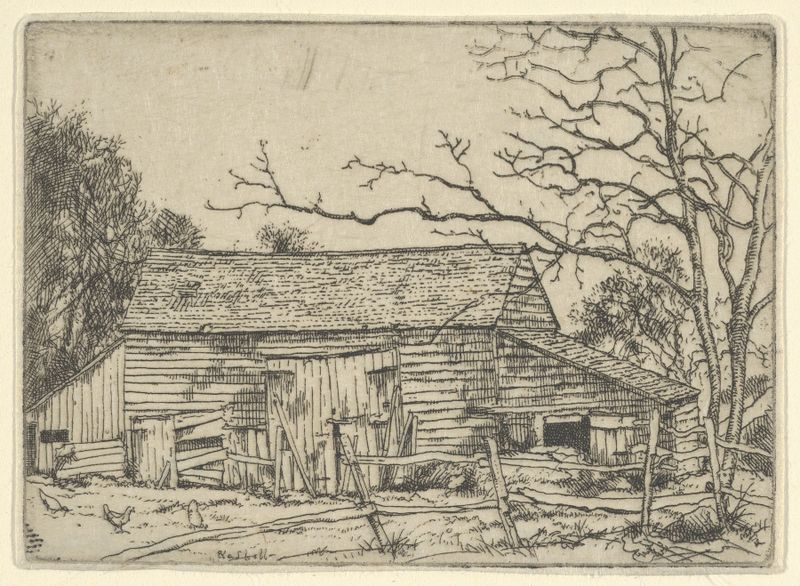
The Barn–Staten Island, N.Y.
Ernest Haskell

Four Live Oaks
Ernest Haskell
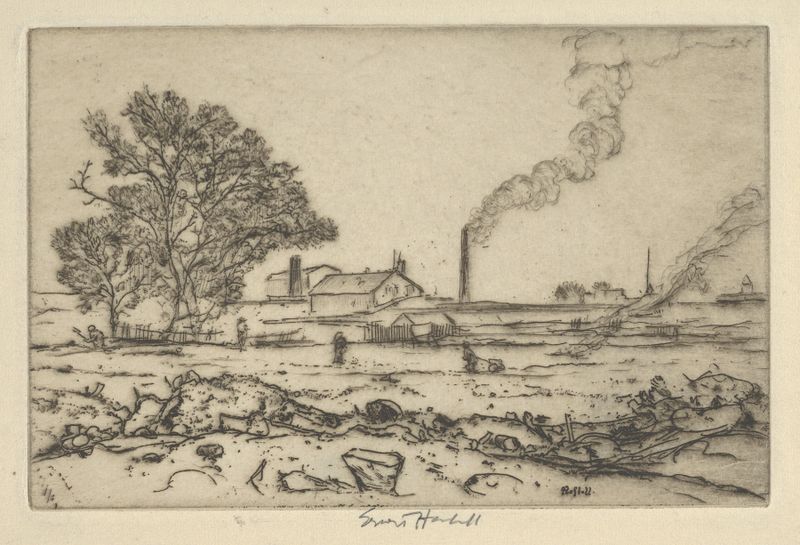
Outskirts of Boston
Ernest Haskell
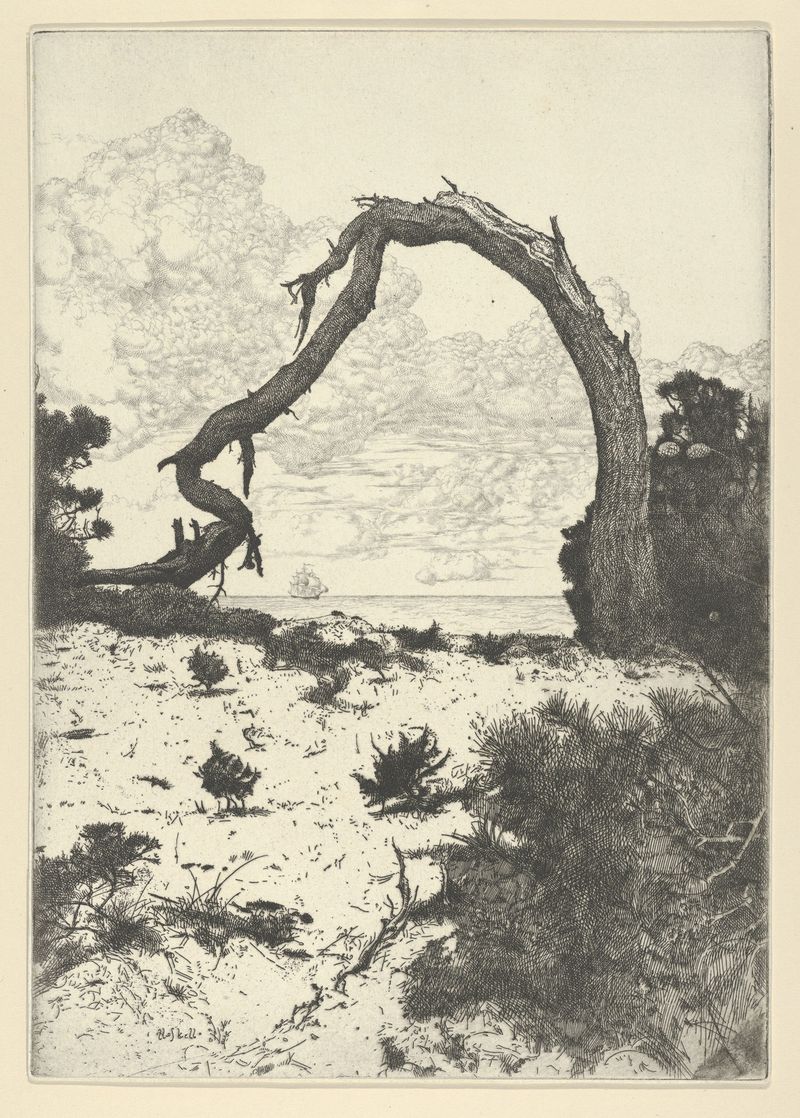
Pine Arch
Ernest Haskell

General Sherman
Ernest Haskell
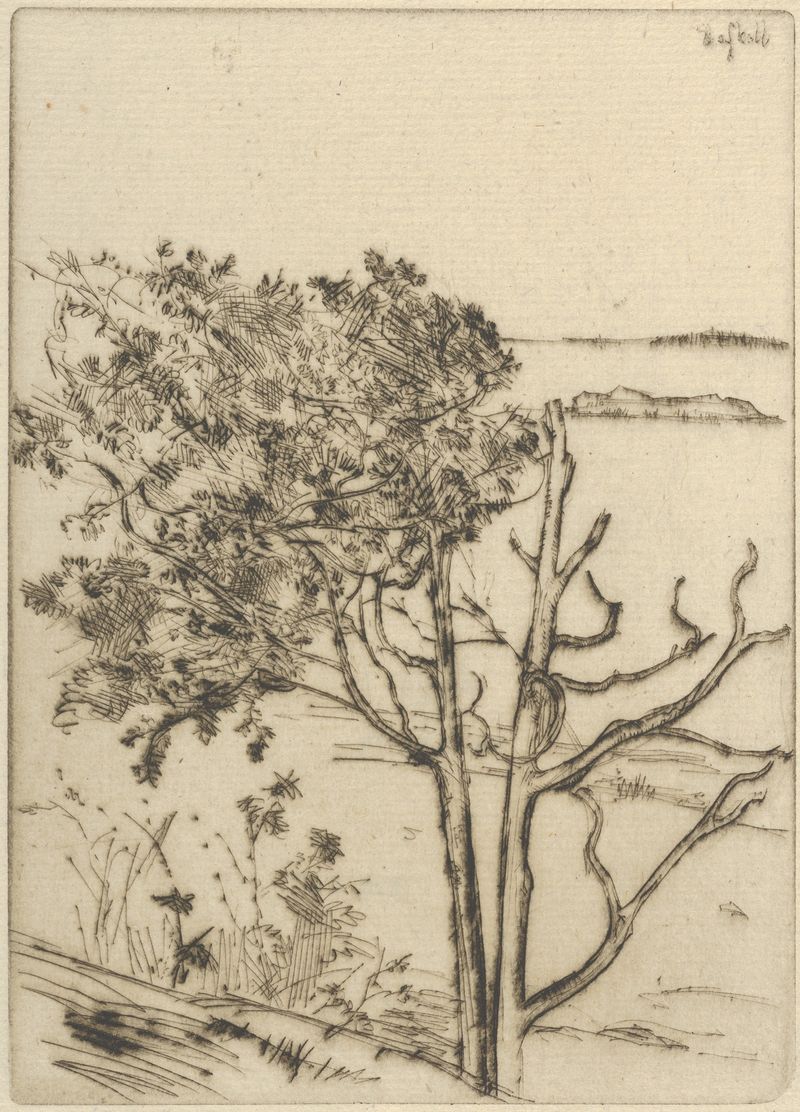
Ragged Tree – Maine
Ernest Haskell

Tide Mill
Ernest Haskell

Ship Building
Ernest Haskell
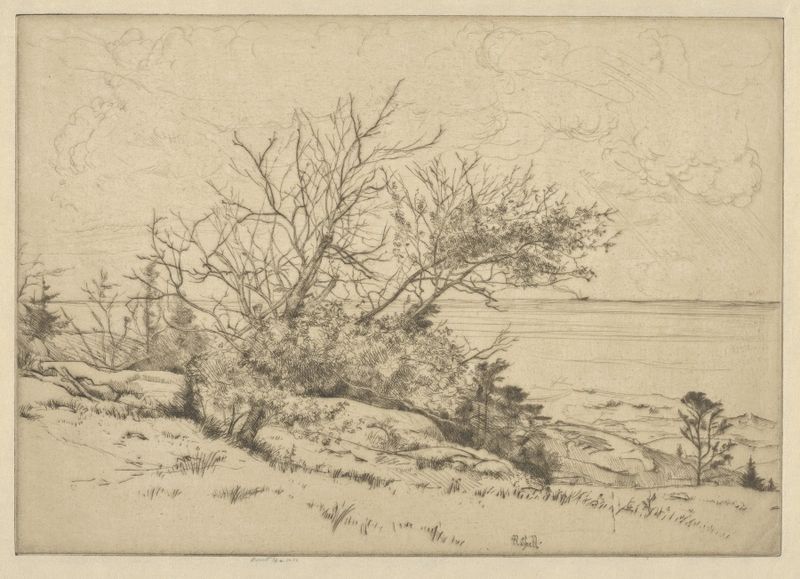
To the Southward – Ragged Island, Me.
Ernest Haskell
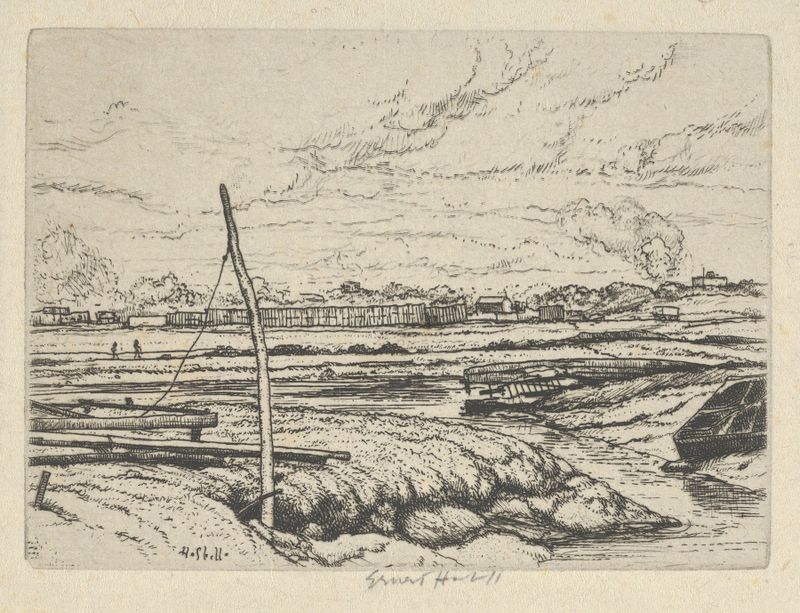
Long Island Marshes
Ernest Haskell