
Catania and Mount Etna — History & Facts
In a world brimming with unpredictability, there lies a glimmer of hope that transcends the tumultuous. Focus on the tranquil interplay between the vibrant greens and the soft blues that stretch across the canvas. Notice how the foreground invites you in with its lush vegetation, while Mount Etna looms majestically in the distance, a titan of raw power. The delicate brushwork creates a rhythmic fluidity, guiding your gaze upwards to the horizon where the sunlight bathes the landscape in a golden embrace, suggesting the promise of renewal. Hidden within the contrasts of this piece lie deeper narratives.
The looming presence of the volcano speaks to the dual nature of creation and destruction, an eternal dance that resonates with humanity's own struggles. The verdant foliage represents life and resilience, standing defiantly against the backdrop of a powerful force—an emblem of hope amid uncertainties. Each stroke encapsulates the delicate balance between nature’s beauty and its potential wrath. Lear painted this work in 1847 while traveling in Italy, a formative period marked by his exploration of landscapes that would later shape his artistic voice.
It was a time when the Romantic movement was in full bloom, urging artists to delve into nature's emotions. This piece reflects the artist’s fascination with the story of a land that was both nurturing and fierce, capturing a moment where beauty and danger coexist harmoniously.
More Artworks by Edward Lear
Browse all →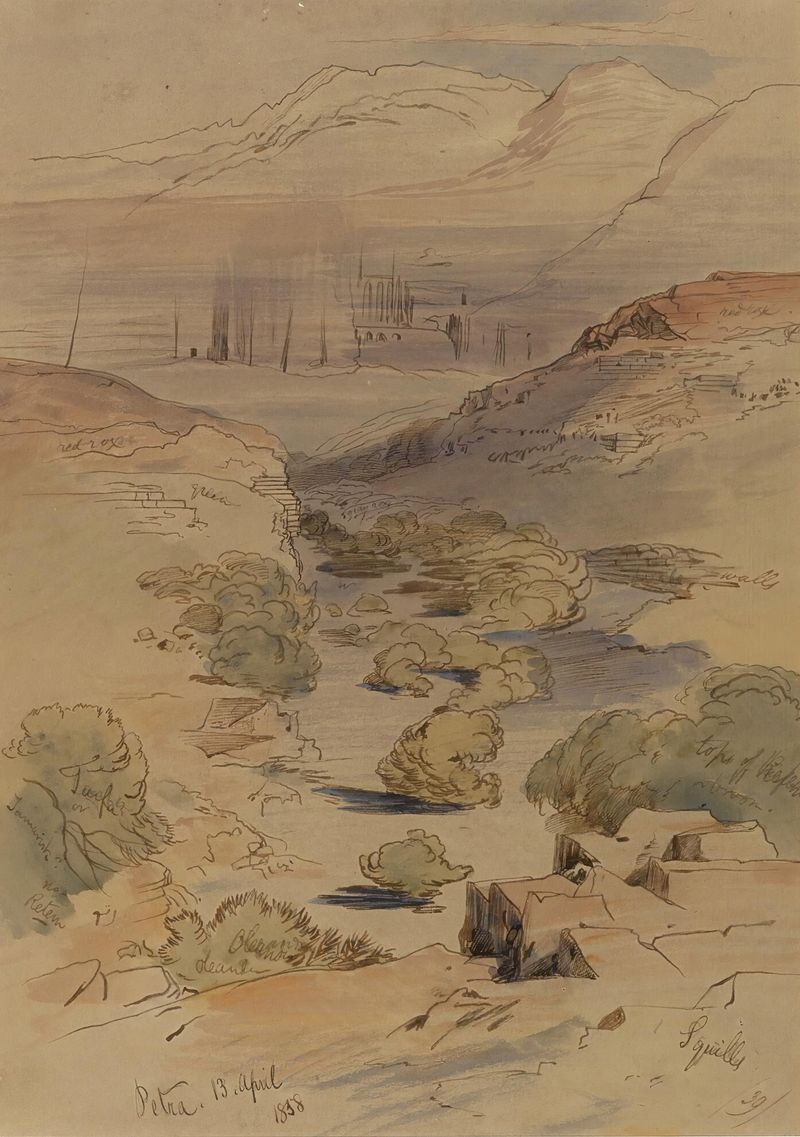
Petra
Edward Lear
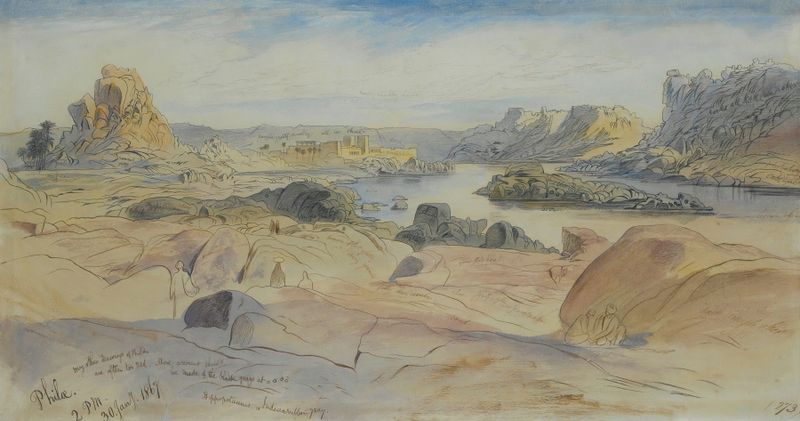
Philae, Egypt
Edward Lear
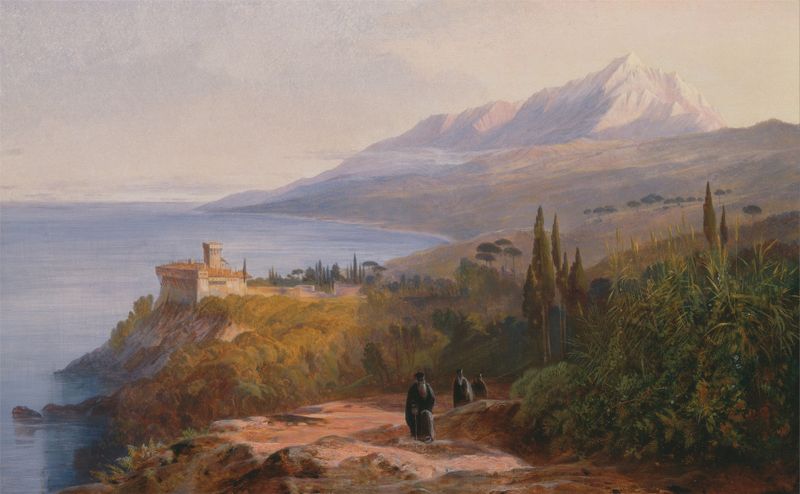
Mount Athos and the Monastery of Stavronikétes
Edward Lear
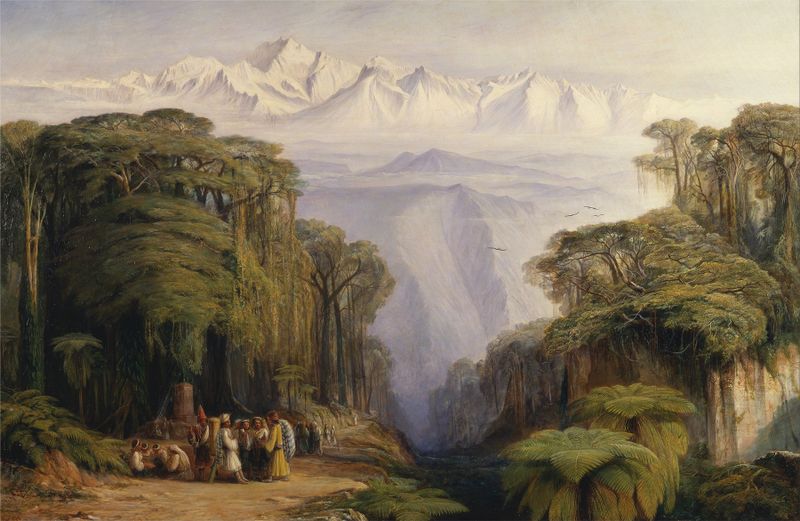
Kangchenjunga from Darjeeling
Edward Lear
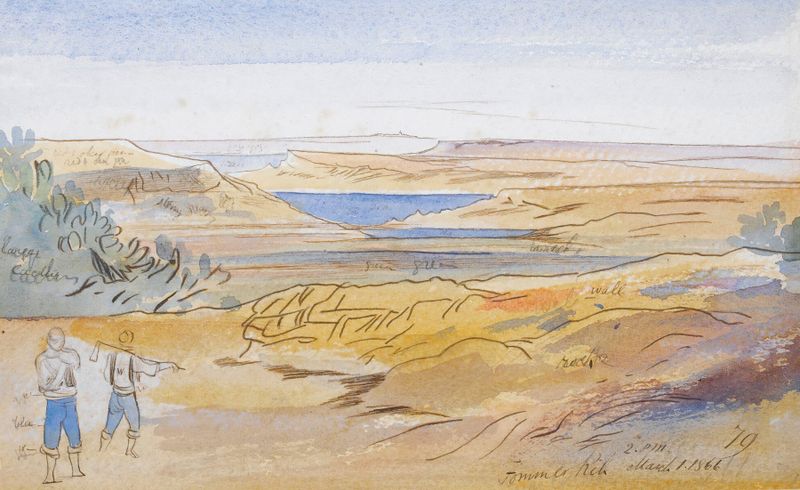
Fomm Ir-Rih, Malta
Edward Lear
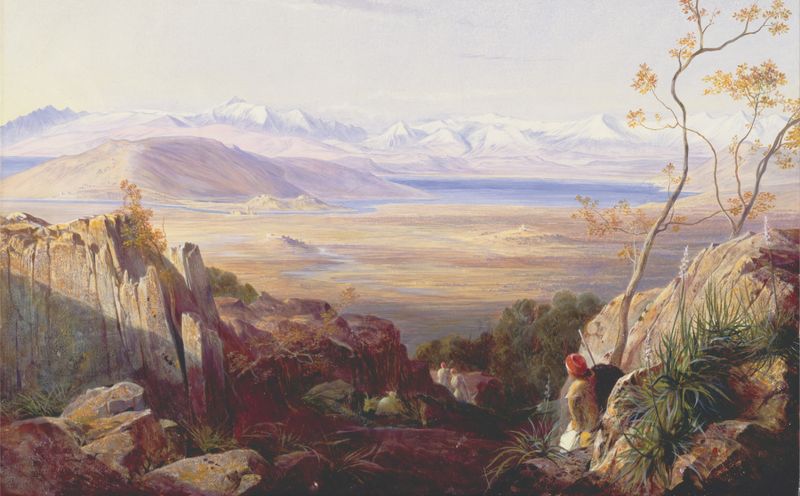
Butrinto, Albania
Edward Lear
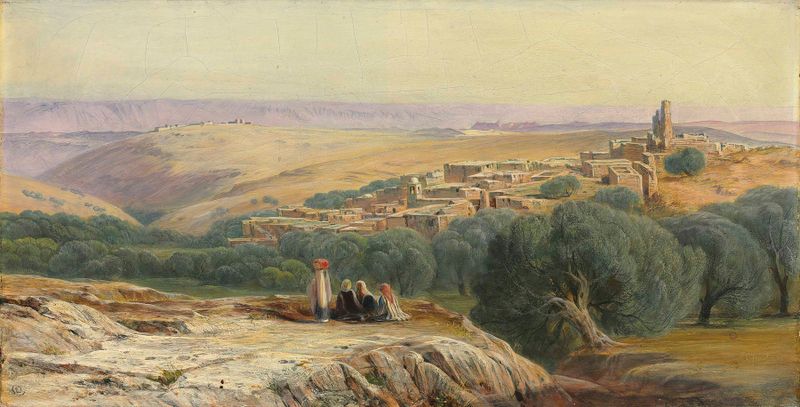
The Plains of Bethany
Edward Lear

Karnak, 9-30 pm, 22 January 1867
Edward Lear
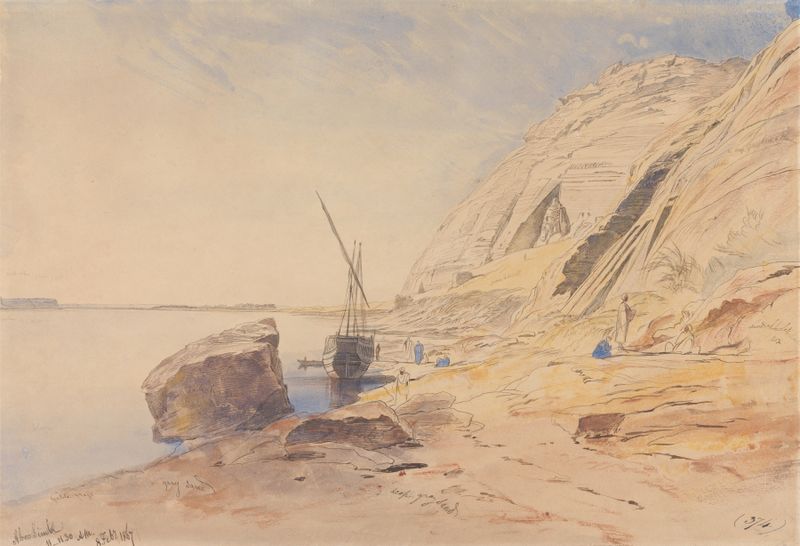
Abu Simbel, 11-11;30 am, 8 February 1867 (374)
Edward Lear

A View Of Mount Athos And The Pantokrator Monastery, Greece
Edward Lear





