
Catechisating in a Norwegian country Church — History & Facts
A shaft of northern light falls across the worn floorboards, drawing the eye to the central figure: an elderly man, book in hand, surrounded by a ring of children and villagers. It is not the grandeur of the church interior that commands attention, but the subtle choreography of glances, postures, and hands—some folded, some restless, some clutching hymnals or bonnets. The children’s faces reveal a spectrum of feeling: anticipation, shyness, distraction, even fatigue.
In the shadows, elders look on, their expressions unreadable, while a young girl in white bows her head, her gaze fixed on the floor, as if weighed by the seriousness of the moment. The painter’s palette is sober, the light carefully rationed, focusing all drama on the gathering at the heart of rural life. Painted in 1847 by Adolph Tidemand, this scene belongs to a world where the church was not only a place of worship, but the anchor of community and tradition in rural Norway. Such catechism gatherings—moments of instruction and examination—were central to Lutheran practice and to the rhythms of village life.
In the mid-nineteenth century, artists like Tidemand turned to these everyday rituals, capturing the dignity and gravity of ordinary people in their native settings. History has kept few traces of individual catechisms, but works like this, now preserved in the DigitaltMuseum collection, invite us to step into the hush and expectancy of a Norwegian country church, and to imagine the stories behind each face in the painted crowd.
More Artworks by Adolph Tidemand

Bridal Procession on the Hardangerfjord
Adolph Tidemand
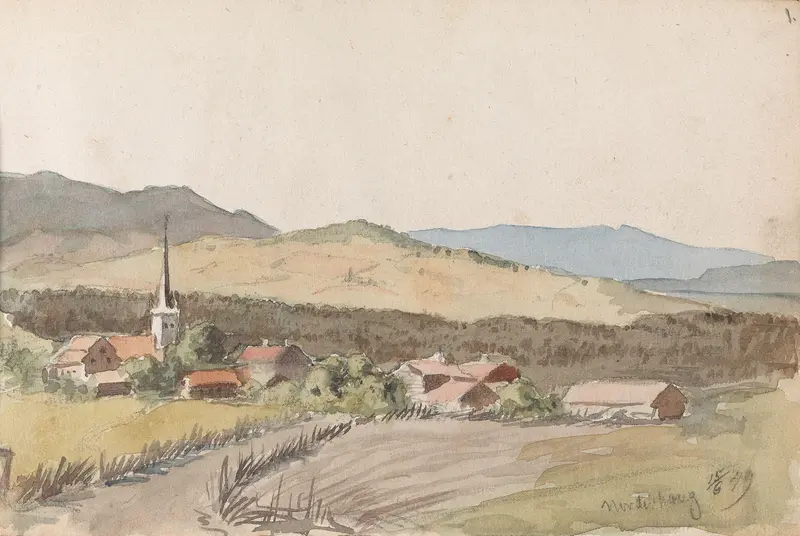
Fra Haugsbygd
Adolph Tidemand
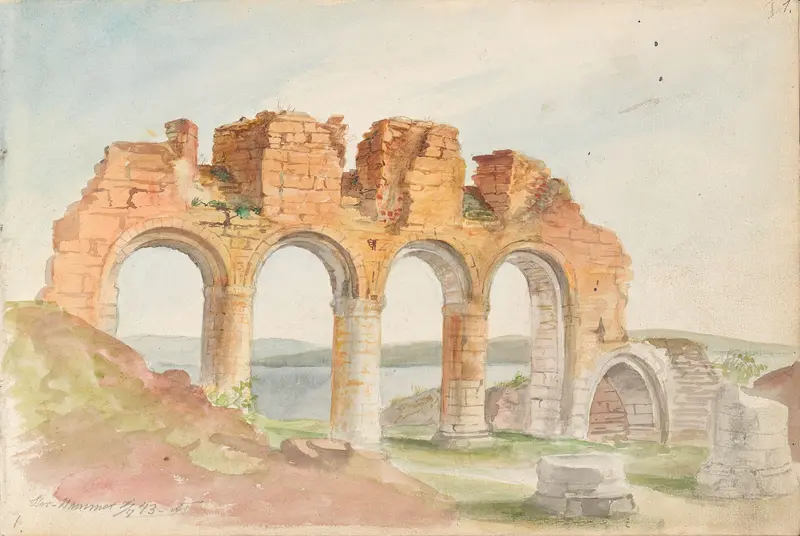
Domkirkeruinen, Hamar
Adolph Tidemand
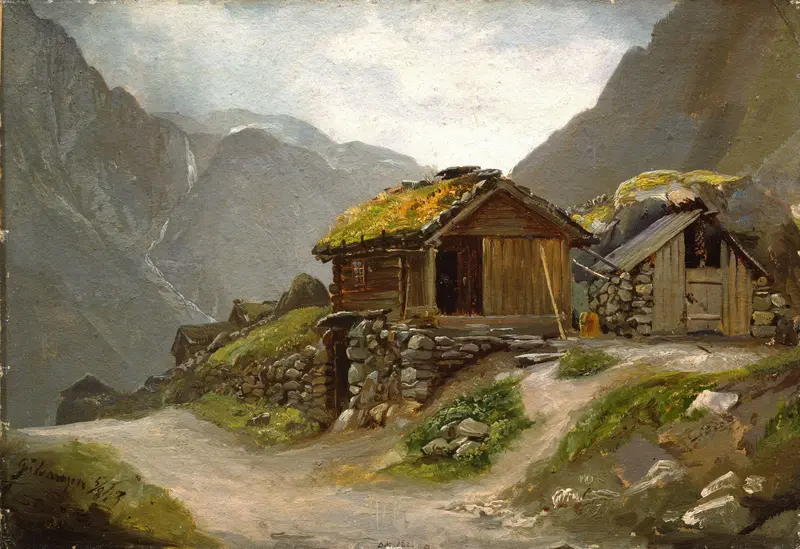
View from Gudvangen
Adolph Tidemand
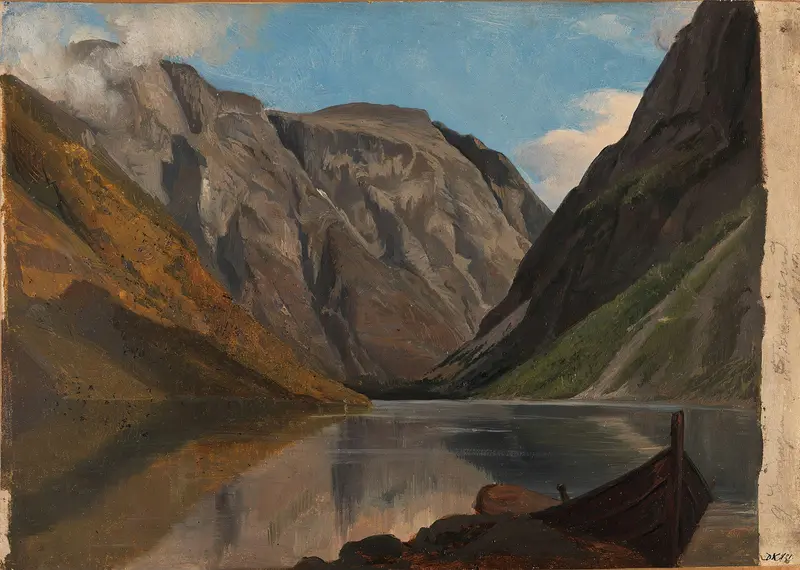
View of Gudvangen
Adolph Tidemand
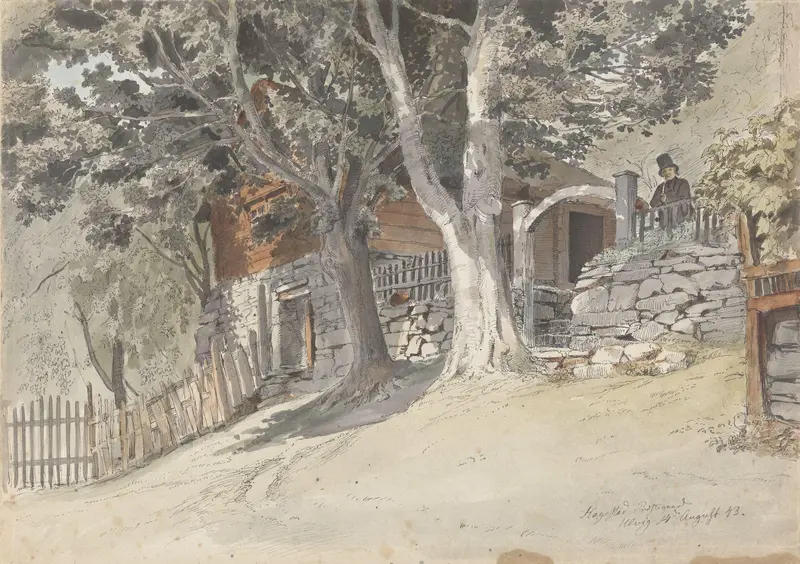
Hagestad prestegård, Ulvik i Hardanger
Adolph Tidemand
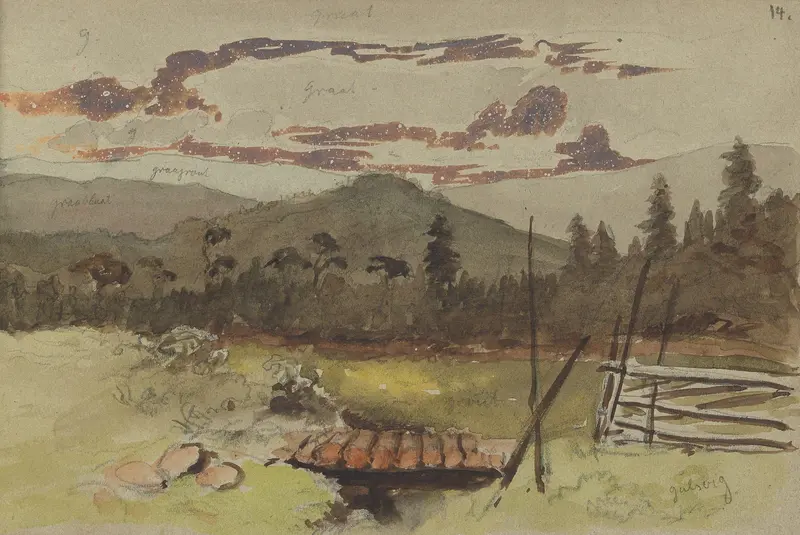
Fra Gulsvik
Adolph Tidemand
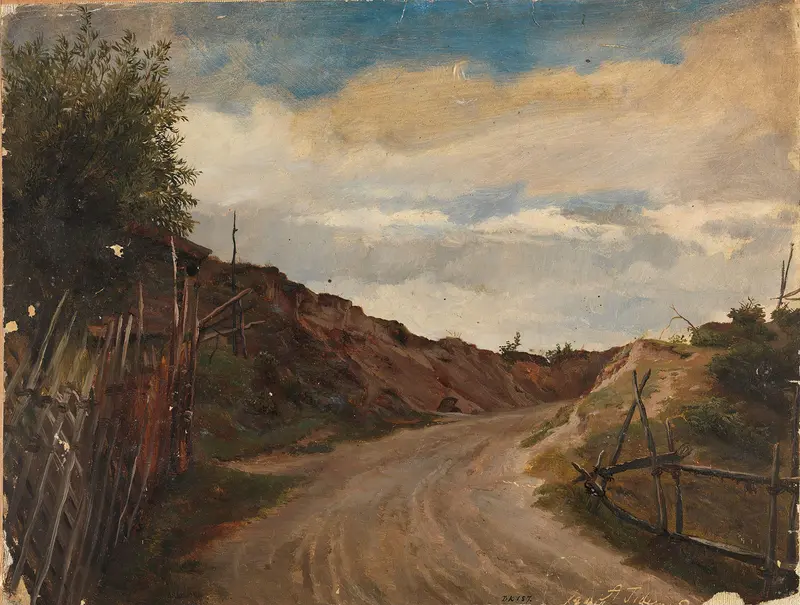
Country Road
Adolph Tidemand
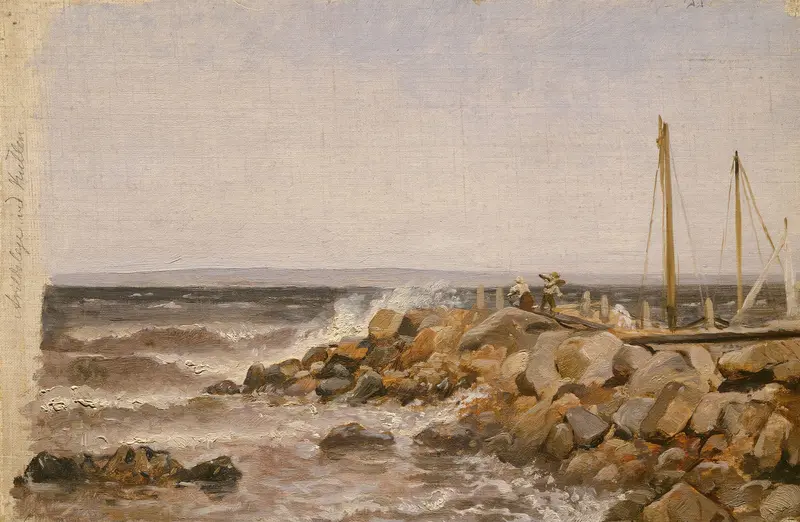
From Kullen in Sweden
Adolph Tidemand
Untitled
Adolph Tidemand
More Genre Scene Art

Banquet of the Officers of the St George Civic Guard
Frans Hals

Rembrandt and Saskia in the Scene of the Prodigal Son
Rembrandt van Rijn

Bal du moulin de la Galette
Pierre-Auguste Renoir

Quadrille at the Moulin Rouge
Henri de Toulouse-Lautrec

A Burial at Ornans
Gustave Courbet

When Will You Marry?
Paul Gauguin