
Cathedral at Tortosa — History & Facts
In a world ever shifting, the act of creation becomes a defiant whisper against oblivion. Look to the left at the grand facade of the cathedral, its intricate detailing rising majestically against a vibrant backdrop of sky. Notice how the warm hues blend seamlessly into the cooler tones of the stonework, creating a palpable sense of unity between the structure and its surroundings. The brushstrokes breathe life into the scene, inviting the viewer to contemplate the figures that seem to pause in reverence at the entrance, their silent gestures echoing the solemnity of faith and history. As you delve deeper, observe the juxtaposition of light and shadow.
The sunlit areas illuminate the ornate carvings, symbolizing hope and enlightenment, while the darker sections evoke a sense of mystery and the passage of time. This duality reflects the artist's understanding of life’s fragile balance—between brilliance and obscurity, presence and absence. Each element within the composition tells a story, a reminder of the layers of existence that envelop sacred spaces. During 1810, the artist created this work amidst the tumult of early 19th-century Europe, marked by political upheaval and shifting artistic paradigms.
Mayer, who had traveled widely, was amidst a phase of exploration and observation, capturing the essence of architectural marvels in stunning detail. His experiences during this turbulent time informed his artistic vision, blending the seen and the felt in a way that speaks to the timelessness of human experience.
More Artworks by Luigi Mayer
Browse all →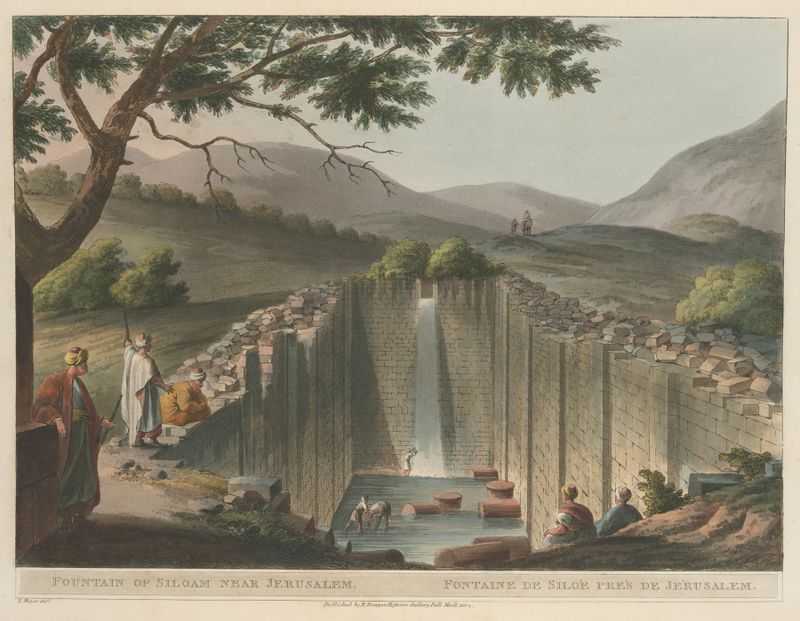
Fountain of Siloam Near Jerusalem
Luigi Mayer

View of the Dardanelles
Luigi Mayer
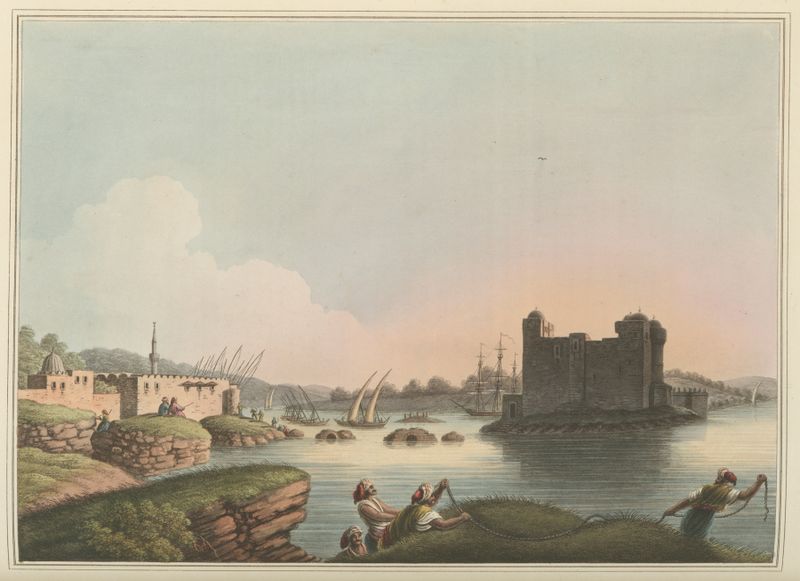
Port of Latachia
Luigi Mayer

Stadium at Ephesus
Luigi Mayer

Ancient Temples at Agrigentum
Luigi Mayer
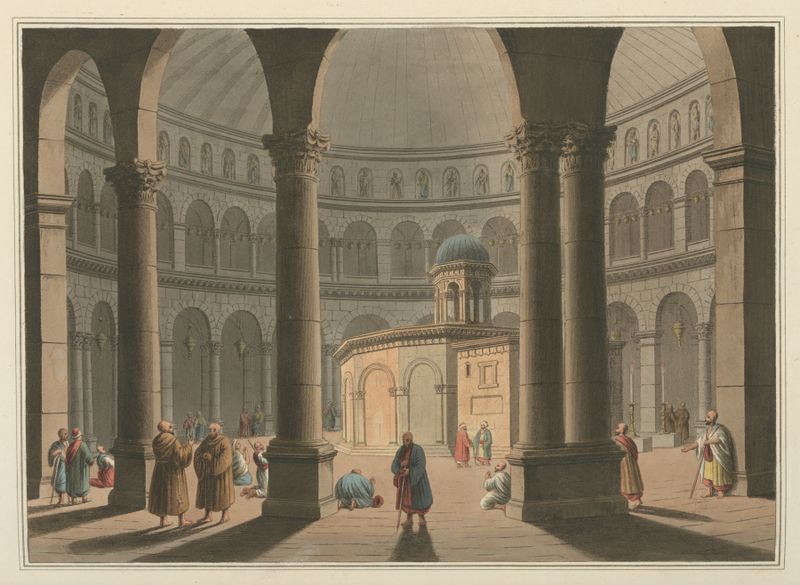
Church of the Holy Sepulchre
Luigi Mayer
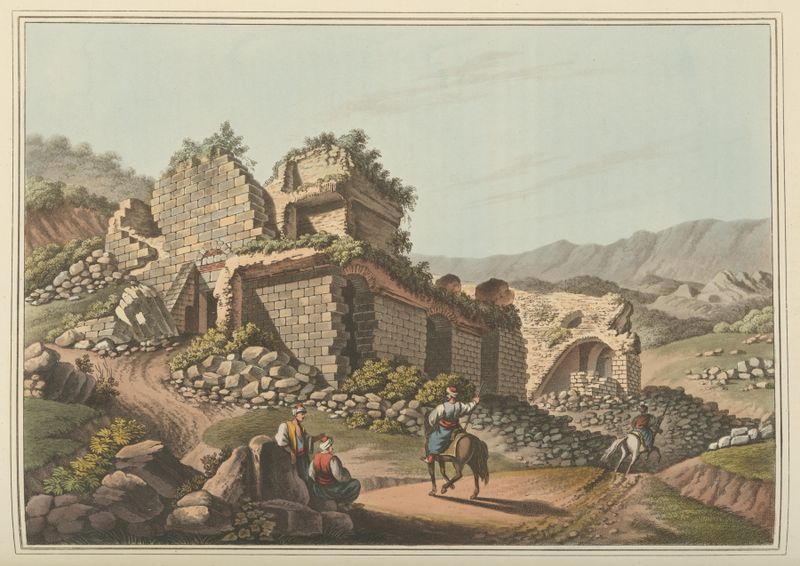
Theatre at Ephesus
Luigi Mayer
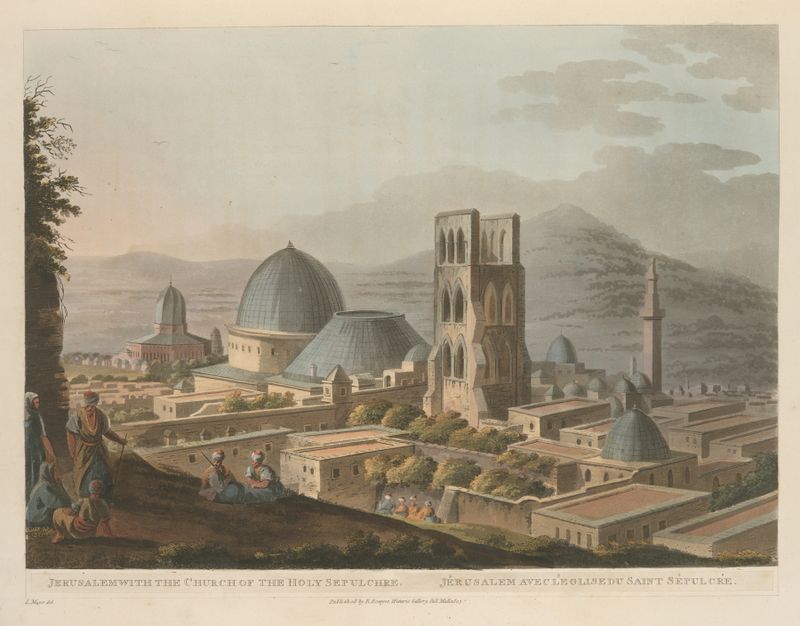
Jerusalem with the Church of the Holy Sepulchre
Luigi Mayer
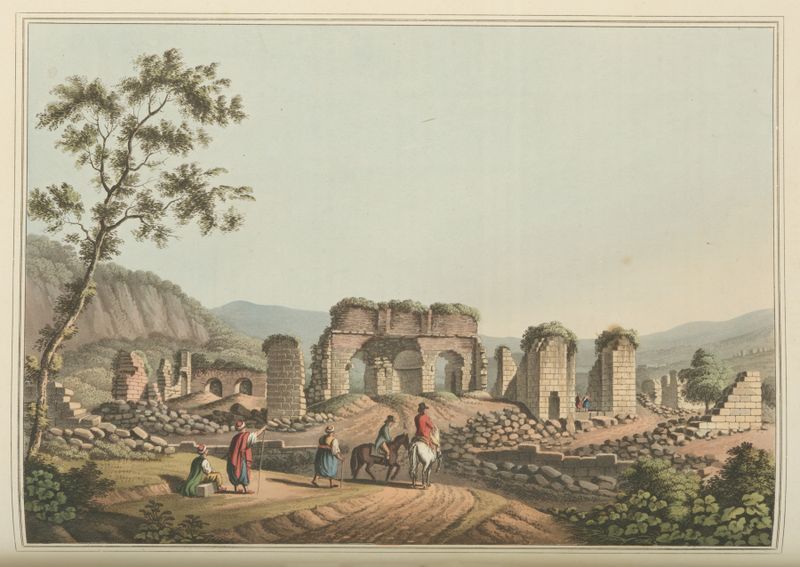
Ruins of the Temple of Diana at Ephesus
Luigi Mayer

Crater in the Island of Volcano
Luigi Mayer
More Architecture Art
Browse all →
The statue of Liberty
Frédéric Auguste Bartholdi

View of Houses in Delft, Known as ‘The Little Street’
Johannes Vermeer

View of Houses in Delft, Known as ‘The Little Street’
Johannes Vermeer

The Cathedral in Rouen. The portal, Grey Weather
Claude Monet

The yellow house
Vincent van Gogh

The Church in Auvers-sur-Oise, View from the Chevet
Vincent van Gogh