
Cathedral of Notre Dame, Paris — History & Facts
Where does light end, and longing begin? In the heart of an iconic Gothic structure, the interplay of shadow and illumination evokes a profound sense of fear, as if the walls whisper secrets of histories long past. Look to the left at the grand façade, where intricate carvings emerge from the stone like ghostly figures caught in a moment of prayer. The play of light across the arches highlights the delicate details, drawing your gaze upward toward the soaring spires that seem to pierce the heavens. Notice how the muted earth tones of the stone contrast with the vibrant hues of stained glass, filling the interior with a kaleidoscope of color that dances along the walls, creating a spiritual atmosphere tinged with unease. This tension between light and dark suggests more than just physical space; it speaks to the fragility of faith and the weight of history.
Each shadowed corner appears to harbor doubt, while the illuminated spaces embody hope. The towering structure itself looms like a guardian, a reminder of both the awe and fear that faith can inspire. The chapel’s grandeur becomes a metaphor for the complexities of human emotion, bridging the divide between sacred and profane. Created in 1933, the architect was deeply influenced by the Art Deco movement, striving to blend modernity with the revered traditions of European cathedrals.
At this time, society was grappling with uncertainty amid economic turmoil, and the artist's work sought to instill a sense of stability and continuity, reflecting both the aspirations and anxieties of a world in flux.
More Artworks by Cass Gilbert
Browse all →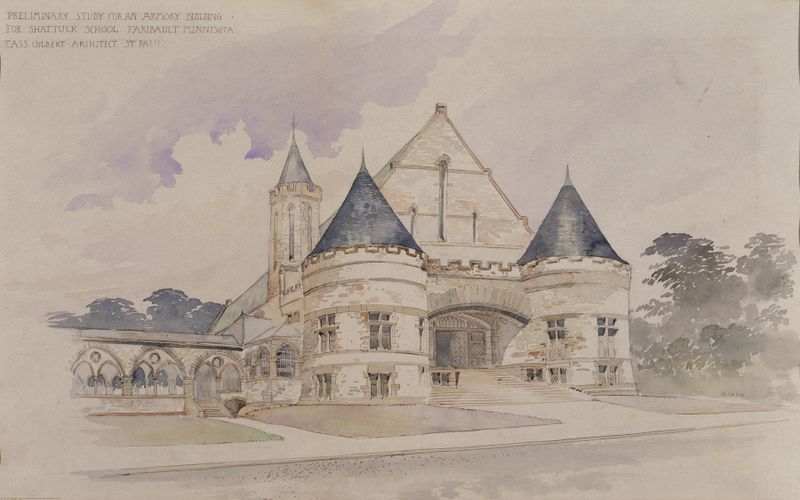
Preliminary study for an Armory Building for Shattuck School, Faribault, Minnesota
Cass Gilbert
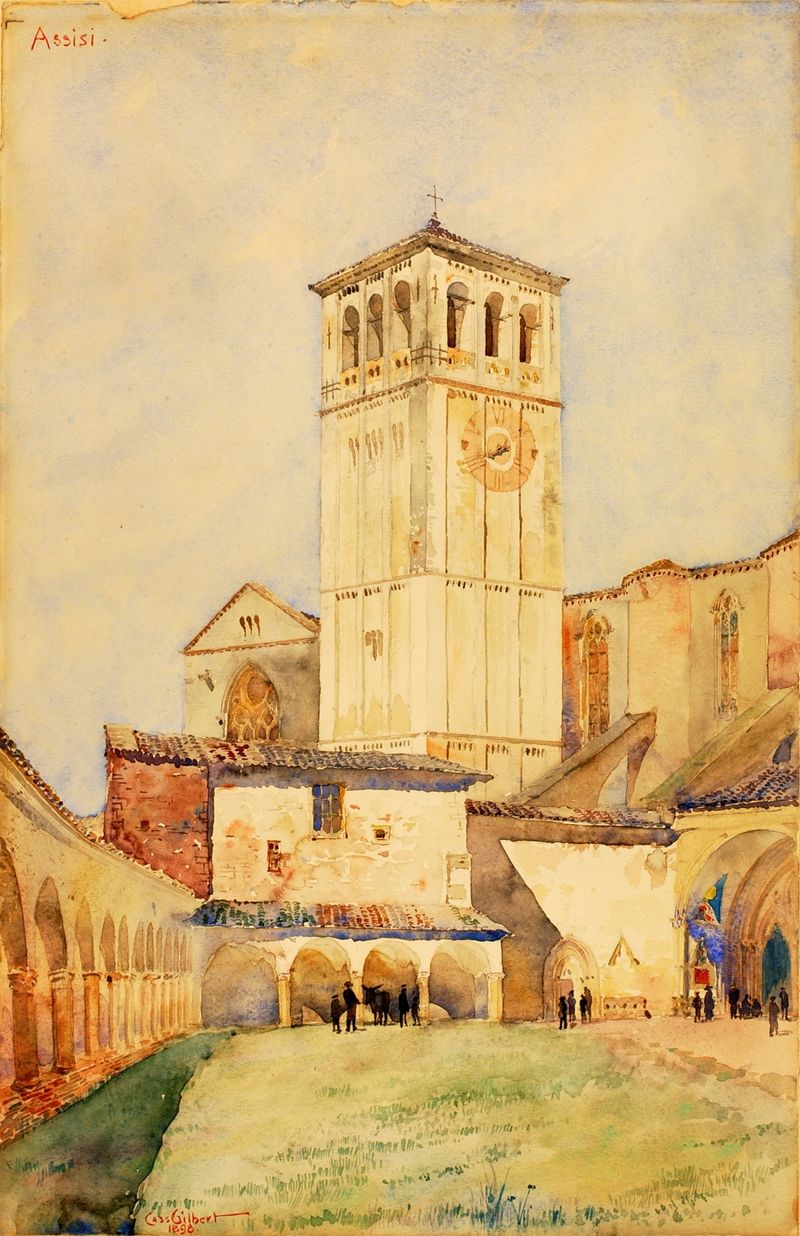
Church of St. Francis, Assisi
Cass Gilbert
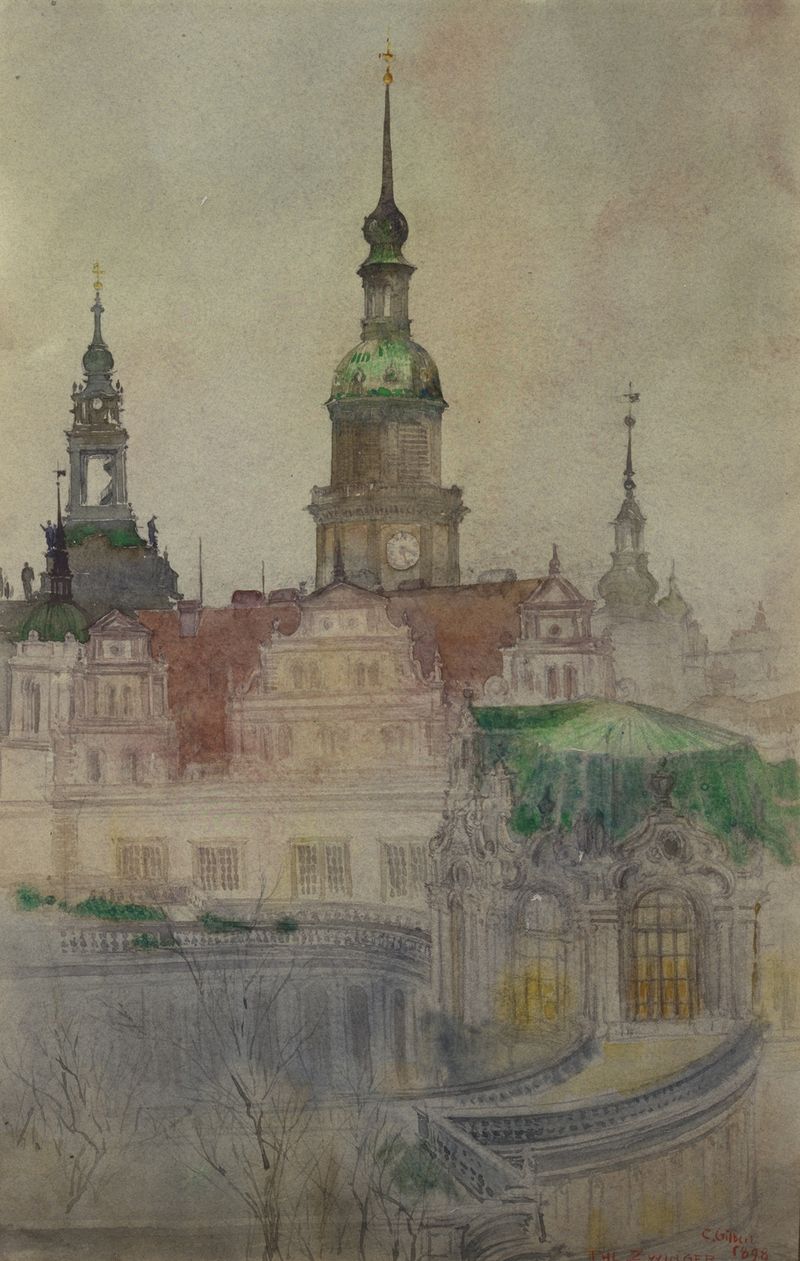
The Zwinger Towers, Dresden
Cass Gilbert

Towers from the City Wall, Nuremberg
Cass Gilbert
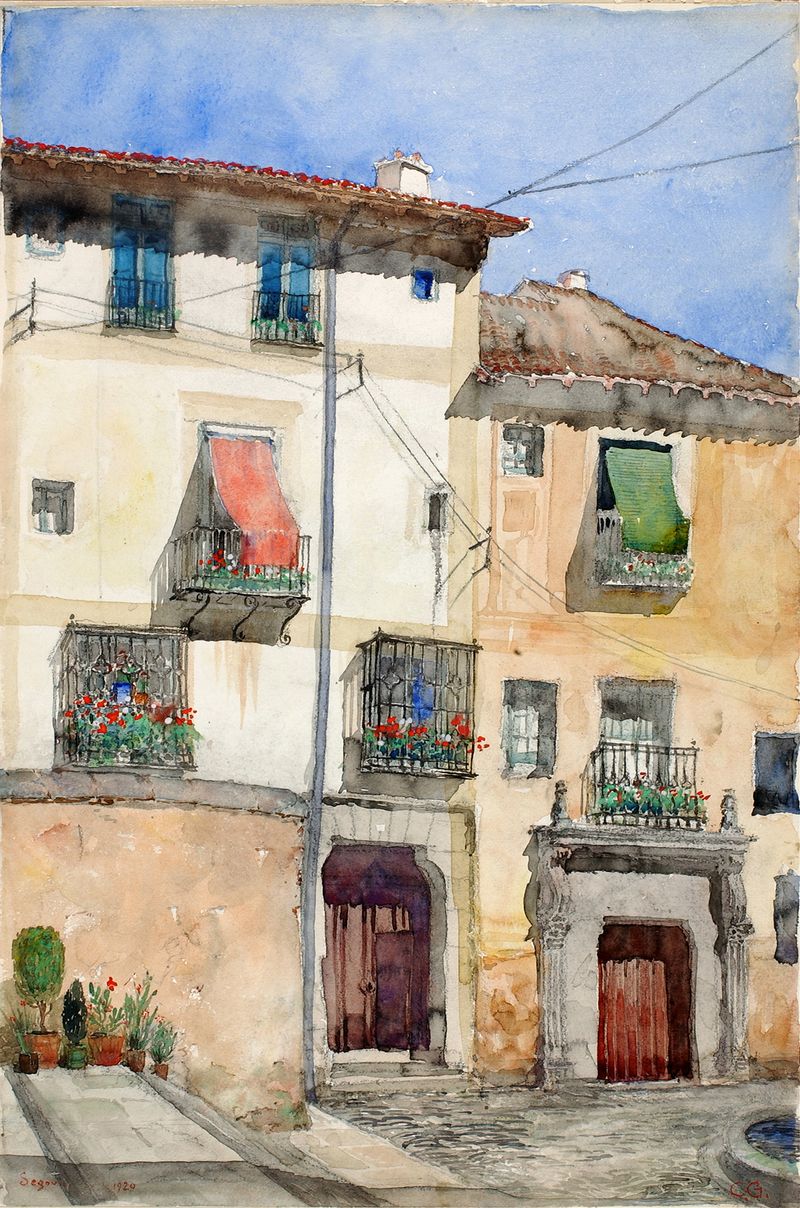
Old House at Segovia, Spain
Cass Gilbert
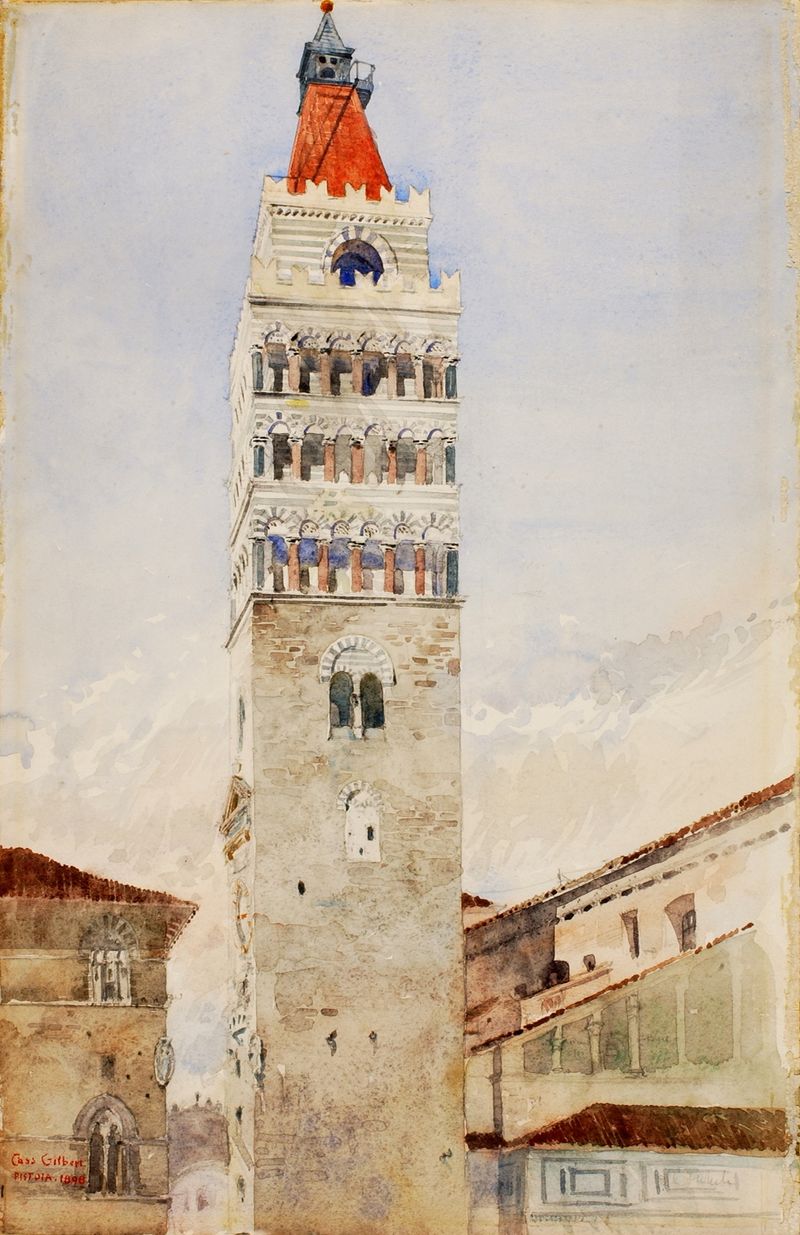
Cathedral Tower, Pistoia, Italy
Cass Gilbert

Cathedral at Monreale, Sicily
Cass Gilbert

Santa Maria Della Salute, Venice
Cass Gilbert
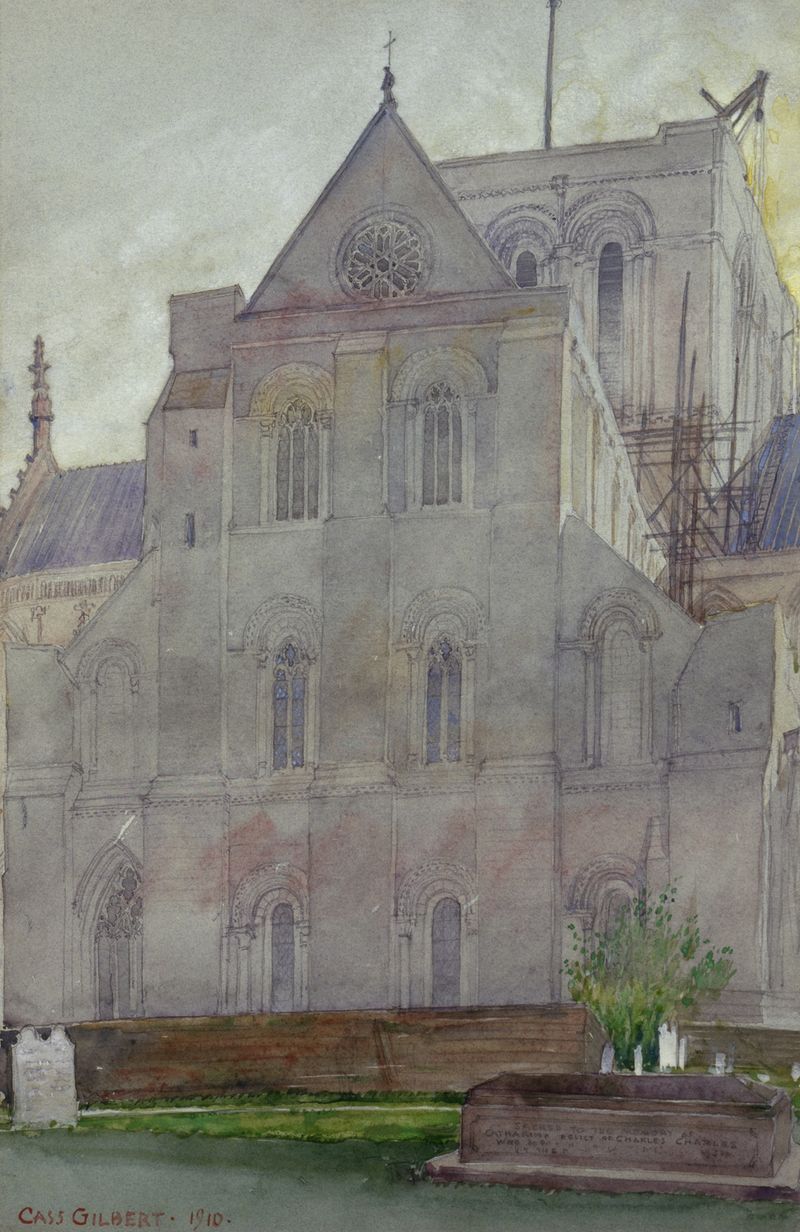
North Transept, Winchester Cathedral, England
Cass Gilbert

Tower of the Cathedral of Utrecht, Holland
Cass Gilbert
More Architecture Art
Browse all →
The statue of Liberty
Frédéric Auguste Bartholdi

View of Houses in Delft, Known as ‘The Little Street’
Johannes Vermeer

View of Houses in Delft, Known as ‘The Little Street’
Johannes Vermeer

The Cathedral in Rouen. The portal, Grey Weather
Claude Monet

The yellow house
Vincent van Gogh

The Church in Auvers-sur-Oise, View from the Chevet
Vincent van Gogh