
Cedros Bay — History & Facts
In a world that crumbles under the weight of fleeting moments, creation becomes an act of defiance against oblivion. Focus on the left, where the vibrant turquoise waters of Cedros Bay invite your gaze, shimmering under the warm embrace of sunlight. Notice how the gentle brushstrokes dance across the canvas, capturing the play of light reflecting off the waves, while lush greens of the surrounding foliage provide a rich contrast. The composition balances these elements with a serene horizon that seems to stretch endlessly, embodying both tranquility and a hint of longing. Yet, beneath this visual harmony lies a deeper narrative of juxtaposition.
The bay is tranquil, yet the subtle presence of distant mountains suggests an untamed wilderness, hinting at nature’s duality — beauty intertwined with wildness. Additionally, the serene waters invite contemplation, evoking a sense of nostalgia for landscapes untouched by time, a theme that resonates with the artist’s broader reflections on memory and place. In 1857, the artist was deeply engaged with the Caribbean landscape, having returned to his native Trinidad after studies in Europe. This period marked a significant shift in his focus towards capturing the soul of his homeland, responding to the broader Romantic movement that sought to celebrate nature and identity.
Cazabon’s Cedros Bay stands as a testament to his commitment to preserving the essence of a world that, in its beauty, risks being forgotten.
More Artworks by Michel Jean Cazabon
Browse all →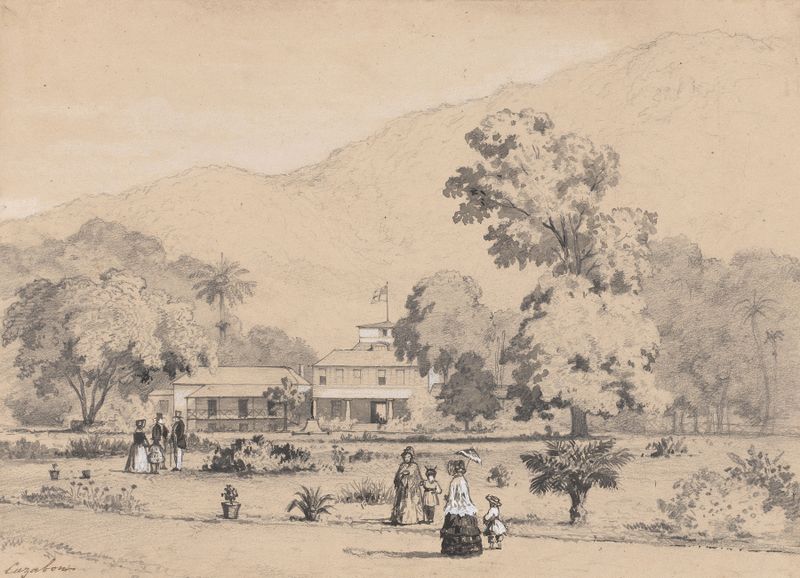
Governor’s Residence St. Ann’s
Michel Jean Cazabon

The Road to Pitch Lake
Michel Jean Cazabon
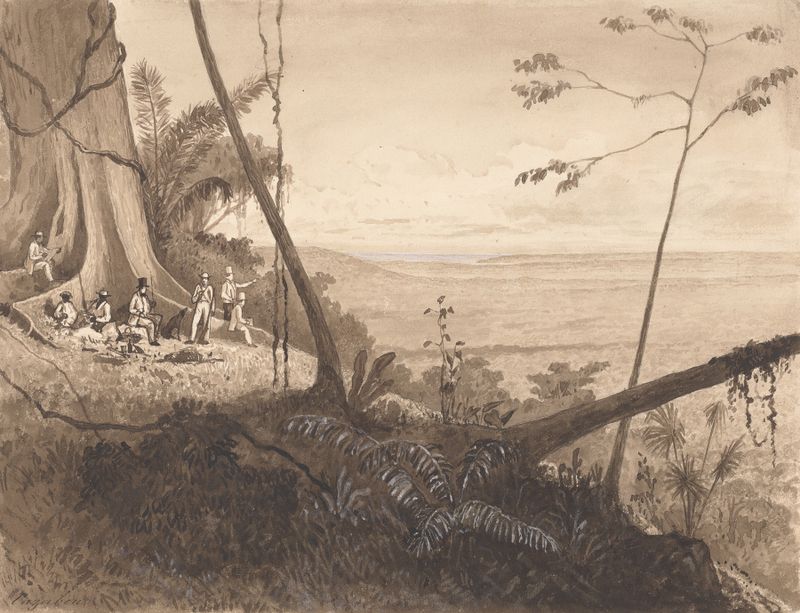
Cedar Point, Tamana
Michel Jean Cazabon

Maraccas Waterfall
Michel Jean Cazabon
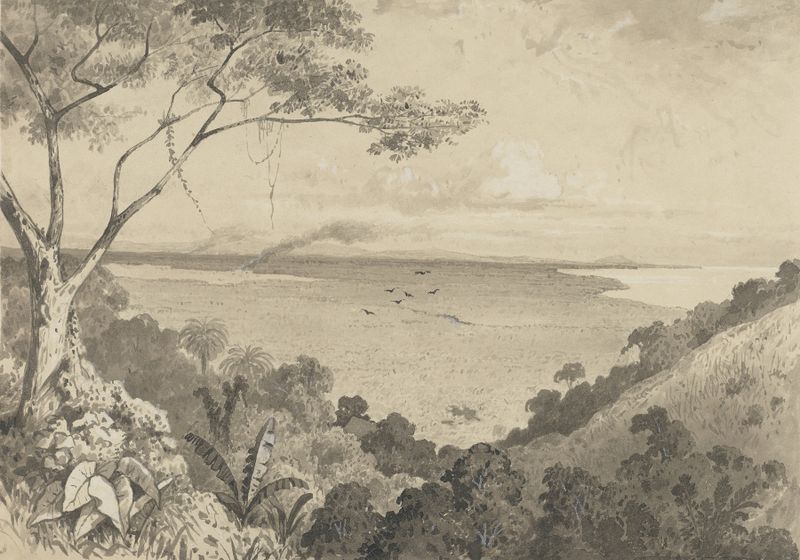
View from Laventille Hill
Michel Jean Cazabon

Garden Estate, Arouca
Michel Jean Cazabon

Bamboos St. Ann
Michel Jean Cazabon
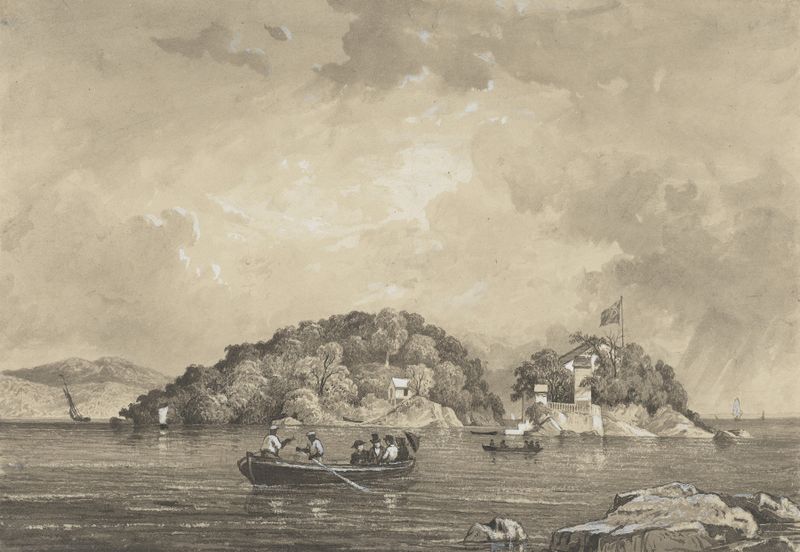
Caledonia and Craig Islands
Michel Jean Cazabon

St. Ann’s Waterfall
Michel Jean Cazabon
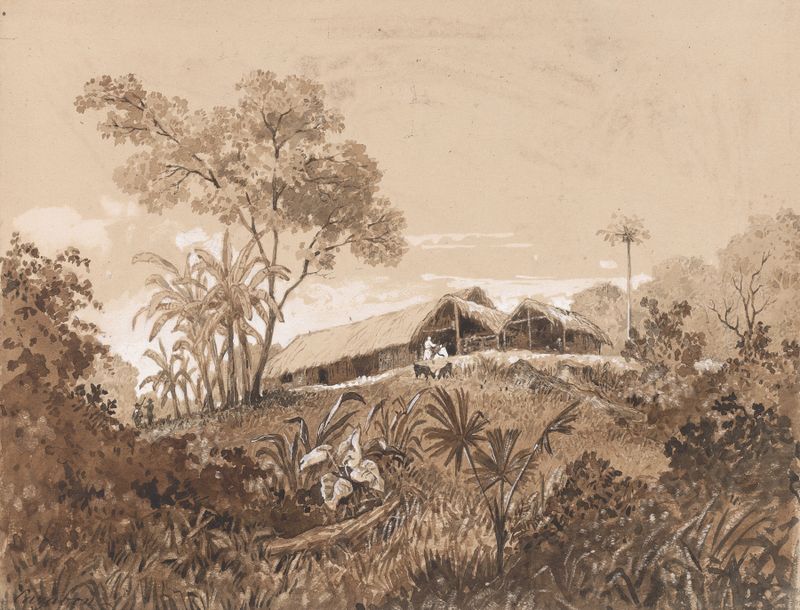
Cottage at Tamana
Michel Jean Cazabon





