
Chalfont House, Buckinghamshire — History & Facts
Who listens when art speaks of silence? In the hush between brushstrokes lies a narrative of absence and longing, a poignant reflection of what once was. Look to the left at the soft, muted greens that cradle the structure of Chalfont House, each stroke merging seamlessly with the surrounding landscape. Notice how the light filters through the trees, casting gentle shadows that dance across the facade, creating a delicate interplay between illumination and obscurity. The structure itself stands stoic yet isolated, a testament to both grandeur and solitude, rendered in a palette that evokes a quiet melancholy. There is a profound tension between the house and the landscape, as if the weight of history hangs heavy in the air.
The fading colors speak to the passage of time, whispering tales of joy lost amidst the echoes of past inhabitants and their stories. Girtin captures not only the physical essence of the house but also its emotional undertow, transforming a simple structure into a vessel of memory and yearning. In the early 19th century, Thomas Girtin was an influential figure in the landscape painting movement in England, exploring the interplay of light and shadow during a time when Romanticism was ascending. Painted during a period of personal and artistic growth, this piece reflects Girtin's keen insights into nature and architecture, as he sought to convey not just the visual, but the emotional resonance of places imbued with histories—both joyful and sorrowful.
More Artworks by Thomas Girtin
Browse all →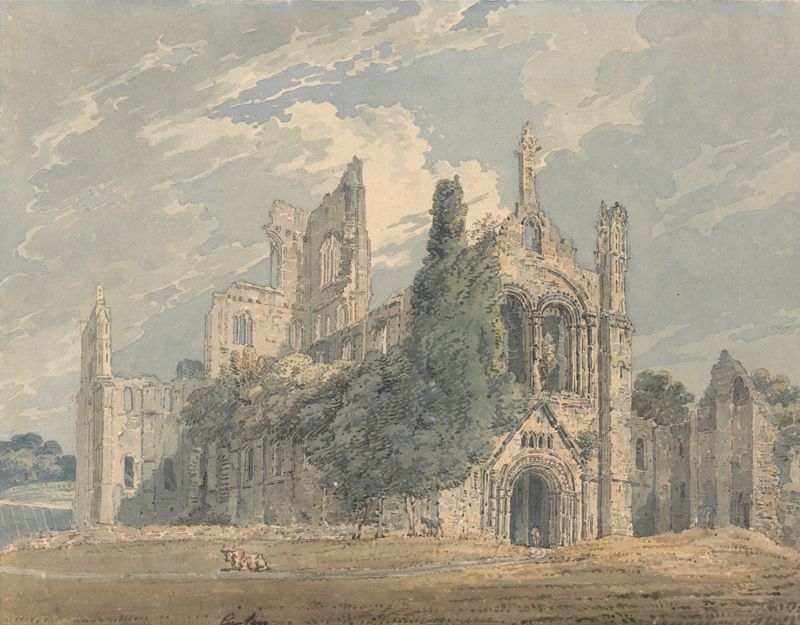
Kirkstall Abbey from the N.W.
Thomas Girtin
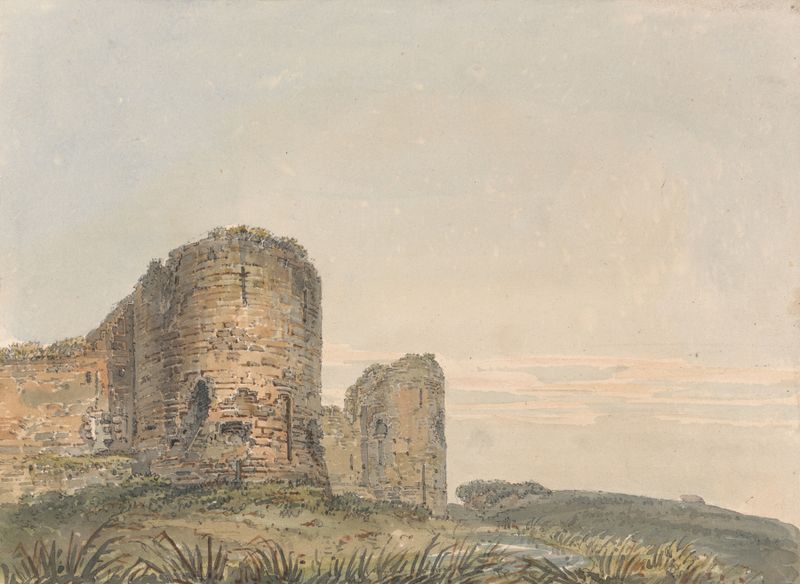
Pevensey Castle, Sussex
Thomas Girtin
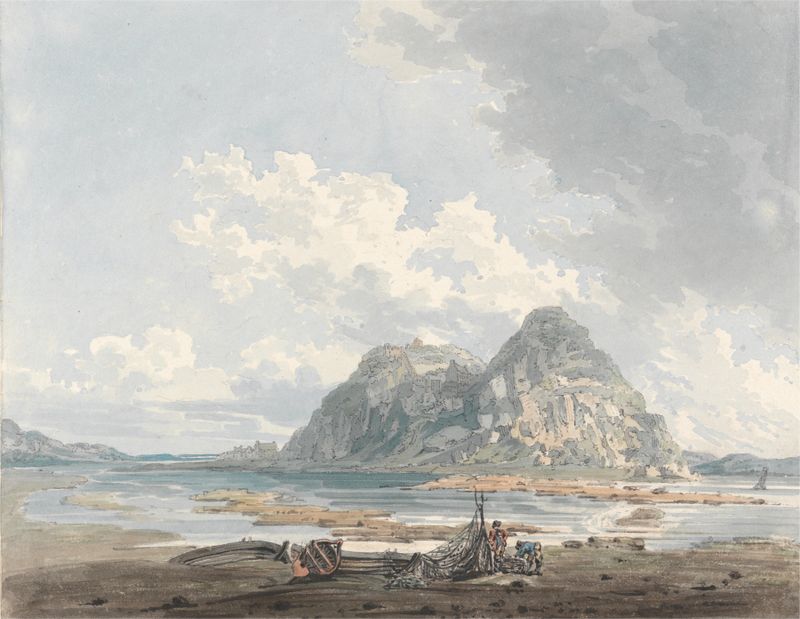
Dumbarton Rock and Castle
Thomas Girtin
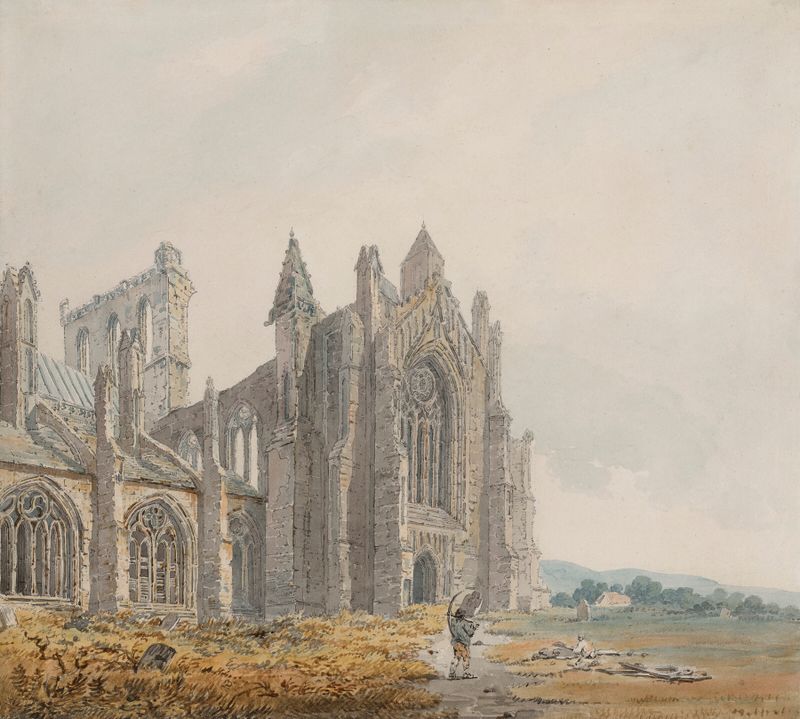
Melrose Abbey, Scotland
Thomas Girtin
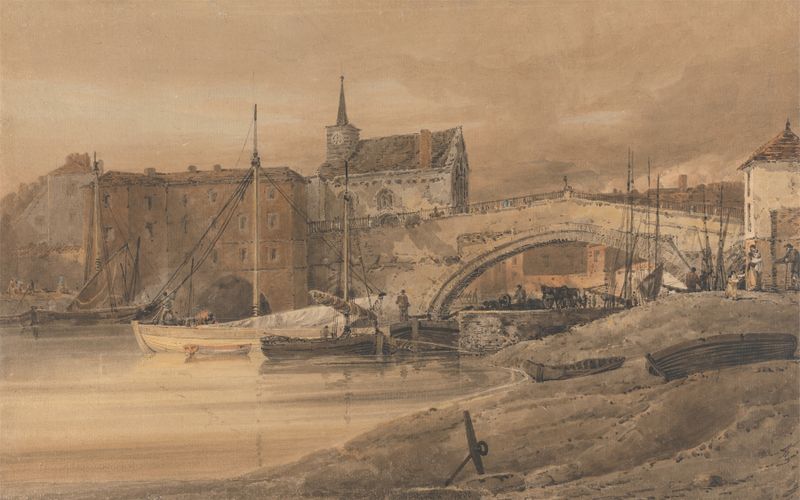
Ouse Bridge, York
Thomas Girtin
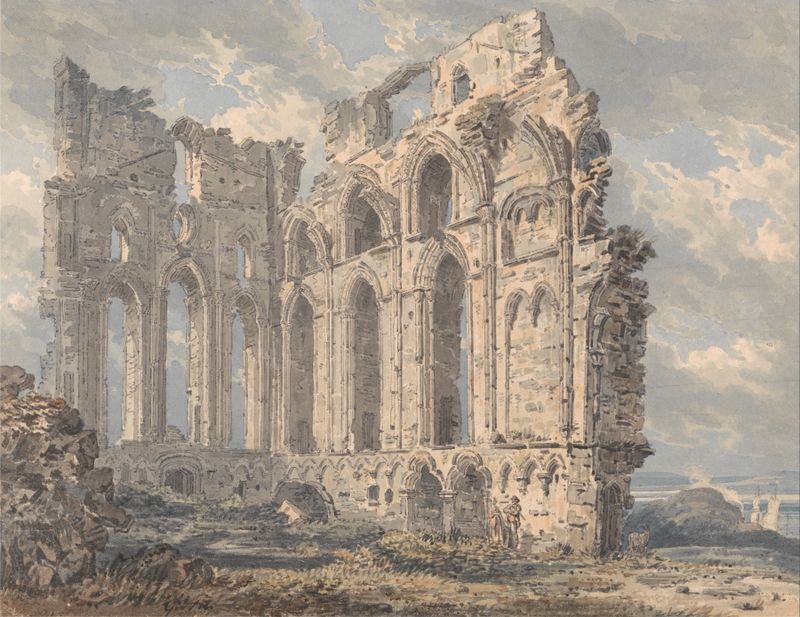
Tynemouth Priory, Northumberland
Thomas Girtin
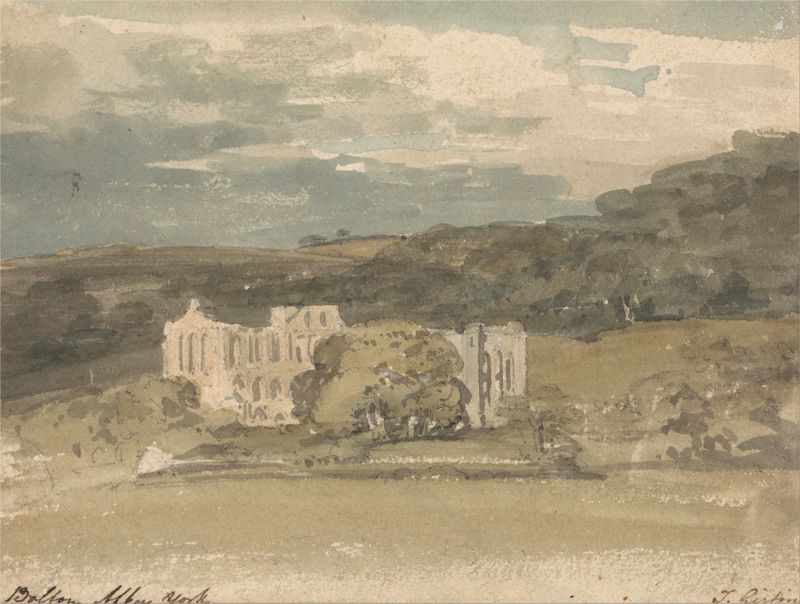
Rievaulx Abbey, Yorkshire
Thomas Girtin
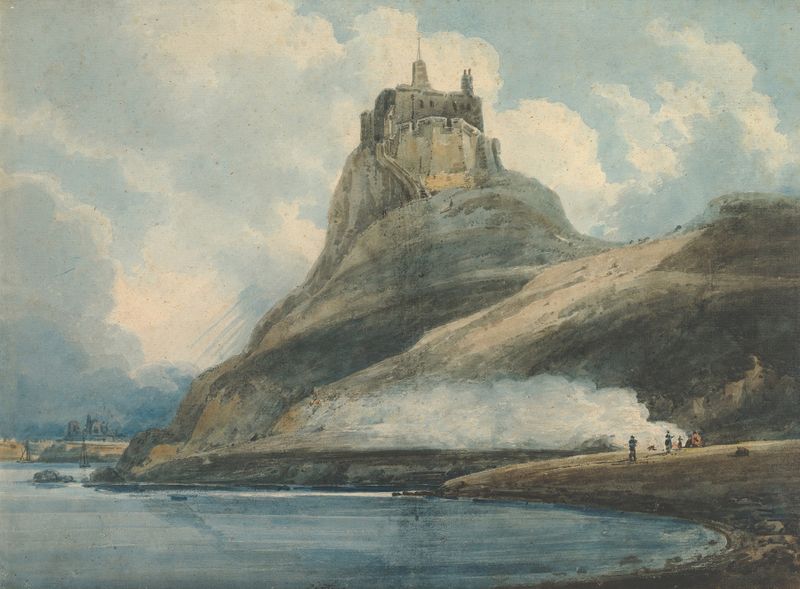
Lindisfarne Castle, Holy Island, Northumberland
Thomas Girtin
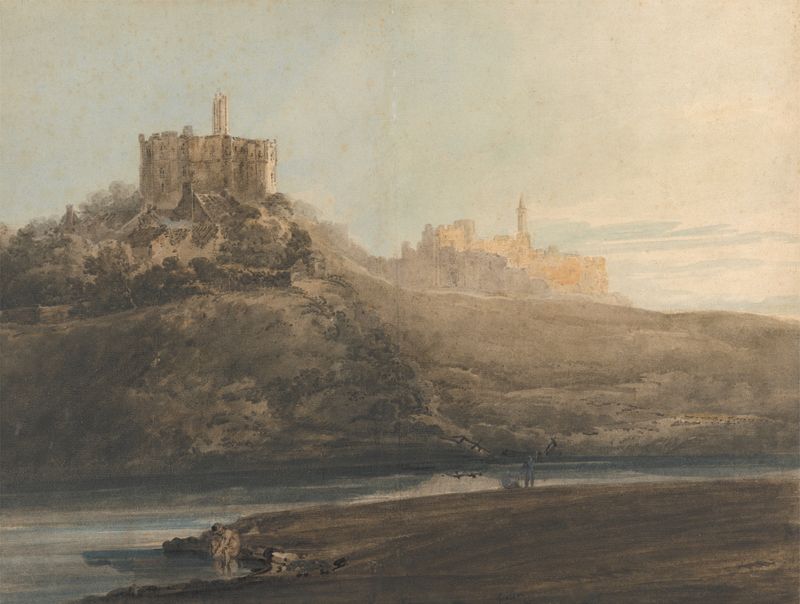
Warkworth Castle, Northumberland
Thomas Girtin
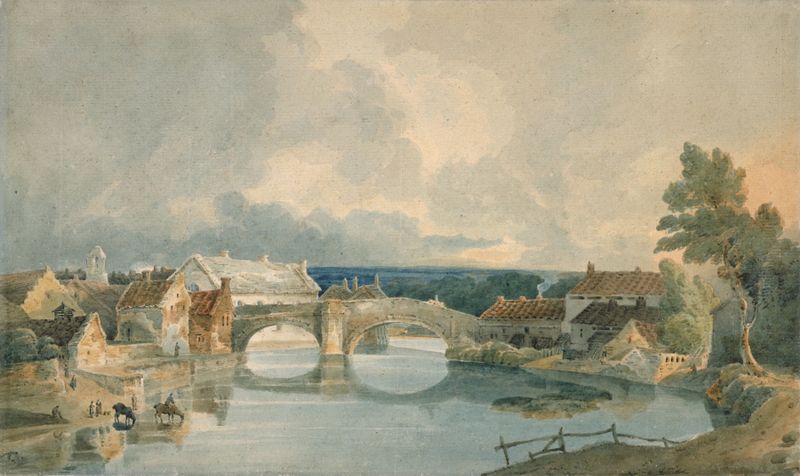
Morpeth Bridge
Thomas Girtin





