
Chapel in a park — History & Facts
What if silence could speak through light? In Chapel in a Park, the essence of solitude whispers softly, inviting viewers to reflect on their own moments of isolation amid nature's embrace. Look to the center of the canvas where the chapel stands resolutely, its serene facade bathed in a gentle golden glow. The soft brushstrokes convey a sense of tranquility, while the dappled sunlight filtering through the surrounding trees creates an interplay of light and shadow. Notice how the muted palette of greens and browns harmonizes with the chapel's warm hues, drawing your gaze into the heart of this still, contemplative space. As you delve deeper, observe the contrast between the man-made structure and the encroaching wilderness.
The surrounding foliage seems to cradle the chapel, yet also distances it, reflecting themes of both refuge and isolation. The single figure in the foreground, perhaps a wanderer or seeker, adds an air of poignant solitude, emphasizing the emotional distance between humanity and the sacred. This subtle tension reveals the artist's exploration of loneliness as both a personal and universal experience. Józef Pankiewicz painted Chapel in a Park in 1897 while living in France, amidst a burgeoning interest in Impressionism and the interplay of light.
At this time, he was influenced by the works of his contemporaries, seeking to capture the ethereal quality of light and nature. His experiences during this period shaped his artistic vision, as he endeavored to convey the profound connections and disconnections inherent in the human experience.
More Artworks by Józef Pankiewicz
Browse all →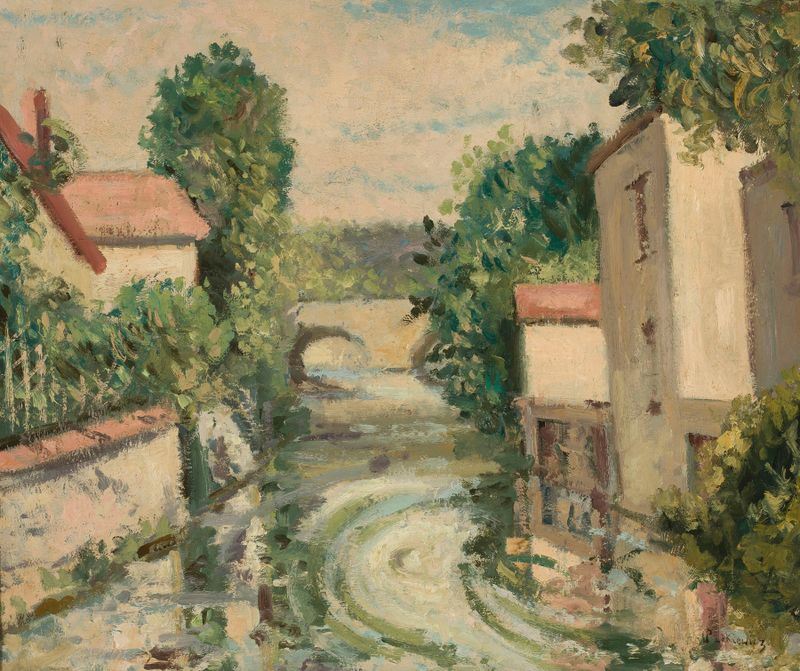
Landscape
Józef Pankiewicz

Cab in the Rain
Józef Pankiewicz
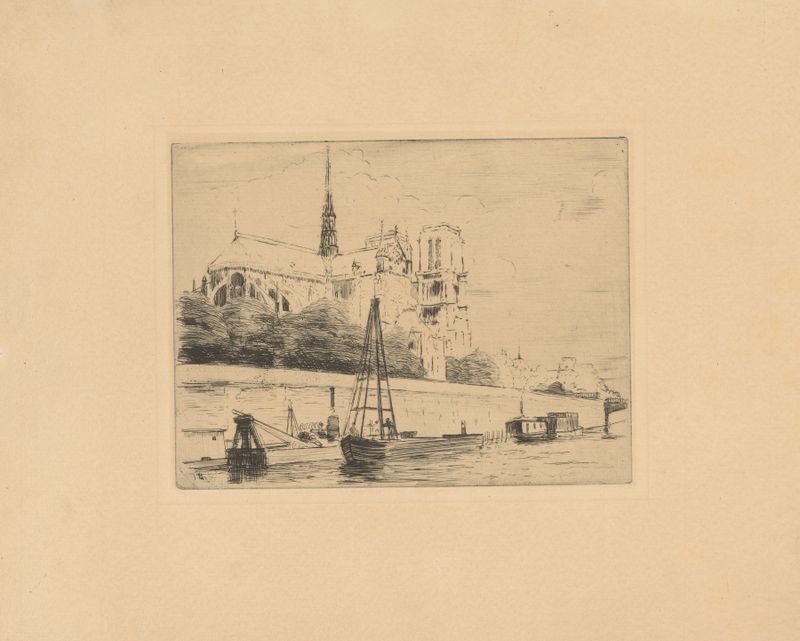
Notre Dame Cathedral in Paris
Józef Pankiewicz
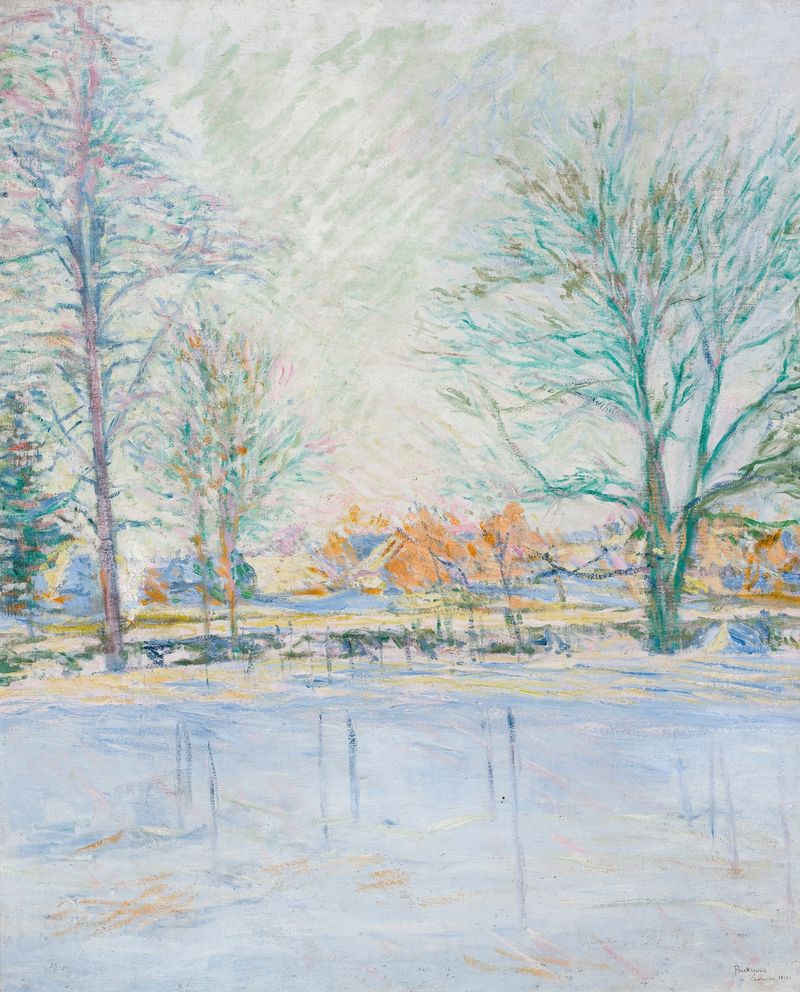
Landscape from Czarnolas
Józef Pankiewicz
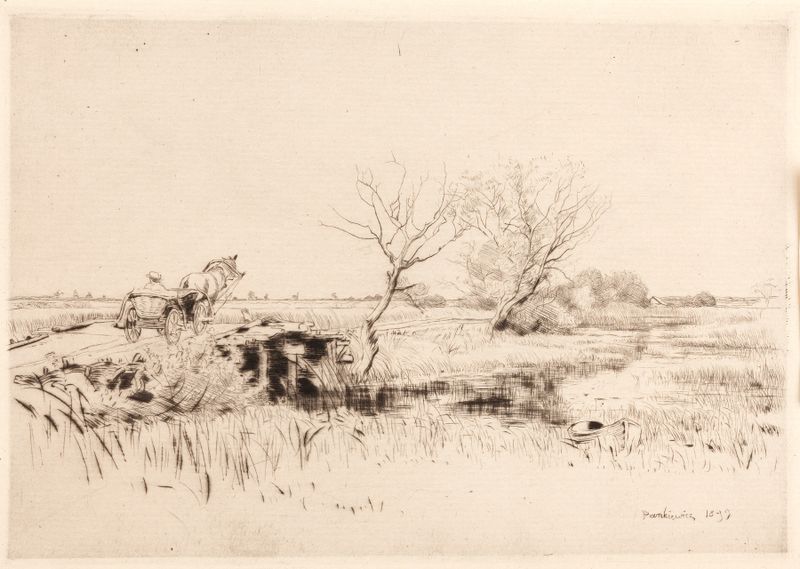
Pińsk Channel in Polesie I
Józef Pankiewicz
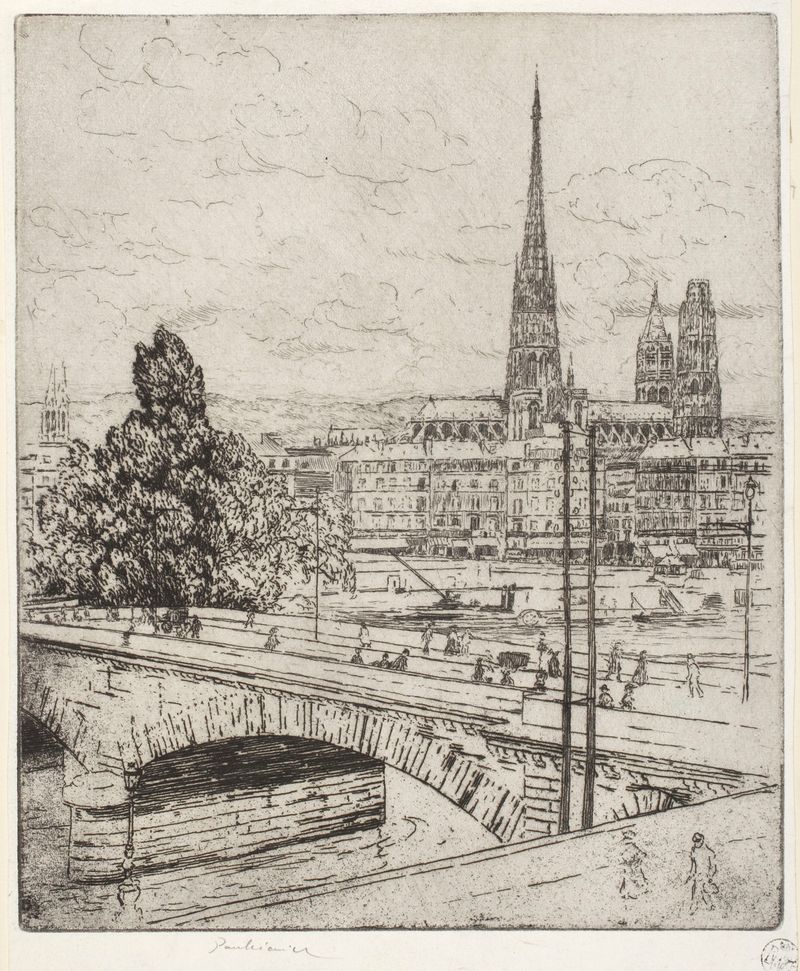
Pont Corneille in Rouen
Józef Pankiewicz
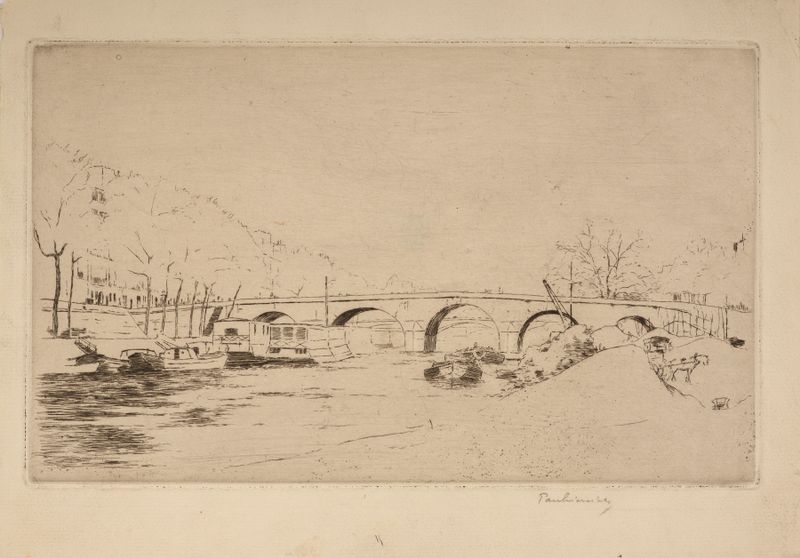
Pont Marie in Paris
Józef Pankiewicz

Rouen – portal from the Church of St Maclou
Józef Pankiewicz
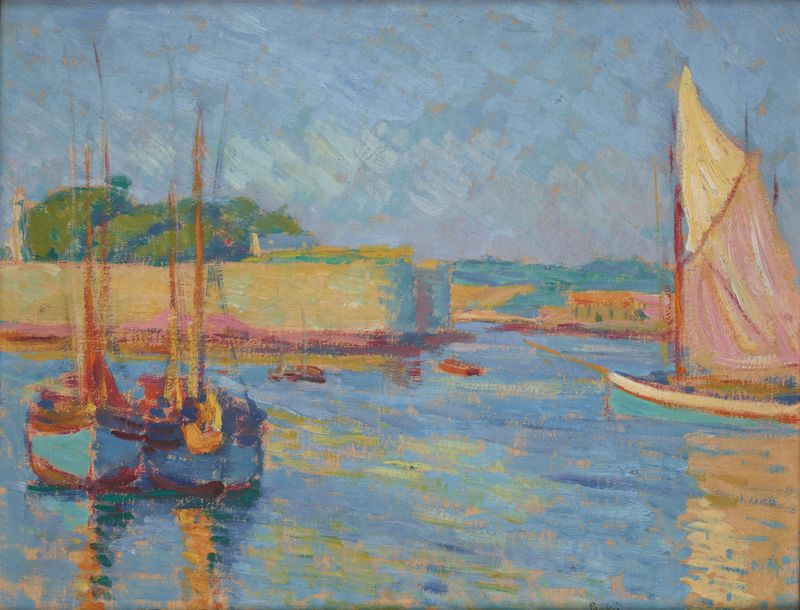
Harbour at Concarneau
Józef Pankiewicz
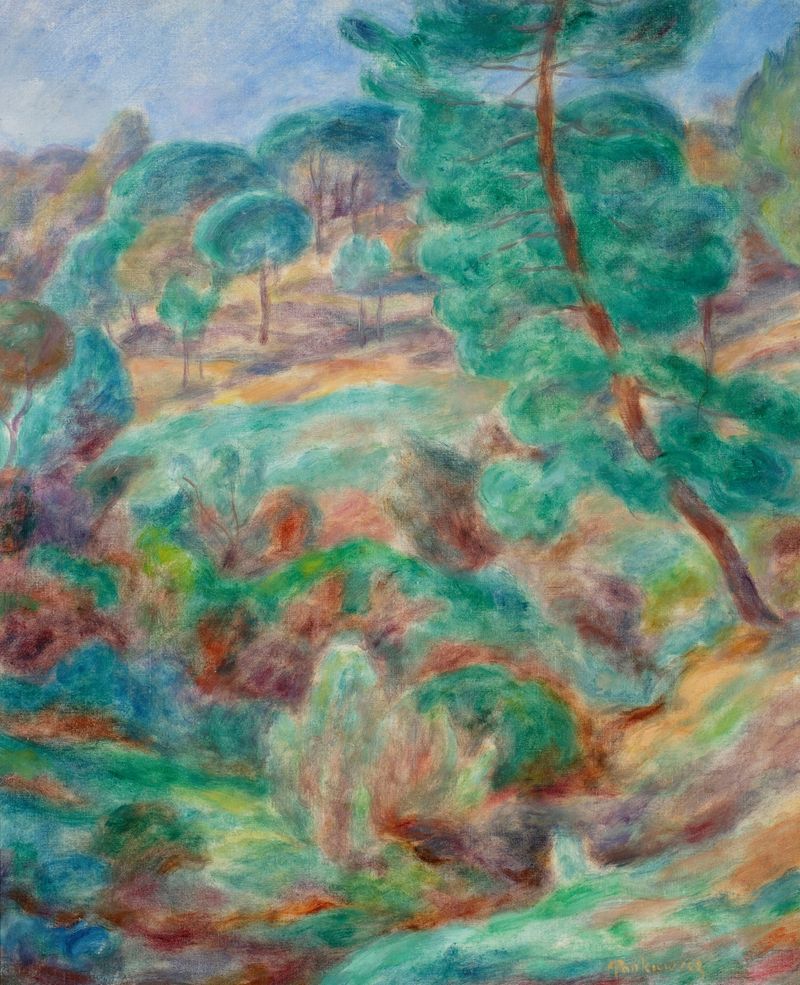
Landscape from Saint-Tropez – Stone pines
Józef Pankiewicz
More Architecture Art
Browse all →
The statue of Liberty
Frédéric Auguste Bartholdi

View of Houses in Delft, Known as ‘The Little Street’
Johannes Vermeer

View of Houses in Delft, Known as ‘The Little Street’
Johannes Vermeer

The Cathedral in Rouen. The portal, Grey Weather
Claude Monet

The yellow house
Vincent van Gogh

The Church in Auvers-sur-Oise, View from the Chevet
Vincent van Gogh