
Chapel of Mount Calvary — History & Facts
Can beauty exist without sorrow? In the stillness of an eternal moment, the Chapel of Mount Calvary captures a sacred space where time seems both suspended and urgent. Look to the left at the chapel's ornate façade, where the intricate carvings dance in the flickering light. The warm hues of ochre and gold convey a sense of reverence, while shadowy alcoves evoke the mysteries of faith. The architectural lines draw your gaze upward, where the dome meets an ethereal sky, suggesting a connection to the divine beyond earthly constraints.
Every detail, from the meticulously depicted figures to the textured stonework, speaks of devotion and time's relentless passage. Yet, within this serene beauty, there exists a haunting tension. The figures surrounding the chapel — each face etched with both prayer and burden — remind us of human frailty. The juxtaposition of light and shadow not only highlights the spiritual elevation of the chapel but also brings forth the weight of sorrow that coexists with faith.
Time, captured in the stillness of the scene, invites contemplation on the cyclical nature of hope and despair. Luigi Mayer created this work in 1810, amid a period when the Romantic movement was gaining momentum in the art world, emphasizing emotion and the sublime. Living in London at the time, he was influenced by his travels across Europe, capturing the beauty of sacred sites and the human condition. This painting reflects both his evolving style and a broader exploration of spirituality during a time of societal change.
More Artworks by Luigi Mayer
Browse all →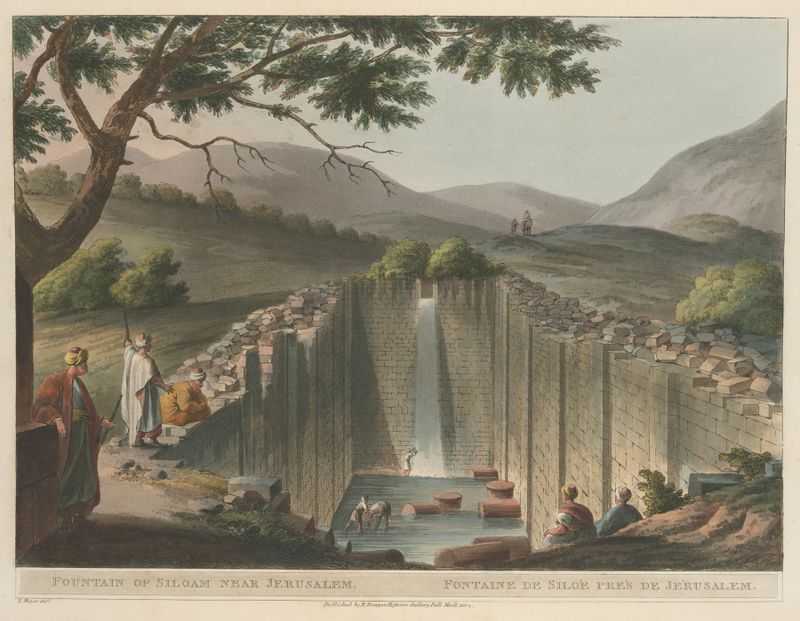
Fountain of Siloam Near Jerusalem
Luigi Mayer

View of the Dardanelles
Luigi Mayer
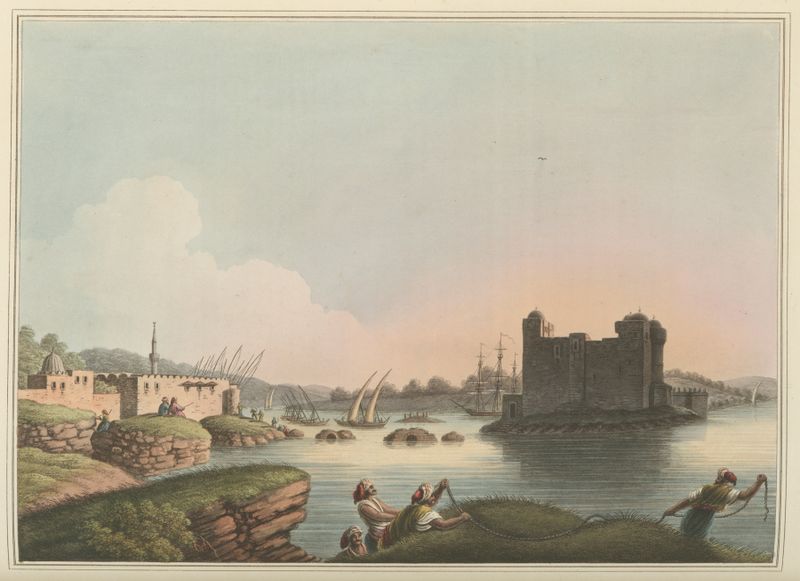
Port of Latachia
Luigi Mayer

Stadium at Ephesus
Luigi Mayer

Ancient Temples at Agrigentum
Luigi Mayer
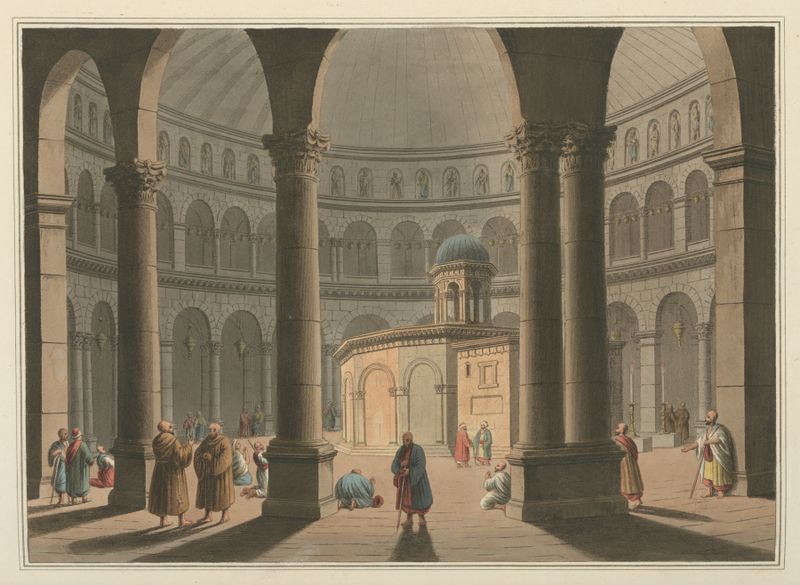
Church of the Holy Sepulchre
Luigi Mayer
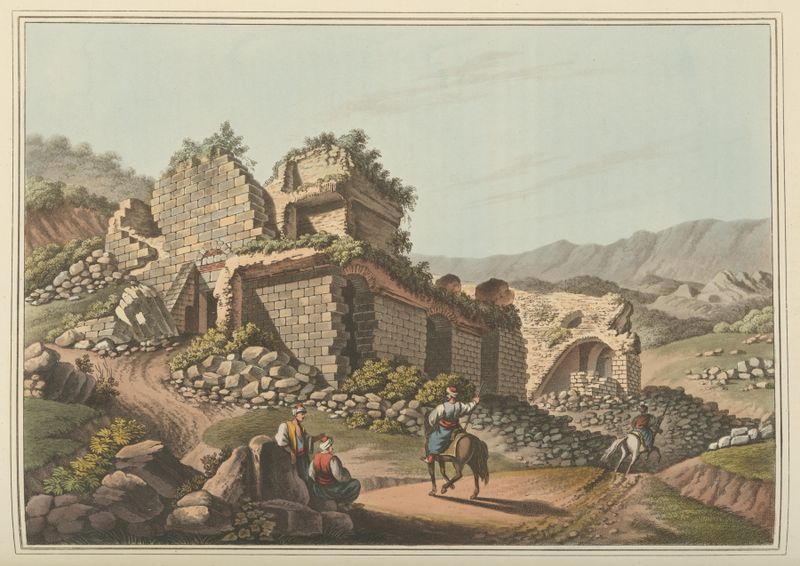
Theatre at Ephesus
Luigi Mayer
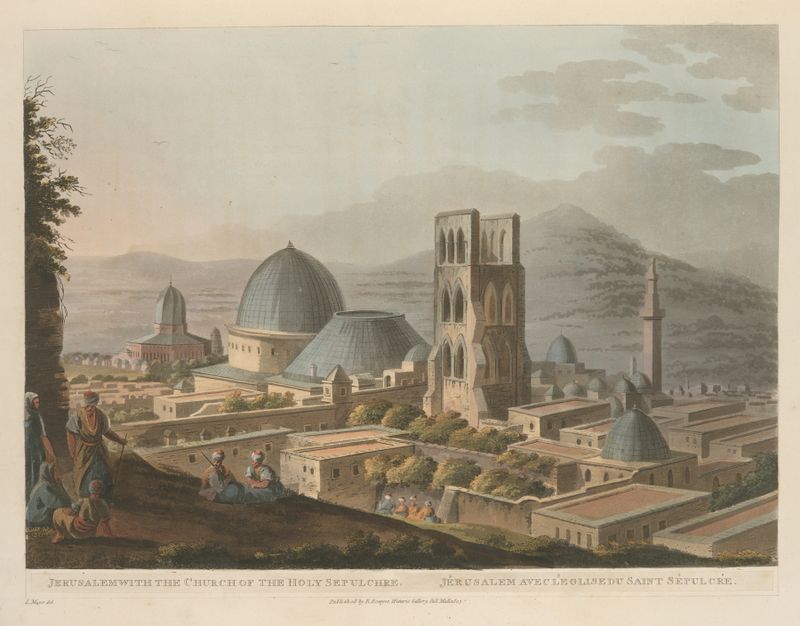
Jerusalem with the Church of the Holy Sepulchre
Luigi Mayer
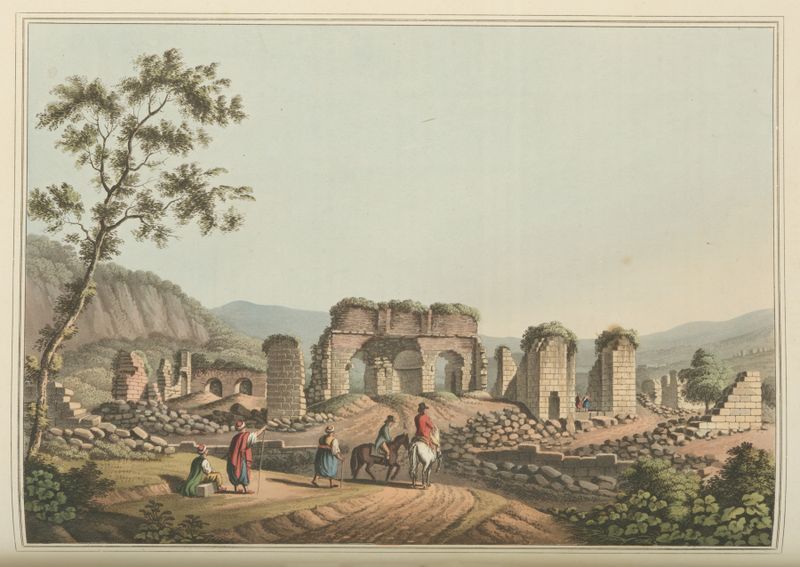
Ruins of the Temple of Diana at Ephesus
Luigi Mayer

Crater in the Island of Volcano
Luigi Mayer
More Architecture Art
Browse all →
The statue of Liberty
Frédéric Auguste Bartholdi

View of Houses in Delft, Known as ‘The Little Street’
Johannes Vermeer

View of Houses in Delft, Known as ‘The Little Street’
Johannes Vermeer

The Cathedral in Rouen. The portal, Grey Weather
Claude Monet

The yellow house
Vincent van Gogh

The Church in Auvers-sur-Oise, View from the Chevet
Vincent van Gogh