
Chapelle de sainte Hélène — History & Facts
Could a single brushstroke hold eternity? In Chapelle de sainte Hélène, the essence of revelation is captured in the interplay between light and shadow, inviting the viewer into a realm where the divine whispers through the mundane. Look to the center where the chapel's architectural lines converge, drawing your eye into the heart of the composition. Notice how the soft, golden light spills through the arched windows, illuminating the delicate details of ornate stonework and casting gentle shadows that dance along the cool, muted colors of the walls. The artist employs a restrained palette of earthy tones, allowing the interplay of light to breathe life into the scene and evoke a sense of tranquility and reverence. Delve deeper into the painting and you'll uncover layers of meaning.
The contrasting light and dark not only represent the divine presence within the chapel but also speak to the duality of human experience—hope interwoven with despair. Each brushstroke reveals the painter's meticulous attention to detail, highlighting the fragility of faith and the profound connection between humanity and the sacred. The stillness of the chapel invites contemplation, as if time stands still and the air is thick with unspoken prayers. In 1852, François Stroobant painted this artwork during a period of artistic exploration and revival in France, where romantic ideals were being challenged by realism.
In his quest to merge the spiritual with the tangible, Stroobant captured not just a place but an emotional landscape, reflecting both personal introspection and the broader artistic currents of his time.
More Artworks by François Stroobant
Browse all →
Interior of the church of Notre Dame du Sablon at Brussels
François Stroobant
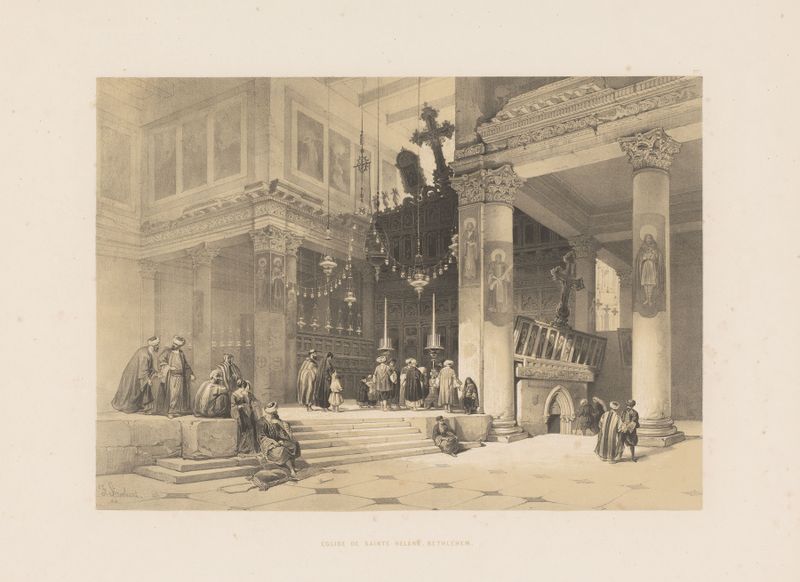
Église de sainte Hélène. Bethléhem
François Stroobant
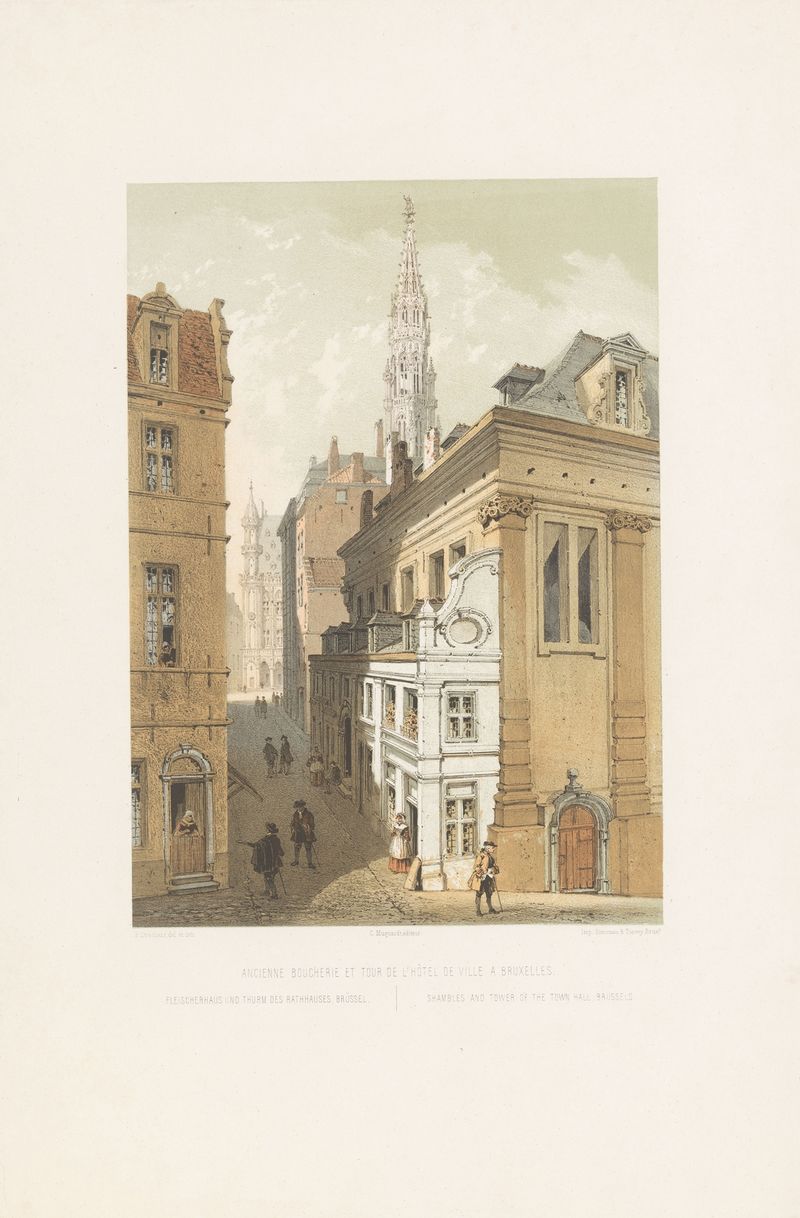
Shambles and tower of the town hall, Brussels
François Stroobant

Intérieur de l’église Grecque du Saint-Sépulcre
François Stroobant
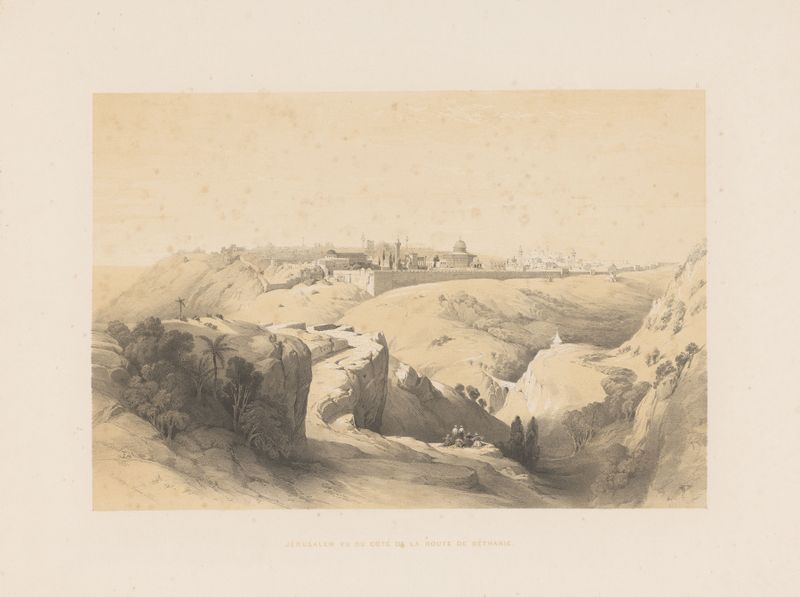
Jérusalem vu du coté de la route de Béthanie
François Stroobant

Le tabernacle du Saint-Sépulcre
François Stroobant

Town hall Brussels
François Stroobant

Fontaine de Jacob à Sichem
François Stroobant
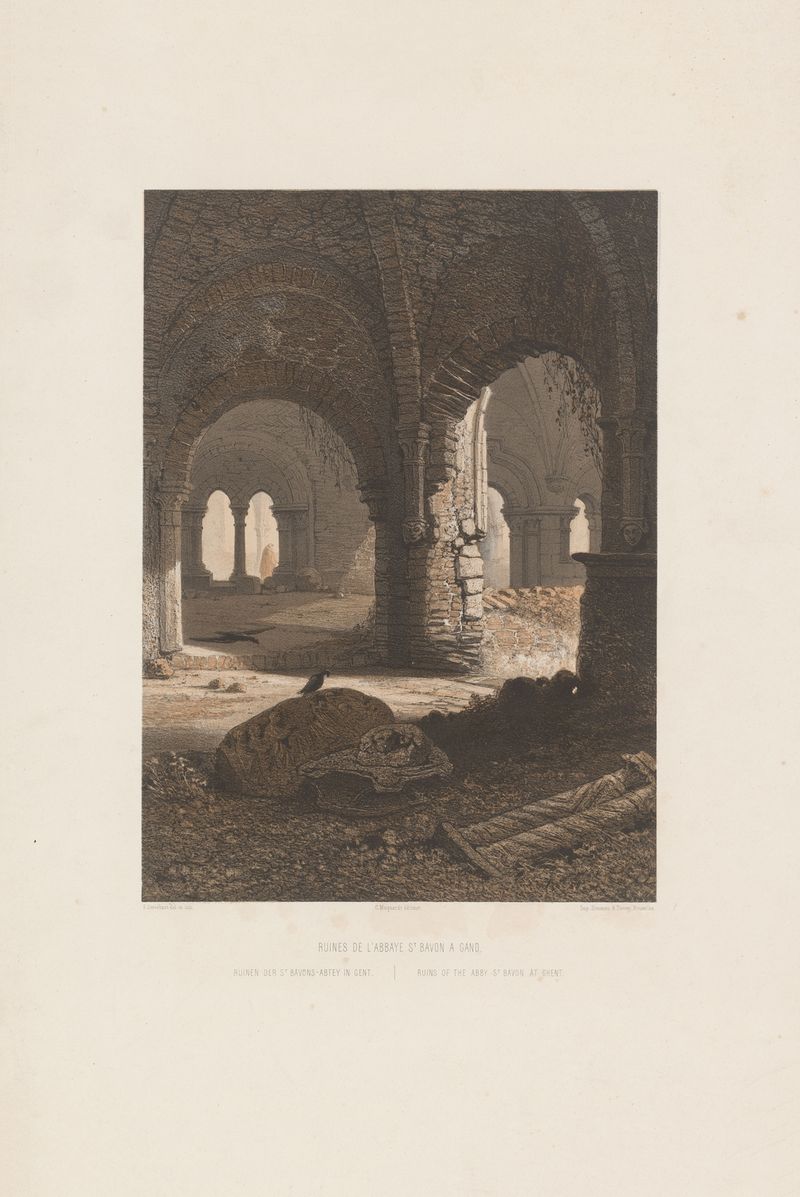
Ruins of the abby St Bavon at Ghent
François Stroobant

Vue de Naplouse
François Stroobant
More Architecture Art
Browse all →
The statue of Liberty
Frédéric Auguste Bartholdi

View of Houses in Delft, Known as ‘The Little Street’
Johannes Vermeer

View of Houses in Delft, Known as ‘The Little Street’
Johannes Vermeer

The Cathedral in Rouen. The portal, Grey Weather
Claude Monet

The yellow house
Vincent van Gogh

The Church in Auvers-sur-Oise, View from the Chevet
Vincent van Gogh