Chapultpec Castle — History & Analysis
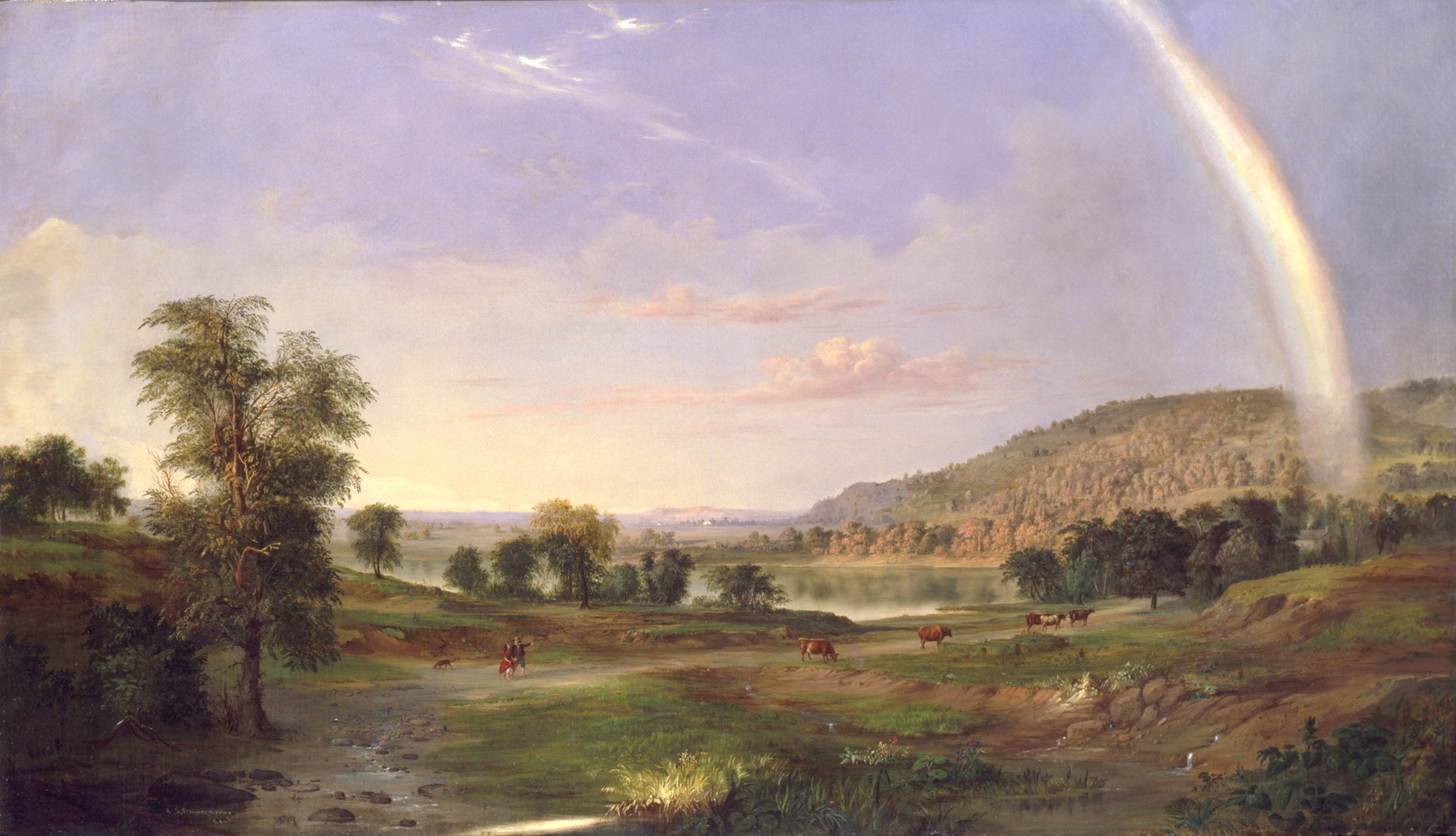
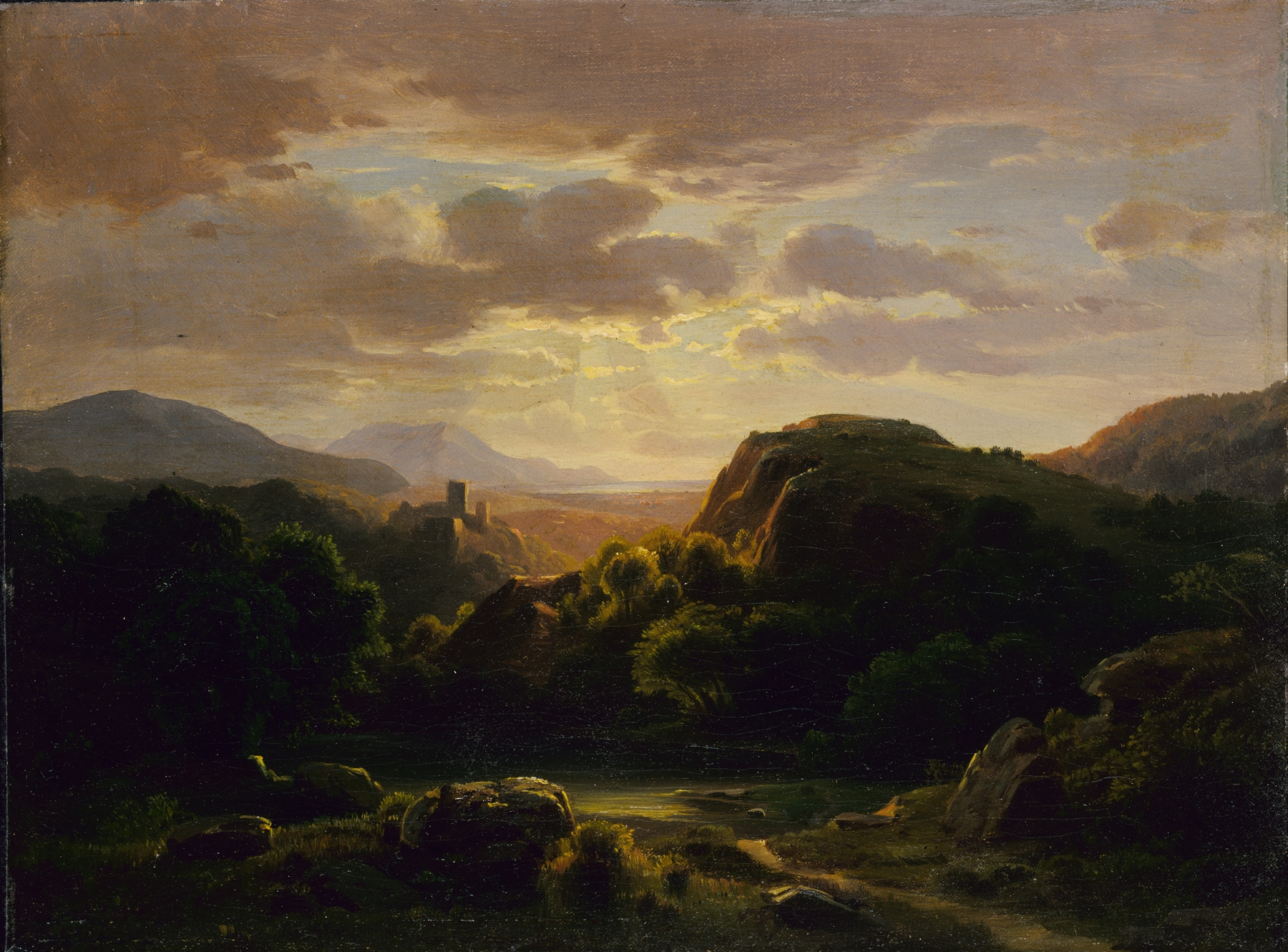
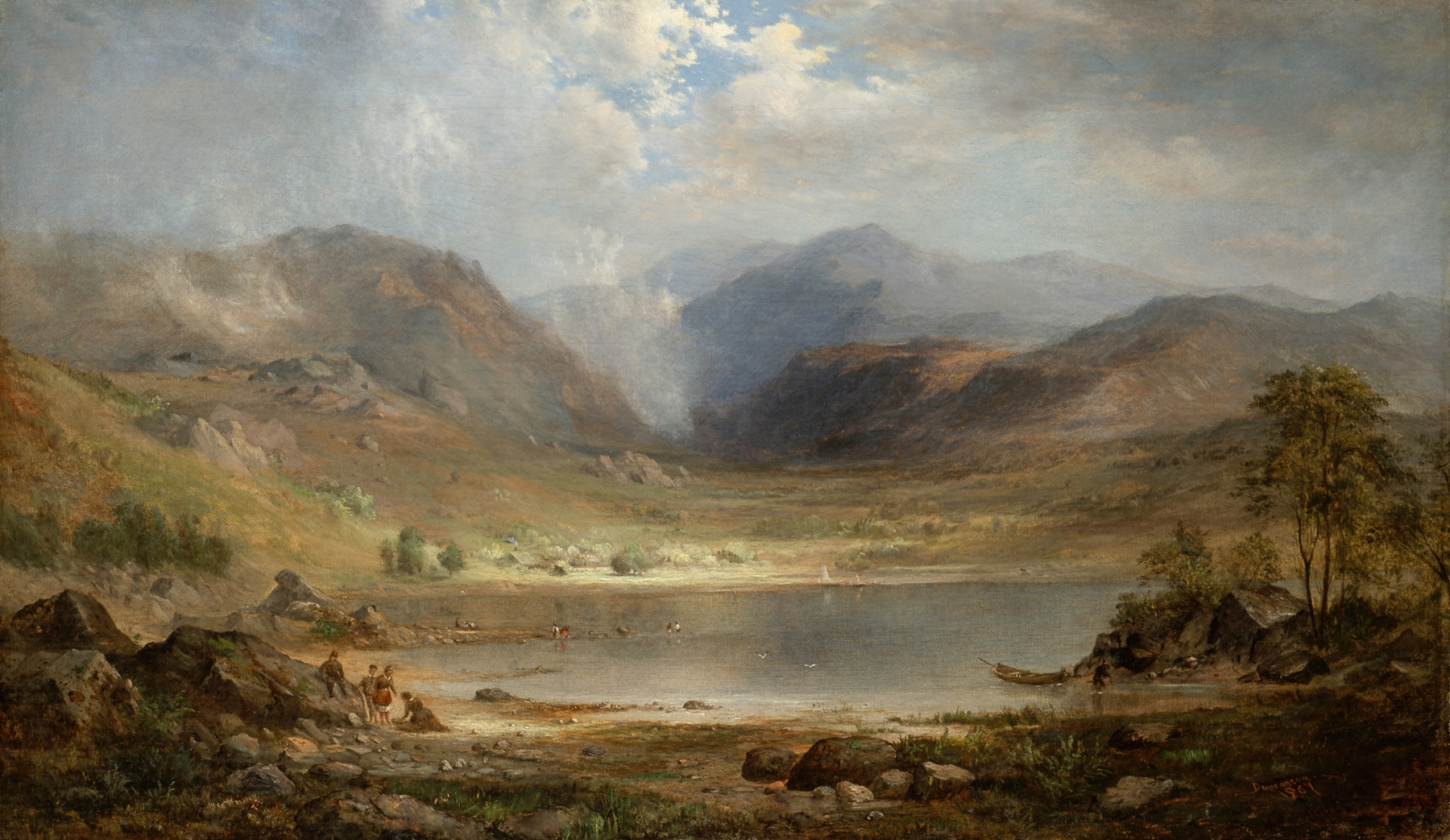
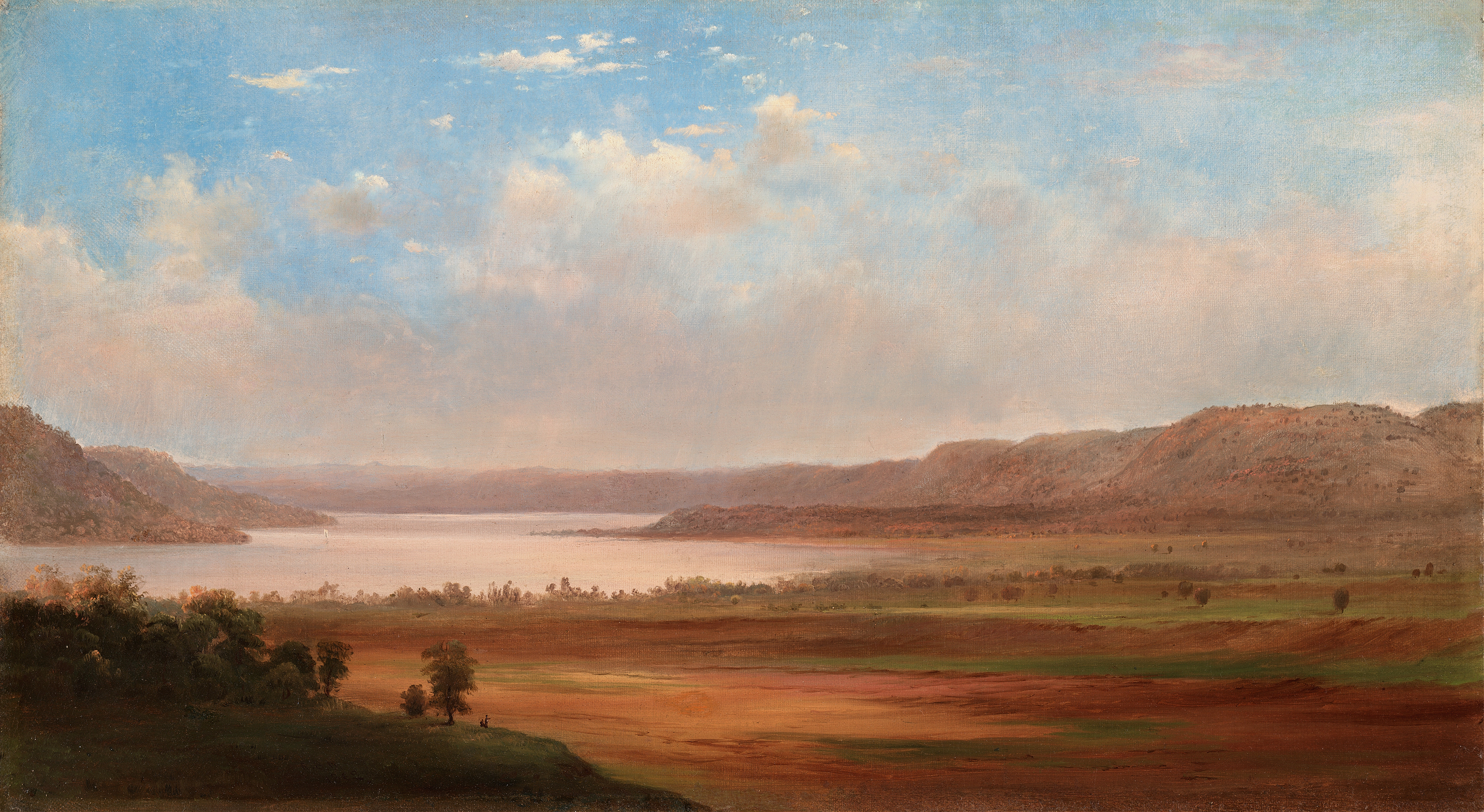
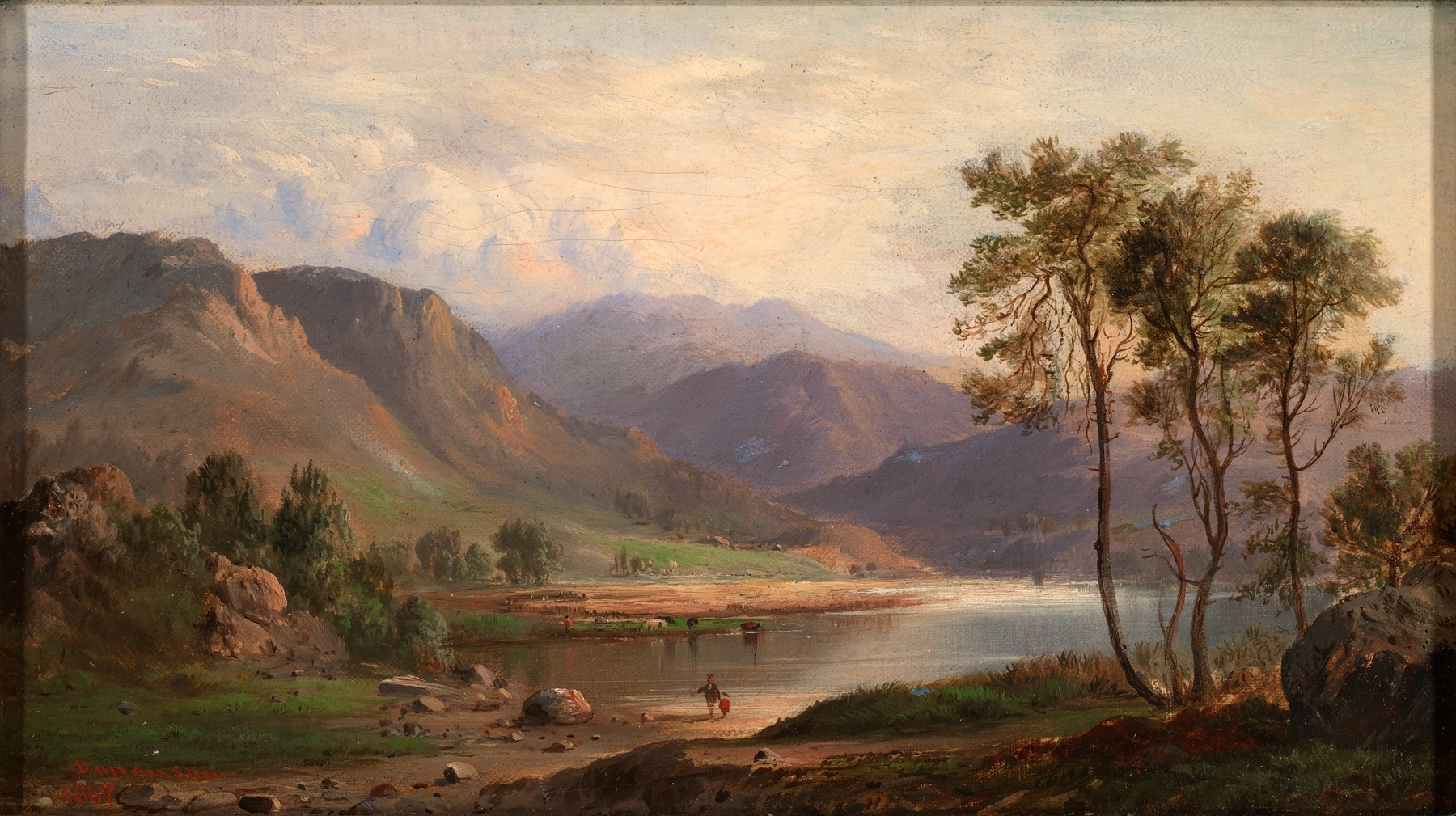
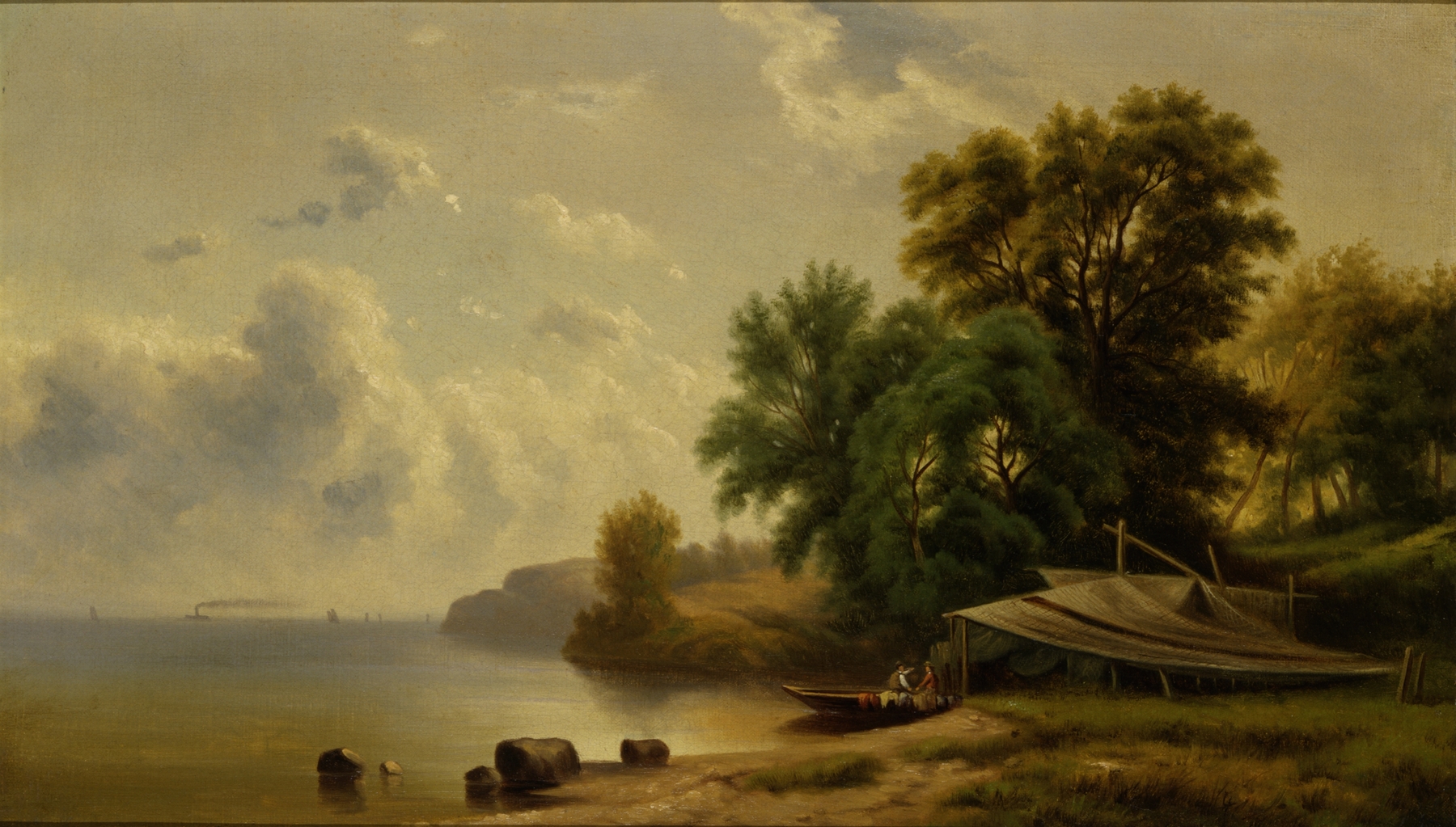
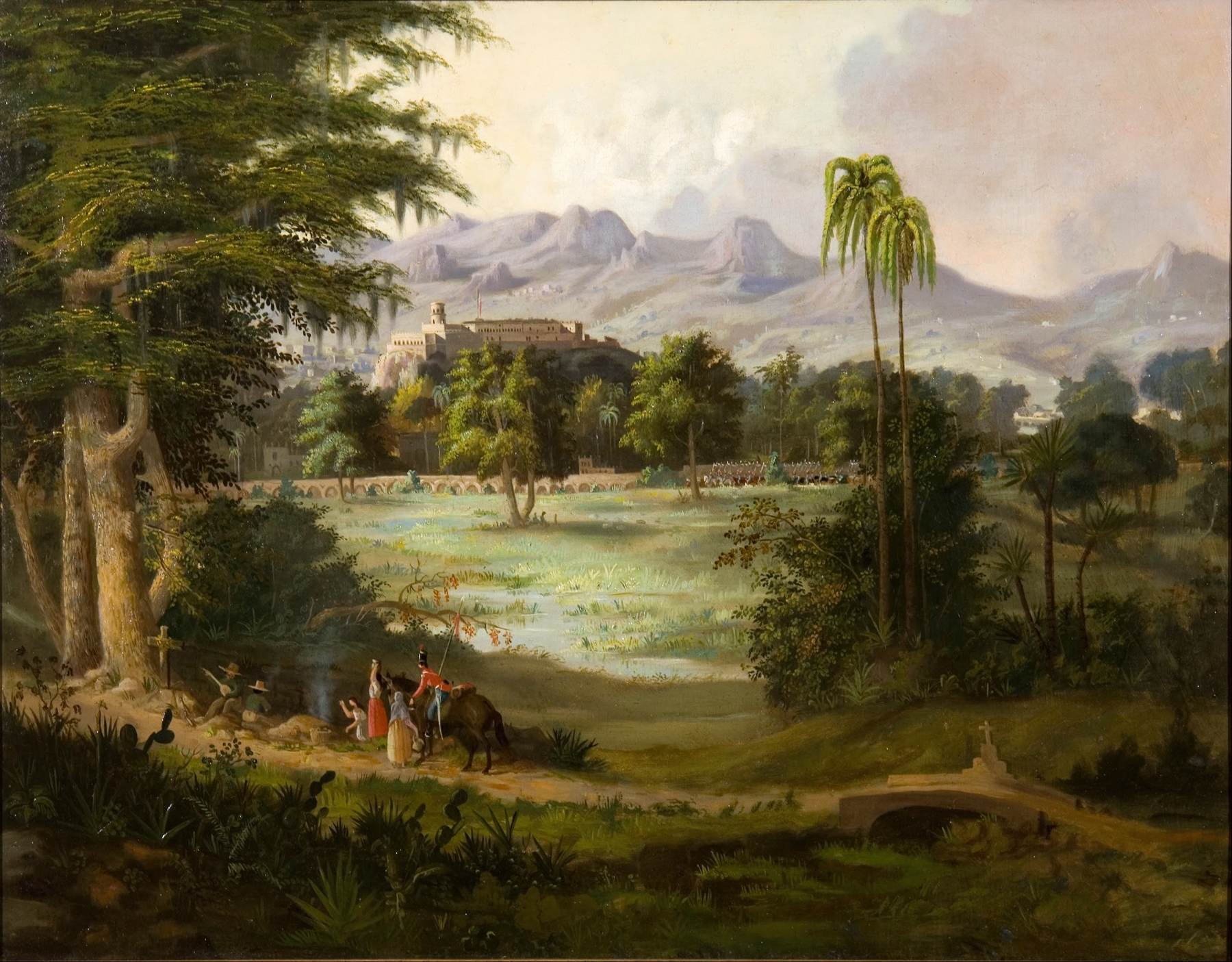
“Between color and silence, truth hides.” In the quiet corners of existence, it is often the absence that speaks the loudest, echoing the tales of loss and longing. Look to the center of the canvas, where the grand structure of Chapultepec Castle rises majestically against the backdrop of an expansive sky. The artist employs a palette of soft greens and warm earth tones, inviting the viewer into a serene yet melancholic landscape. Notice how the light dances off the castle's walls, casting gentle shadows that seem to whisper secrets of the past while guiding your eye to the intricate details of the architecture and the surrounding nature.
Delve deeper into the emotional layers woven into this scene. The castle stands as a poignant symbol of history, power, and the inevitable passage of time, suggesting both beauty and decay. The lush vegetation enveloping the building enhances a sense of nostalgia, hinting at the vibrant life that once flourished there, now overshadowed by silence and absence. Such contrasts between the lively landscape and the stoic structure evoke a narrative of loss intertwined with resilience.
In his career, Robert S. Duncanson captured the essence of American landscapes during the mid-19th century, a time when he sought to affirm his identity as an artist of color in a predominantly white artistic community. Creating this piece in the wake of personal and societal challenges, Duncanson's work reflects a yearning for belonging and connection, both to his heritage and the broader narrative of American art.