Scottish Landscape — History & Analysis
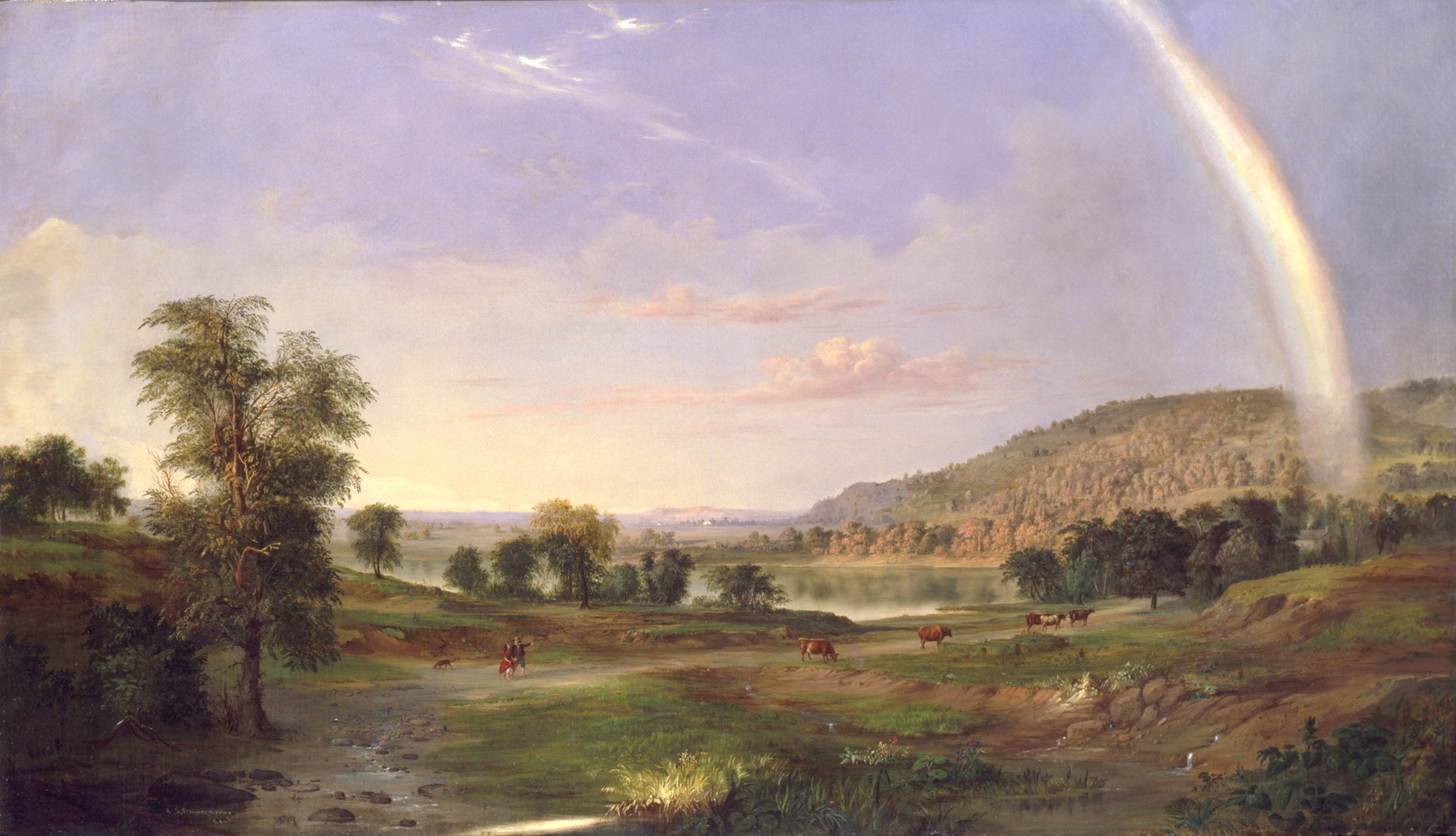
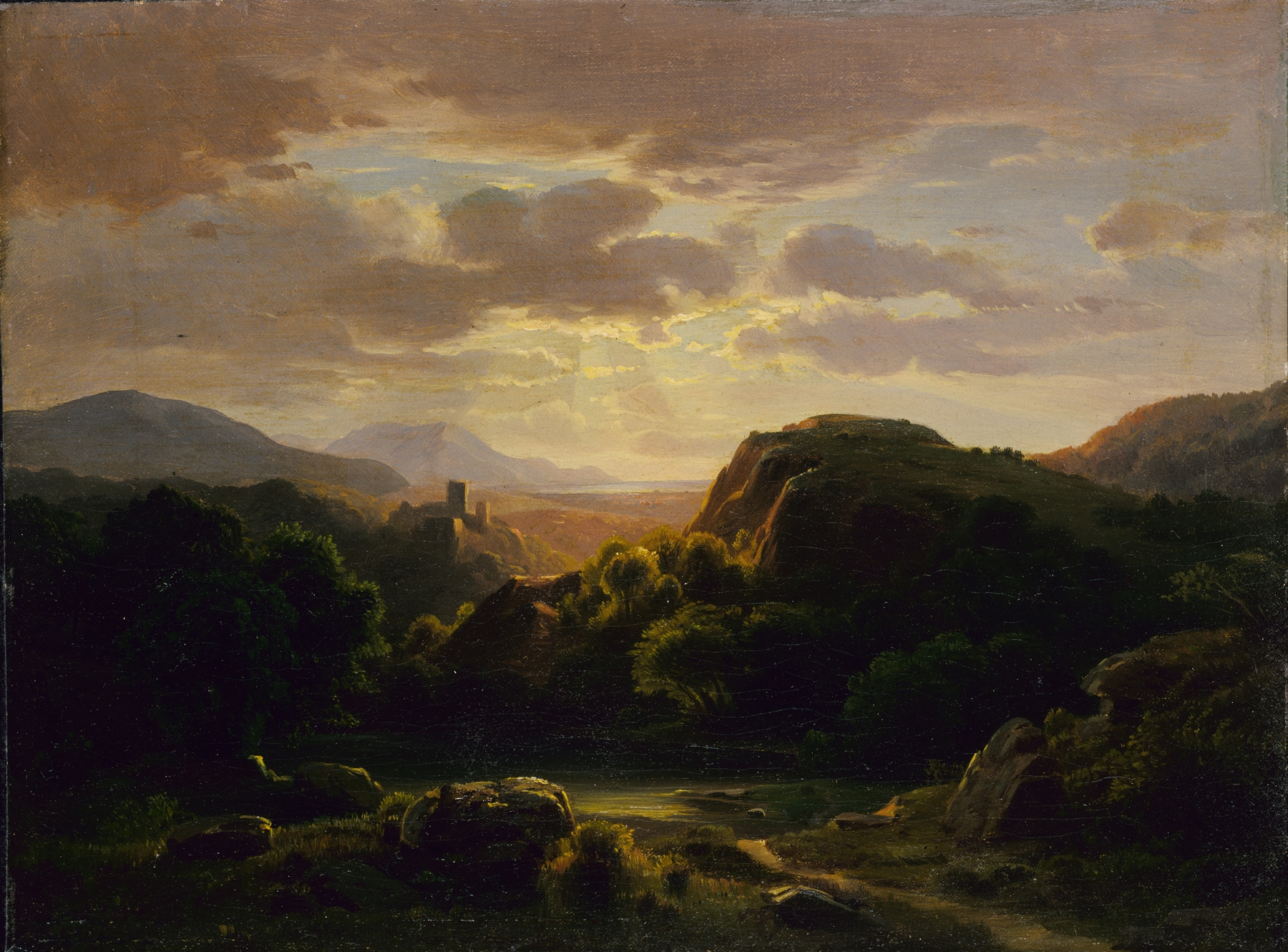
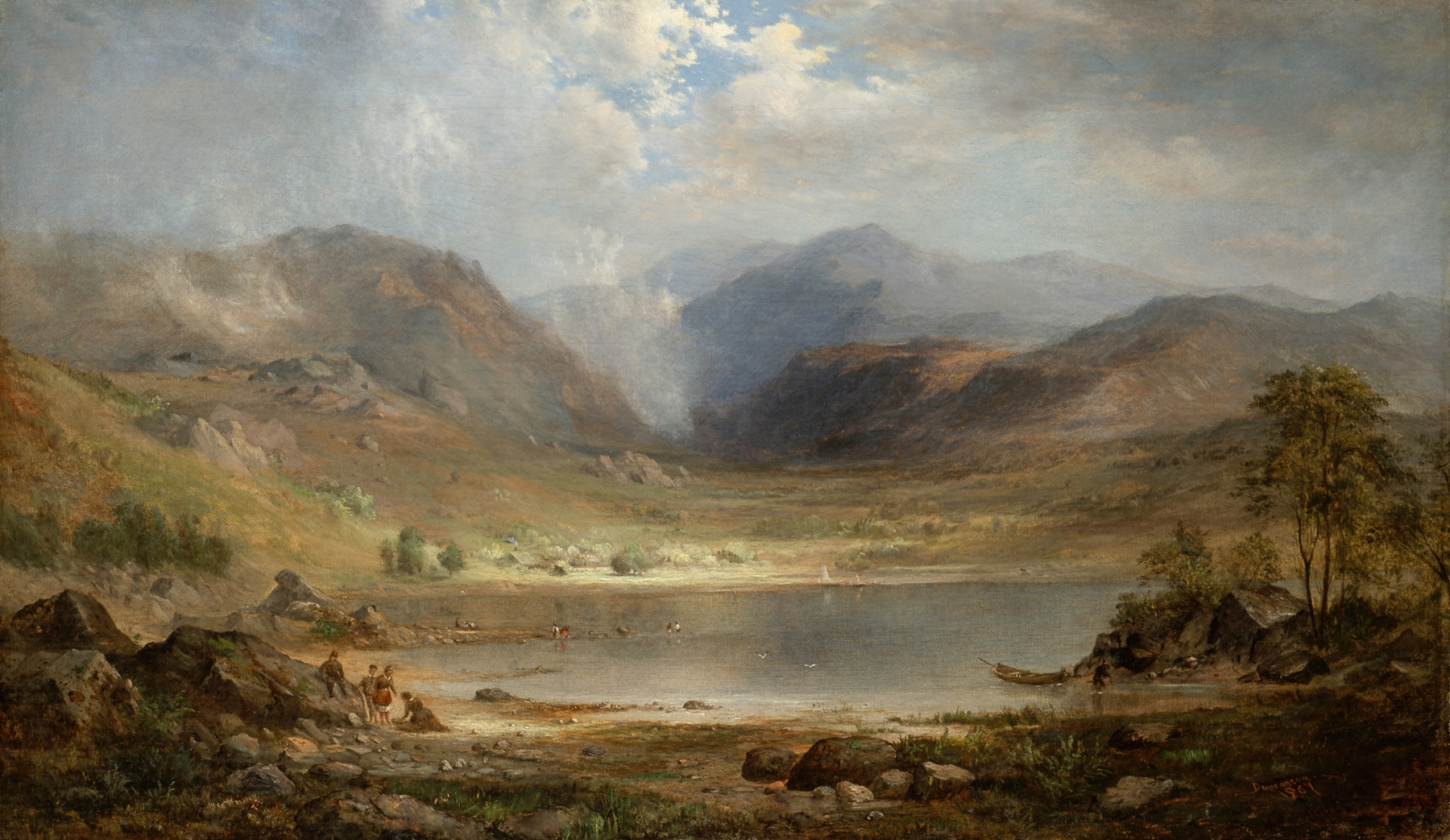
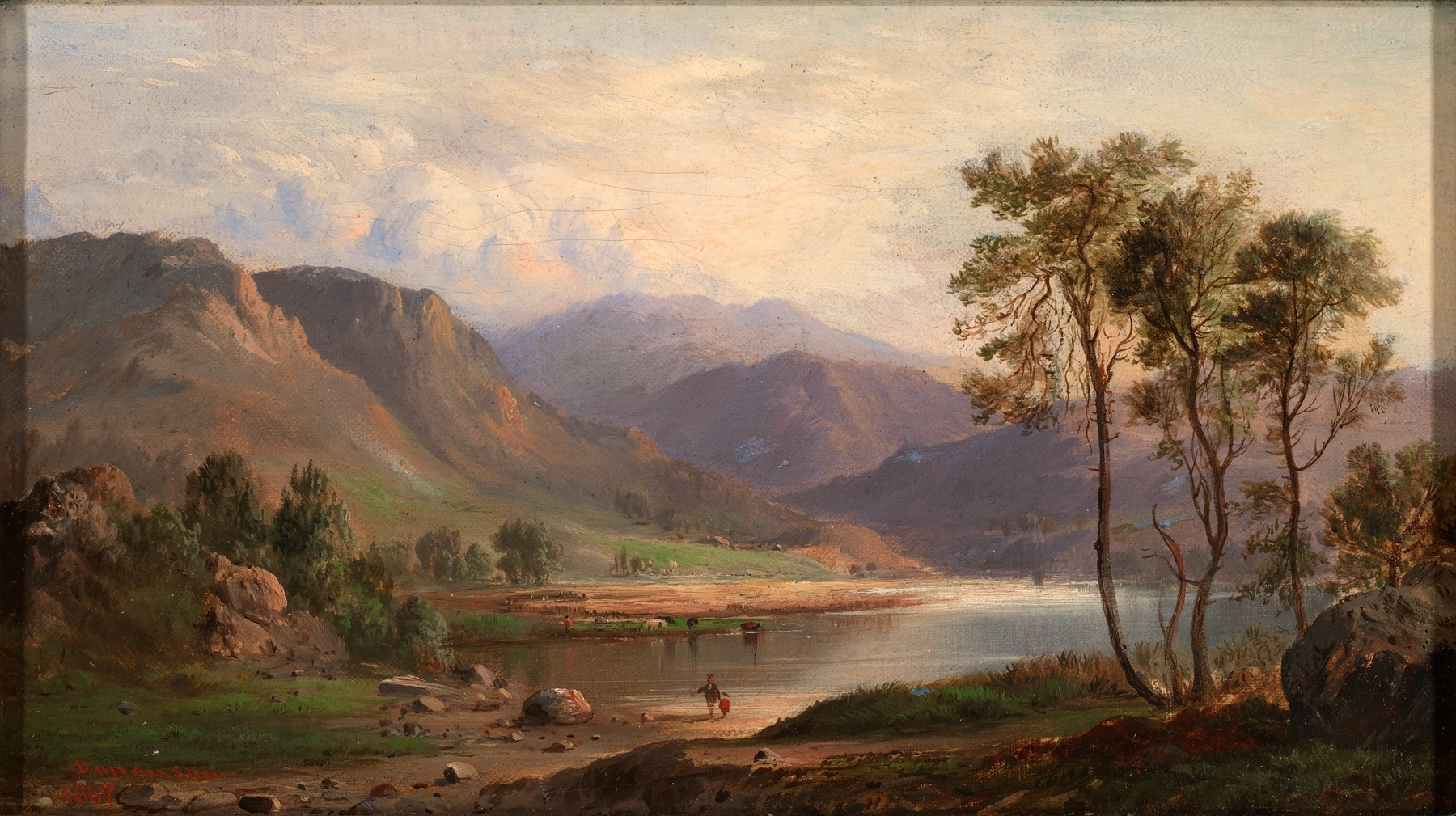
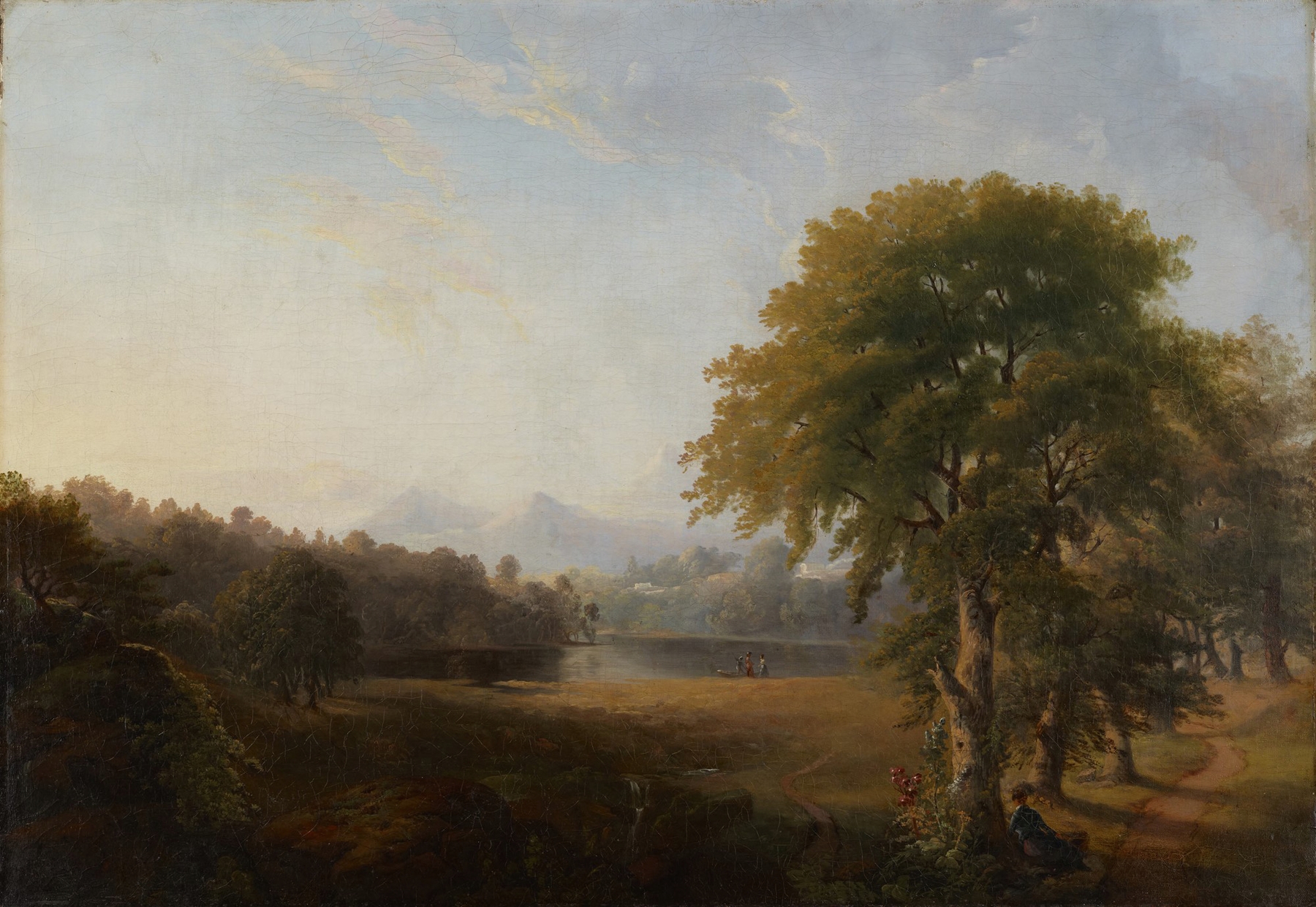
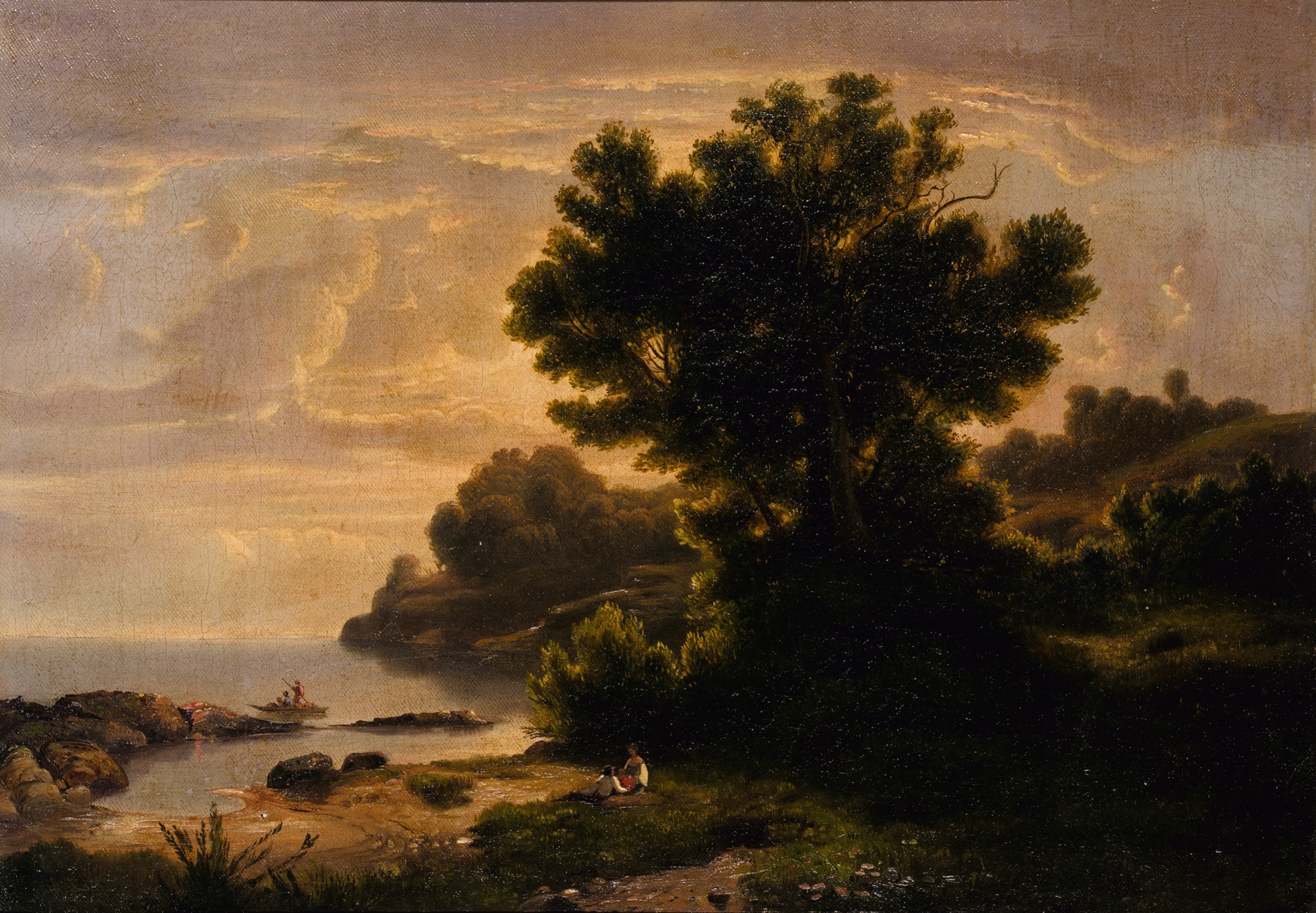
“Between color and silence, truth hides.” In the quiet embrace of nature, a profound yearning resonates, echoing through the undulating hills and expansive skies of a Scottish landscape. Each brushstroke whispers of memories, longing, and the emotional landscape of the heart. Look to the left at the prominent green hill, which gently rises like a guardian watching over a serene valley. The play of light dances across the surface, illuminating patches of wildflowers that burst forth with splashes of vibrant color.
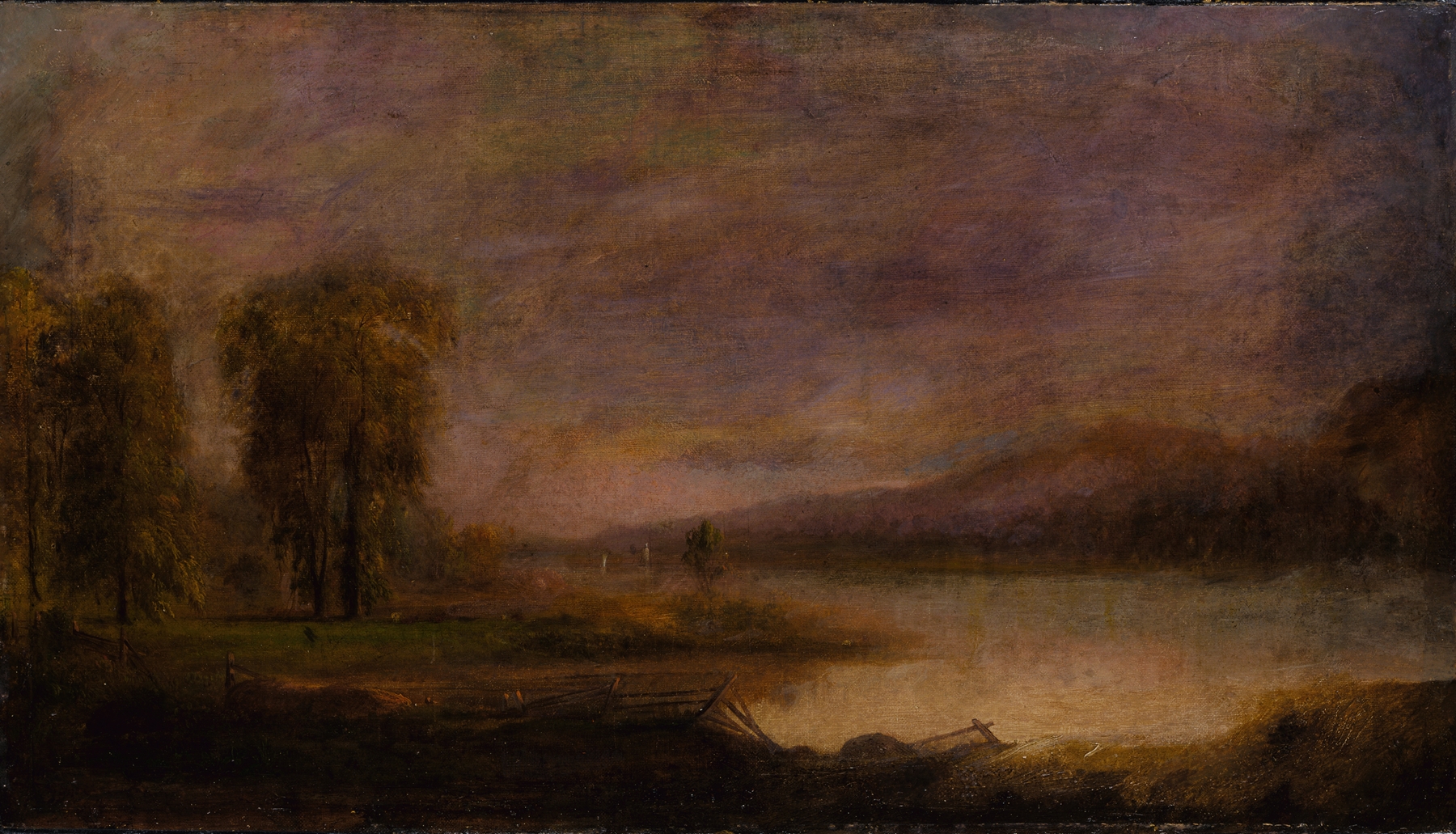
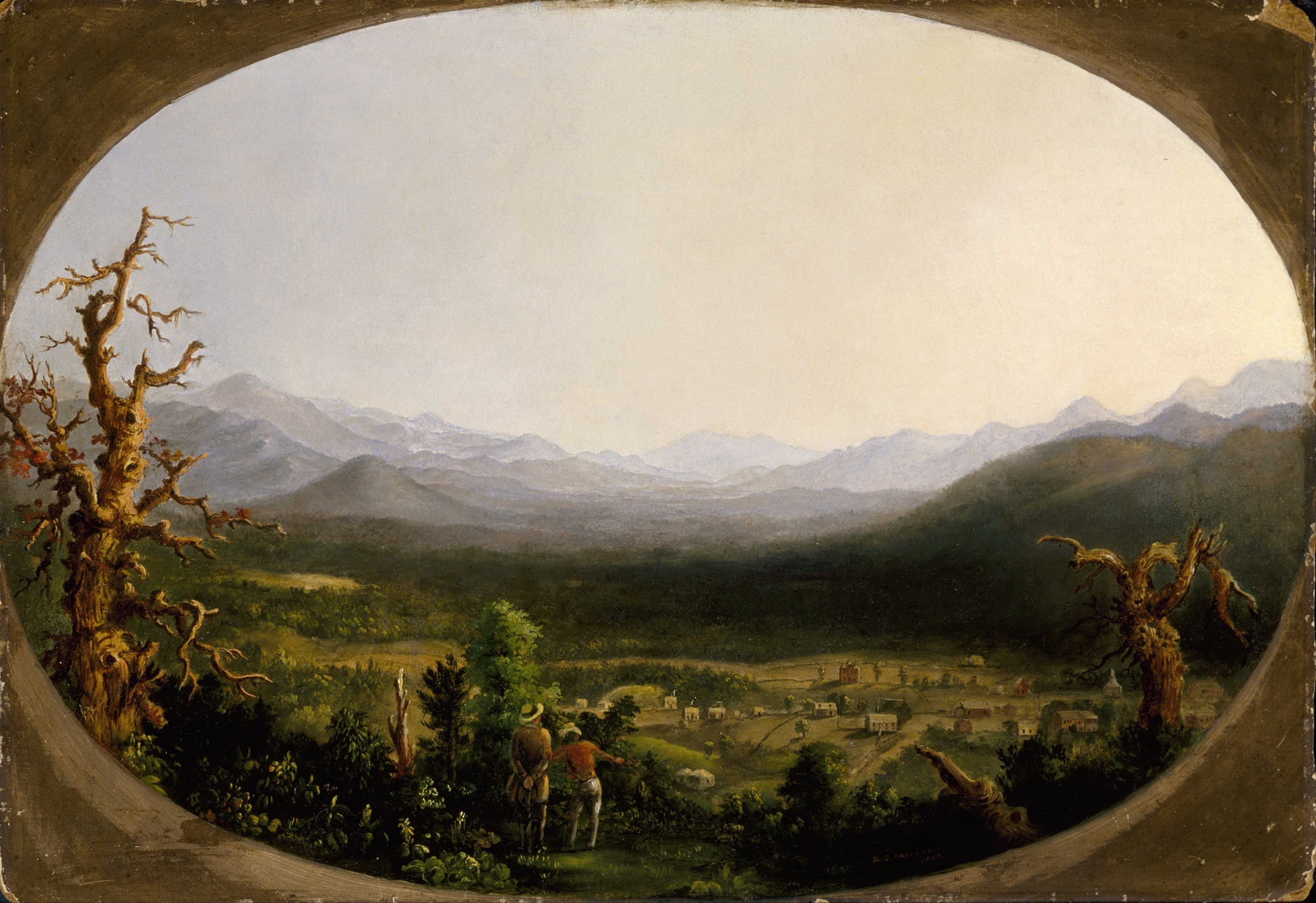
Notice how the distant mountains fade into a soft blue haze, drawing your eyes towards the horizon, while the delicate clouds, tinted with soft pastels, evoke a sense of calm. Here, the artist expertly employs a balance of warm and cool tones, guiding the viewer’s gaze through a landscape that feels both inviting and enigmatic. In the foreground, contrasting hues create a subtle tension between the lush greenery and the cool, shadowy areas where mystery lingers. The winding path leads the viewer deeper into the scene, suggesting a journey both physical and emotional, where the viewer might explore their own feelings of nostalgia and longing.
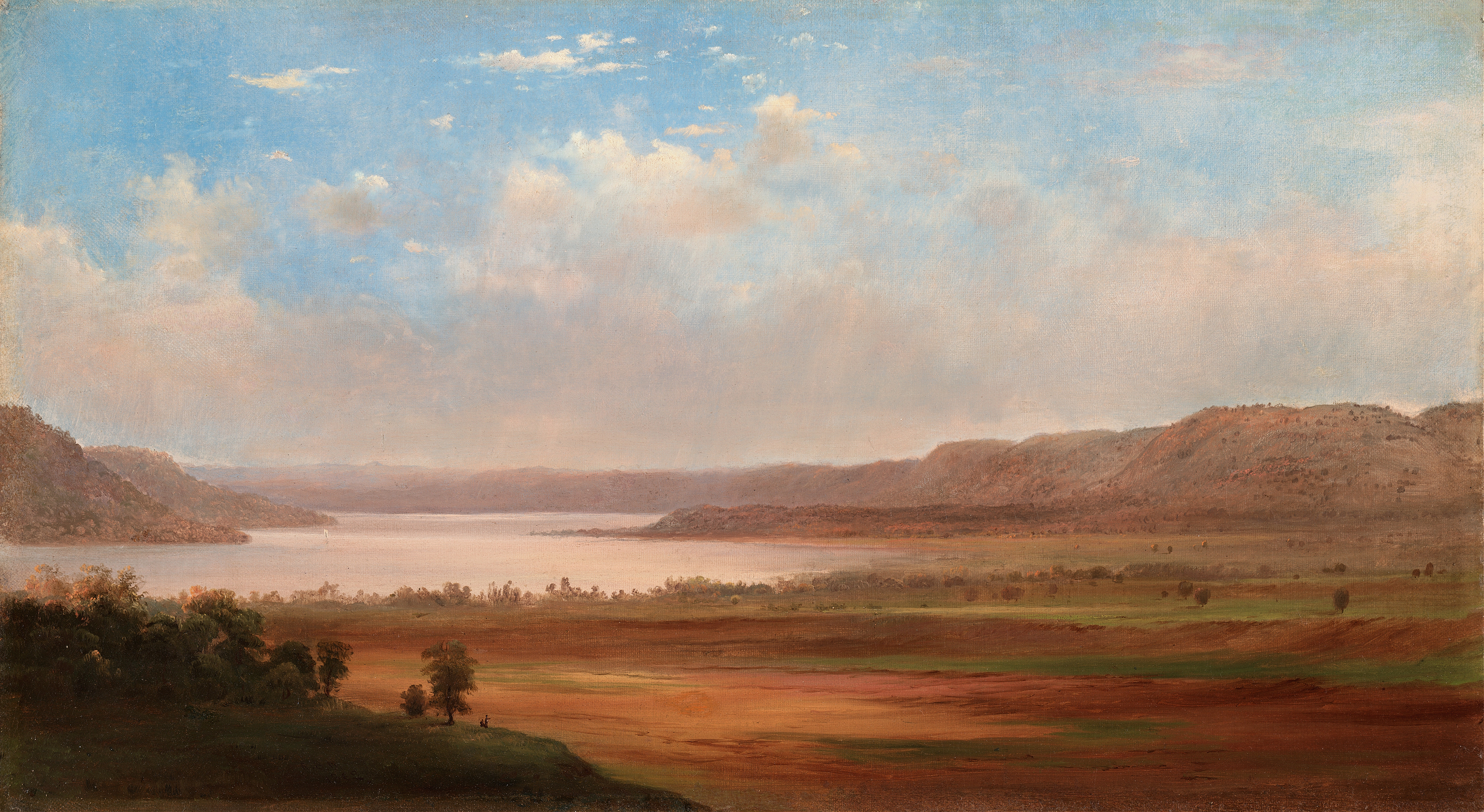
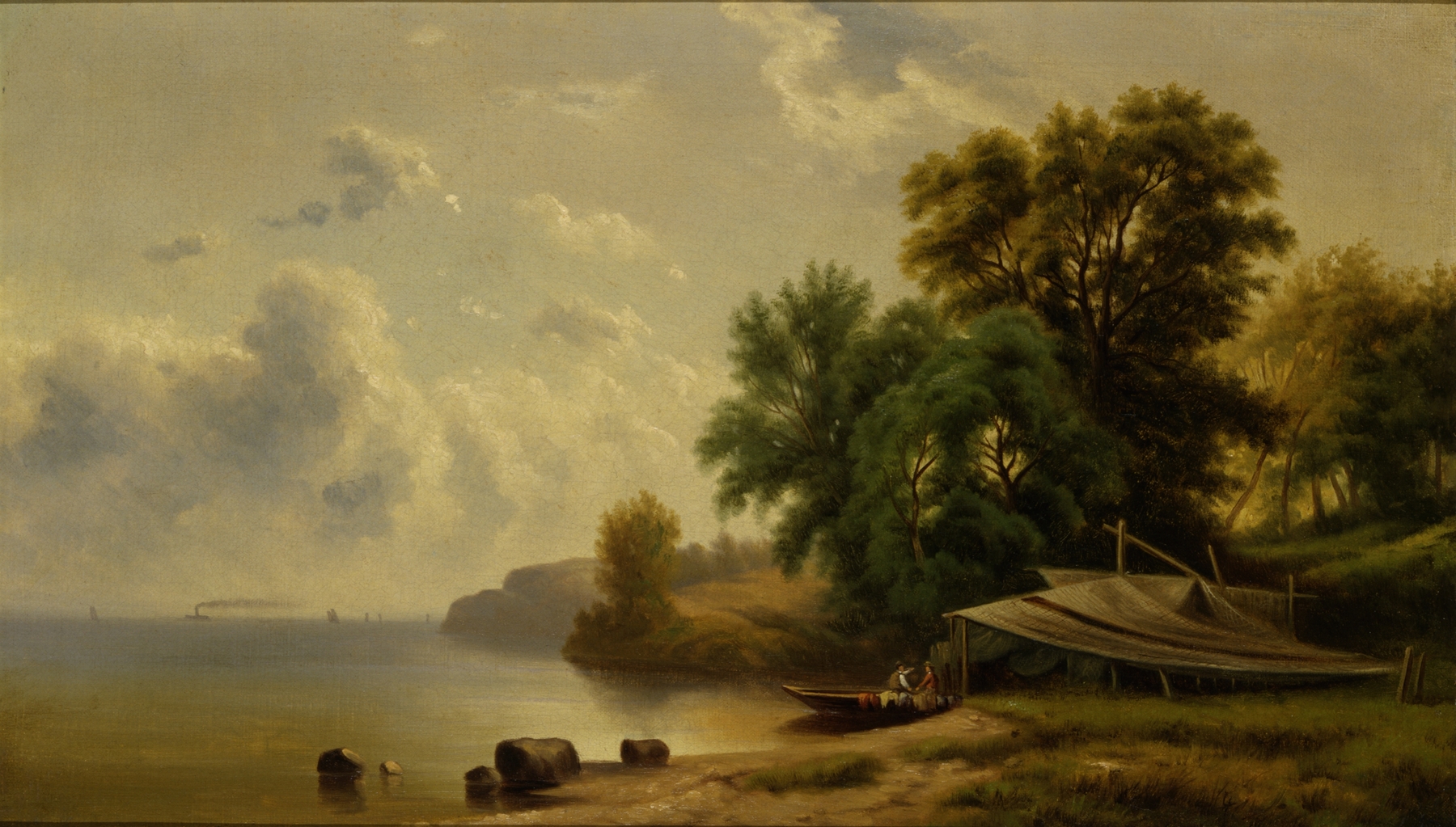
Each element— from the sprawling expanse to the intimate details— speaks to the duality of nature's beauty and the fleeting nature of time. Created in 1871, this work emerged during a transformative period for the artist, who was based in the United States but was deeply influenced by European landscape traditions. Duncanson was establishing his reputation as a leading African American painter, navigating a world still rife with racial tensions. His dedication to capturing the serene beauty of the natural world provided both an escape and a powerful statement amidst the social struggles of his time.