
Char d’Anvers ou d’Albert et d’Isabelle — History & Facts
Who listens when art speaks of silence? In Char d’Anvers ou d’Albert et d’Isabelle, the stillness of time is palpable, offering a poignant reflection on mortality and the transient nature of existence. Look to the center of the canvas, where two figures occupy a horse-drawn cart, their expressions drawn into the solemnity of their journey. The muted palette of greys and browns accentuates the weight of the moment, while the soft interplay of light casts shadows that seem to whisper secrets of the past. Notice how the artist employs delicate brushwork to evoke textures of cloth and skin, inviting the viewer to ponder the narratives woven into the very fabric of life. As your gaze wanders the scene, consider the contrasting elements of the cart’s sturdy structure against the ethereal softness of the figures.
This juxtaposition reflects the tension between the physical world and the ephemeral nature of human experience. The distant landscape hints at an unseen horizon, symbolizing the uncertain future that awaits the couple, while their introspective demeanor acknowledges the inevitable passage of time, reminding us of our own mortality. Created in 1856, this work emerged during a period when Helbig was experimenting with naturalism, deeply influenced by the socio-economic changes of his time. Living in France, he observed the shifts in society that accompanied the Industrial Revolution and its impact on personal identities.
This painting encapsulates his exploration of human frailty, inviting viewers to confront the profound silence that accompanies both life and death.
More Artworks by Jules Helbig
Browse all →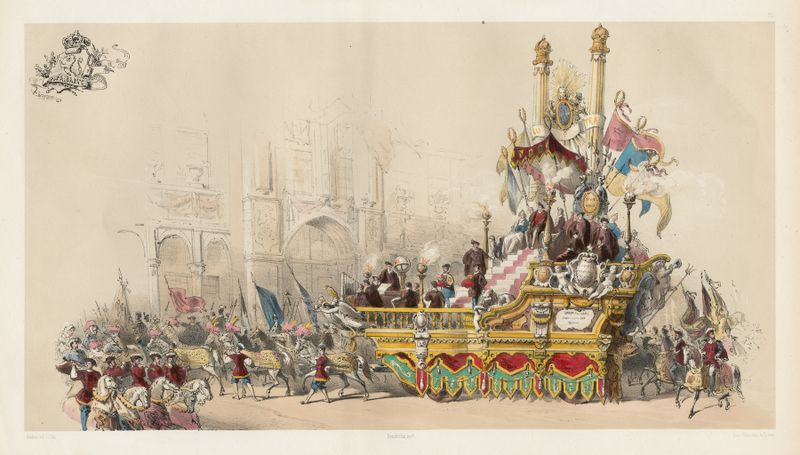
Char du Brabant ou de Charles Quint
Jules Helbig
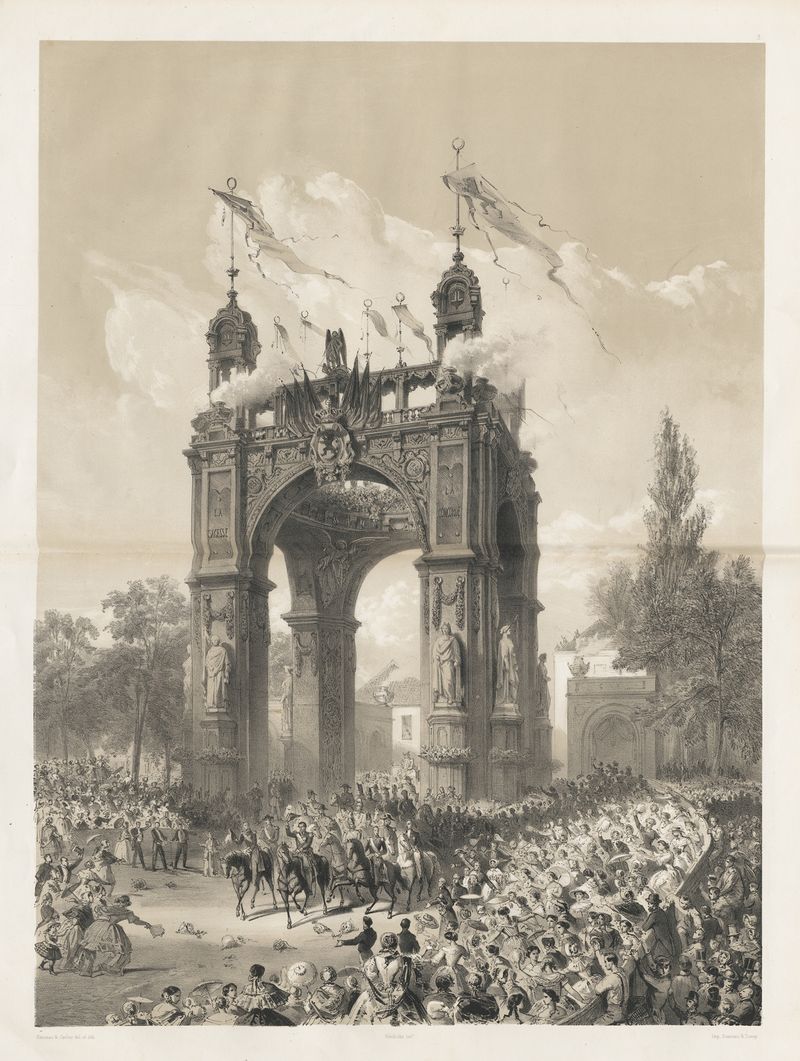
Réception du roi a la Porte de Laeken
Jules Helbig
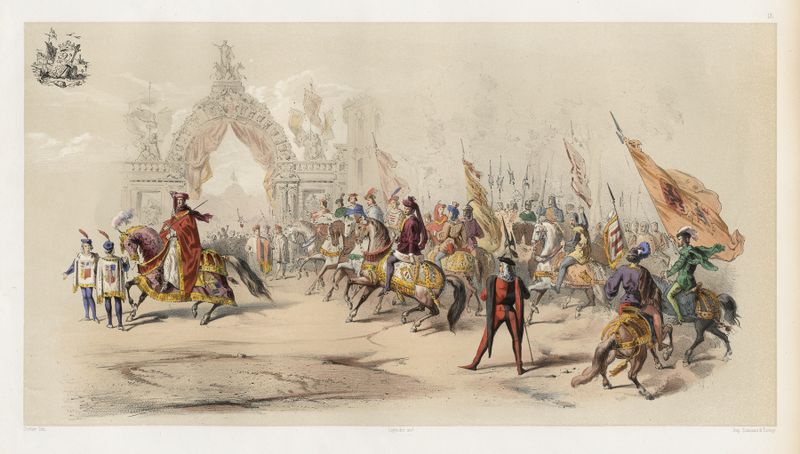
Cortége de la Toison d’or envoyé par la ville de Bruges
Jules Helbig

Char de l’Agriculture envoyé par la ville de Nivelles
Jules Helbig

Cortége de la Toison d’or envoyé par la ville de Bruges
Jules Helbig

Décoration de la Place des Palais
Jules Helbig

Char de l’Armurerie Liégeoise
Jules Helbig

Cortége de la Toison d’or envoyé par la ville de Bruges
Jules Helbig
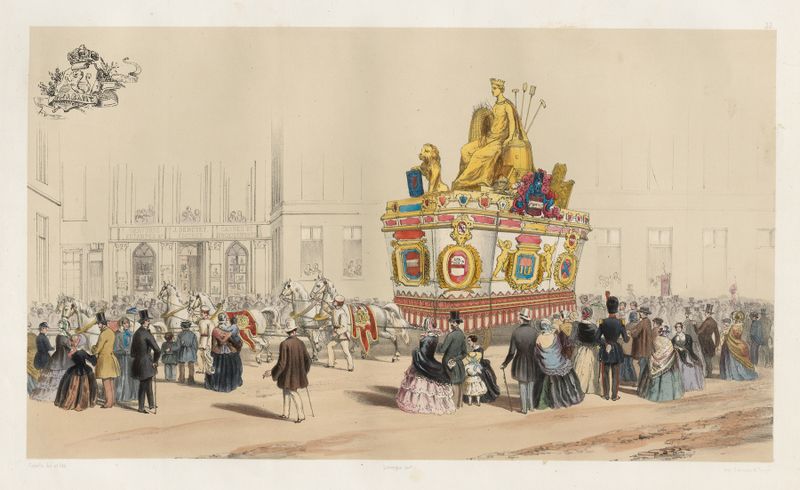
Char des Brasseurs de Louvain
Jules Helbig

Char du Luxembourg ou de Godfroid-de-Bouillon
Jules Helbig





