
Char de l’Agriculture envoyé par la ville de Nivelles — History & Facts
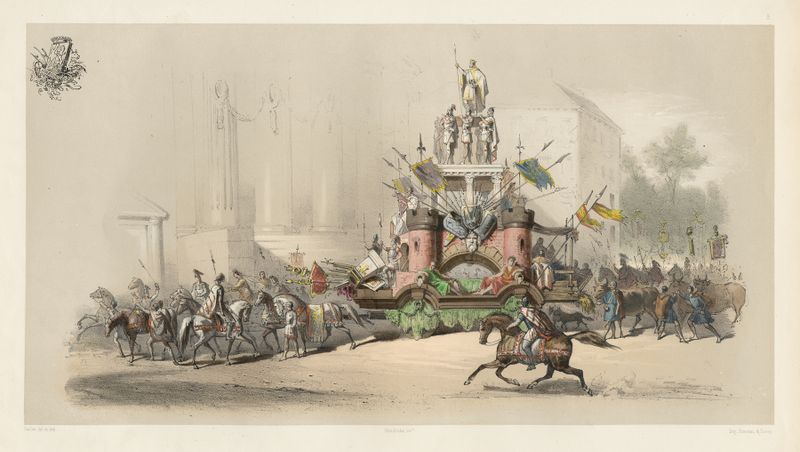
In the quiet aftermath of labor, how do we honor the pulse of the earth and its stewards? Look closely at the intricate details of Char de l’Agriculture envoyé par la ville de Nivelles, and your eye will first be drawn to the exuberance of the figures, their faces illuminated by a gentle light that seems to dance across the canvas. The vibrant colors—rich greens and earthy browns—create a tapestry of life, while the carriage, laden with harvest, occupies a central position, symbolizing abundance and the toil of the land. Notice how Helbig’s careful brushwork gives texture to the grain and the expressions of pride and fatigue on the farmers’ faces. Delve deeper, and you will find layers of meaning woven into the scene.
The contrast between the hard labor of the men and the bounty they carry speaks to the duality of agriculture—both gift and burden. The serene backdrop of the countryside serves as a reminder of the connection between nature and humanity, an obsession with the cycles of life that sustain us. Yet, there’s an undercurrent of tension; the vitality of the harvest is juxtaposed against the reality of laborious days and the relentless passage of time. In 1856, while painting this work, the artist was in the midst of a flourishing career, influenced by the Romantic movement that sought to capture the sublime in everyday life.
Helbig was deeply embedded in the cultural currents of Belgium, where the agricultural practices and rural landscapes were undergoing significant transformation. His portrayal of agricultural themes reflected both a reverence for tradition and an acknowledgment of the changing times, offering a poignant snapshot of a moment in history.
More Artworks by Jules Helbig
Browse all →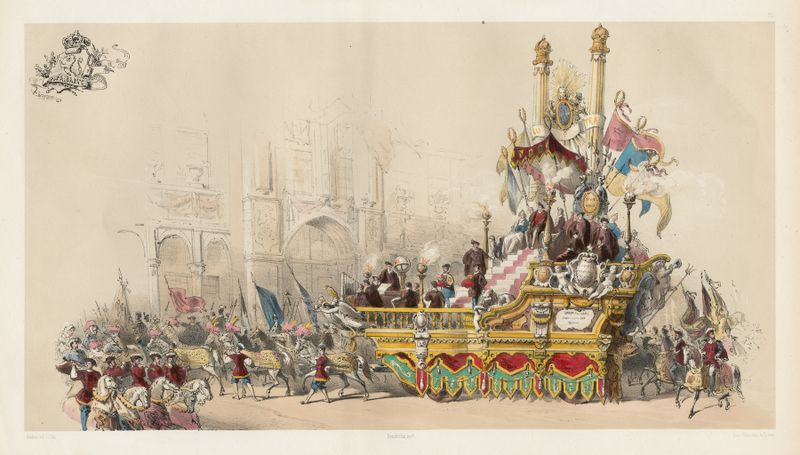
Char du Brabant ou de Charles Quint
Jules Helbig
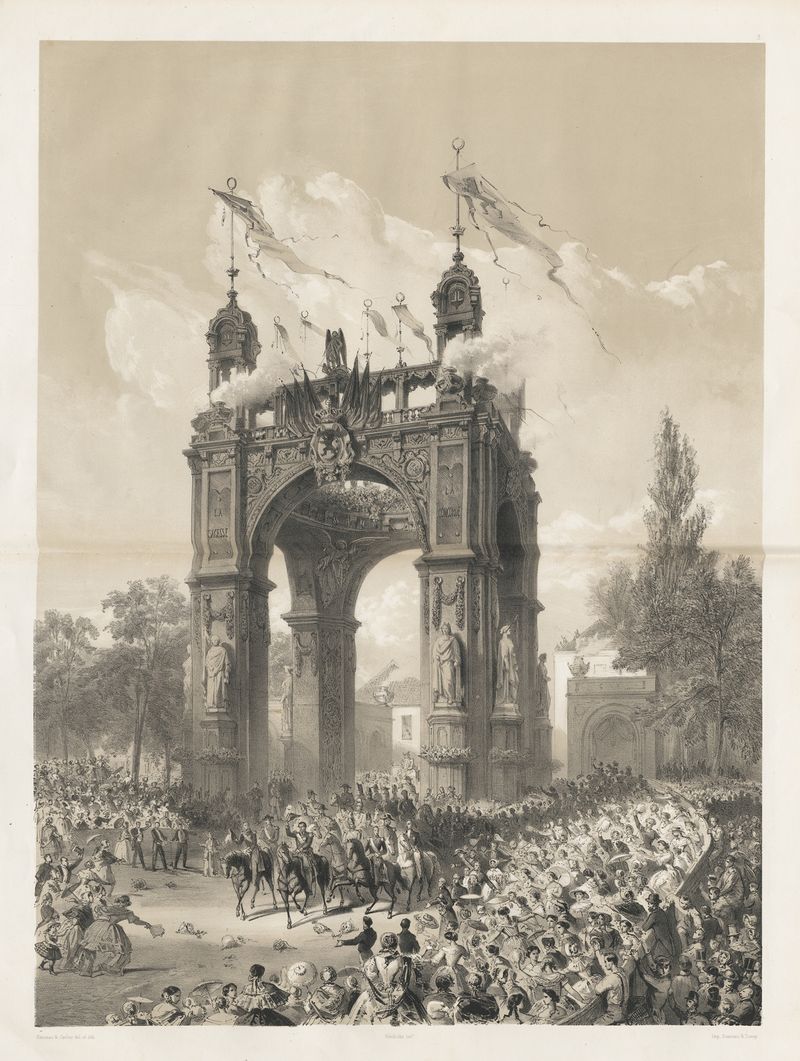
Réception du roi a la Porte de Laeken
Jules Helbig
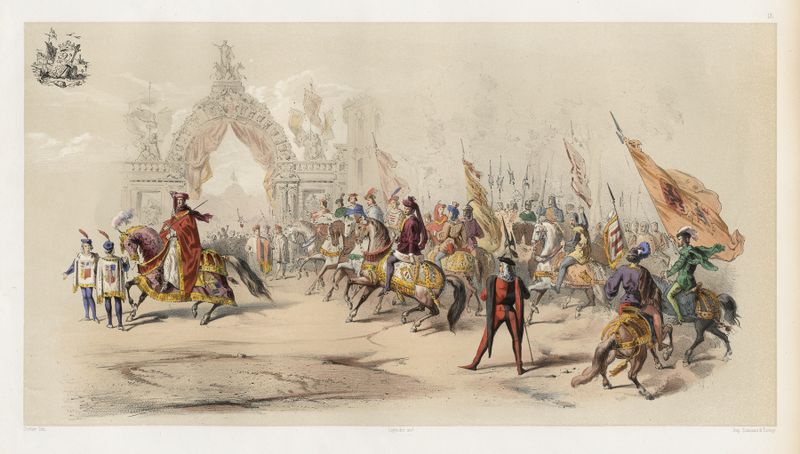
Cortége de la Toison d’or envoyé par la ville de Bruges
Jules Helbig

Cortége de la Toison d’or envoyé par la ville de Bruges
Jules Helbig

Décoration de la Place des Palais
Jules Helbig

Char de l’Armurerie Liégeoise
Jules Helbig

Cortége de la Toison d’or envoyé par la ville de Bruges
Jules Helbig
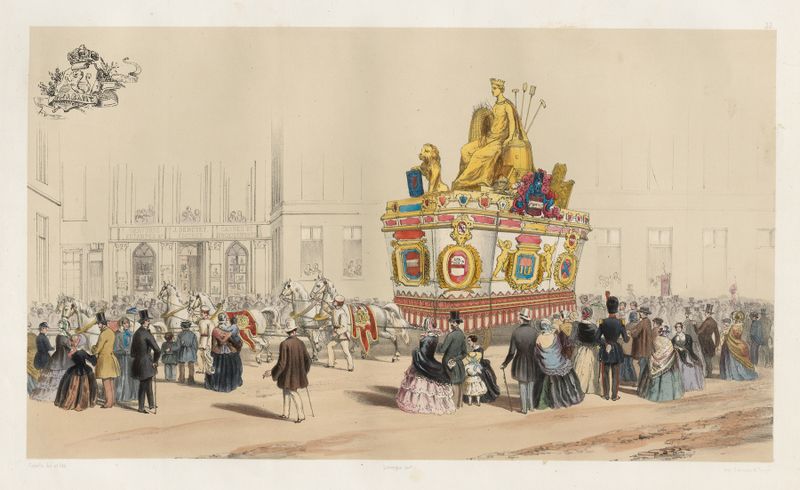
Char des Brasseurs de Louvain
Jules Helbig

Char du Luxembourg ou de Godfroid-de-Bouillon
Jules Helbig
Char du Limbourg ou des Francs Saliens
Jules Helbig
More Historical Art
Browse all →
The Night Watch Militia Company of District II under the Command of Captain Frans Banninck Cocq
Rembrandt van Rijn

Lincoln Memorial
Henry Bacon

The Third of May 1808
Francisco de Goya

Isaac and Rebecca, Known as ‘The Jewish Bride’
Rembrandt van Rijn

The Charge of the Mamelukes (1814)
Francisco de Goya

De vier ruiters van de apocalyps
Albrecht Dürer