
Char de Gand ou de l’Horticulture — History & Facts
In the vibrant swirl of hues and tones, color transforms into a living entity, pulsating with energy and emotion. Look to the lower half of the canvas, where a rich tapestry of greens and browns intertwines, suggesting the earth's embrace. Notice how the bold strokes of deep reds and yellows rise up, evoking the spirit of blooming flowers and flourishing gardens. The contrast of warm and cool colors creates a sense of movement, drawing the eye across the composition, inviting contemplation on the dynamic relationship between life and nature. Within this exuberant foliage lies a deeper message—an interplay between the natural world and human intervention.
The forceful brushwork hints at both the chaos of growth and the beauty it yields, symbolizing the tension between cultivation and the wild. Moreover, Helbig’s use of color not only celebrates horticulture but also signifies the passage of time, reflecting seasons of life through a vivid spectrum. In 1856, while living in Paris, Jules Helbig painted this piece at a time when the Impressionist movement was beginning to emerge. The art world was shifting, and artists were increasingly captivated by color and light as means to express emotion.
Helbig, influenced by these developments, sought to capture the vitality of nature within his work, marking a significant moment in his career as he embraced the transformative power of color.
More Artworks by Jules Helbig
Browse all →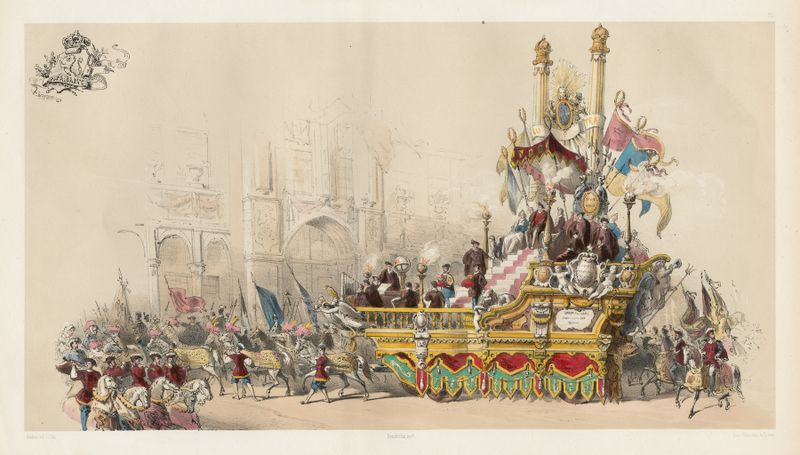
Char du Brabant ou de Charles Quint
Jules Helbig
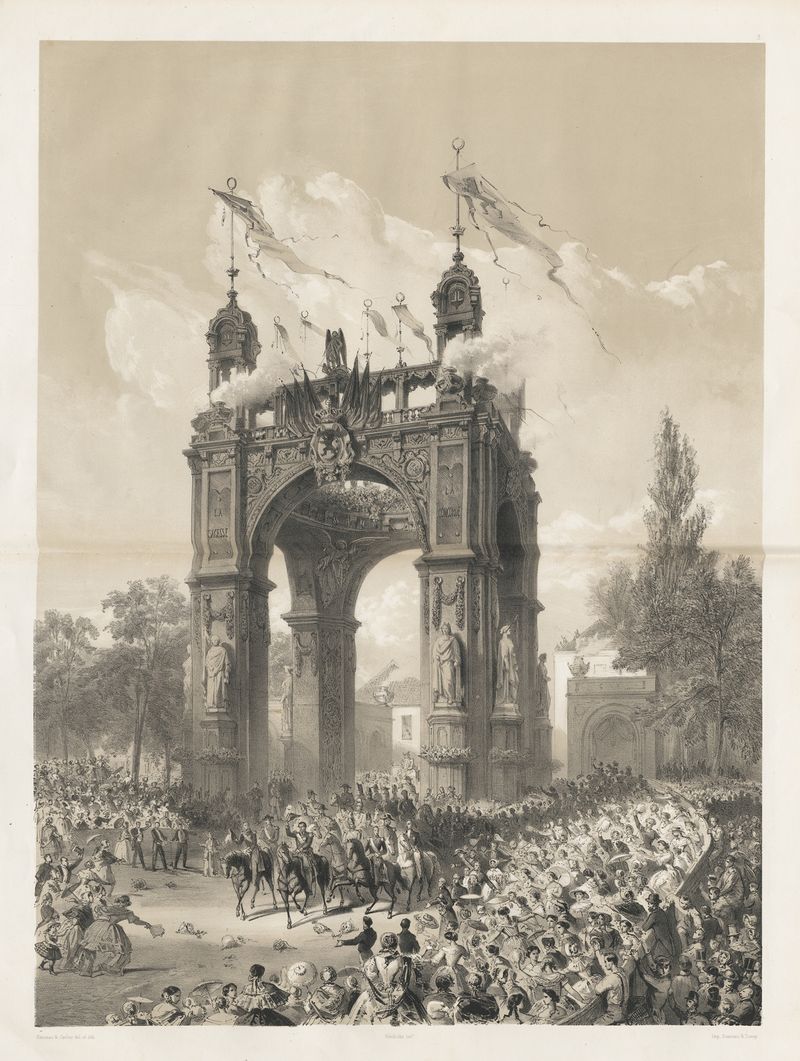
Réception du roi a la Porte de Laeken
Jules Helbig
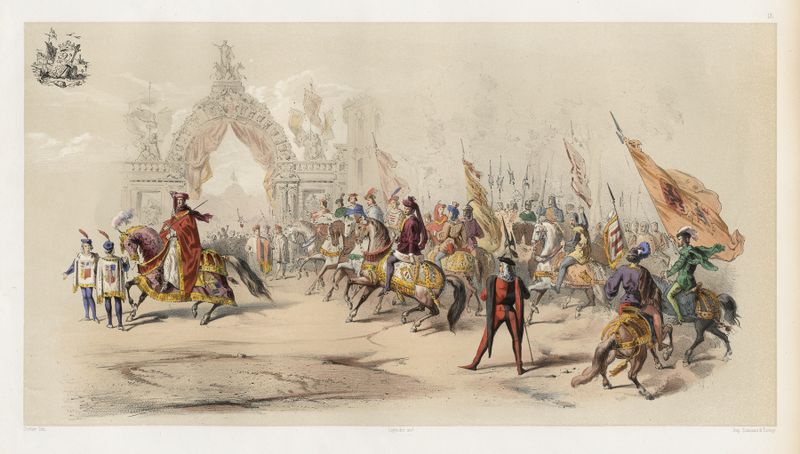
Cortége de la Toison d’or envoyé par la ville de Bruges
Jules Helbig

Char de l’Agriculture envoyé par la ville de Nivelles
Jules Helbig

Cortége de la Toison d’or envoyé par la ville de Bruges
Jules Helbig

Décoration de la Place des Palais
Jules Helbig

Char de l’Armurerie Liégeoise
Jules Helbig

Cortége de la Toison d’or envoyé par la ville de Bruges
Jules Helbig
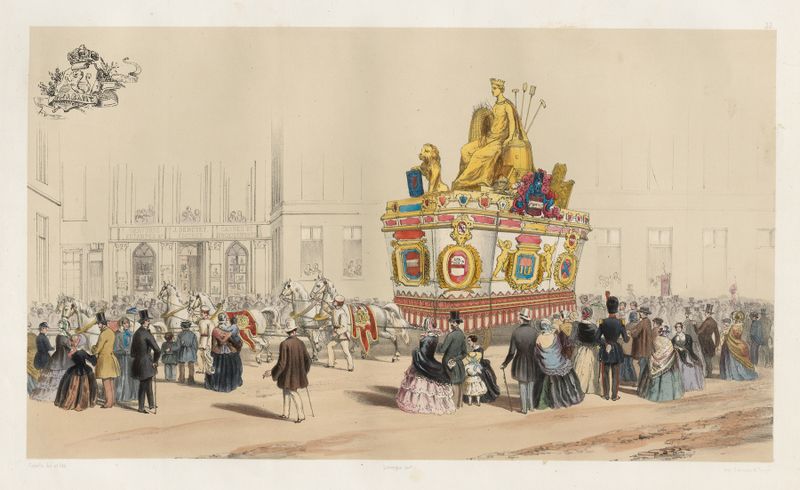
Char des Brasseurs de Louvain
Jules Helbig

Char du Luxembourg ou de Godfroid-de-Bouillon
Jules Helbig





