
Char industriel du Liége — History & Facts
Can beauty exist without sorrow? In Char industriel du Liége, the interplay of industry and nature casts a poignant reflection on the human condition, inviting contemplation on the cost of progress. Focus on the dark, swirling smoke that rises from the chimney, dominating the left side of the canvas. This contrasting backdrop of industrial might frames the delicate greenery in the foreground, where a few resilient trees stand defiantly against the encroaching gloom. The muted palette of grays and browns evokes a sense of heaviness, yet the subtle glimmers of light filtering through the haze hint at a fleeting hope.
Notice how Helbig skillfully balances these elements, using soft brushstrokes to convey the texture of the landscape, while sharper lines delineate the rigid structures of industry. Hidden beneath the surface lies a profound tension between nature and mechanization. The trees can symbolize the fragility of the natural world, overshadowed by the relentless march of industry. The smoke, while evidence of human endeavor, also serves as a reminder of the environmental toll, suggesting a bittersweet coexistence.
The emotional weight of melancholy resonates throughout the piece, inviting viewers to reflect on the sacrifices made in pursuit of advancement. Created in 1856, this work emerged during a period of rapid industrialization in Europe, specifically in Belgium. Helbig, influenced by his surroundings in Liège—a hub of coal and iron production—captured the duality of progress: the promise of prosperity entwined with an undercurrent of loss. His artistic voice emerged against a backdrop of transformation, where the beauty of nature began to yield to the relentless demands of industry.
More Artworks by Jules Helbig
Browse all →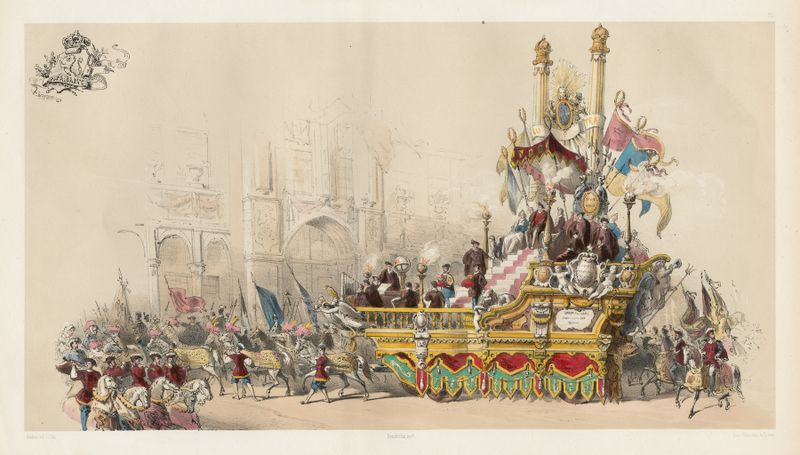
Char du Brabant ou de Charles Quint
Jules Helbig
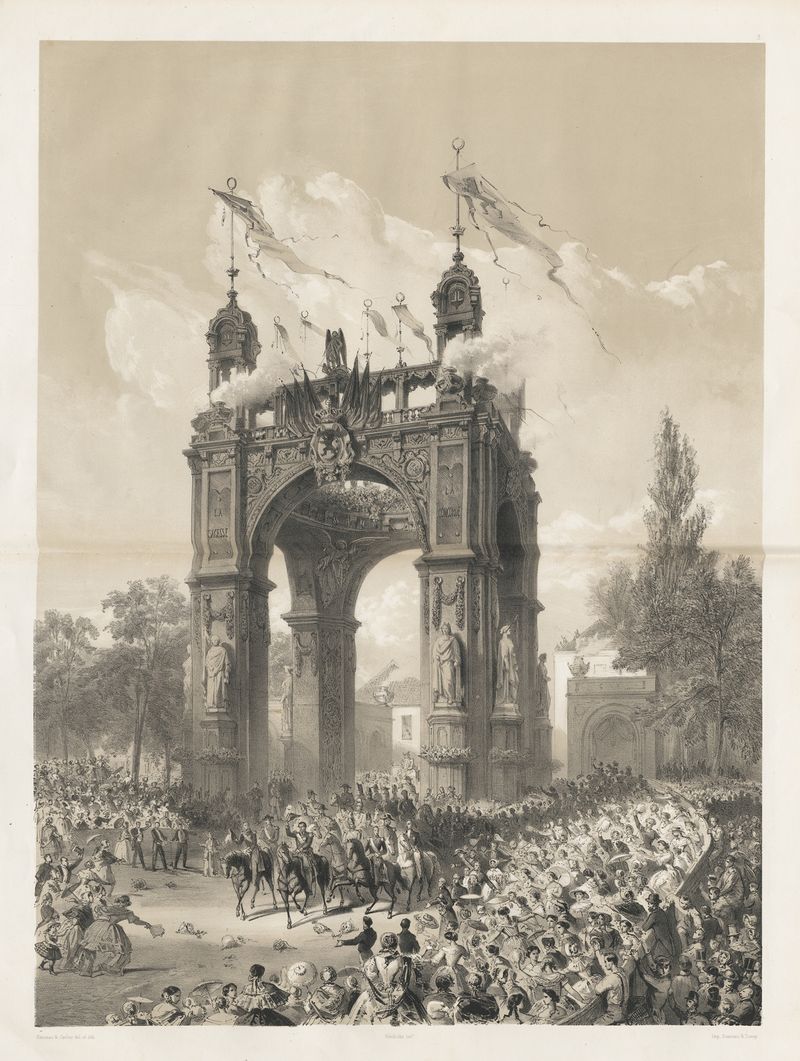
Réception du roi a la Porte de Laeken
Jules Helbig
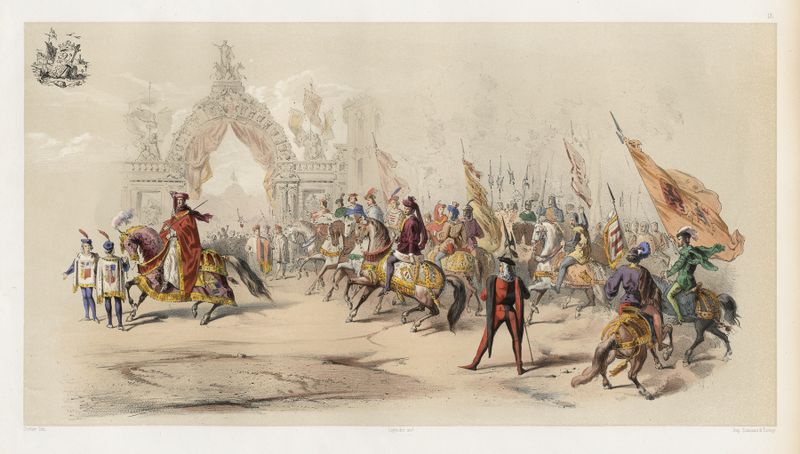
Cortége de la Toison d’or envoyé par la ville de Bruges
Jules Helbig

Char de l’Agriculture envoyé par la ville de Nivelles
Jules Helbig

Cortége de la Toison d’or envoyé par la ville de Bruges
Jules Helbig

Décoration de la Place des Palais
Jules Helbig

Char de l’Armurerie Liégeoise
Jules Helbig

Cortége de la Toison d’or envoyé par la ville de Bruges
Jules Helbig
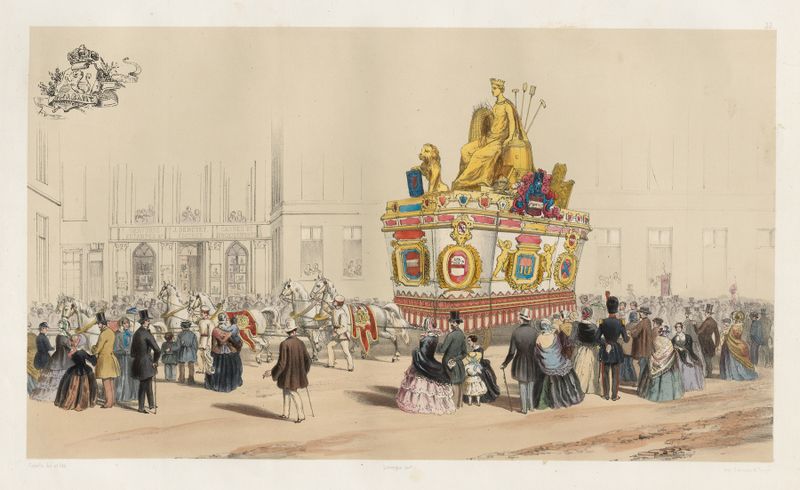
Char des Brasseurs de Louvain
Jules Helbig

Char du Luxembourg ou de Godfroid-de-Bouillon
Jules Helbig





