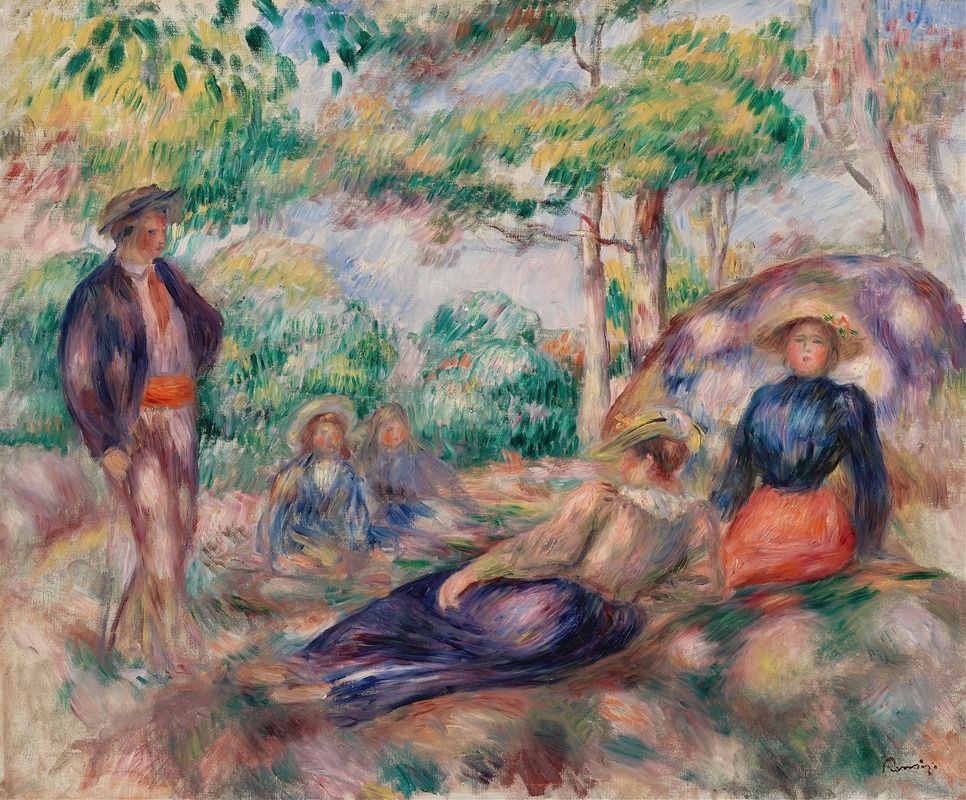
Discover insights about this artwork
Cheap Covered Coach — History & Facts
Cheap Covered Coach depicts a covered carriage being pulled by horses, set against a muted background. The coach is adorned with rich colors, showcasing deep reds and browns that contrast with the softer tones of the scene. The horses are depicted in motion, their muscles taut and powerful, while the coachman appears focused on his task.
This scene captures a moment of everyday life, blending realism with Goya's unique style. Take a closer look at the details of the coach, especially the intricate patterns that adorn its surface. The horses are painted with remarkable attention, showing their strength and grace. Notice the expressions on the faces of the horses, which convey a sense of urgency and energy.
Goya's technique allows the viewer to feel the movement and rhythm of the scene. Francisco de Goya was a prominent Spanish painter known for his expressive works that often reflected social issues. He painted Cheap Covered Coach during the late 18th century, a time when he was exploring themes of everyday life and the human condition. Goya's art transitioned from the Rococo style to a more personal and darker Romanticism as he aged.
An interesting fact is that Goya later became the official court painter for the Spanish royal family, which influenced many of his later works.
More Artworks by Francisco de Goya
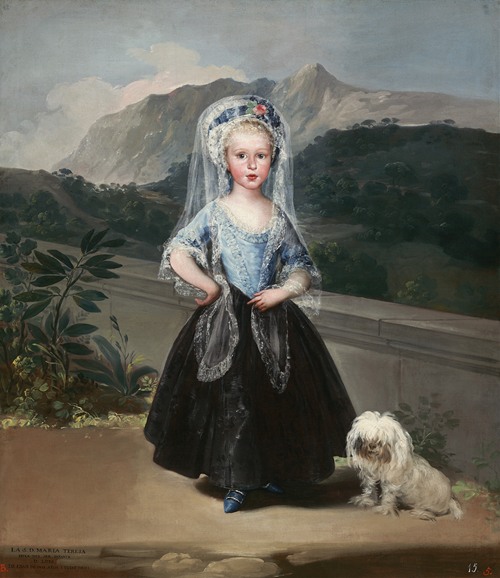
María Teresa de Borbón y Vallabriga,later Condesa de Chinchón
Francisco de Goya
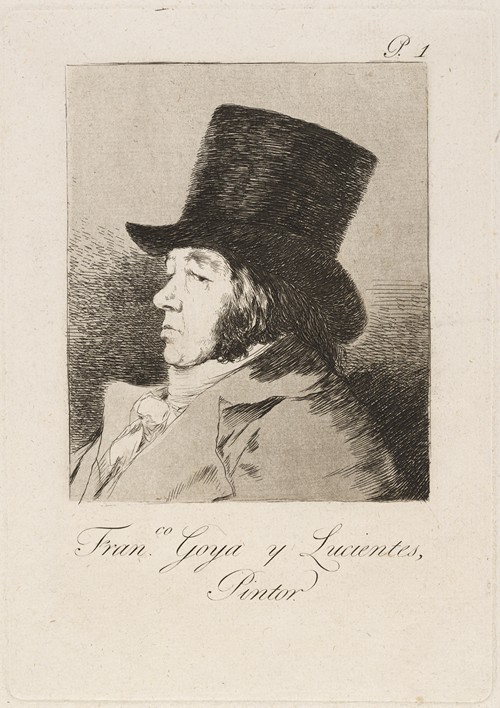
Francisco Goya y Lucientes, Pintor (Francisco Goya y Lucientes, painter)
Francisco de Goya
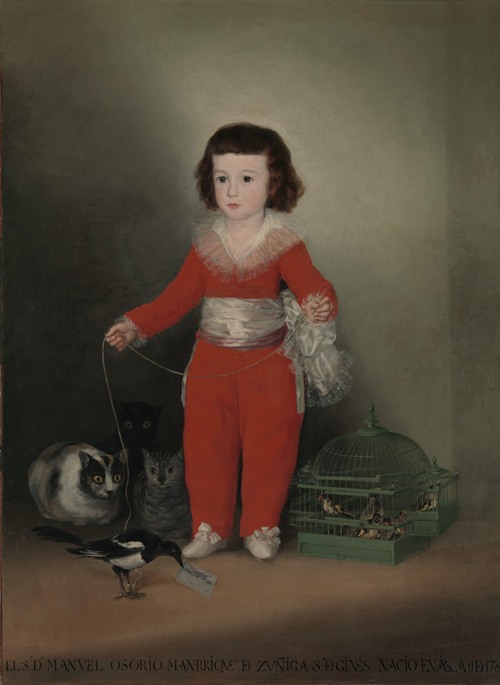
Manuel Osorio Manrique de Zuñiga (1784–1792)
Francisco de Goya
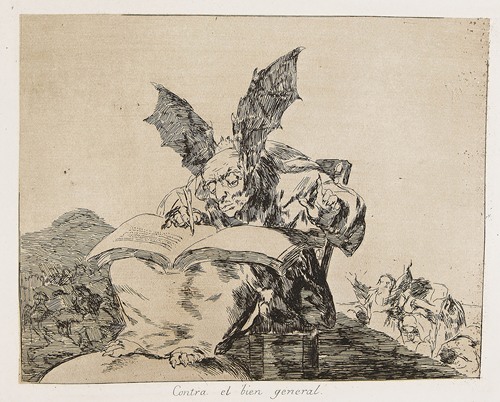
Los desastres de la guerra
Francisco de Goya
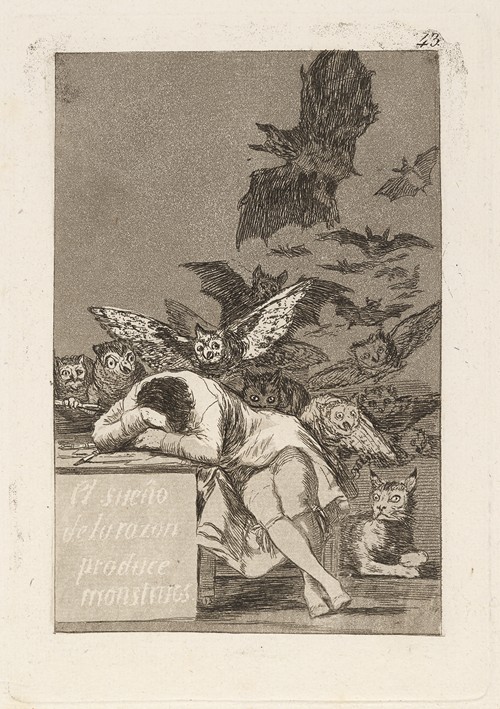
El sueño de la razon produce monstruos. (The sleep of reason produces monsters.)
Francisco de Goya
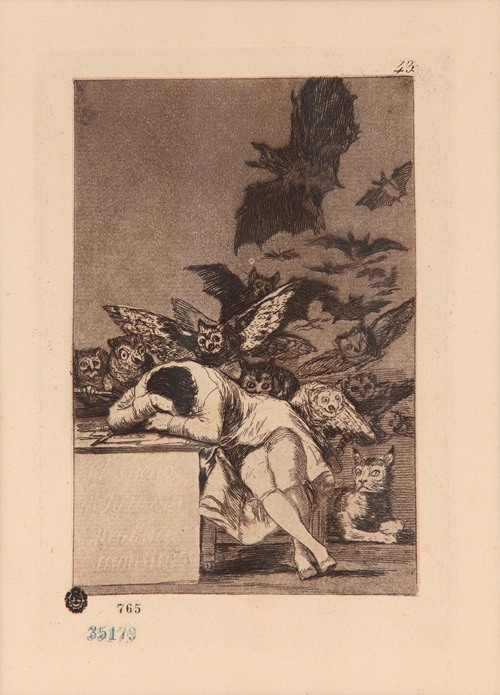
El sueño de la razon produce moustruos (Serie Caprichos)
Francisco de Goya
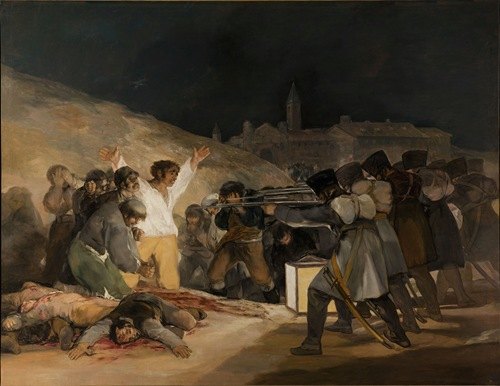
The Third of May
Francisco de Goya
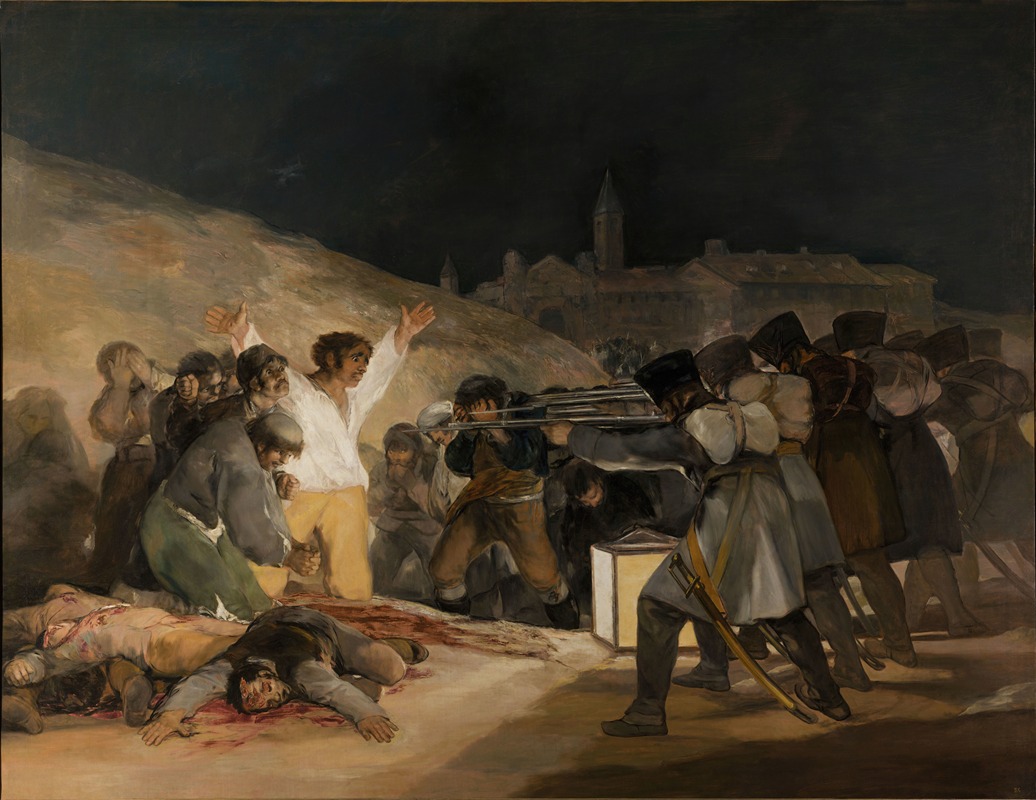
The Third of May 1808
Francisco de Goya
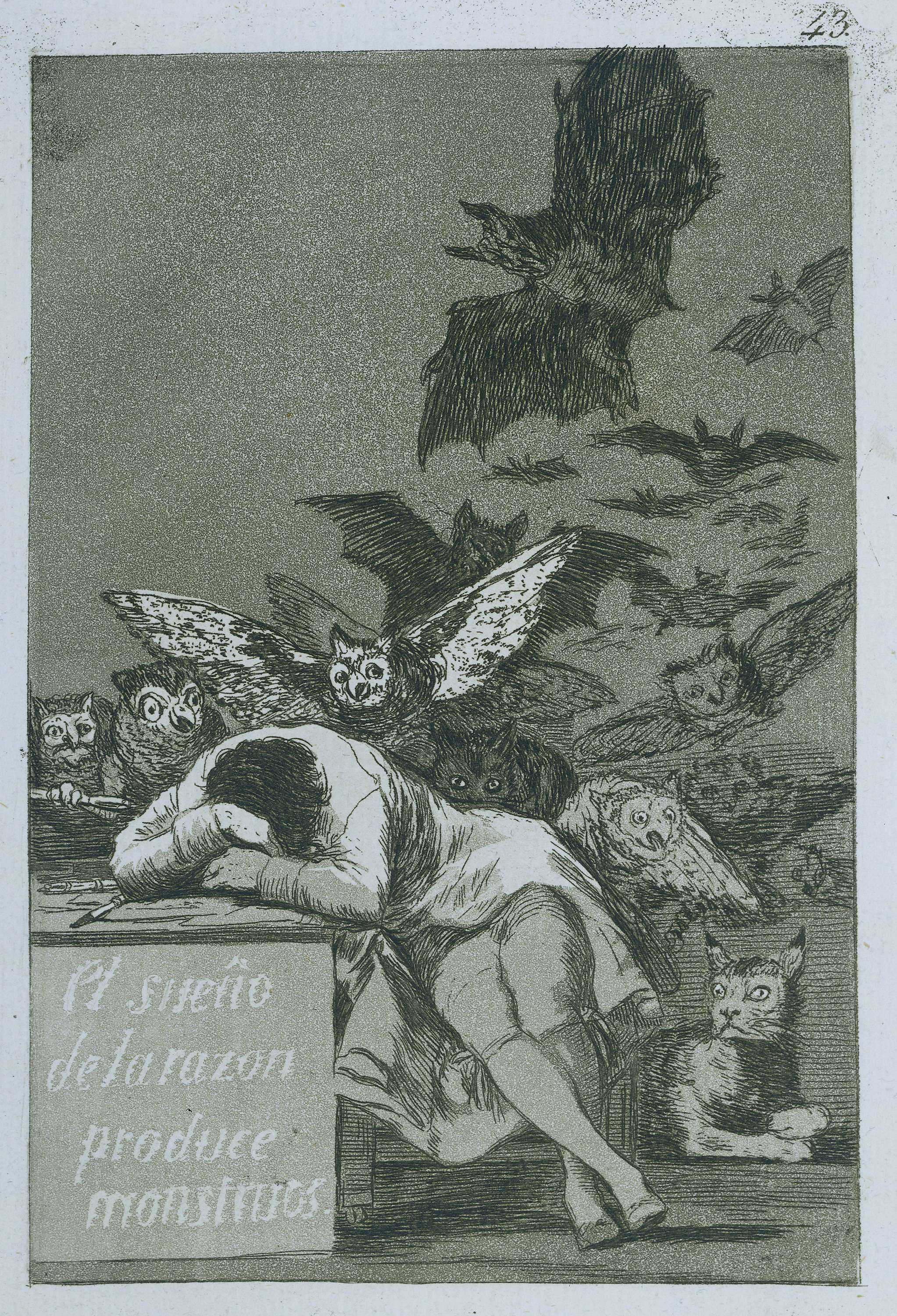
De slaap van de rede brengt monsters voort
Francisco de Goya
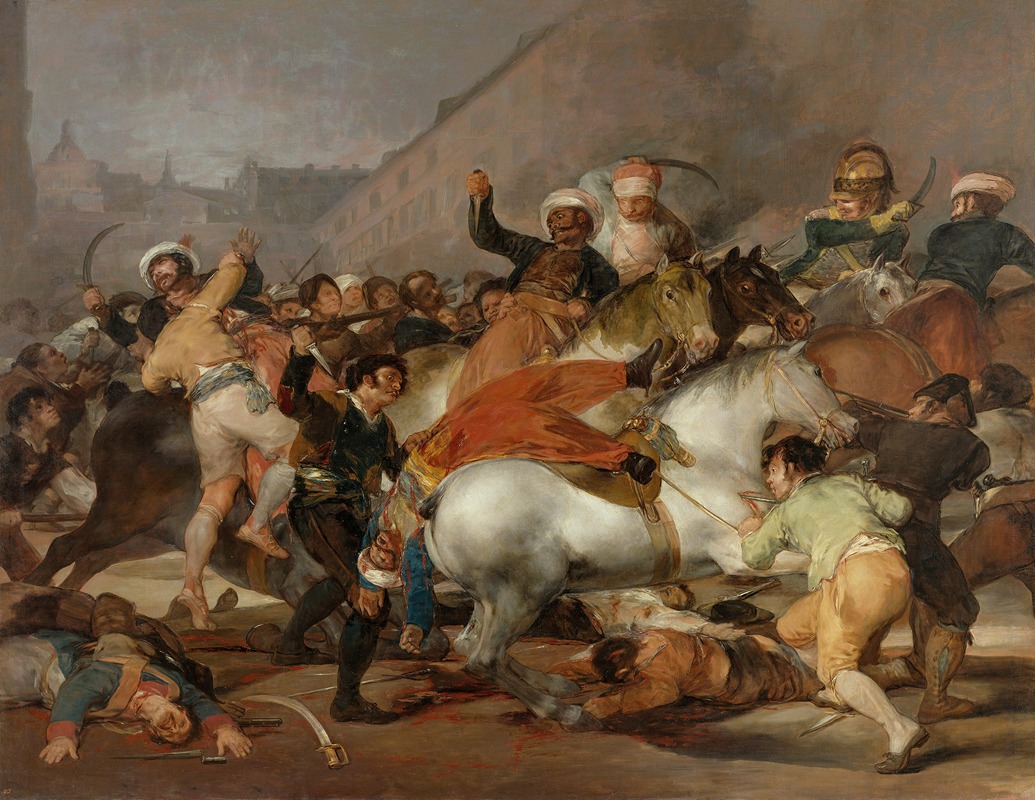
The Charge of the Mamelukes (1814)
Francisco de Goya