
Chelsea — History & Facts
Did the painter know this moment would outlive them? In Chelsea, a world is captured, teetering on the edge of vibrancy and madness, where each brushstroke whispers of fleeting time and unspoken emotions. Focus on the serene interplay of colors: the gentle blues and soft pastels fill the canvas, drawing your gaze toward the tranquil river. Notice how figures, draped in muted tones, appear almost like specters against the backdrop of the water’s reflective surface. The composition is carefully balanced, with elements of both chaos and calm, hinting at the tensions within each figure and the world around them.
Whistler's delicate touches create a sense of movement, inviting viewers to linger yet leaving an air of uncertainty. Within this seemingly peaceful scene lies a tangled web of contrasts. The juxtaposition of the serene river and the complex emotions of the figures reflects the turmoil of the human psyche, suggesting that beneath the placid exterior lies an undercurrent of madness. Each figure's stance and the way they interact with the environment reveal a dance between isolation and connection—a reflection of the artist's own battles with mental unrest. In 1879, while living in London, Whistler created Chelsea during a period marked by personal and professional strife.
Art critics and peers often debated his unconventional techniques and ideas, contributing to a climate of tension in the art world. It was a time of both inspiration and madness for the artist, as he navigated the complexities of his own identity while pushing against the boundaries of accepted art forms.
More Artworks by James Abbott McNeill Whistler
Browse all →
Nocturne in Blue and Silver
James Abbott McNeill Whistler
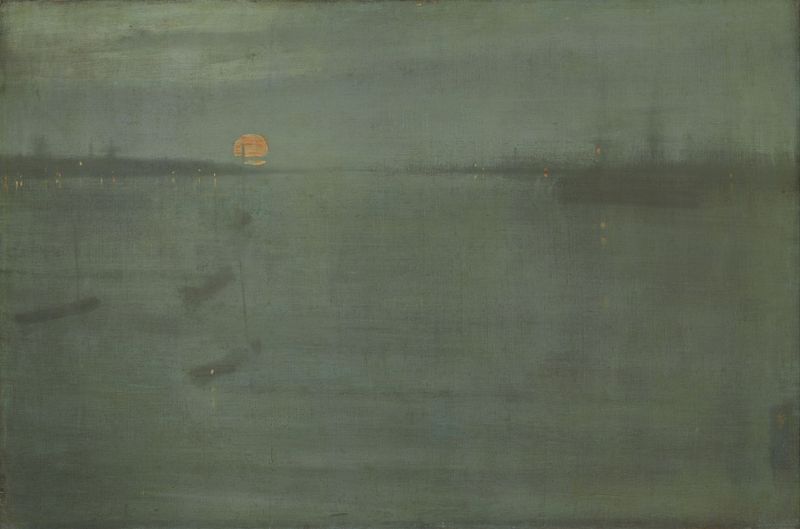
Nocturne: Blue and Gold–Southampton Water
James Abbott McNeill Whistler
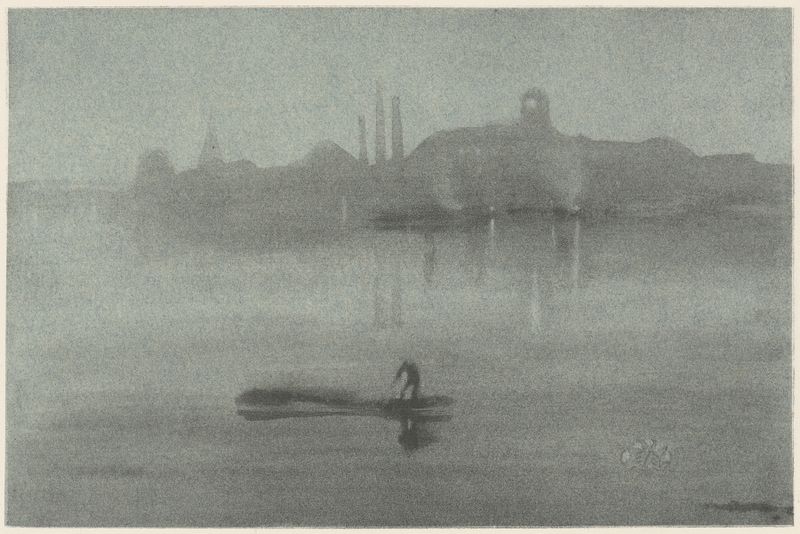
Nocturne
James Abbott McNeill Whistler
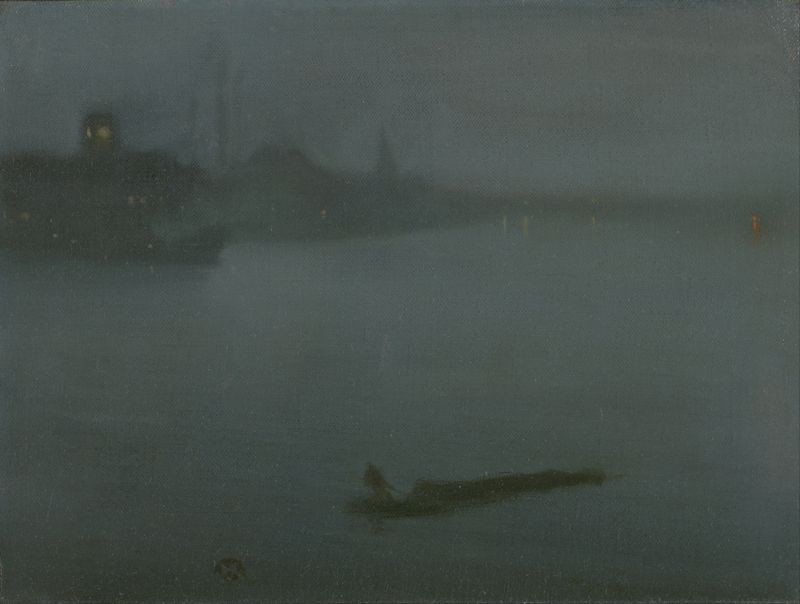
Nocturne in Blue and Silver
James Abbott McNeill Whistler
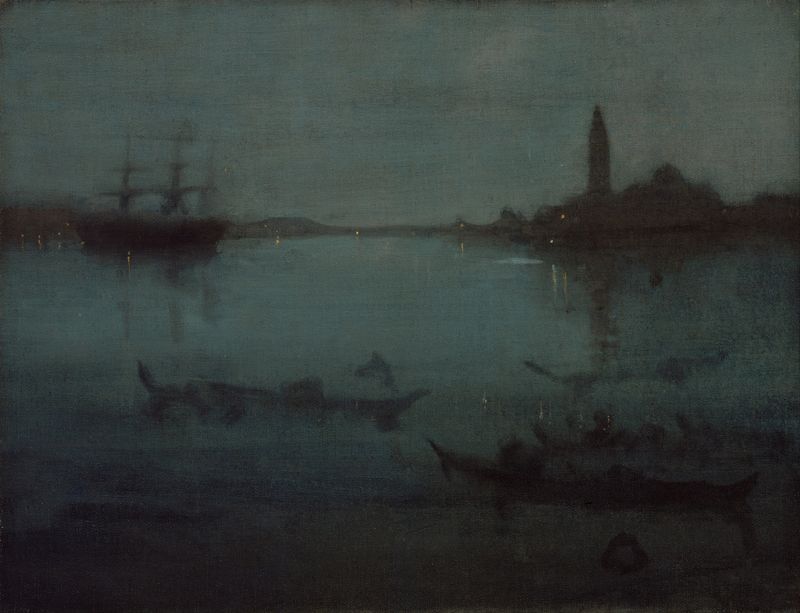
Nocturne in Blue and Silver- The Lagoon, Venice
James Abbott McNeill Whistler
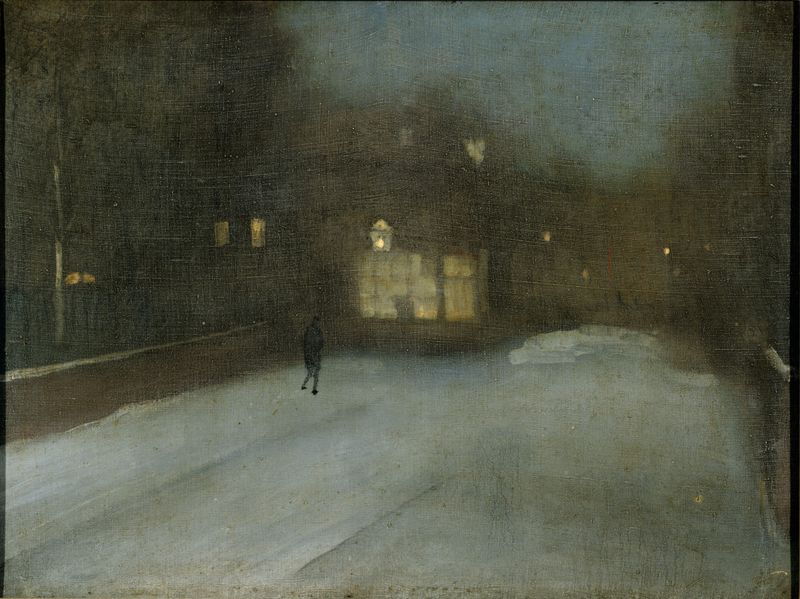
Nocturne in Grey and Gold: Chelsea Snow
James Abbott McNeill Whistler
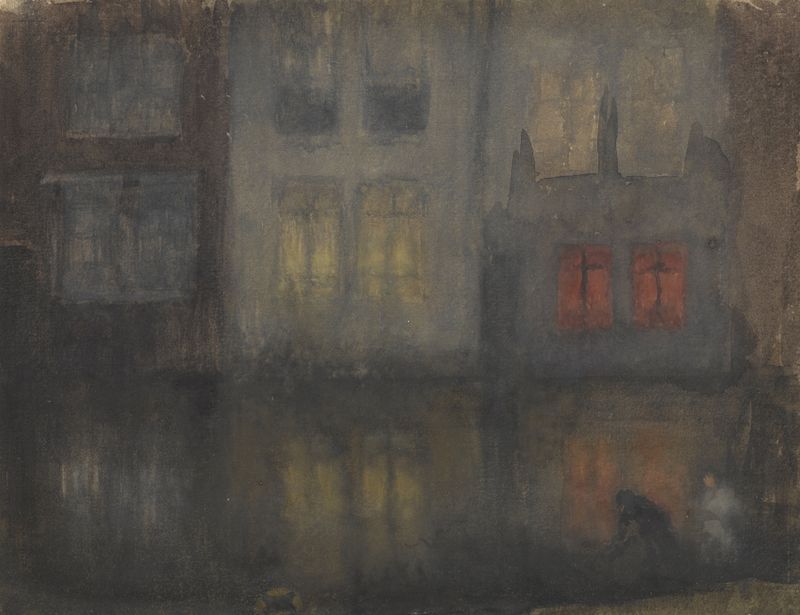
Nocturne: Black and Red—Back Canal, Holland
James Abbott McNeill Whistler
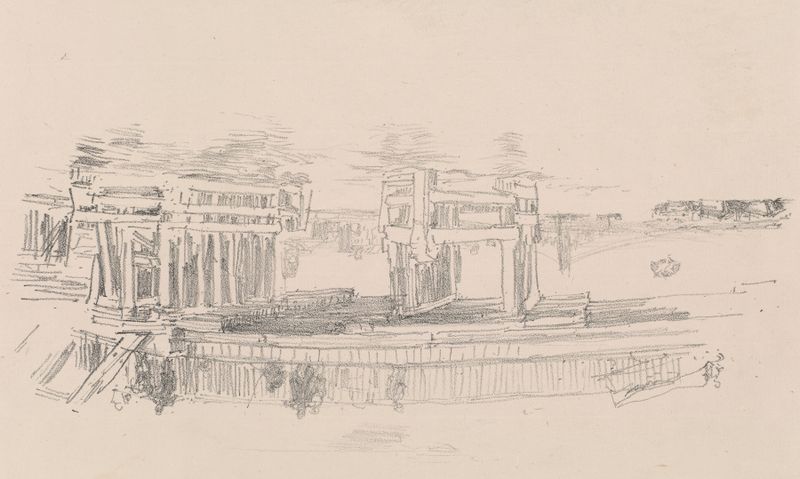
Old Battersea Bridge
James Abbott McNeill Whistler

Nocturne: Blue and Silver–Battersea Reach
James Abbott McNeill Whistler
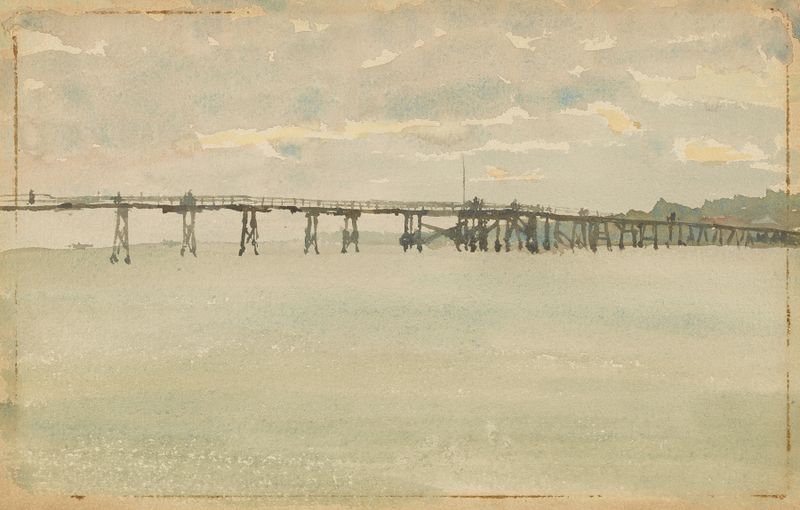
Grey and Silver–Pier, Southend
James Abbott McNeill Whistler





