
Chelsea Bridge and Church — History & Facts
Who listens when art speaks of silence? In Chelsea Bridge and Church, the whispers of twilight envelop the scene, inviting contemplation and transcendence. Focus on the soft hues that blend seamlessly into one another, as the cool blue of the sky melts into the warm tones of the bridge. Notice how the delicate brushwork captures the shimmer of water beneath the bridge, creating a serene reflection that seems to echo the stillness of the moment. The composition draws the eye toward the church spire, a silent sentinel standing watch over the tranquil landscape, which is infused with a sense of quietude. The painting juxtaposes the solidity of the architecture against the ephemeral quality of the twilight, a contrast that speaks to the coexistence of the tangible and the intangible.
The church, with its robust form, stands against the gentle ebb of the river, highlighting themes of permanence versus transience. Whistler invites us to meditate on the nature of time, as the fading light suggests both an ending and a promise of renewal. Created in 1871 while Whistler was living in London, this work reflects his evolving style and commitment to tonalist principles. During this period, the artist sought to express mood and atmosphere over representation, aligning with broader movements in the art world that emphasized emotional depth over realistic depiction.
The gradual shift in his focus marks a significant evolution in his approach, paving the way for his later masterpieces.
More Artworks by James Abbott McNeill Whistler
Browse all →
Nocturne in Blue and Silver
James Abbott McNeill Whistler
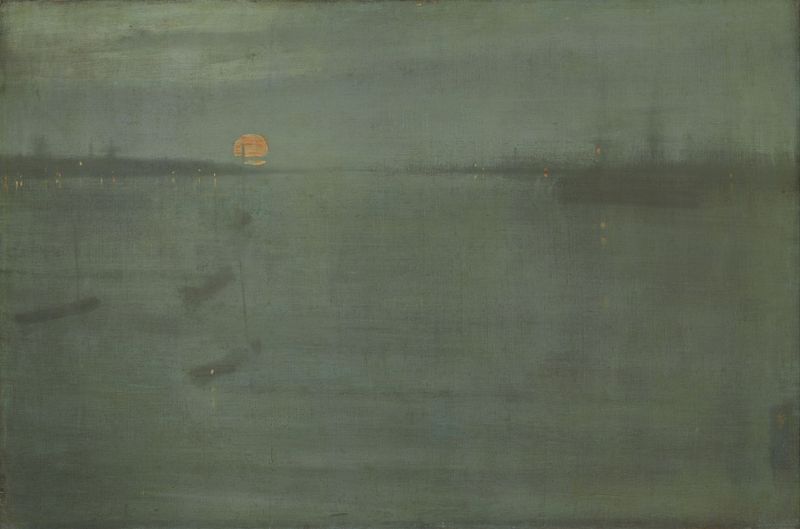
Nocturne: Blue and Gold–Southampton Water
James Abbott McNeill Whistler
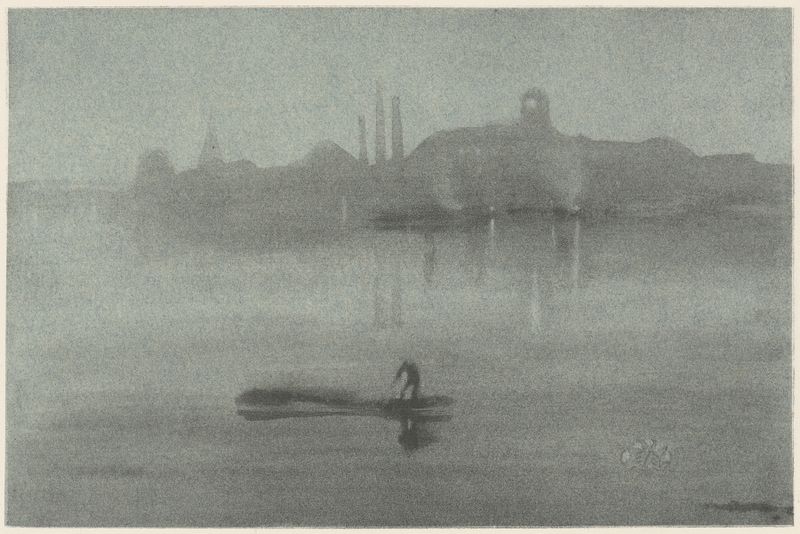
Nocturne
James Abbott McNeill Whistler
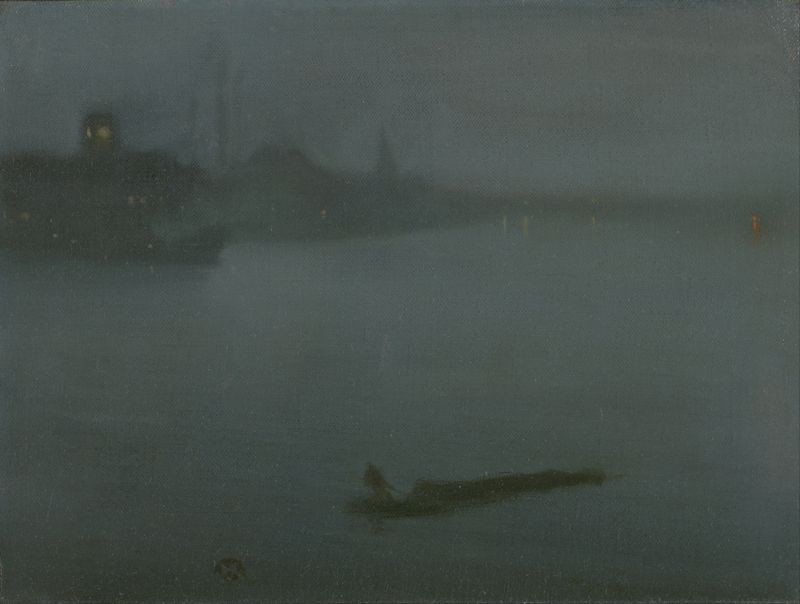
Nocturne in Blue and Silver
James Abbott McNeill Whistler
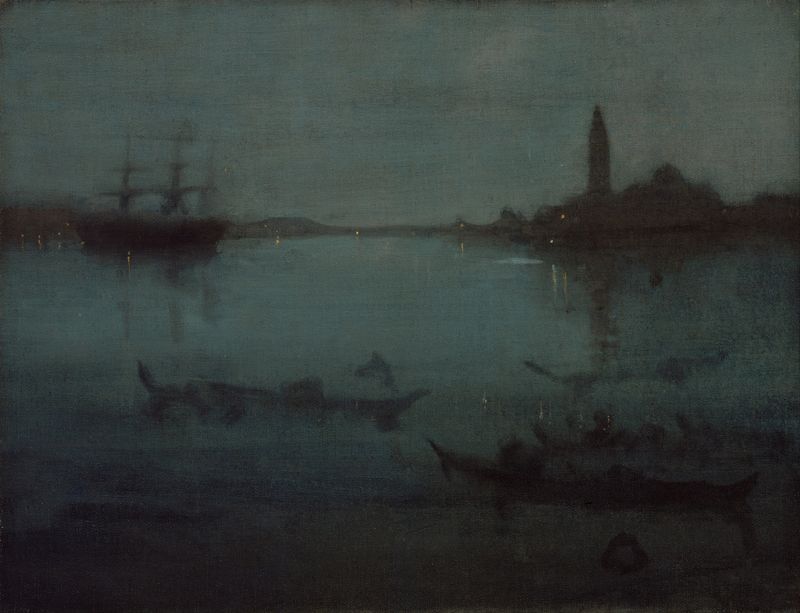
Nocturne in Blue and Silver- The Lagoon, Venice
James Abbott McNeill Whistler
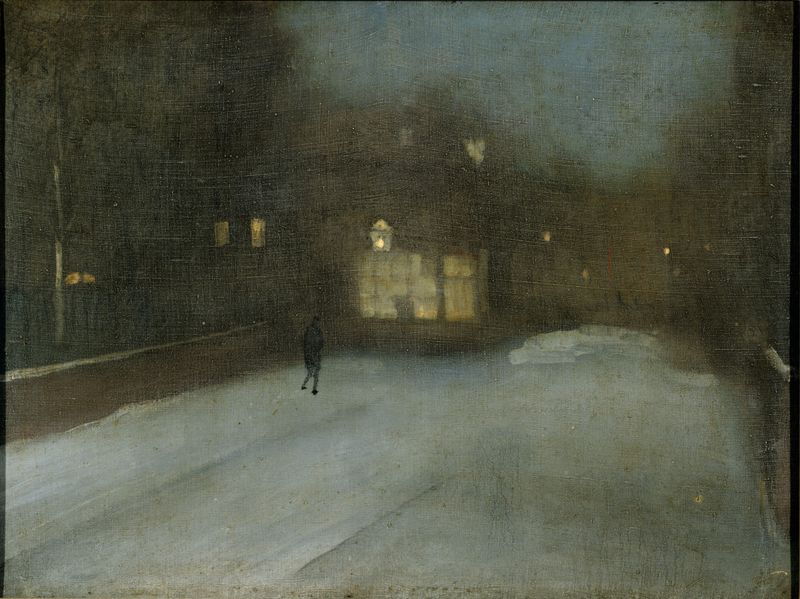
Nocturne in Grey and Gold: Chelsea Snow
James Abbott McNeill Whistler
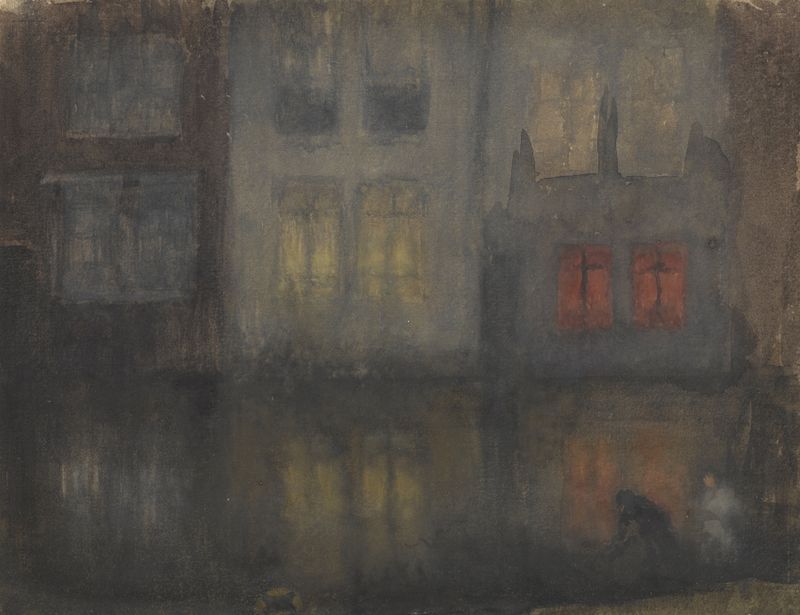
Nocturne: Black and Red—Back Canal, Holland
James Abbott McNeill Whistler
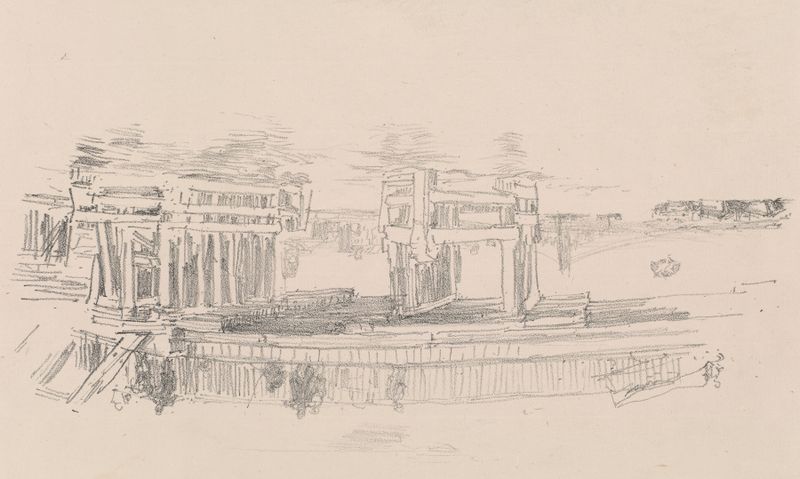
Old Battersea Bridge
James Abbott McNeill Whistler

Nocturne: Blue and Silver–Battersea Reach
James Abbott McNeill Whistler
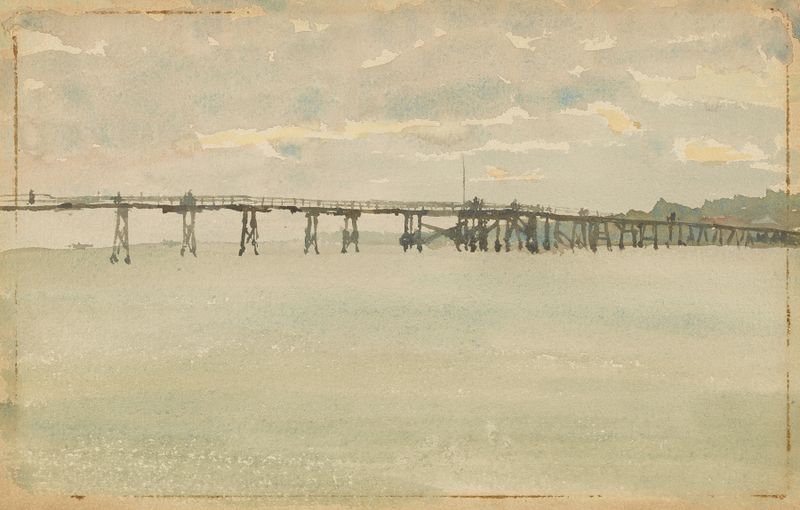
Grey and Silver–Pier, Southend
James Abbott McNeill Whistler





