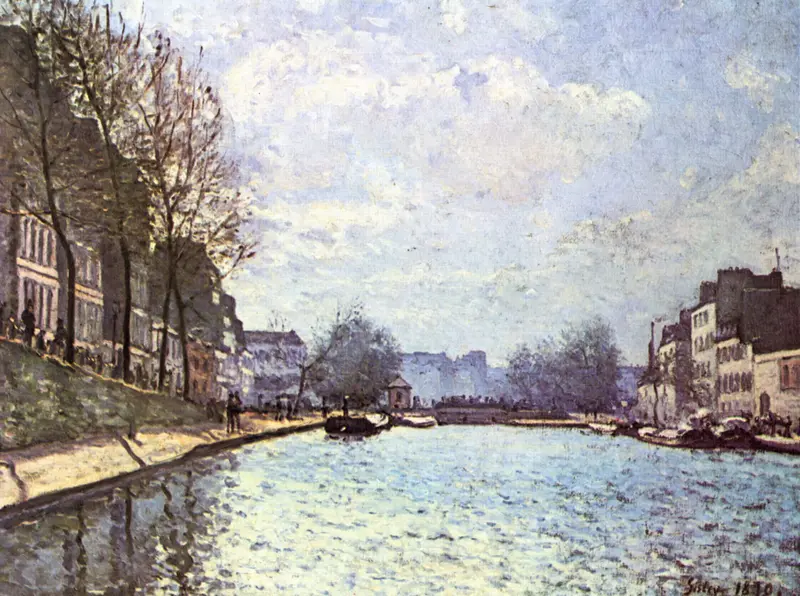
Chelsea Hospital — History & Facts
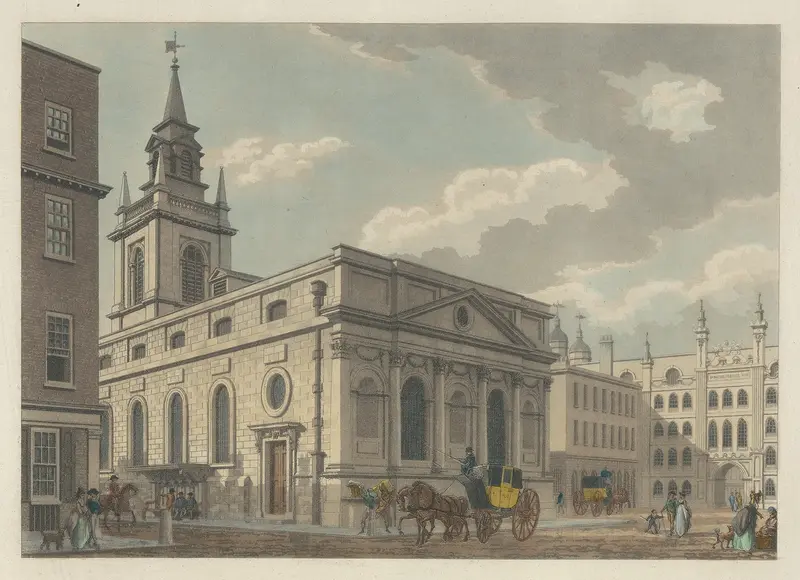
Look closely at the gentle interplay of color and light in the foreground, where soft blues and muted greens blend harmoniously, creating an atmosphere of serene solitude. Notice the delicate architectural lines that lead the eye towards the central structure, drawing our focus to the painted facade of Chelsea Hospital. The soft strokes and subtle shading evoke a sense of tenderness, as if the building itself breathes in unison with the life it shelters. Yet, beneath this tranquil surface lies a tension between the serenity of the setting and the somber reality of human suffering.
The choice of the hospital as the central subject speaks volumes about the desire for healing amidst chaos, while the muted palette reflects a yearning for peace. In this juxtaposition, the viewer senses a narrative unfolding — one of hope battling against despair, of shelter amid vulnerability. In 1800, Thomas Malton created this work during a period marked by rapid change in London, a time when the Industrial Revolution began transforming the cityscape. As Malton navigated his career as a painter and architect, he found inspiration in the structures that housed the vulnerable, capturing not only their physical presence but also the emotional resonance of their purpose.
This painting serves as a poignant reminder of the desire to seek solace in the face of adversity.
More Artworks by Thomas Malton

Westminster Bridge
Thomas Malton

London Bridge
Thomas Malton
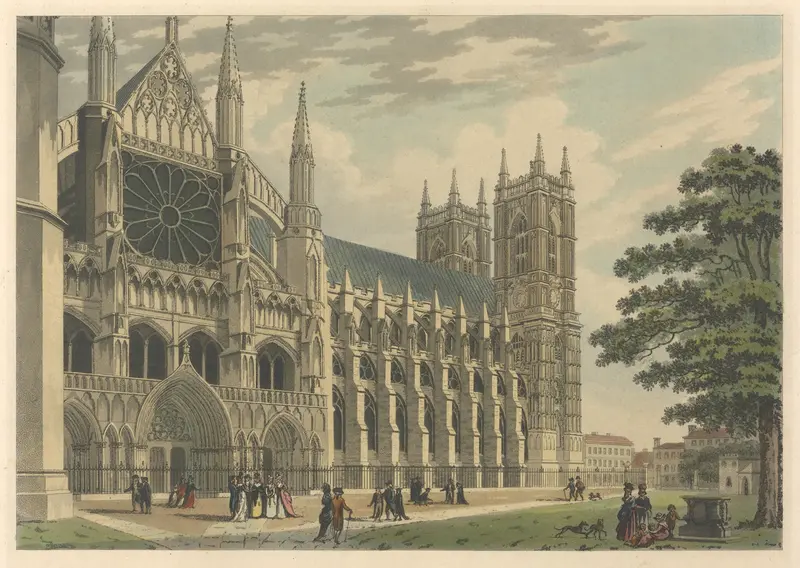
North Front of Westminster Abbey
Thomas Malton
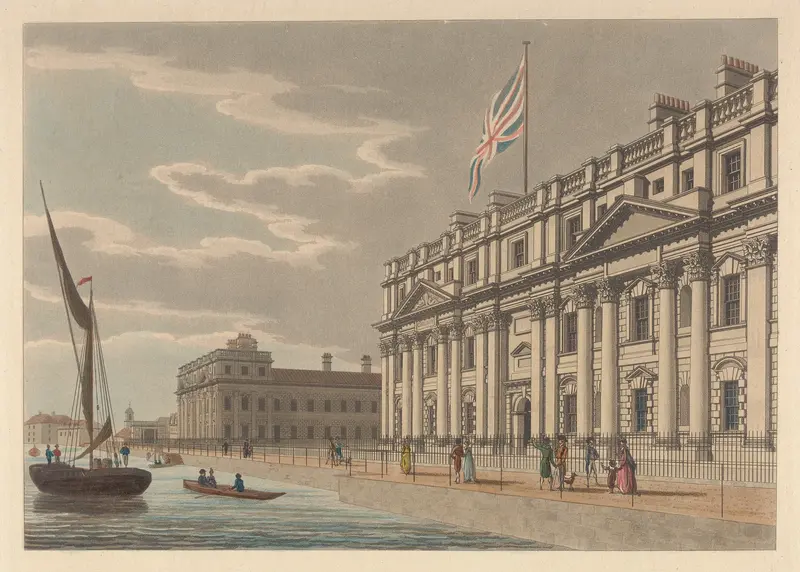
North Front of Greenwich Hospital
Thomas Malton
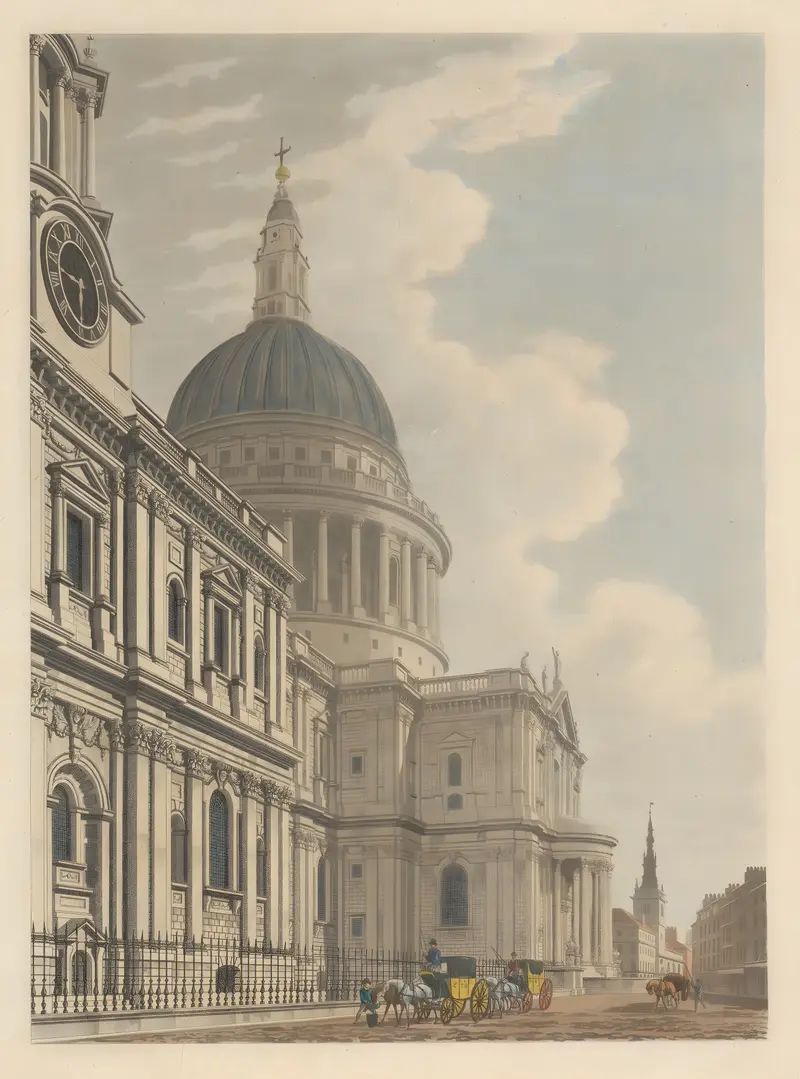
South Front of St. Pauls
Thomas Malton
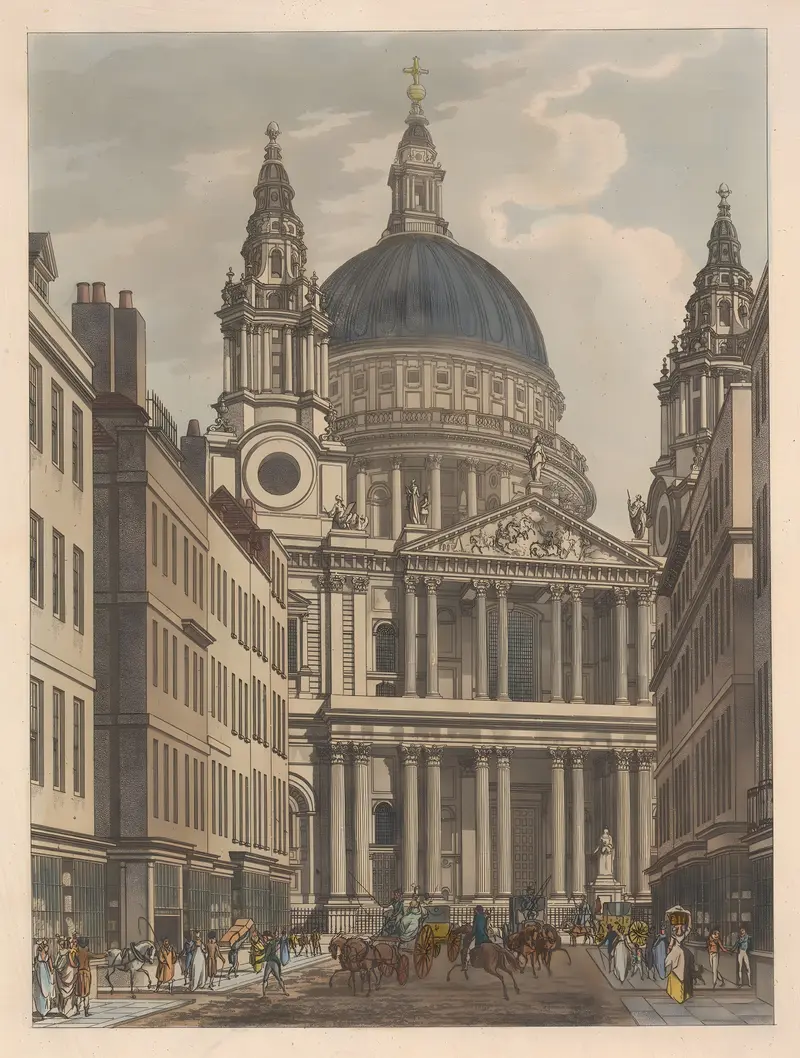
St. Paul’s from Ludgate Hill
Thomas Malton
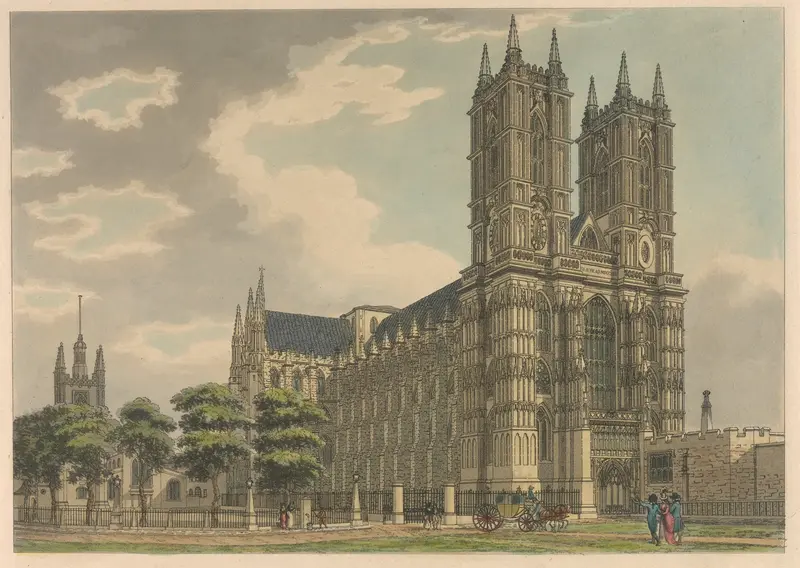
North West View of Westminster Abbey
Thomas Malton
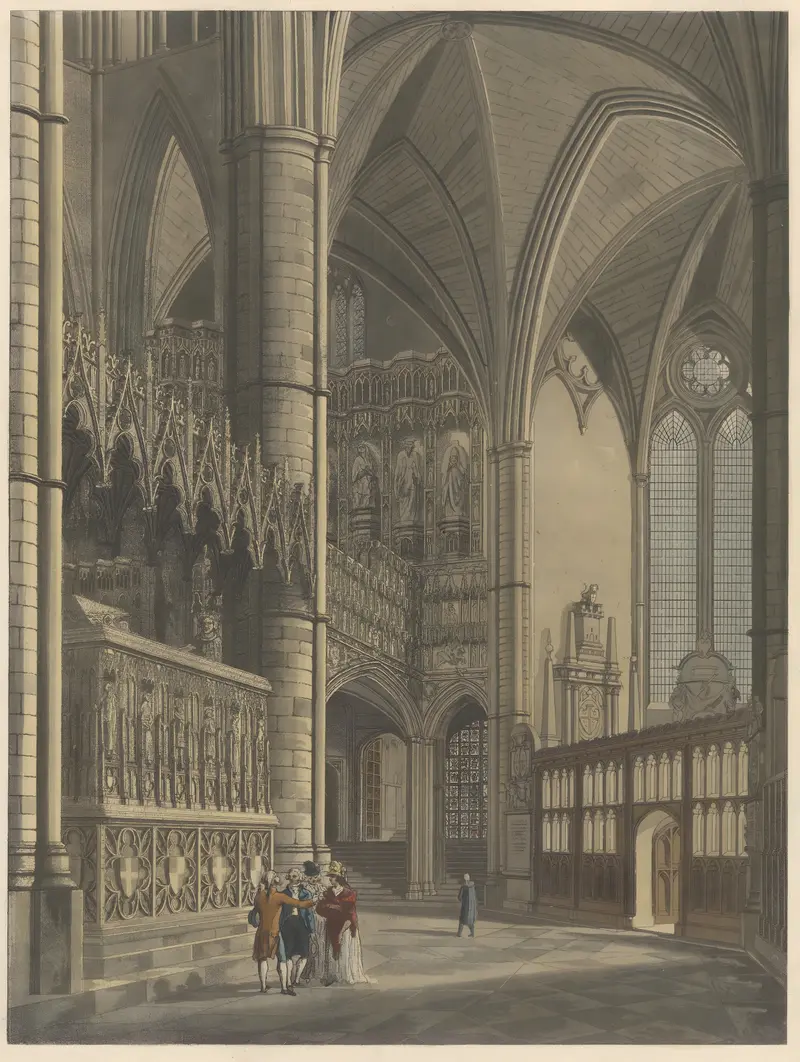
Part of the Sachristary Leading to the Chapel of Henry VII
Thomas Malton
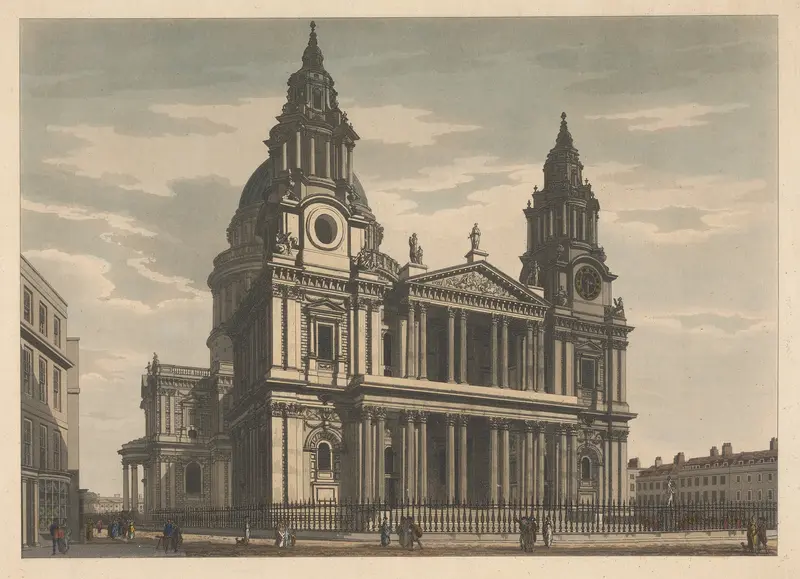
North West View of St. Paul’s
Thomas Malton
St. Laurance’s Church and Guild-Hall
Thomas Malton