
Chelsea Rectory — History & Facts
Did the painter know this moment would outlive them? Chelsea Rectory captures not just a place, but a transformation — a fleeting glance into an artist's vision frozen in time. The scene breathes with a sense of nostalgia and reflection, inviting us to ponder what remains when everything else has changed. Focus first on the soft brushstrokes that delineate the architecture, where the rectory stands with a gentle stoicism against the encroaching shadows of twilight. Notice how the warm glow from the windows draws your eye, creating a stark yet inviting contrast against the cool blues and grays of the fading day.
The meticulous detailing of the foliage surrounding the house whispers of life intertwined with history, while the horizon hints at the ever-looming passage of time. Within this composition, one can sense a dialogue between permanence and transience. The building, though solid, conveys an air of solitude, suggesting both the weight of history and the inevitable decay that follows. The interplay of light and darkness not only enhances the physical features but also evokes an emotional resonance — a yearning for a world that is both tangible and elusive, where memories linger long after the moments have passed. In the late 19th to early 20th century, Joseph Pennell painted this piece during a time of great artistic exploration and change.
Living in London, he was deeply influenced by the burgeoning movements of modernism and the shifts in society brought about by industrialization. As he sketched and painted, he sought to capture the essence of his surroundings, blending realism with a touch of impressionism, ultimately leaving a legacy that reflects both personal and collective transformations.
More Artworks by Joseph Pennell
Browse all →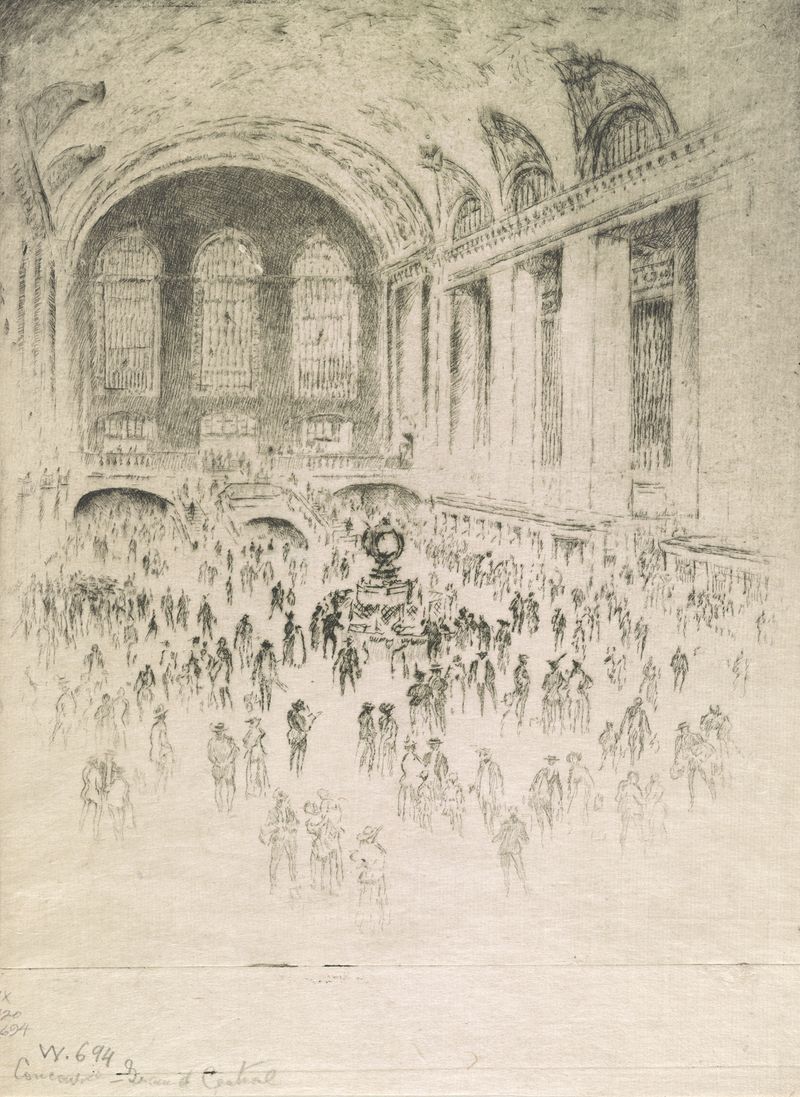
Concourse, Grand Central
Joseph Pennell
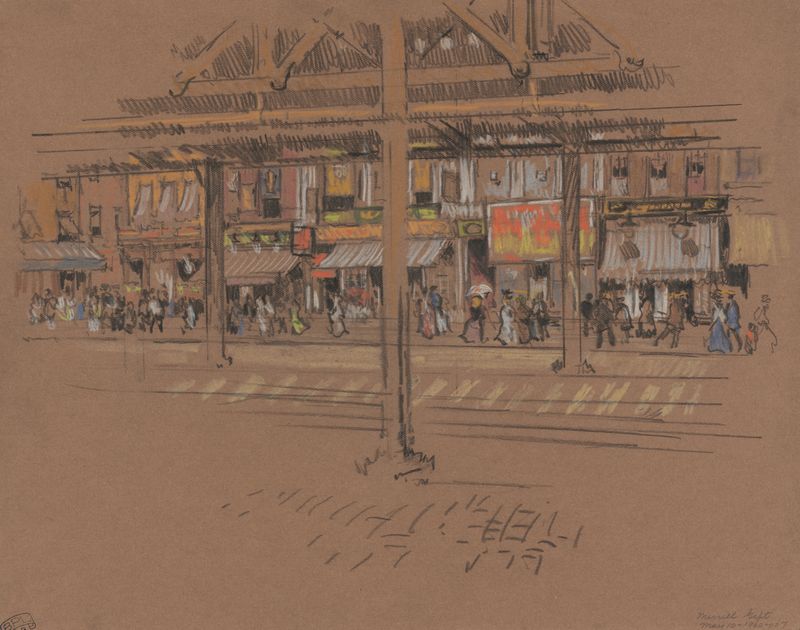
Sixth Avenue
Joseph Pennell
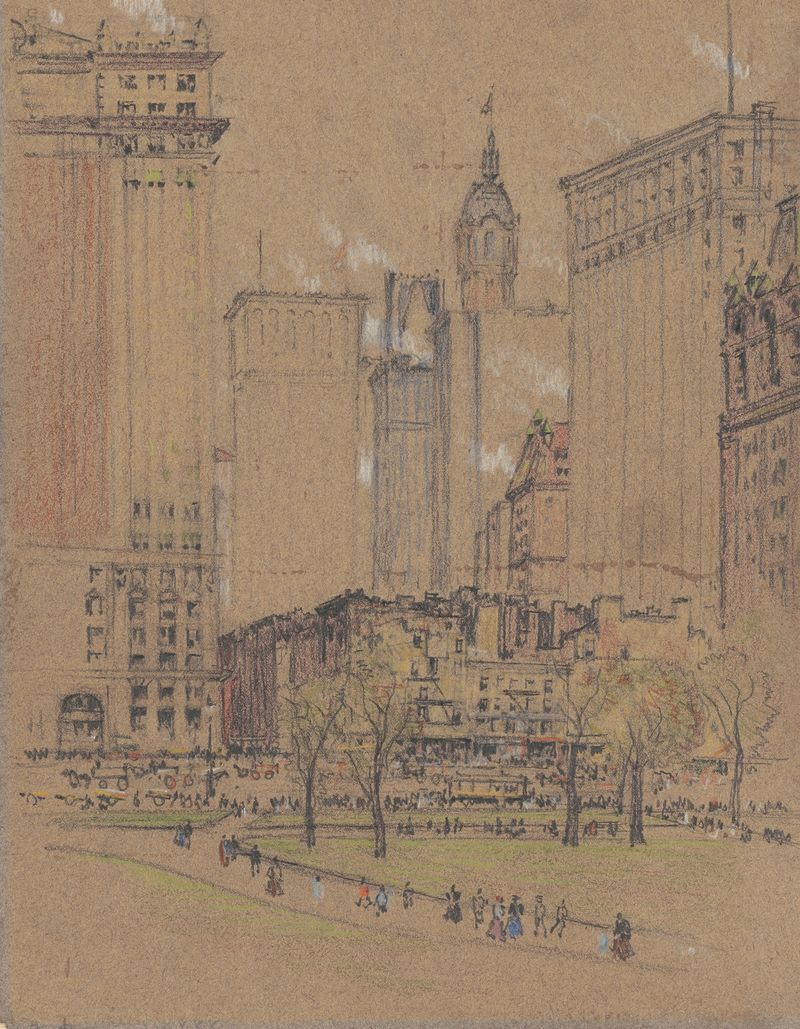
New York,the Old and the New
Joseph Pennell
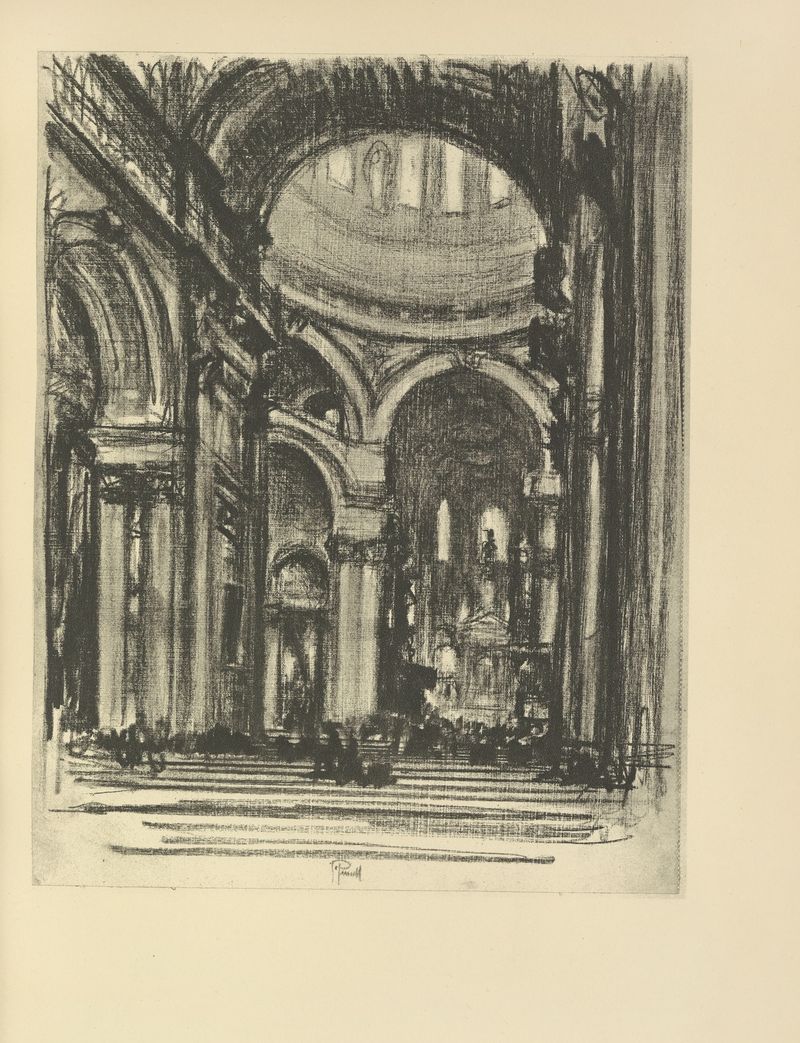
St. Paul’s, The Nave
Joseph Pennell
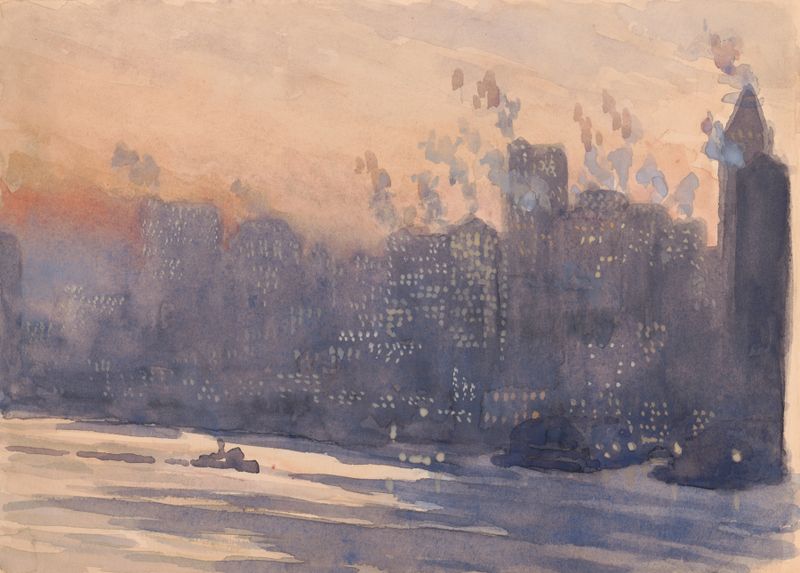
New York City harbor and skyline at night
Joseph Pennell
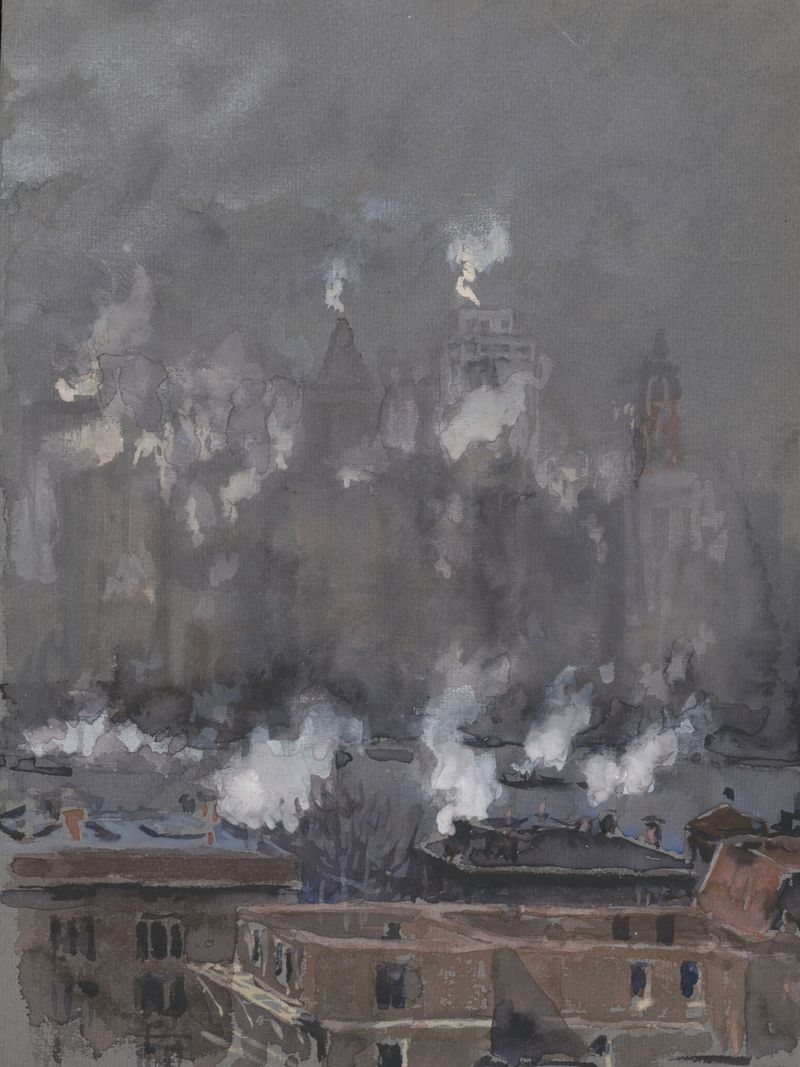
Smoke and fog on gray day, New York City
Joseph Pennell
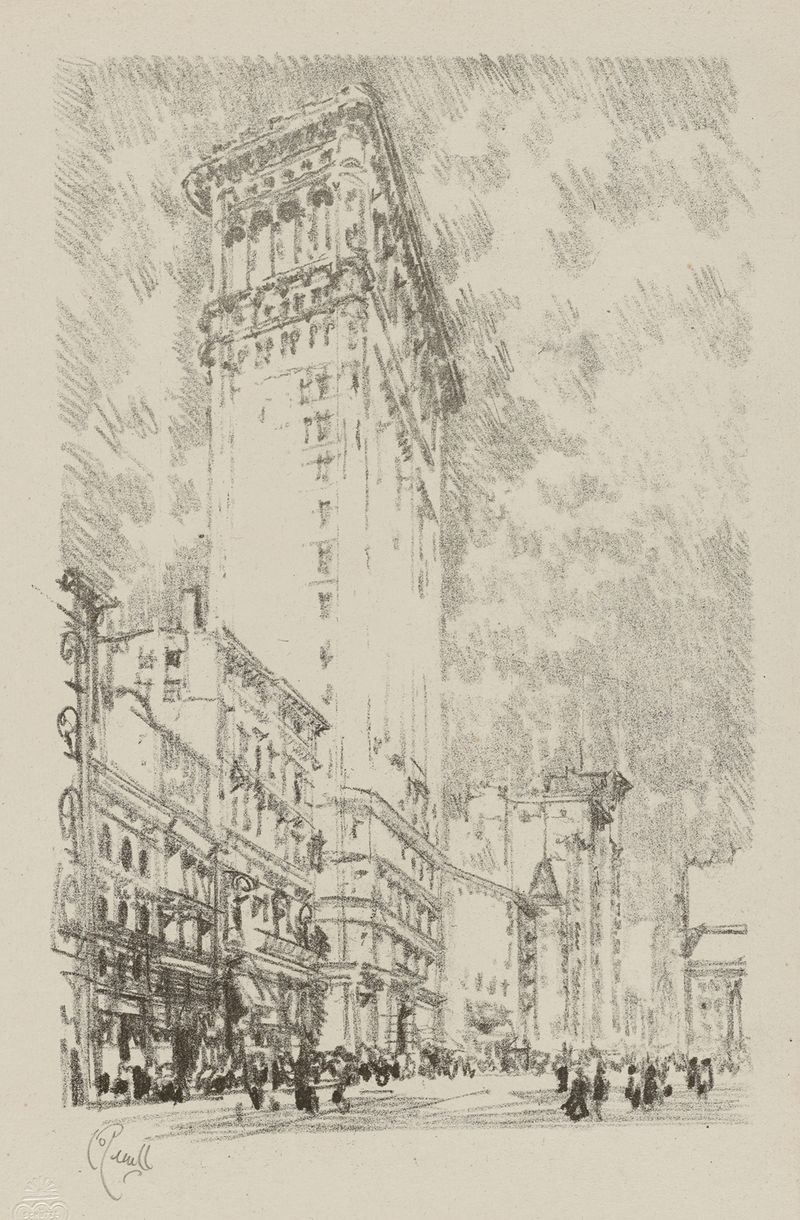
The Flat Iron
Joseph Pennell
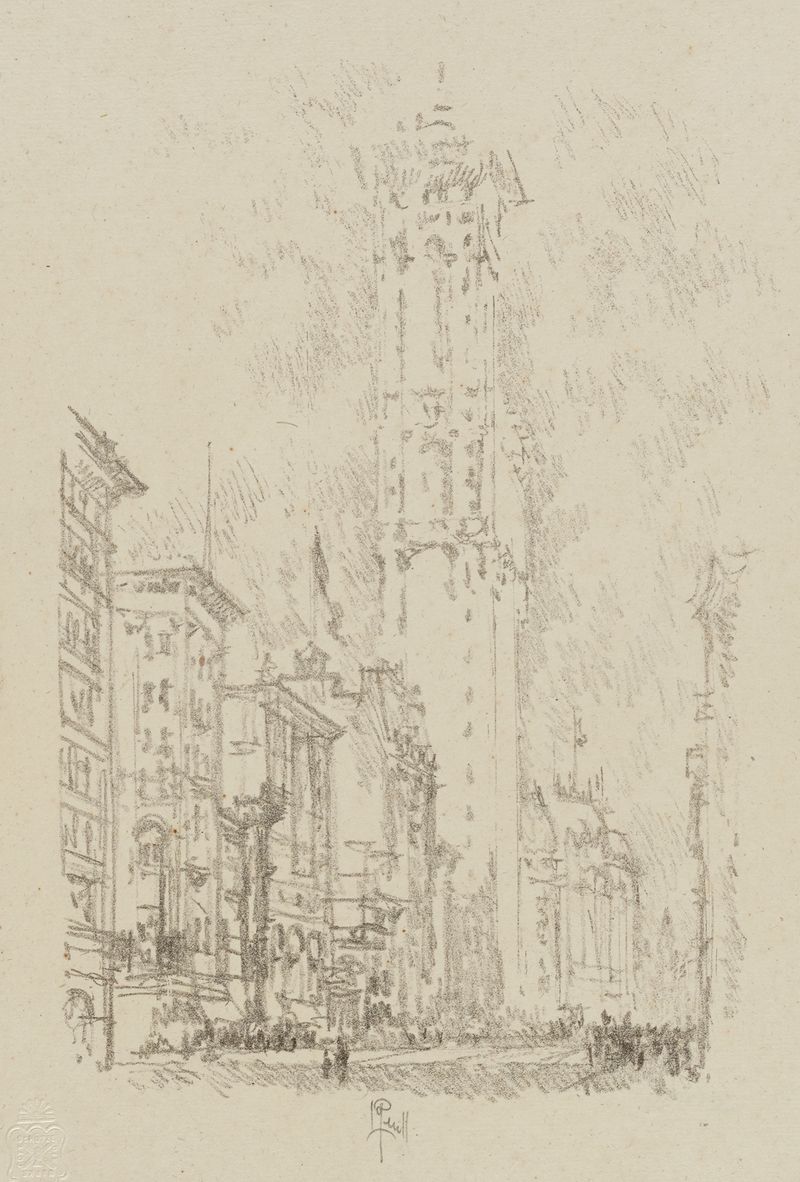
The Times Building
Joseph Pennell
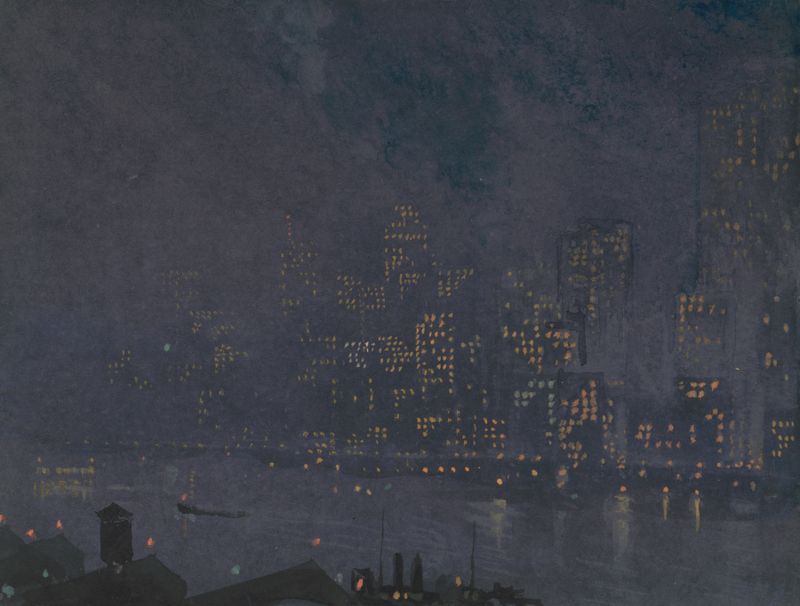
Skyscrapers at night
Joseph Pennell

St. James’ Park
Joseph Pennell
More Architecture Art
Browse all →
The statue of Liberty
Frédéric Auguste Bartholdi

View of Houses in Delft, Known as ‘The Little Street’
Johannes Vermeer

View of Houses in Delft, Known as ‘The Little Street’
Johannes Vermeer

The Cathedral in Rouen. The portal, Grey Weather
Claude Monet

The yellow house
Vincent van Gogh

The Church in Auvers-sur-Oise, View from the Chevet
Vincent van Gogh