
Chemin à la lisière d’un bois — History & Facts
Who listens when art speaks of silence? In Chemin à la lisière d’un bois, the stillness of a path bordered by trees murmurs of ecstasy, inviting viewers to lose themselves in both nature and contemplation. Look to the left where the path gently leads into the soft embrace of the woods, a muted ribbon of earth that beckons both wanderers and dreamers. Notice how the sunlight filters through the leaves, casting dappled patterns that dance upon the ground. The palette of greens and earthy browns captures the essence of a tranquil moment, while Sisley’s brushstrokes convey both movement and stillness, inviting an almost tactile connection to the scene. Hidden within this composition are profound contrasts: the vibrancy of life in the foliage against the quietude of the path, suggesting the tension between exploration and solitude.
The serene atmosphere speaks to the inner journey, suggesting that the simplicity of nature might evoke a profound ecstasy, an awakening of the senses. Each leaf, each shadow, holds a narrative of stillness that contrasts with the vibrant energy of the world beyond the woods, symbolizing a delicate balance between chaos and calm. Created during a time of growing impressionistic exploration, Sisley painted this piece in the late 19th century, likely amidst the peaceful landscapes of France. While grappling with personal financial hardships, he remained dedicated to capturing the beauty of his surroundings.
In this period, the Impressionist movement was gaining momentum, emphasizing the transient qualities of light and nature, which directly influenced Sisley’s profound connection to the serene landscapes he portrayed.
More Artworks by Alfred Sisley
Browse all →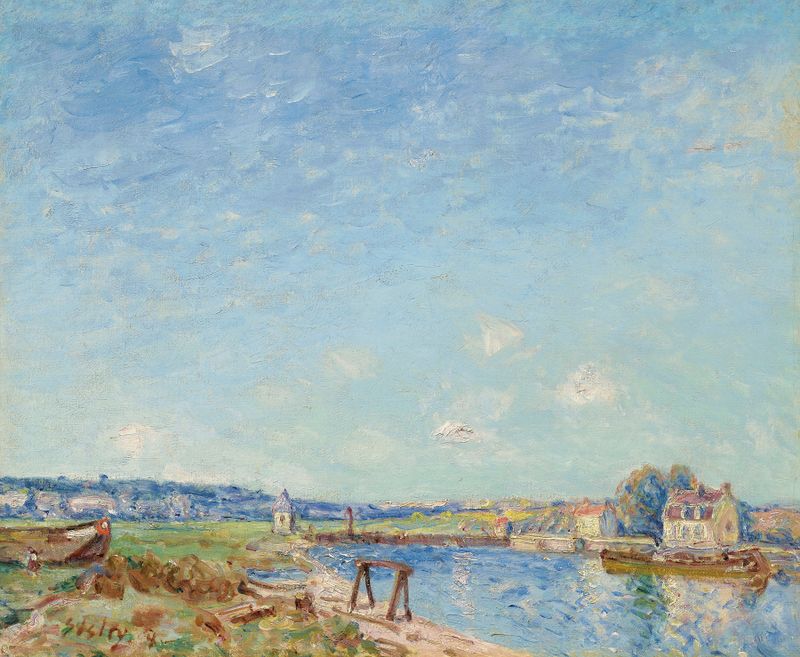
Le Loing à Saint-Mammès
Alfred Sisley
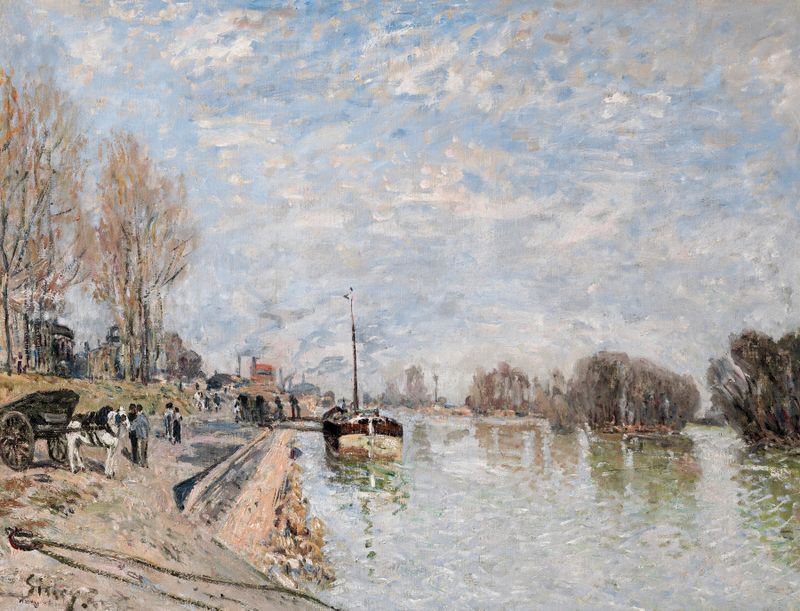
La Seine à Suresnes
Alfred Sisley
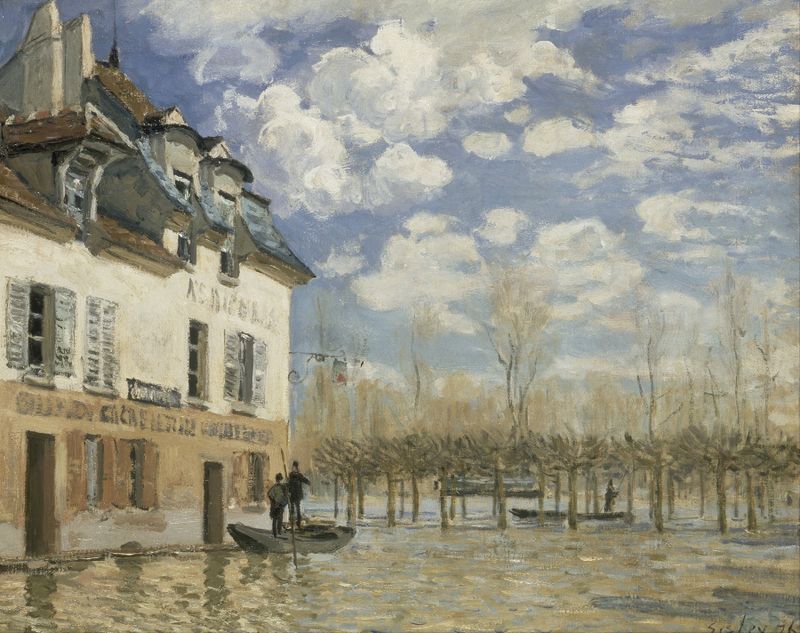
Boat in the Flood at Port Marly
Alfred Sisley
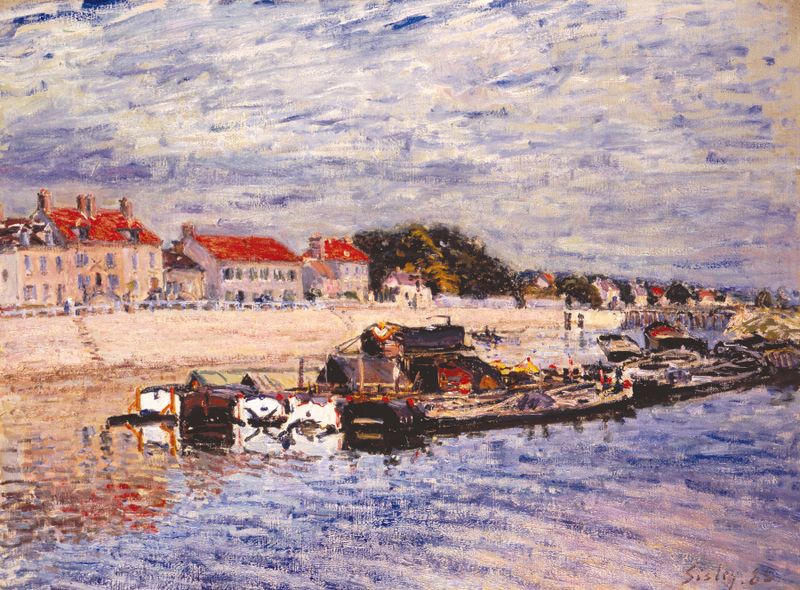
Barges on the Loing at Saint-Mammès
Alfred Sisley

L’allée des peupliers au bord du Loing
Alfred Sisley

Molesey Weir, Hampton Court
Alfred Sisley
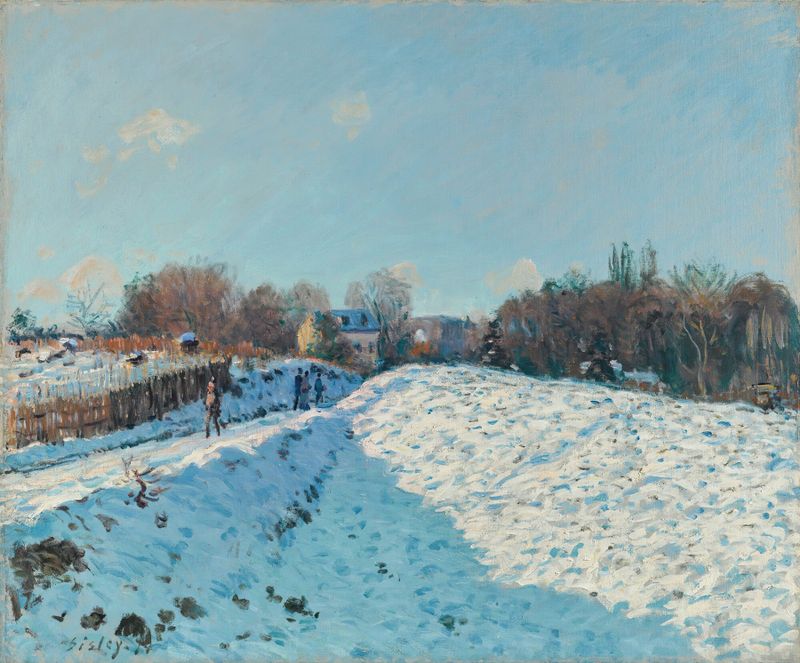
Effet De Neige À Louveciennes
Alfred Sisley
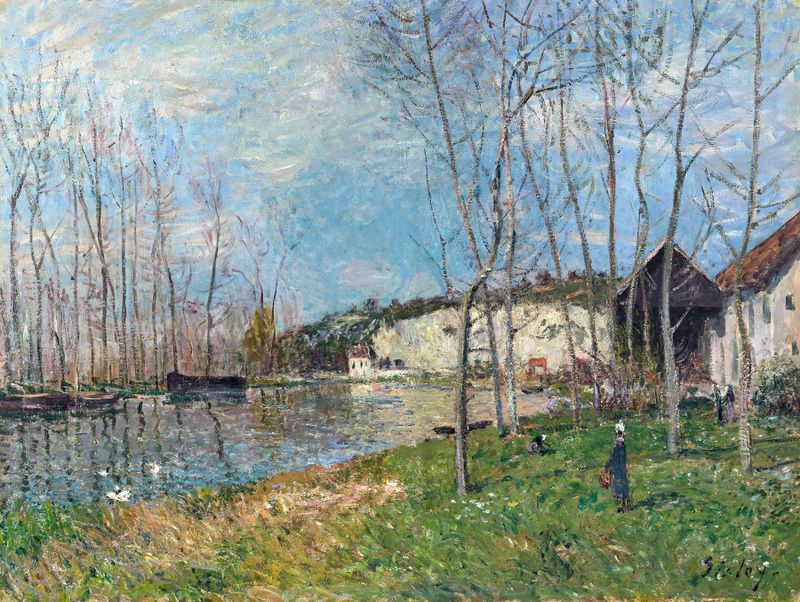
Printemps au bord du Loing
Alfred Sisley
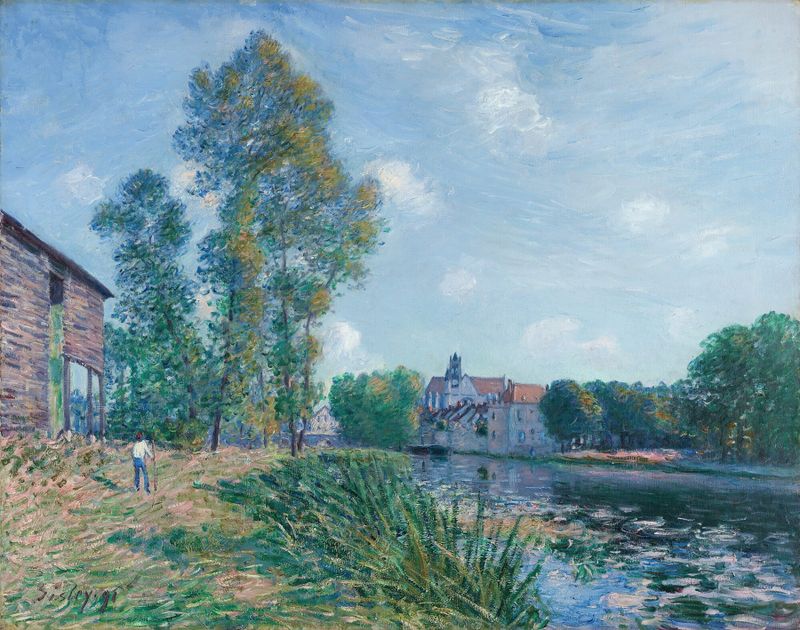
Le Loing À Moret, En Été
Alfred Sisley
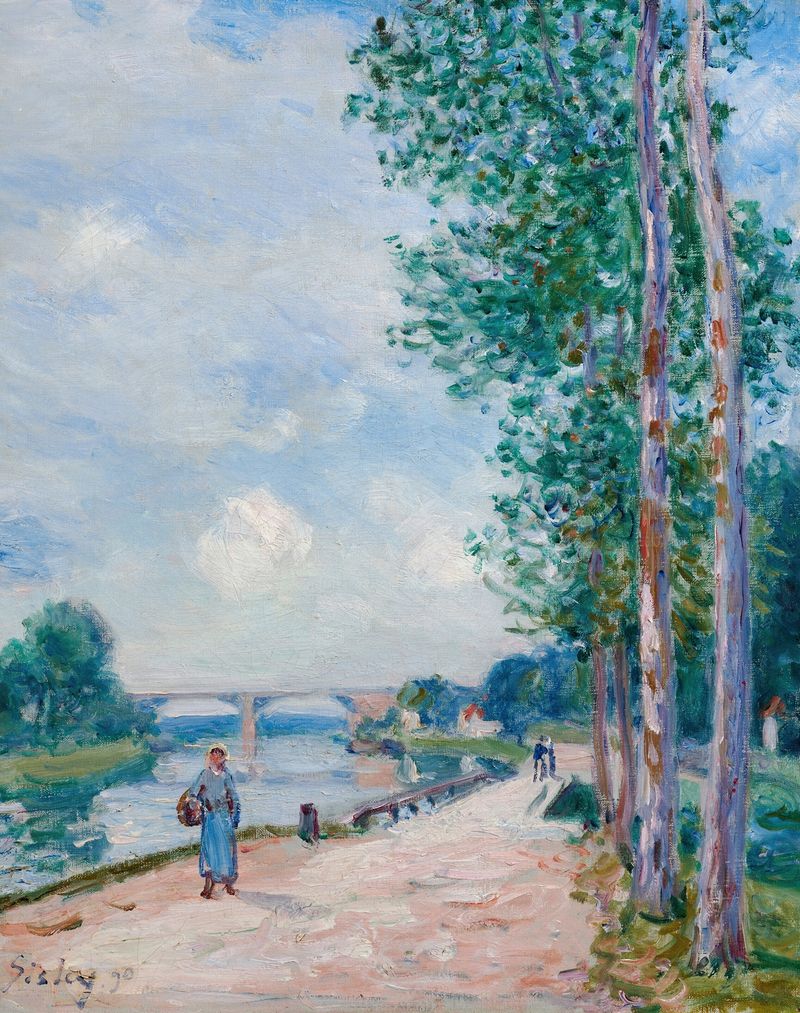
Les bords du Loing près de Moret
Alfred Sisley





