
Chidori Birds — History & Facts
When Chidori Birds appeared in Edo in 1799, it was among the earliest known works to bear the signature of Katsushika Hokusai—a name that would soon become synonymous with innovation in Japanese printmaking. This period marked Hokusai’s transition from his earlier moniker, Shunrō, to the identity that would define his career. Collectors and connoisseurs of the time noted the freshness of his approach, with one contemporary noting the “lively movement” of his birds compared to the more static forms favored by his peers.
The work stands as a testament to Hokusai’s restless experimentation during the late Edo period, just before his explosion into international fame. In Chidori Birds, the artist captures a fleeting moment: a flock of plovers—chidori—darting low over rippling water, their wings caught mid-beat. Each bird is rendered with a few deft lines, suggesting both fragility and energy, while the negative space of the paper becomes as important as the ink itself. The chidori, long a symbol of perseverance and hope in Japanese poetry, are shown braving wind and wave, their forms echoing the movement of the water below.
Unlike the more decorative approach of Maruyama Ōkyo, whose birds often perch serenely, Hokusai’s chidori are all motion and life, drawing the viewer into their urgent flight. The precise medium of Chidori Birds is not recorded, but its style and technique place it among Hokusai’s early experiments with illustrated books and prints, before his celebrated series like Thirty-six Views of Mount Fuji. The work’s provenance is somewhat obscure, typical of many prints from this era, which were often widely distributed and rarely signed with the care given to later ukiyo-e masterpieces. Today, Chidori Birds is recognized as a key example of Hokusai’s early genius, revealing both his technical skill and his fascination with the natural world—a fascination that would define his long and prolific career.
More Artworks by Katsushika Hokusai

The Great Wave off Kanagawa
Katsushika Hokusai
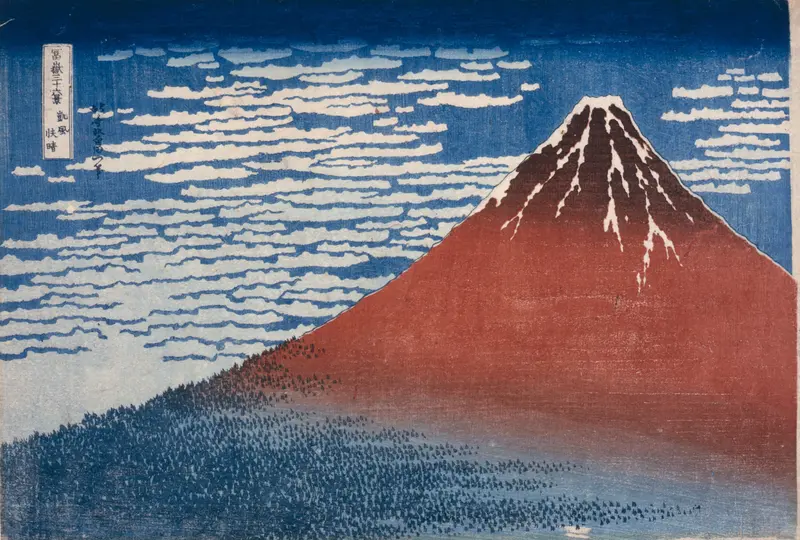
Fine Wind, Clear Morning (Red Fuji)
Katsushika Hokusai
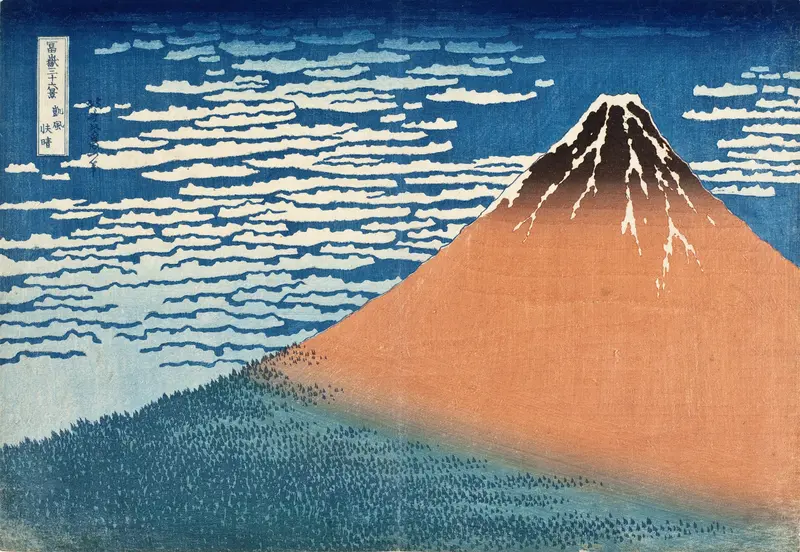
South Wind, Clear Dawn
Katsushika Hokusai
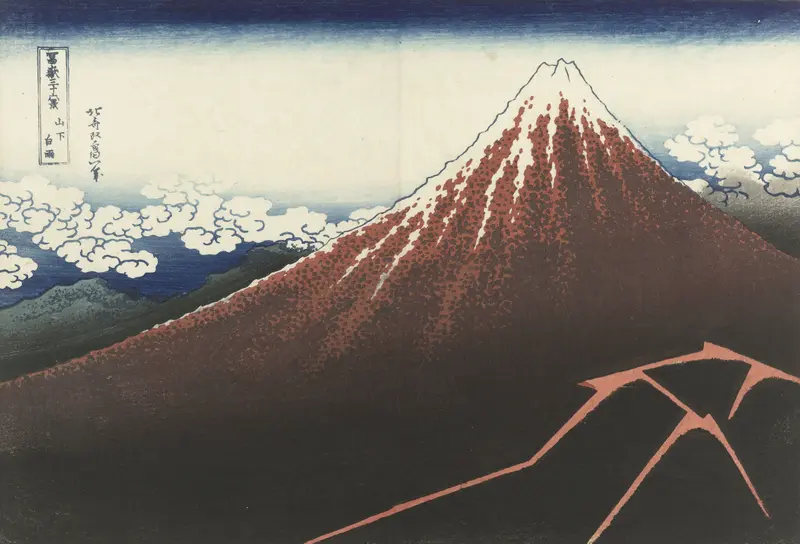
Rainstorm Beneath the Summit
Katsushika Hokusai
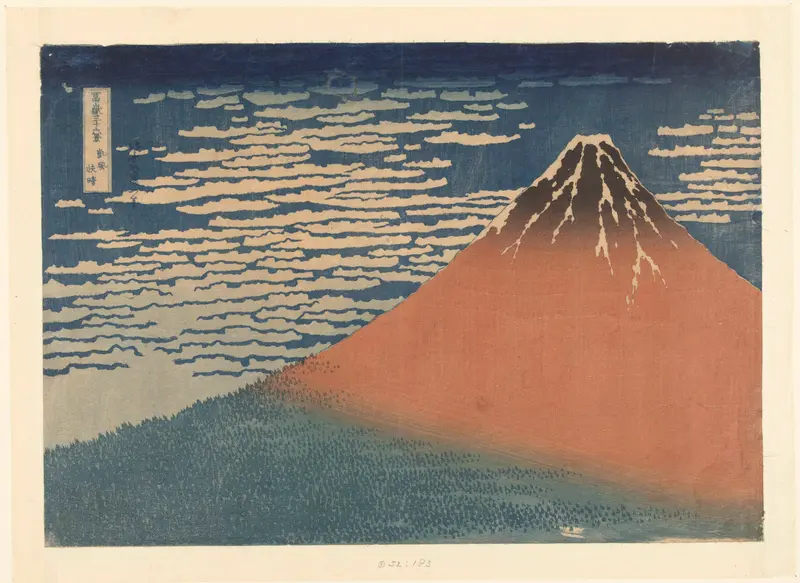
Clear Weather with a Southerly Wind
Katsushika Hokusai
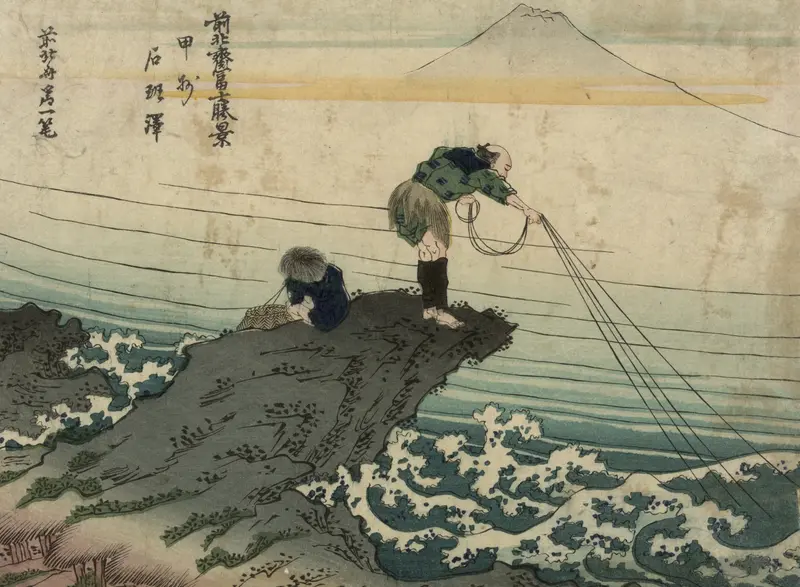
Kōshū kajikazawa
Katsushika Hokusai
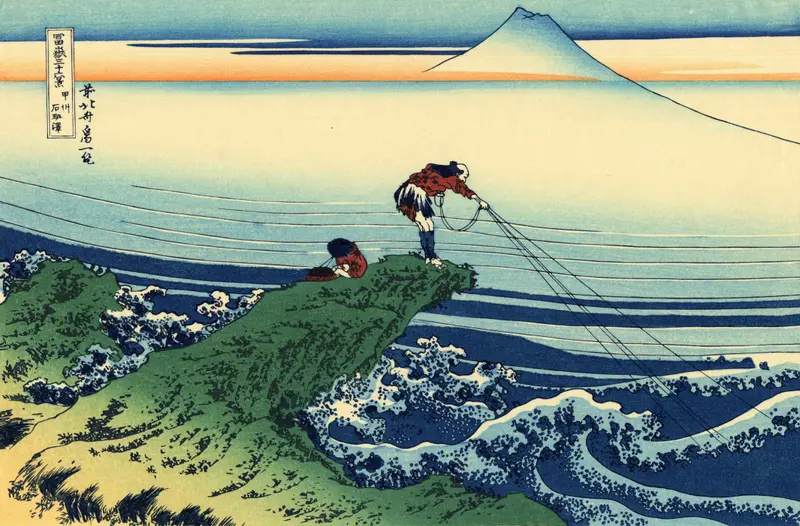
Kōshū kajikazawa 2
Katsushika Hokusai
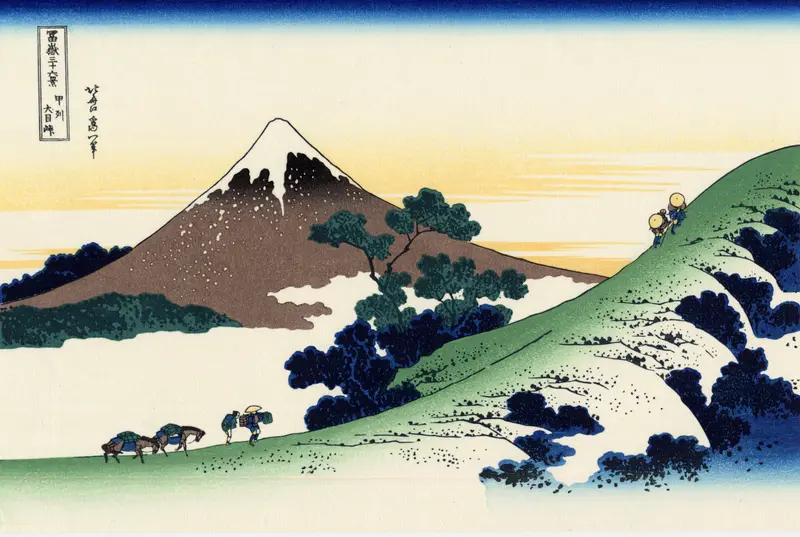
Inume Pass in Kai Province (Kôshû inume-tôge)
Katsushika Hokusai

Yoro Falls in Mino Province (Mino no Yoro no taki), from the series "A Tour of Waterfalls in Various Provinces (Shokoku taki meguri)"
Katsushika Hokusai
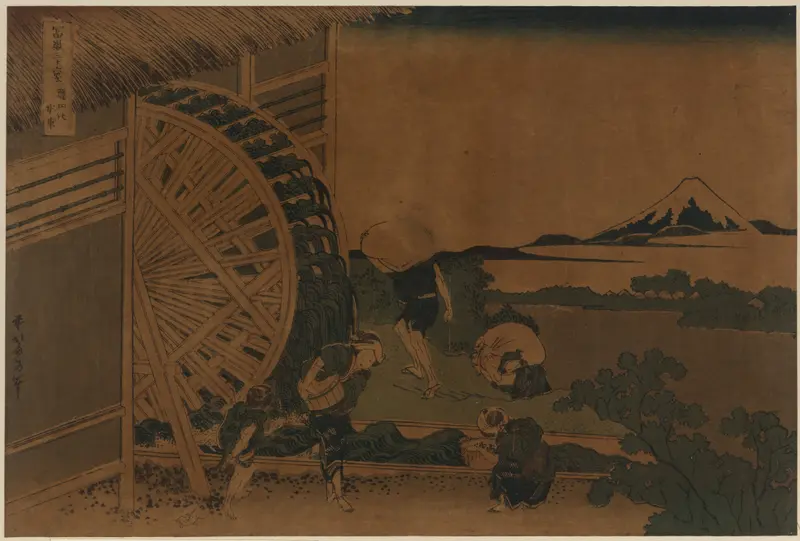
Onden no suisha
Katsushika Hokusai





