
Childhood of King Cyrus — History & Facts
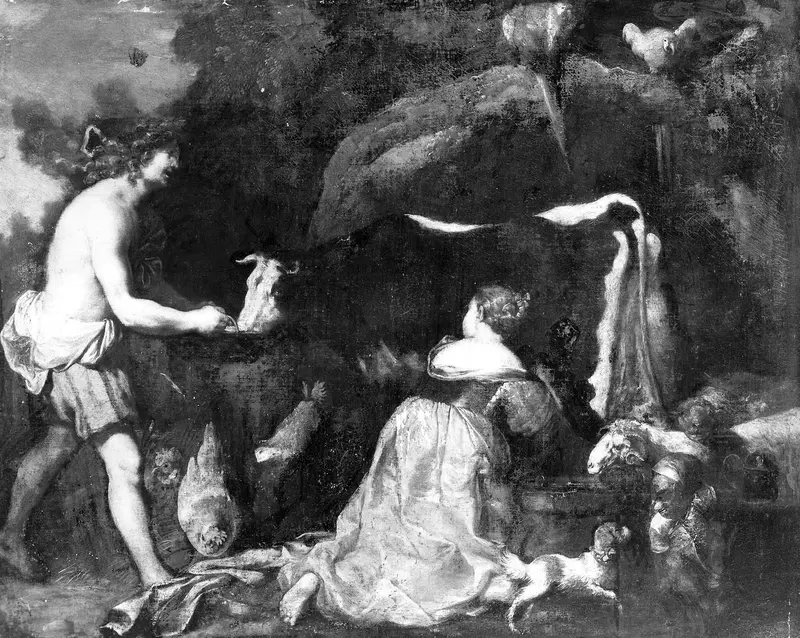
What first catches the eye in Childhood of King Cyrus by Antonio Maria Vassallo is the charged stillness at its heart: a shepherd couple, mid-step, seem to stumble upon a scene as extraordinary as it is quiet—a dog, tenderly nursing a human infant. The painting draws you in with its play of light and shadow, funneling your gaze from the dense, earthy tangle of livestock and foliage on the left to the luminous, almost theatrical clearing where the child lies swaddled. The shepherds’ startled gestures—one hand raised in astonishment, the other clutching a staff—signal the moment’s gravity, while the animals’ calm presence roots the miracle in the everyday.
The dog’s protective posture and the infant’s vulnerability are underscored by the rich folds of white cloth, a visual anchor amid the forest gloom. Painted in the mid-17th century, this work belongs to a tradition that delighted in grand stories rendered with earthy immediacy. Scenes from ancient history and myth, especially those involving the miraculous survival of future rulers, were a favorite of Baroque painters, who supplied princely patrons with images of providence and destiny. In the 1640s and 1650s, artists like Vassallo responded to a world of shifting power and ambition by turning to tales of lost heirs and humble origins.
This painting, now in the Hermitage Museum’s collection, is part of that larger conversation—its dramatic contrasts and careful detail inviting viewers to linger, to puzzle out the narrative, and to marvel at the way fate can turn on a single, silent moment.
More Artworks by Antonio Maria Vassallo

Medea using her Magic, a scene from Ovid’s Metamorphoses
Antonio Maria Vassallo
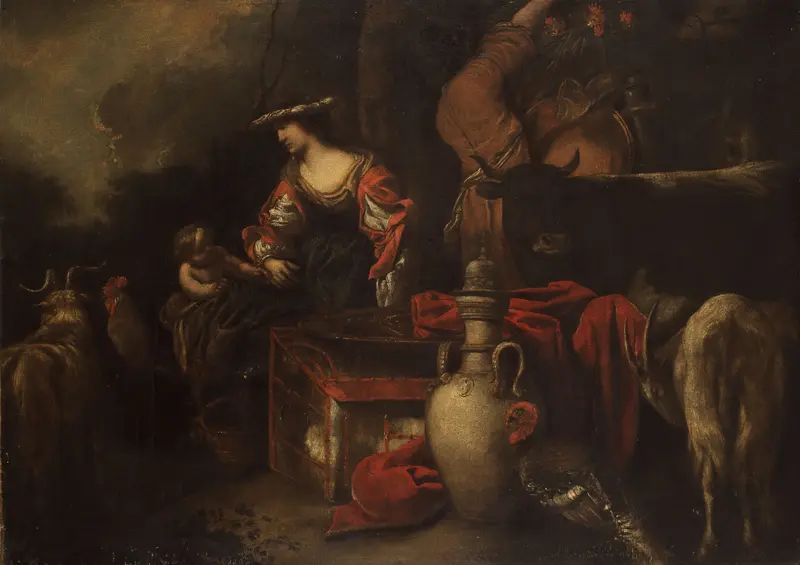
Rebekah at the Well
Antonio Maria Vassallo
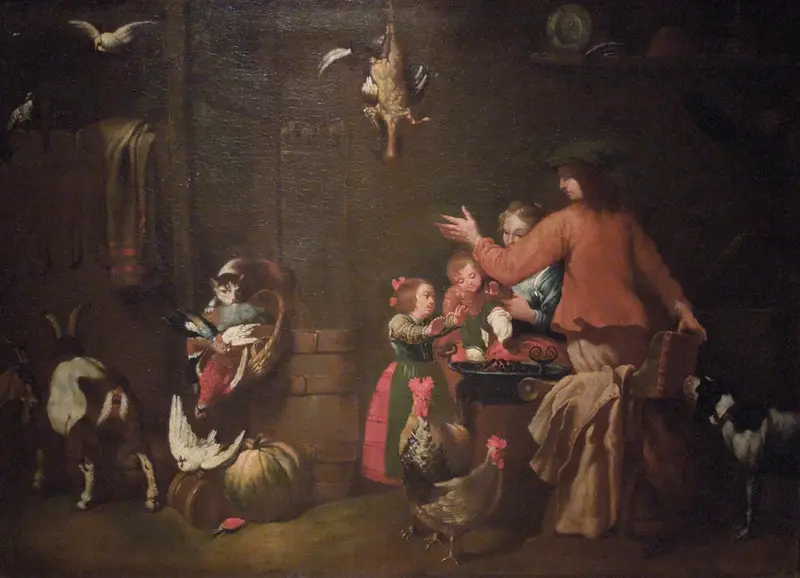
Kitchen Interior
Antonio Maria Vassallo
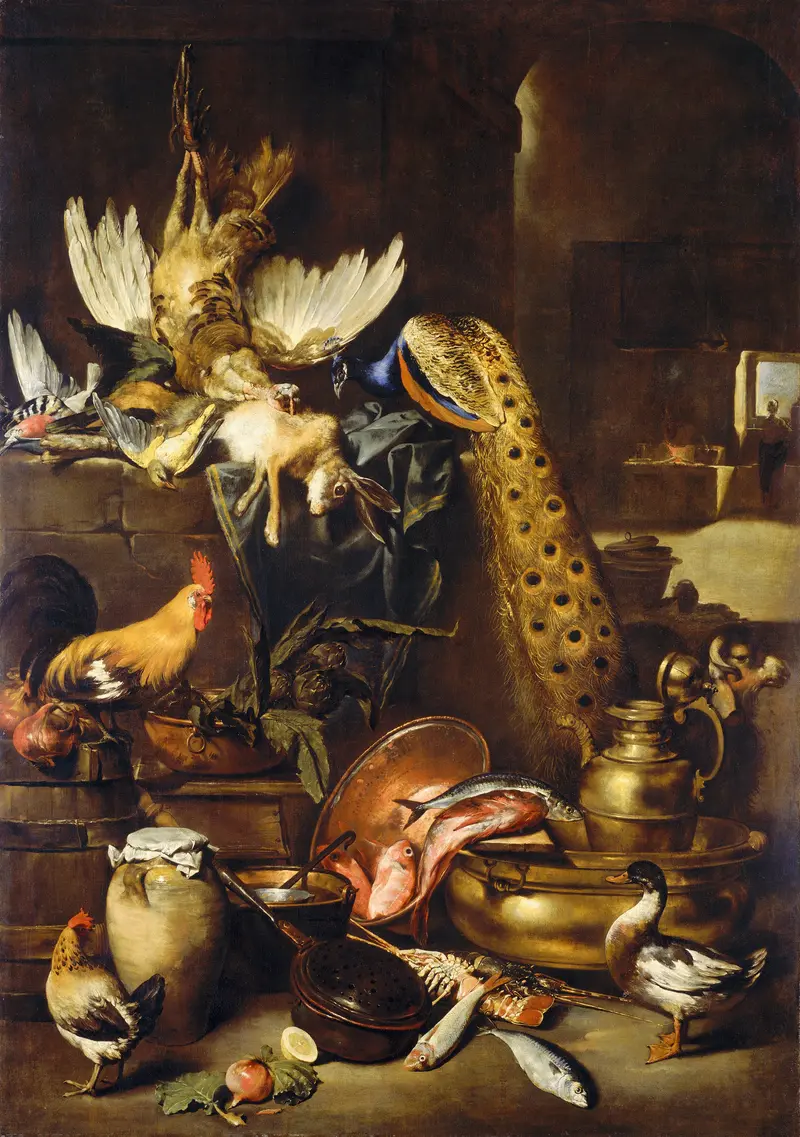
The Larder
Antonio Maria Vassallo
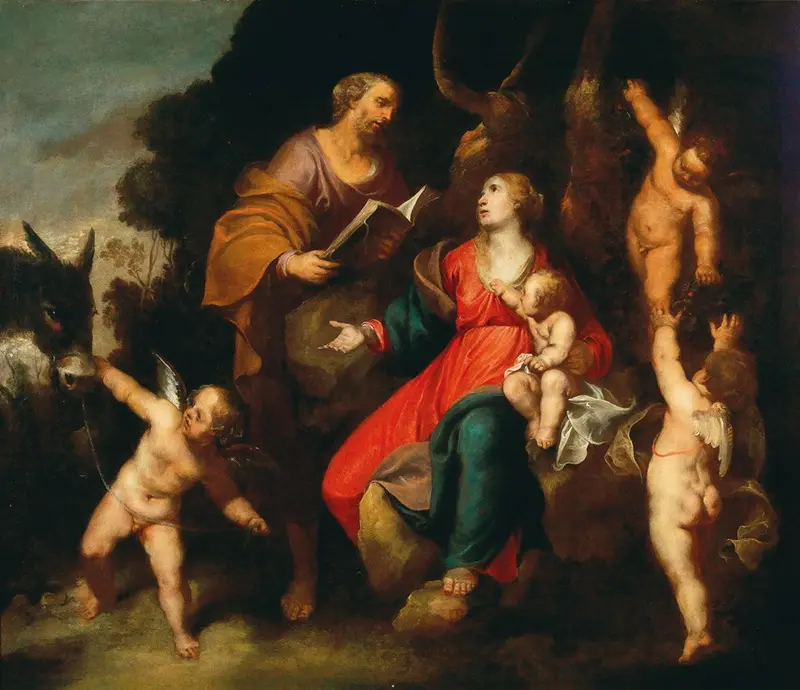
The Rest on the Flight into Egypt
Antonio Maria Vassallo
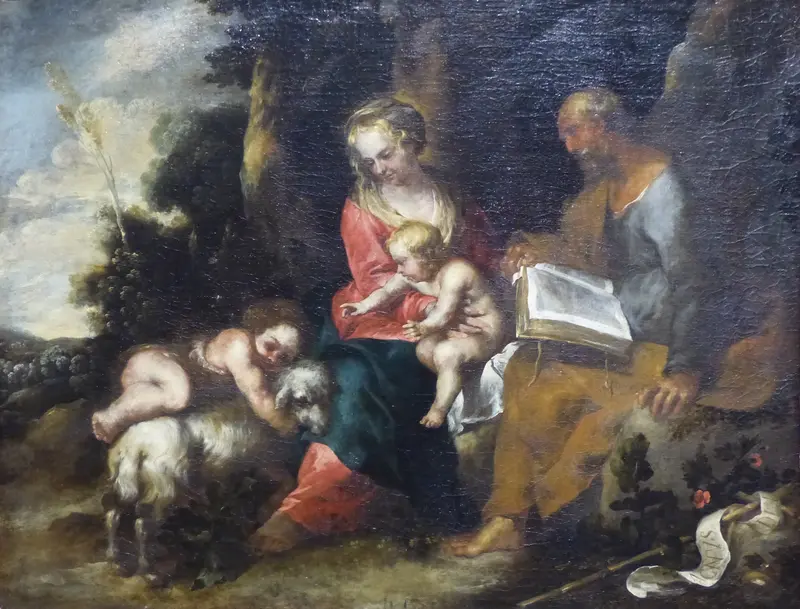
la Sainte-Famille avec St Jean-Baptiste
Antonio Maria Vassallo
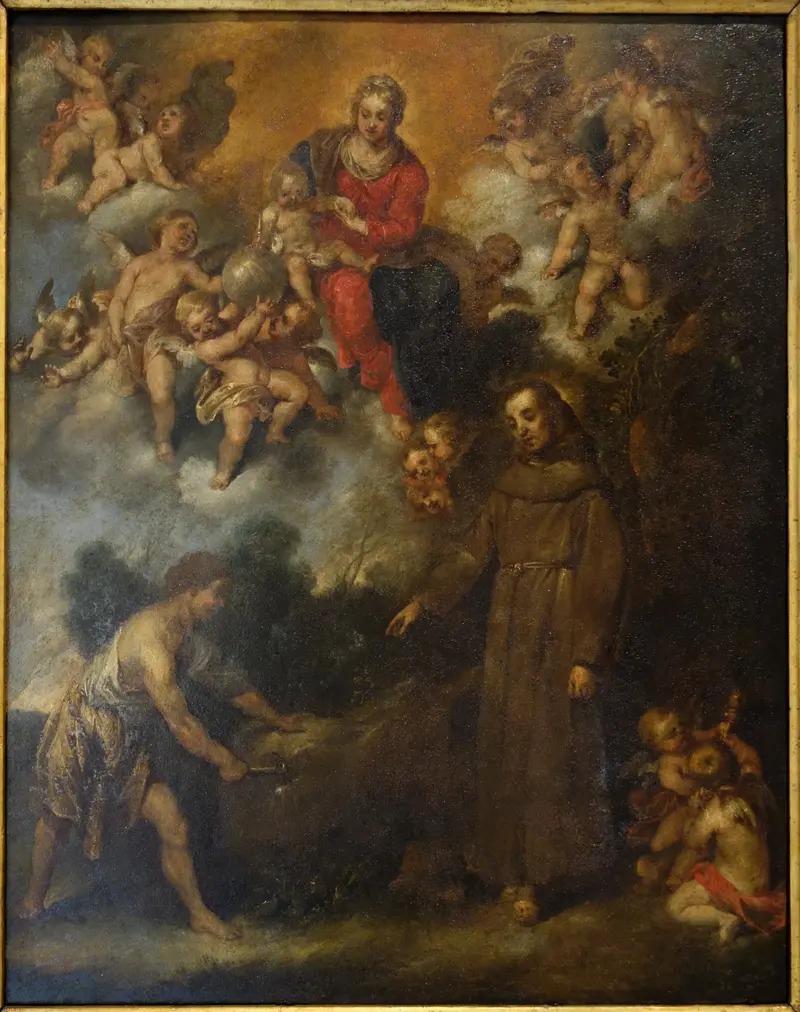
Blessed Andrea da Spello brings Water from a Rock
Antonio Maria Vassallo
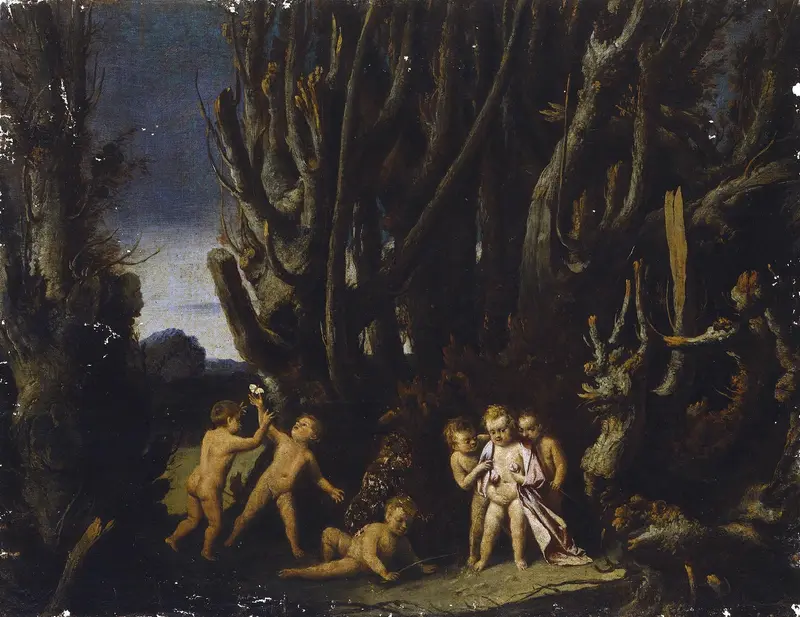
Putti in a Landscape
Antonio Maria Vassallo
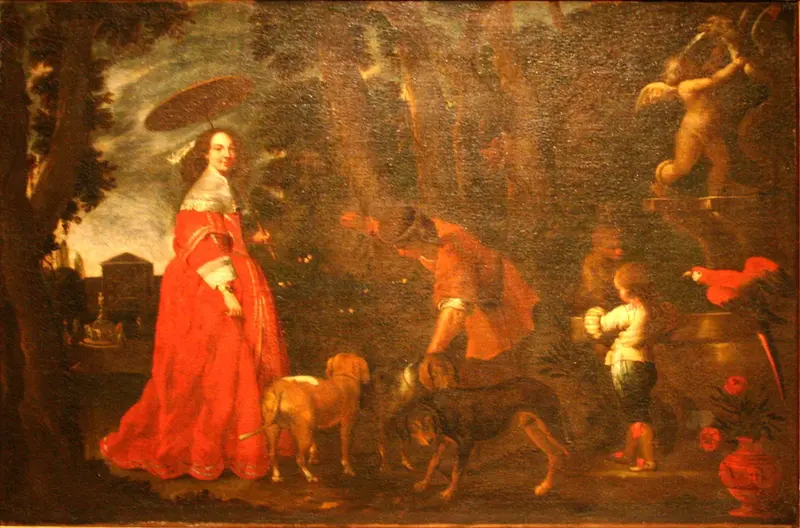
Promenade dans un parc
Antonio Maria Vassallo
Apollo as a Shepherd
Antonio Maria Vassallo





