
Putti in a Landscape — History & Facts
What first catches the eye in Putti in a Landscape is the way the children’s pale bodies seem to glow against the shadowy tangle of ancient trees. The forest looms, gnarled and almost menacing, yet at its foot a small drama of innocence unfolds: a group of putti, those mythic children of Italian painting, are absorbed in their own world. One stands draped in a pink cloth, the others cluster around, some reaching for flowers, one sprawled on the ground.
The light falls gently on their skin, guiding the viewer’s gaze from the dark, mysterious woods to this island of youthful play. The contrast between the dense, almost impenetrable background and the lively children at the center gives the scene a sense of discovery, as if we’ve stumbled upon a secret gathering. Works like this by Antonio Maria Vassallo, painted between 1620 and 1664, belong to a tradition that delighted in the playful and the pastoral, often destined for private homes or the more intimate corners of noble estates. In the seventeenth century, such images of putti—neither quite angels nor mere mortals—spoke to ideals of innocence and joy, but also to the cultivated taste for allegory and myth.
The painting’s home today, the Hermitage Museum, holds it as a quiet testament to the era’s fascination with both the wildness of nature and the ordered world of human imagination. History has kept few traces of this painting’s early life, but its mood and setting invite us to linger, looking for the stories hidden in the shadows and the light.
More Artworks by Antonio Maria Vassallo

Medea using her Magic, a scene from Ovid’s Metamorphoses
Antonio Maria Vassallo
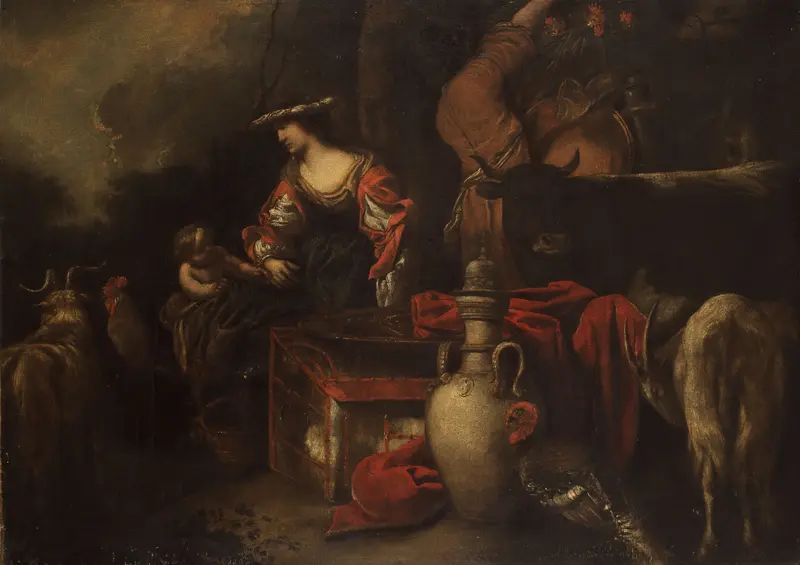
Rebekah at the Well
Antonio Maria Vassallo
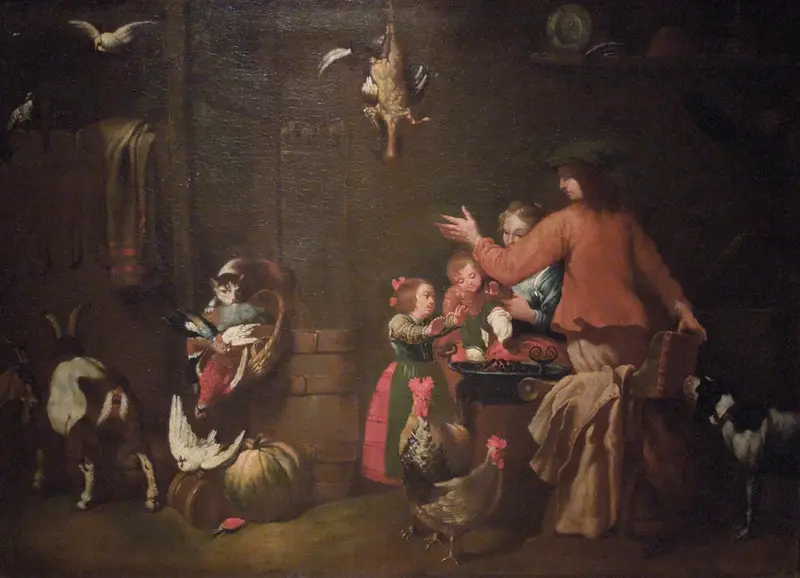
Kitchen Interior
Antonio Maria Vassallo
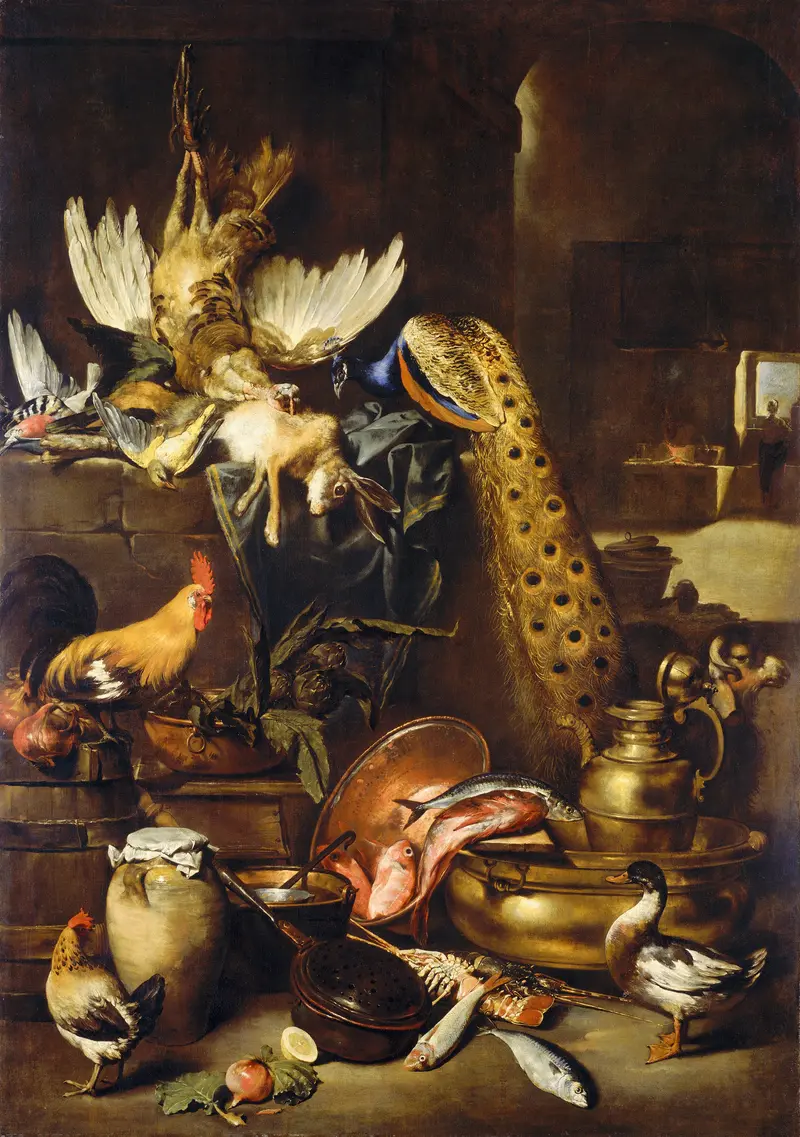
The Larder
Antonio Maria Vassallo
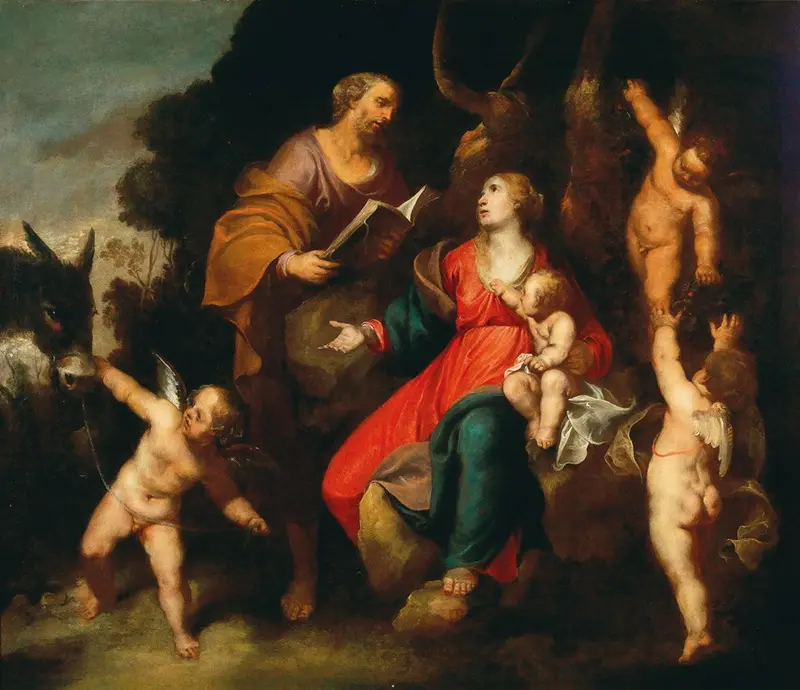
The Rest on the Flight into Egypt
Antonio Maria Vassallo
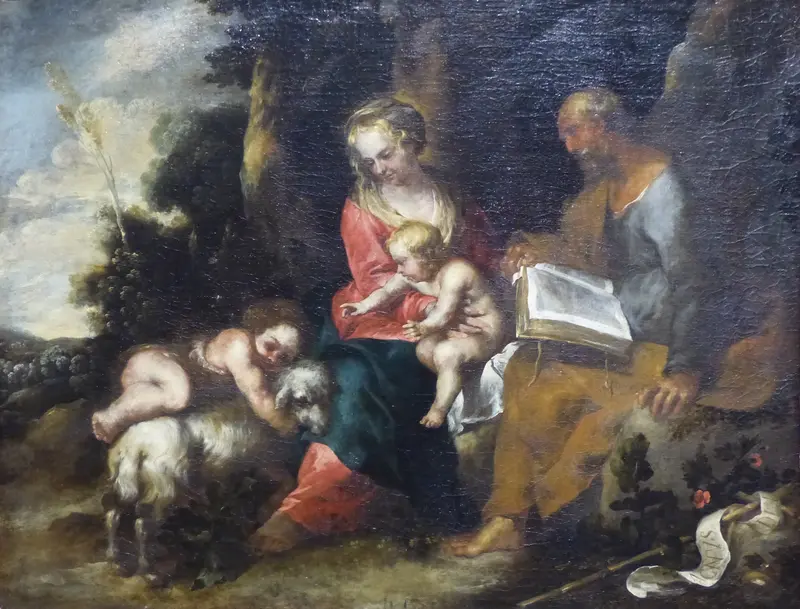
la Sainte-Famille avec St Jean-Baptiste
Antonio Maria Vassallo
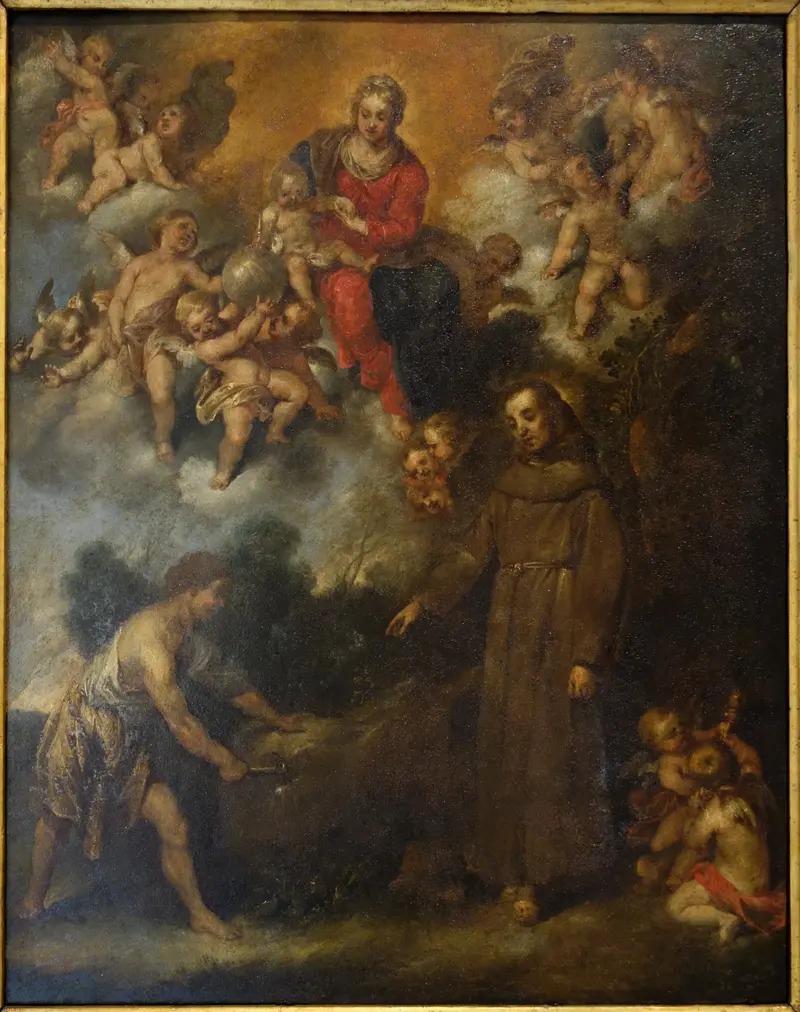
Blessed Andrea da Spello brings Water from a Rock
Antonio Maria Vassallo
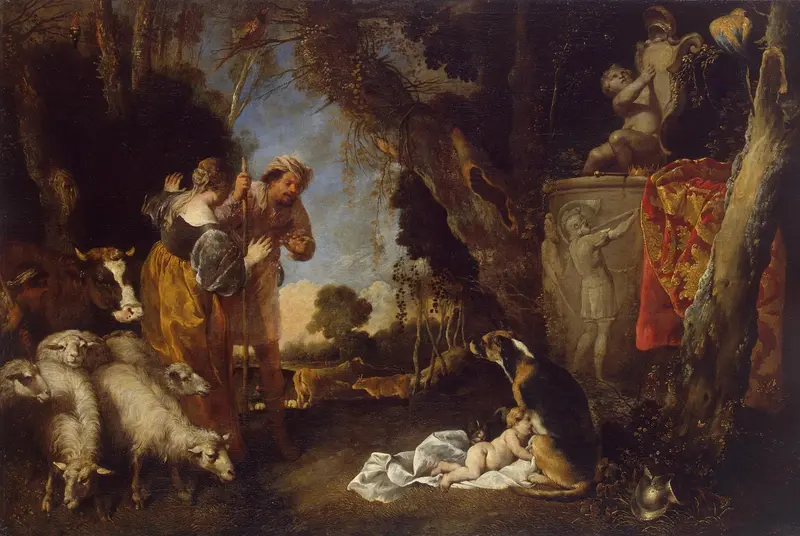
Childhood of King Cyrus
Antonio Maria Vassallo
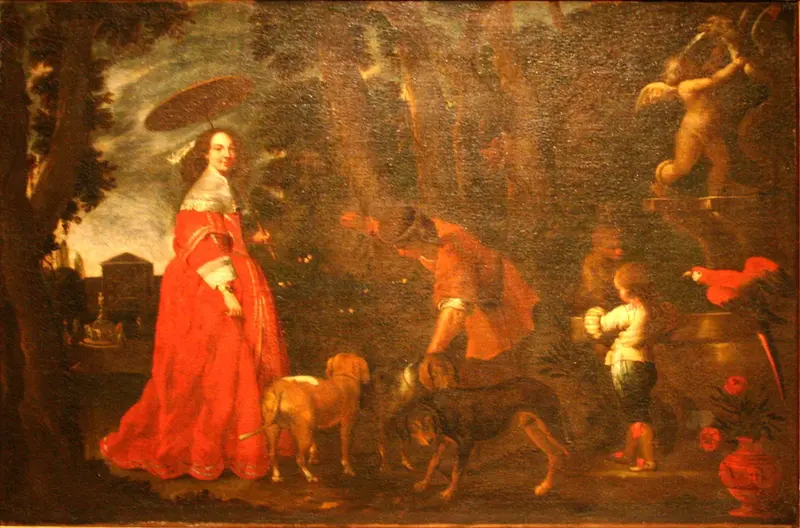
Promenade dans un parc
Antonio Maria Vassallo
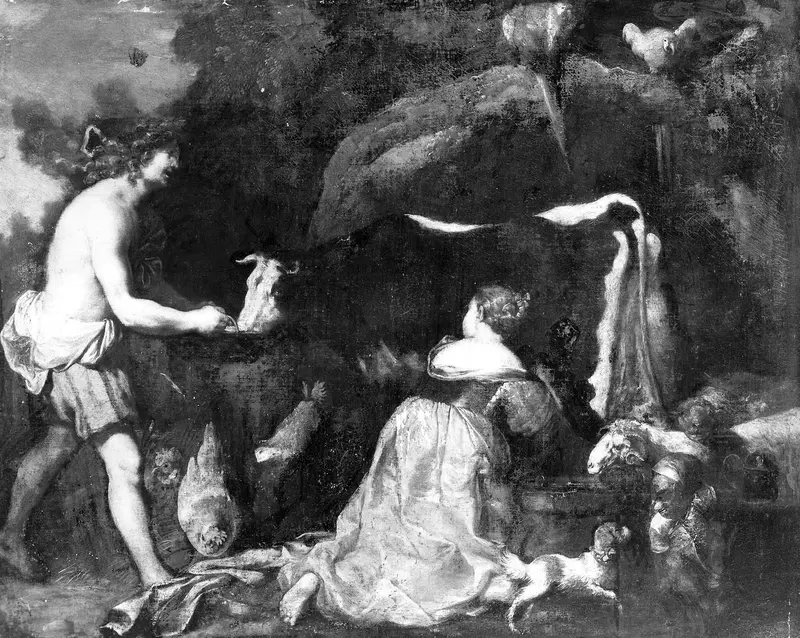
Apollo as a Shepherd
Antonio Maria Vassallo
More Landscape Art

The Starry Night
Vincent van Gogh

View of Delft
Johannes Vermeer

Water Lilies
Claude Monet

The Grand Canal, Venice, looking north-west from the Ca' Corner to the Ca' Contarini degli Scrigni, with the campanile of Santa Maria della Carità
Canaletto

Windsor Castle
Canaletto

The Grand Canal looking North-East from the Palazzo Dolfin-Manin to the Rialto Bridge
Canaletto