
la Sainte-Famille avec St Jean-Baptiste — History & Facts
What draws the eye first is the gentle choreography of touch: a child, reaching out with curiosity toward another, while a mother’s arms both cradle and guide. The figures are gathered in a loose triangle, their bodies softly illuminated against a backdrop of swirling clouds and shadowed rock. The play of light seems to caress the faces, drawing you into their intimacy—the older man’s open book and attentive gaze, the mother’s downward glance, the children’s lively encounter with a lamb.
Every gesture serves a purpose: the lamb, nuzzled by the child on the left, hints at innocence and sacrifice, while the open book signals wisdom and reflection. The palette is warm but subdued, with earthy browns and gentle reds, setting a mood of quiet, familial tenderness. Painted between circa 1635 and circa 1640, this work by Antonio Maria Vassallo belongs to an era when religious scenes were expected to do more than instruct—they were meant to invite the viewer into a moment of living faith. In seventeenth-century Italy, images of the Holy Family with the infant John the Baptist were favored for private devotion, often commissioned by wealthy patrons eager to display both piety and taste.
The composition here, with its informal grouping and naturalistic gestures, reflects the period’s move away from rigid hierarchies toward a more human, approachable sacredness. History has kept few traces of this particular painting’s journey, but its survival in a modern collection allows us to witness a moment of quiet connection, as fresh now as when it was first painted.
More Artworks by Antonio Maria Vassallo

Medea using her Magic, a scene from Ovid’s Metamorphoses
Antonio Maria Vassallo
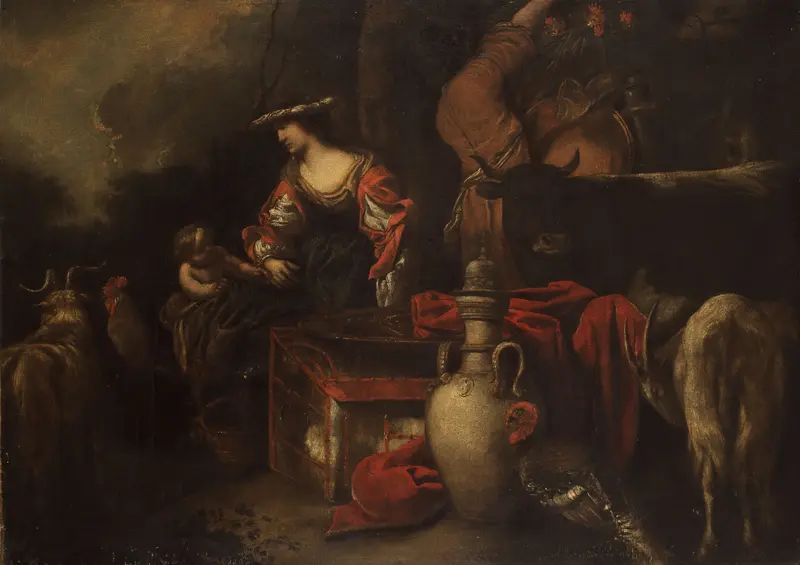
Rebekah at the Well
Antonio Maria Vassallo
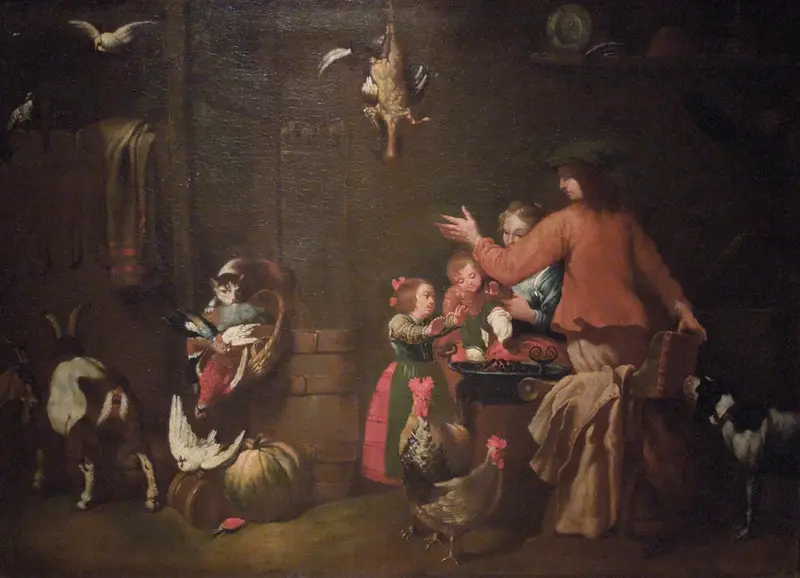
Kitchen Interior
Antonio Maria Vassallo
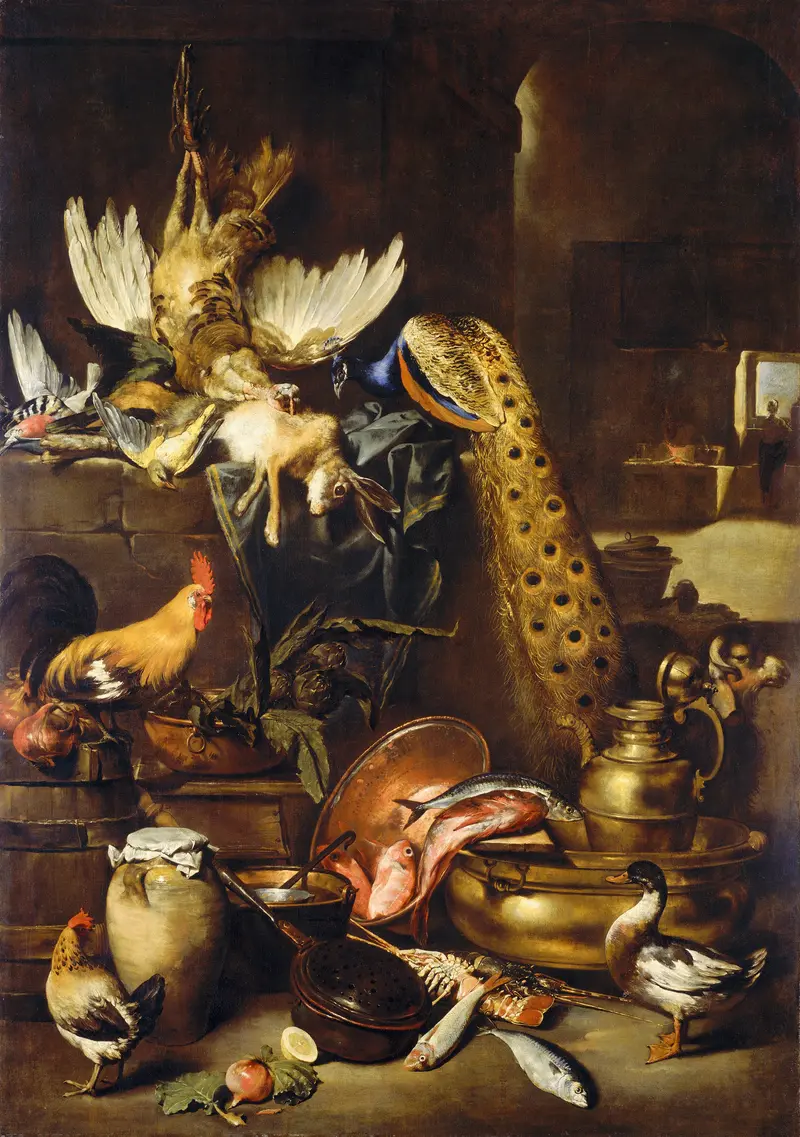
The Larder
Antonio Maria Vassallo
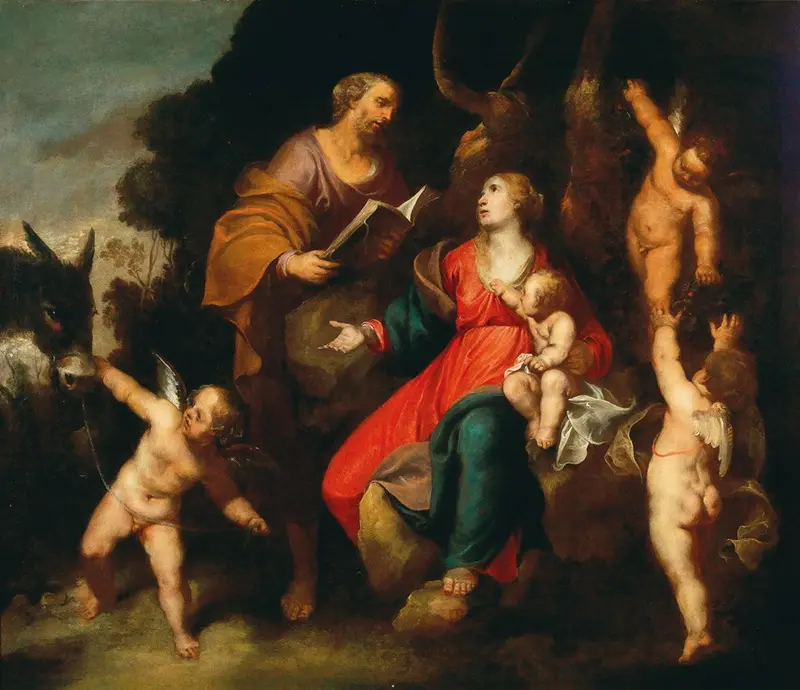
The Rest on the Flight into Egypt
Antonio Maria Vassallo
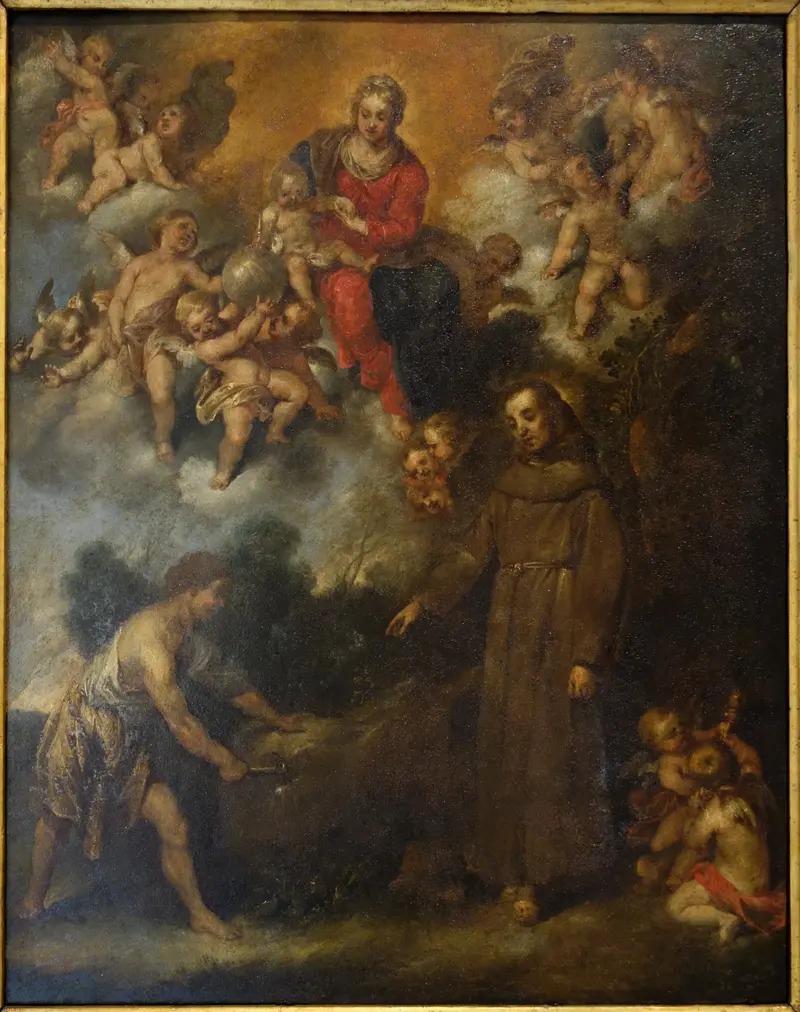
Blessed Andrea da Spello brings Water from a Rock
Antonio Maria Vassallo
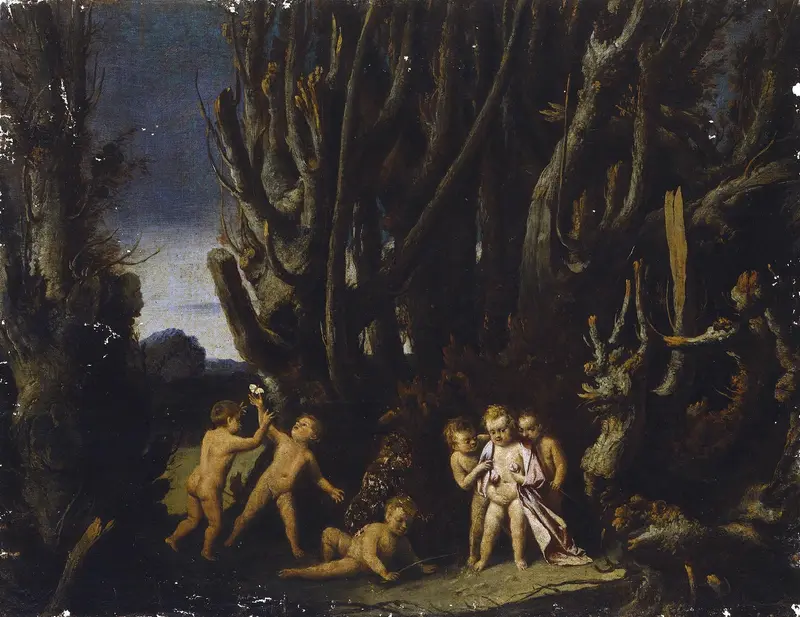
Putti in a Landscape
Antonio Maria Vassallo
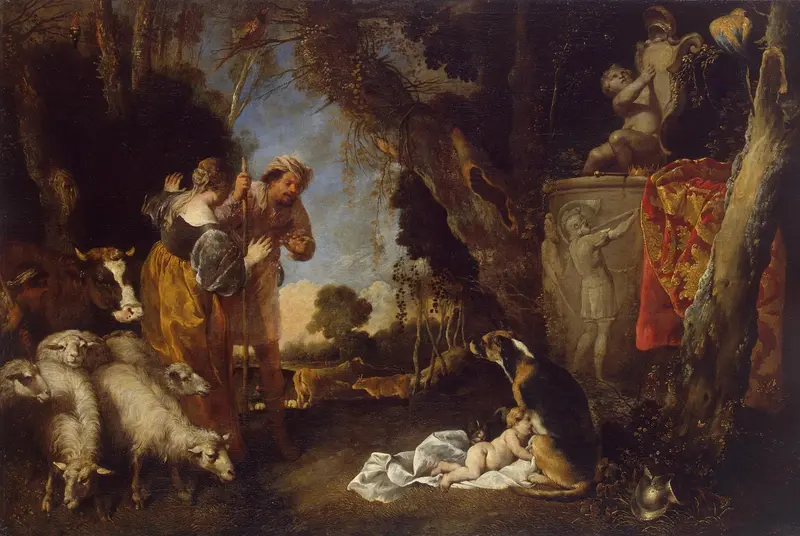
Childhood of King Cyrus
Antonio Maria Vassallo
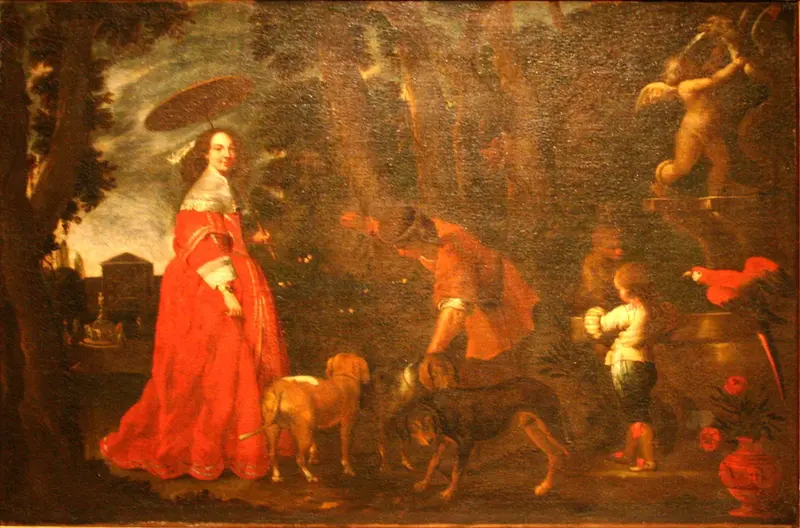
Promenade dans un parc
Antonio Maria Vassallo
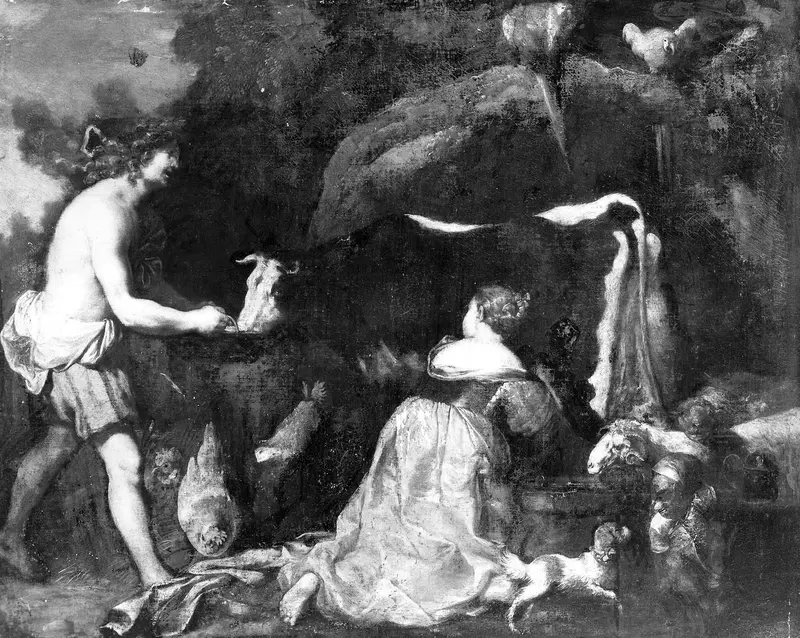
Apollo as a Shepherd
Antonio Maria Vassallo





