
Apollo as a Shepherd — History & Facts
What first catches the eye in Apollo as a Shepherd is the gentle choreography of figures and animals, all gathered in a moment of quiet offering. The god Apollo, his mythic attributes softened, stands bare-chested and crowned with laurels, extending an offering toward a seated woman whose back is turned to us, her dress pooling in soft folds. Their gestures are deliberate but unhurried: Apollo’s outstretched arm draws the viewer’s gaze to the center, where a goat and a pair of chickens cluster around the scene, their presence a reminder of the rural world the title evokes.
Light falls unevenly, picking out the sheen of fabric and the curve of Apollo’s torso, while the shadowy background presses the action forward, creating a sense of intimacy and enclosure. Even the animals seem to participate in this ritual, their attentive postures echoing the mood of reverence and calm. Works like this, painted by Antonio Maria Vassallo in the Baroque period, were shaped by a world in which myth and daily life intermingled on canvas. In seventeenth-century Italy, such scenes were prized by collectors who sought to display both their taste for classical learning and their appreciation for the pastoral ideal—a vision of the countryside as a place of harmony and divine presence.
The painting now resides in the collection of the Museum of Fine Arts, Boston, its date and original commission lost to history, like so many works by lesser-known hands. Yet the image endures, inviting us to linger over its details and imagine the stories behind each gesture and glance, the mythic world made momentarily real.
More Artworks by Antonio Maria Vassallo

Medea using her Magic, a scene from Ovid’s Metamorphoses
Antonio Maria Vassallo
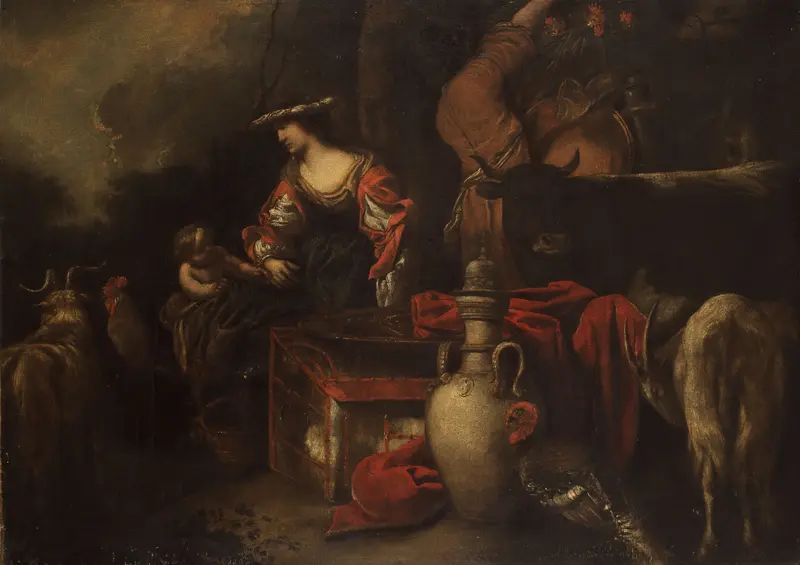
Rebekah at the Well
Antonio Maria Vassallo
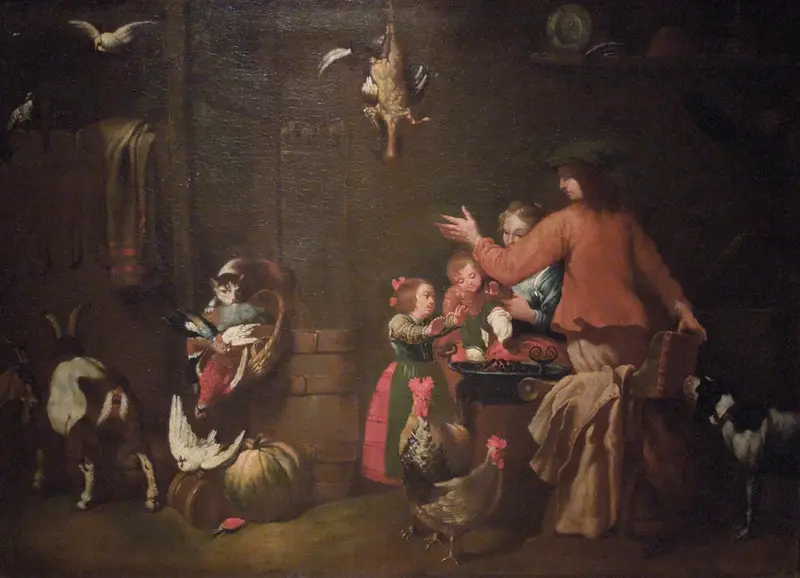
Kitchen Interior
Antonio Maria Vassallo
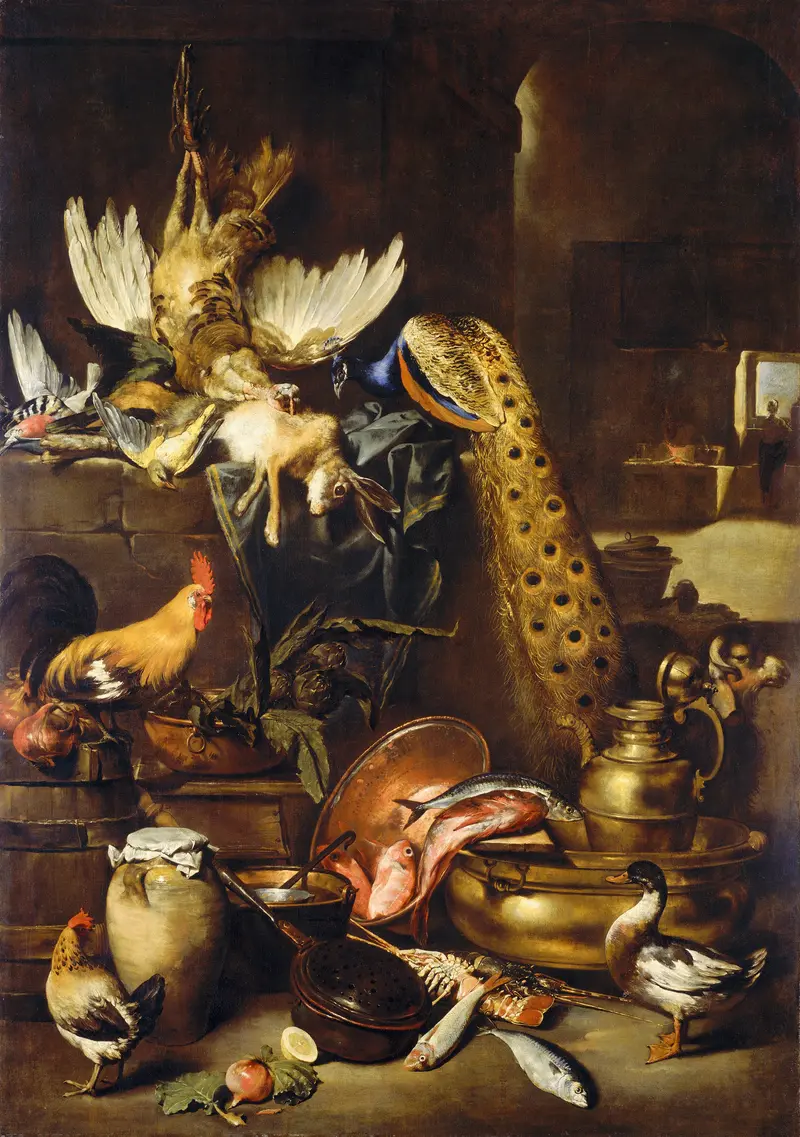
The Larder
Antonio Maria Vassallo
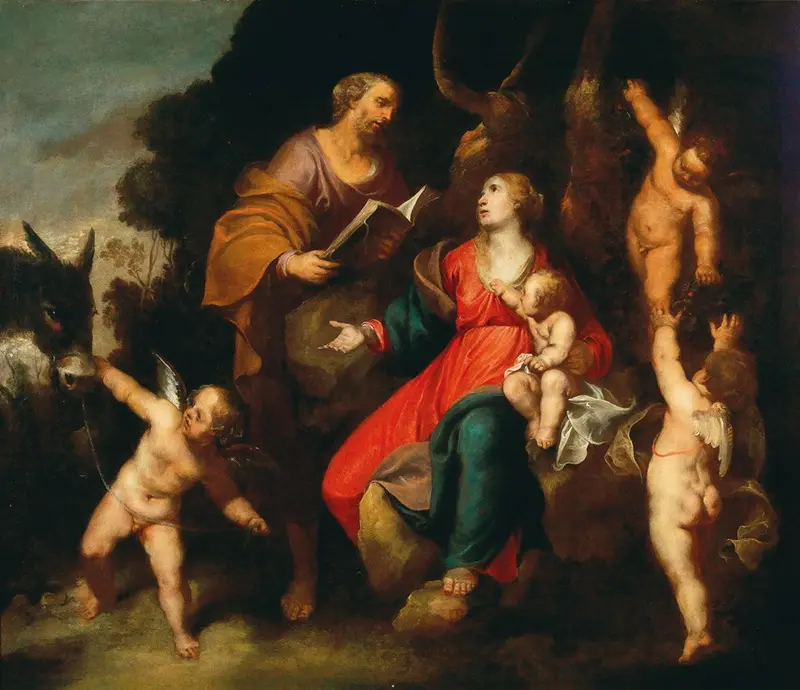
The Rest on the Flight into Egypt
Antonio Maria Vassallo
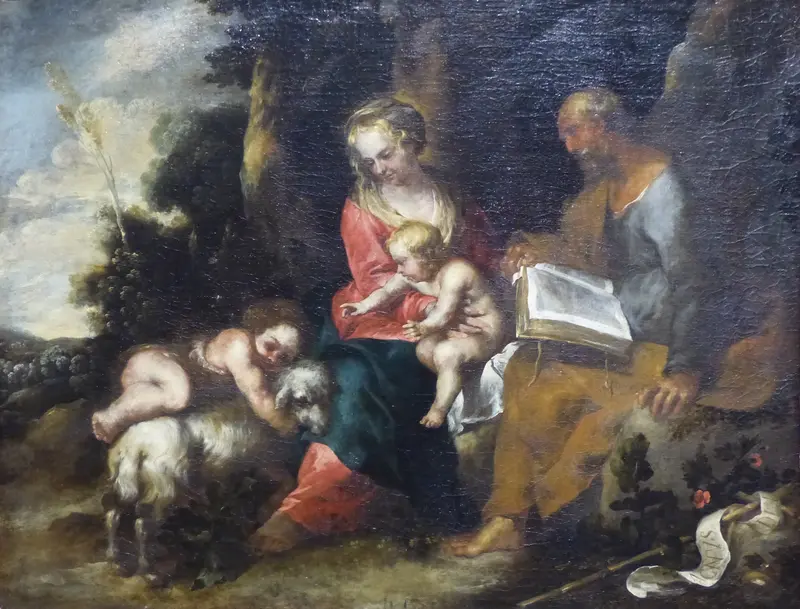
la Sainte-Famille avec St Jean-Baptiste
Antonio Maria Vassallo
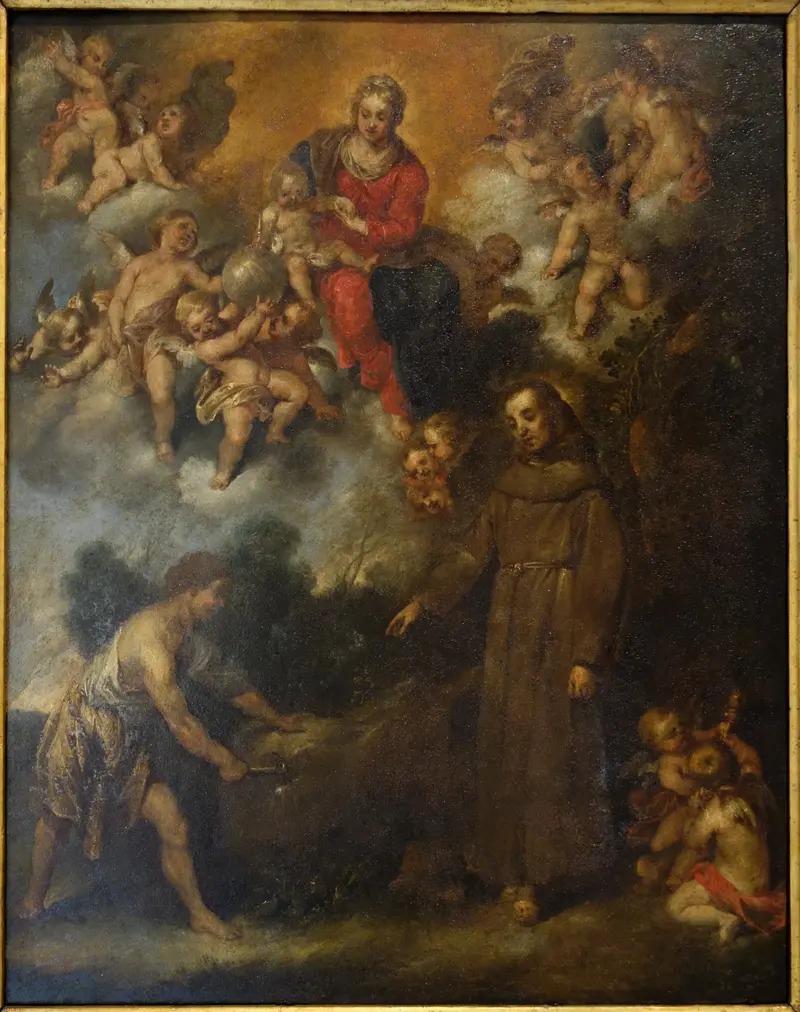
Blessed Andrea da Spello brings Water from a Rock
Antonio Maria Vassallo
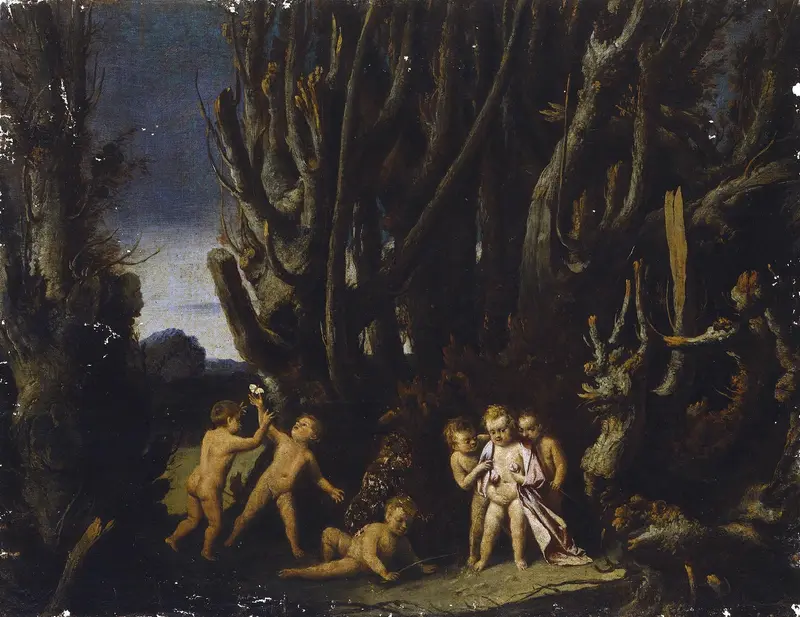
Putti in a Landscape
Antonio Maria Vassallo
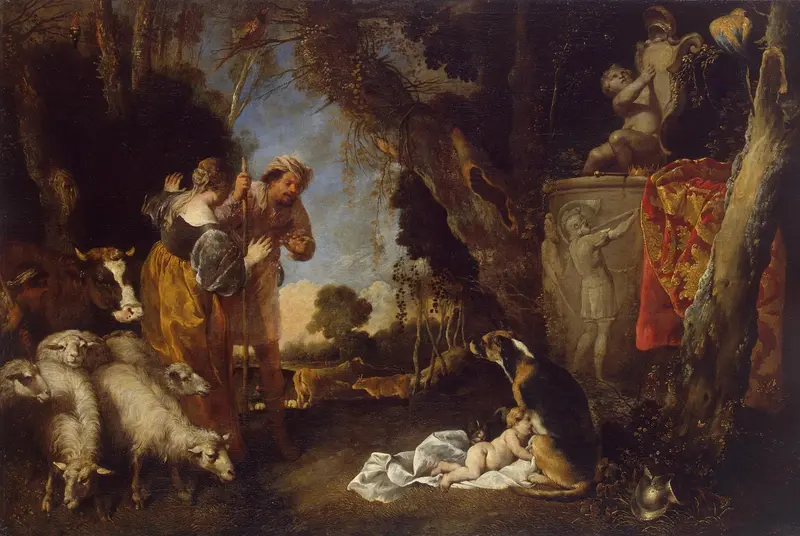
Childhood of King Cyrus
Antonio Maria Vassallo
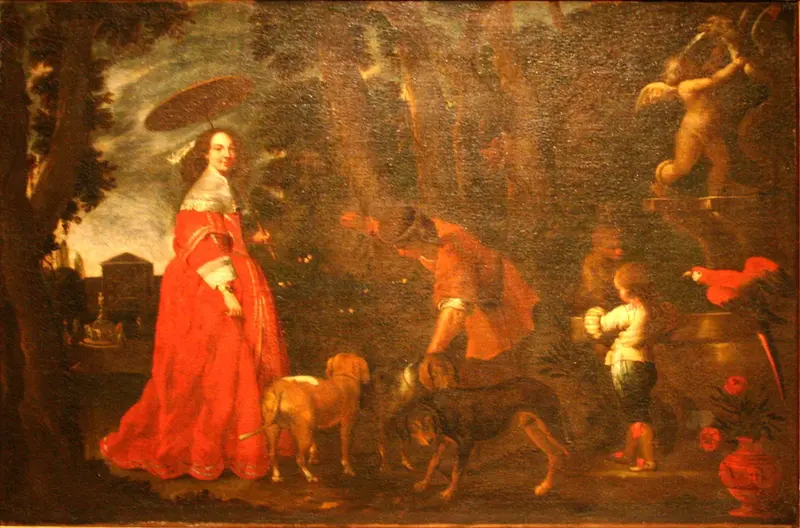
Promenade dans un parc
Antonio Maria Vassallo





