
Kitchen Interior — History & Facts
What first catches the eye in Kitchen Interior by Antonio Maria Vassallo is the lively choreography of creatures and people, all sharing the same shadowy warmth. At the heart of the scene, a family gathers around a table, their gestures animated and tender—an adult reaches out, perhaps to steady a child or to share a morsel, while another child looks on, absorbed in the small drama of daily life. The light, soft but purposeful, falls on faces and hands, guiding us to the human center before letting our gaze wander to the animals: chickens pecking at the floor, a goat nosing the shadows, a cat curled in a basket beside a heap of game.
Every detail here is purposeful: the hanging fowl, the scattered produce, the mingling of domestic and wild, all signaling abundance and the cycles of work and sustenance. Painted between circa 1635 and circa 1640, this work belongs to a moment when scenes of everyday life—especially kitchens and markets—were gaining favor among collectors in Italy and beyond. Such paintings offered more than a glimpse of ordinary existence; they celebrated the richness and order of the household, often with a touch of humor or gentle chaos. While history has kept few traces of Vassallo’s specific intentions for this painting, its presence in a modern collection reminds us how the kitchen, with its mix of labor, play, and plenty, was a stage for both survival and affection.
The longer you look, the more you notice: a cat’s watchful eye, the curve of a pumpkin, the way each figure claims their space in the busy, generous world of the seventeenth-century home.
More Artworks by Antonio Maria Vassallo

Medea using her Magic, a scene from Ovid’s Metamorphoses
Antonio Maria Vassallo
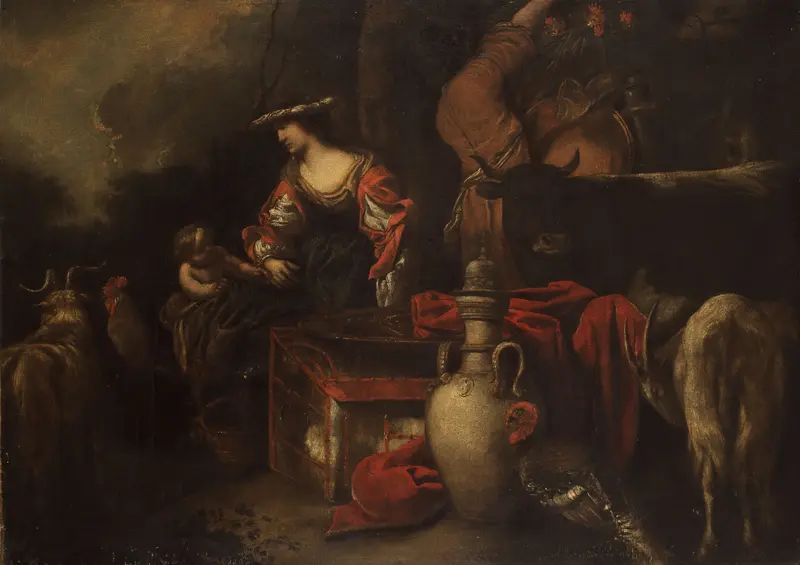
Rebekah at the Well
Antonio Maria Vassallo
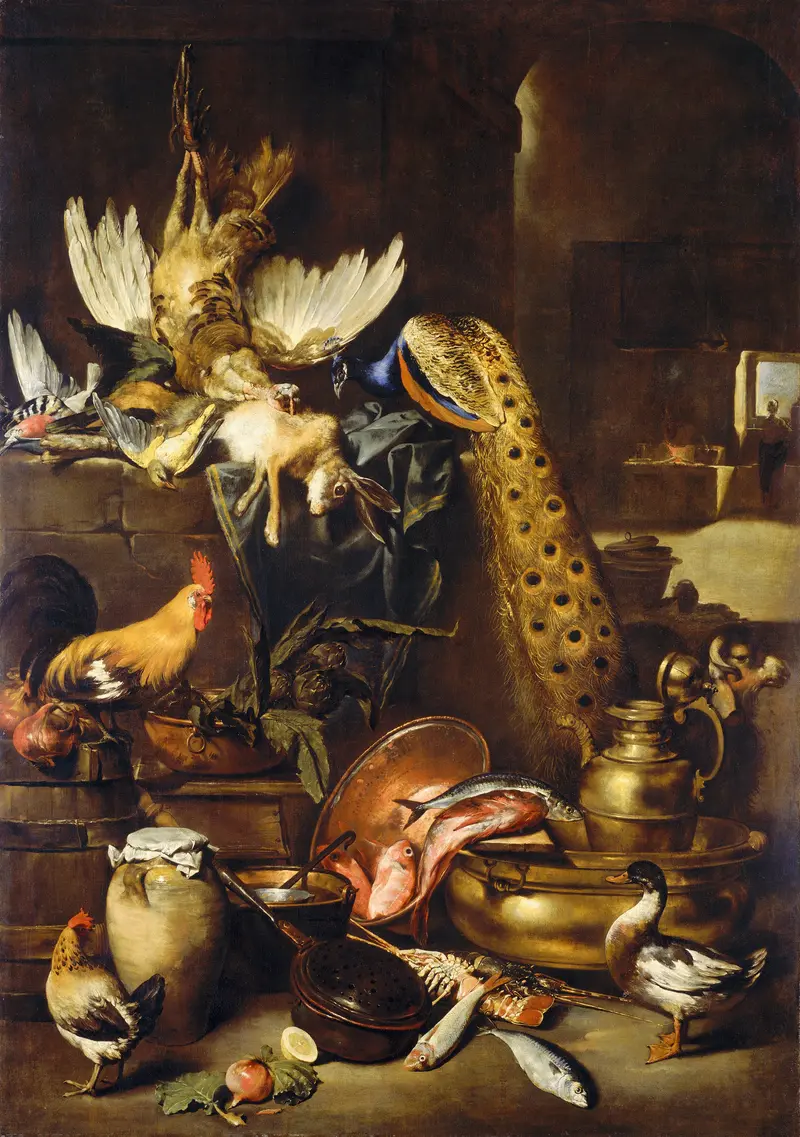
The Larder
Antonio Maria Vassallo
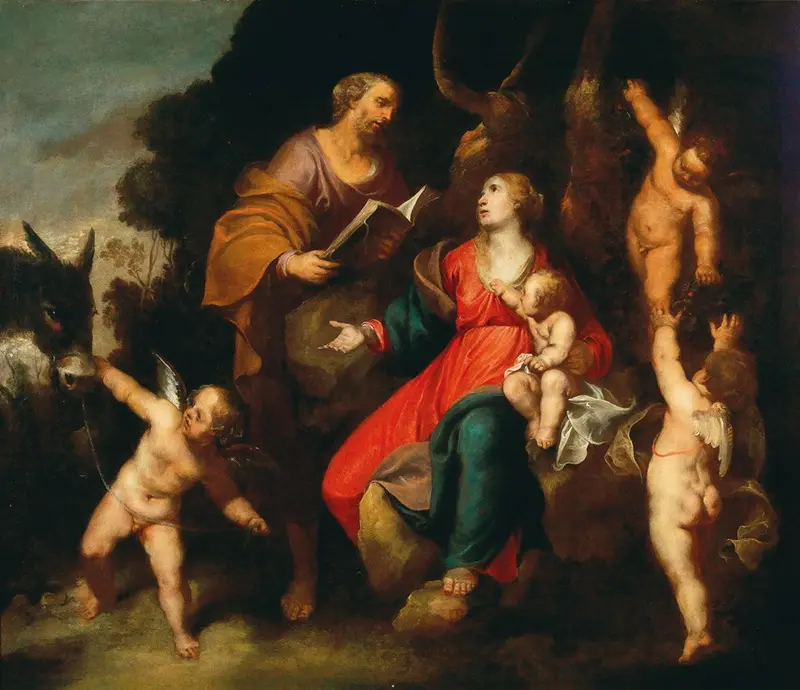
The Rest on the Flight into Egypt
Antonio Maria Vassallo
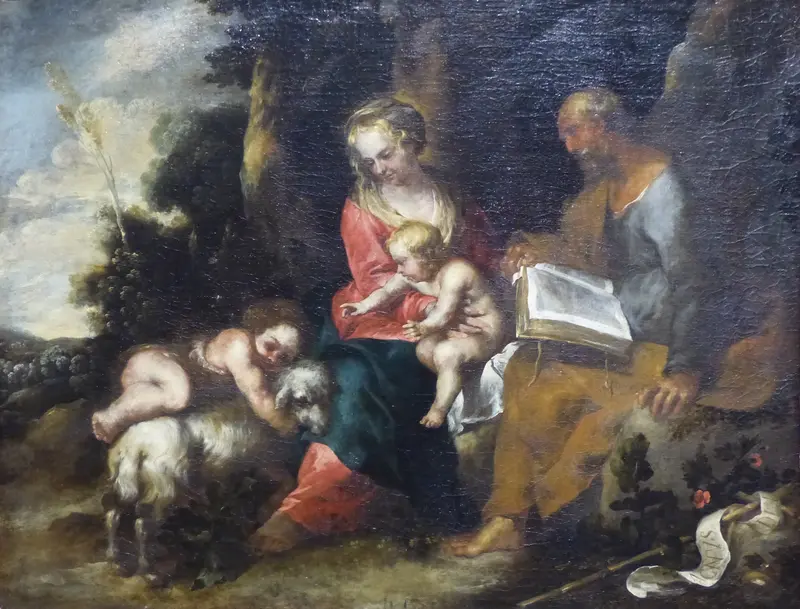
la Sainte-Famille avec St Jean-Baptiste
Antonio Maria Vassallo
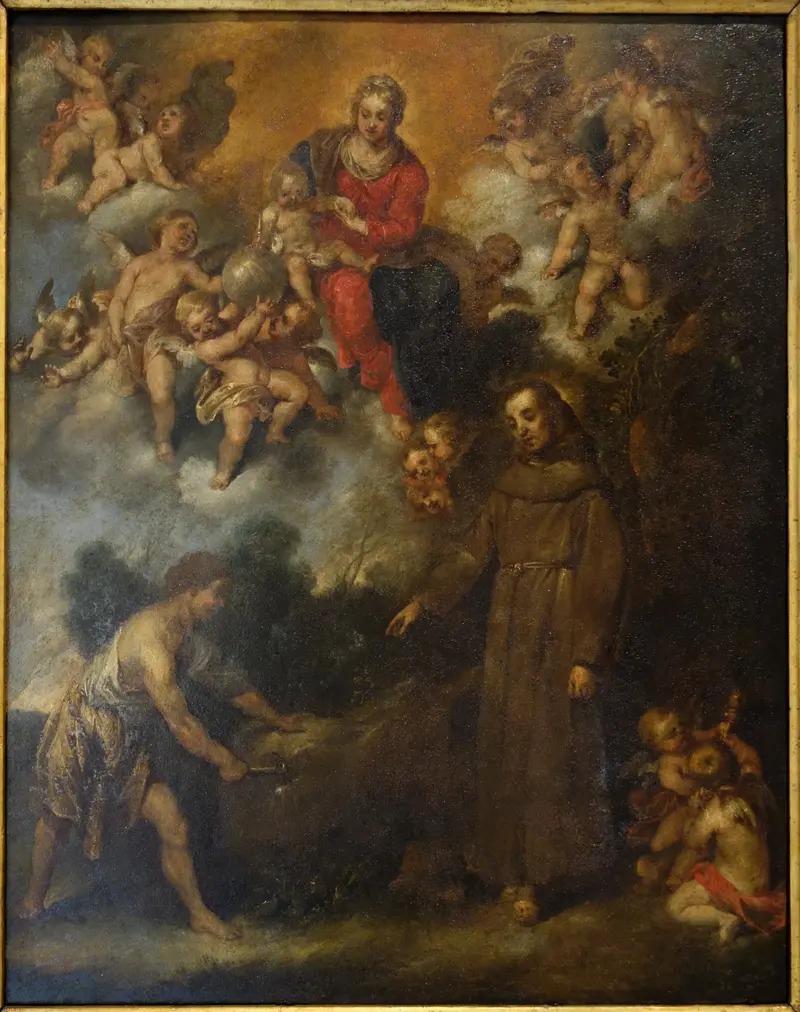
Blessed Andrea da Spello brings Water from a Rock
Antonio Maria Vassallo
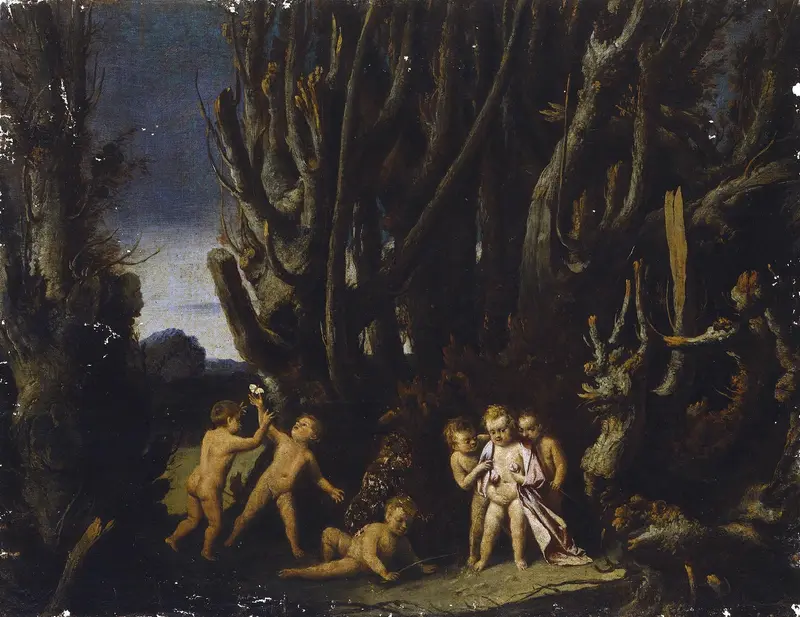
Putti in a Landscape
Antonio Maria Vassallo
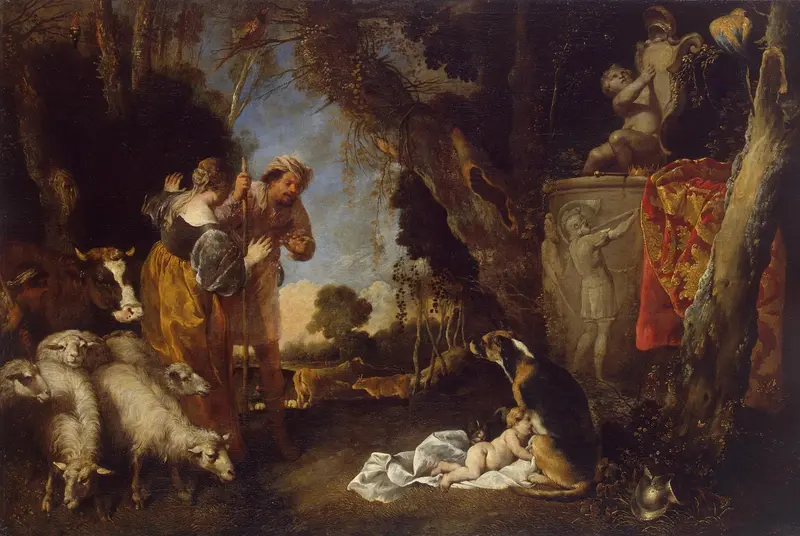
Childhood of King Cyrus
Antonio Maria Vassallo
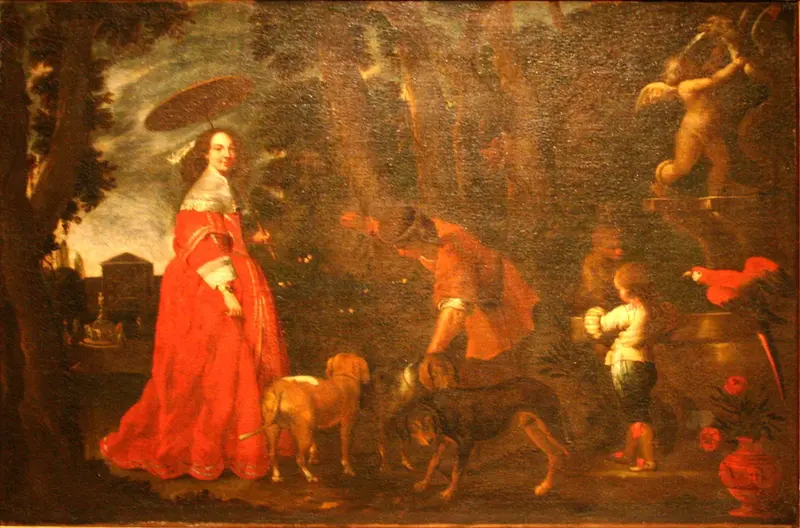
Promenade dans un parc
Antonio Maria Vassallo
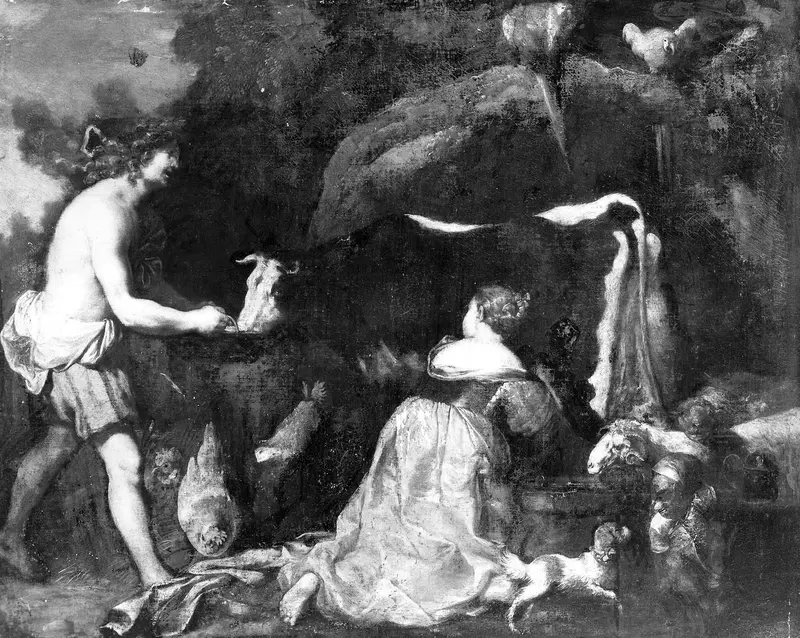
Apollo as a Shepherd
Antonio Maria Vassallo
More Genre Scene Art

Banquet of the Officers of the St George Civic Guard
Frans Hals

Rembrandt and Saskia in the Scene of the Prodigal Son
Rembrandt van Rijn

Bal du moulin de la Galette
Pierre-Auguste Renoir

Quadrille at the Moulin Rouge
Henri de Toulouse-Lautrec

A Burial at Ornans
Gustave Courbet

When Will You Marry?
Paul Gauguin