
Chimborazo Volcano — History & Facts
In Chimborazo Volcano, the vastness of nature is captured in a moment of haunting stillness, inviting contemplation of the void and the sublime. Look to the foreground, where a lush landscape hugs the base of the towering volcano. The vibrant greens of the foliage contrast sharply with the somber, icy peaks above, creating a striking balance between life and desolation. Notice how the light caresses the slopes, illuminating the rugged textures of the volcano's surface while casting shadows that suggest hidden depths and untold stories.
This masterful use of color and light draws the eye upward, urging a journey from the earthly to the celestial. Within this portrayal lies a reflection on nature’s majesty and the passage of time, highlighted by the contrasting elements of warmth and cold, life and void. The soft warmth at the base seems to pulse with life, while the chilling summit evokes a sense of solitude and permanence. This duality invites viewers to ponder their own existence amidst nature’s vastness, reminding them of humanity's fragility against the backdrop of the eternal. Frederic Edwin Church painted Chimborazo Volcano in 1884, during a period when the Hudson River School was gaining prominence.
His travels to South America had deepened his fascination with dramatic landscapes, which he sought to express through vibrant color and meticulous detail. At this time, he was grappling with personal loss and artistic ambition, striving to capture the grandeur of the natural world while reflecting on humanity's place within it.
More Artworks by Frederic Edwin Church
Browse all →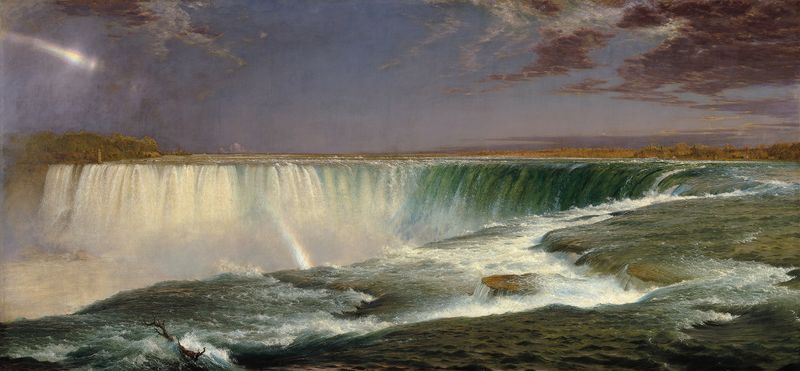
Niagara
Frederic Edwin Church
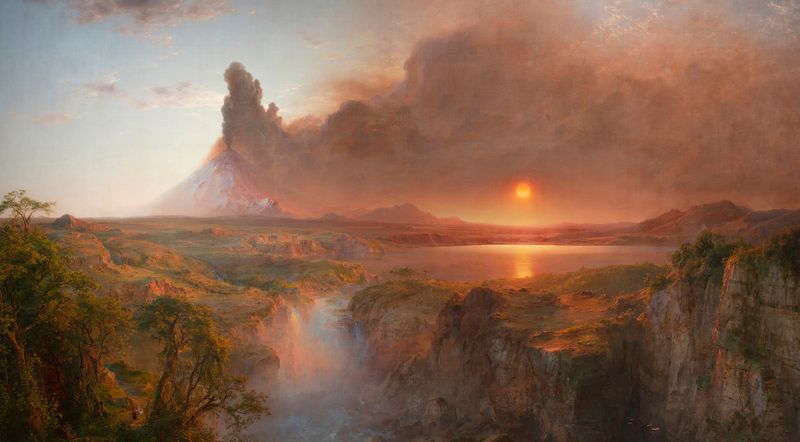
Cotopaxi
Frederic Edwin Church
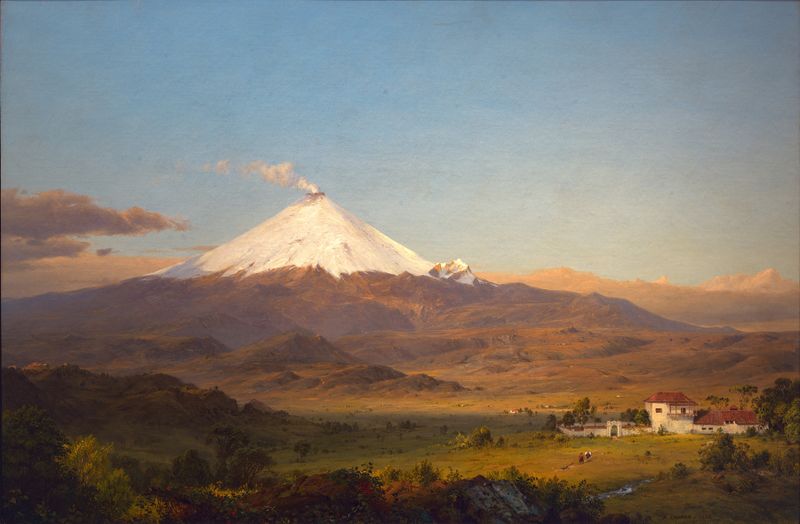
Cotopaxi
Frederic Edwin Church
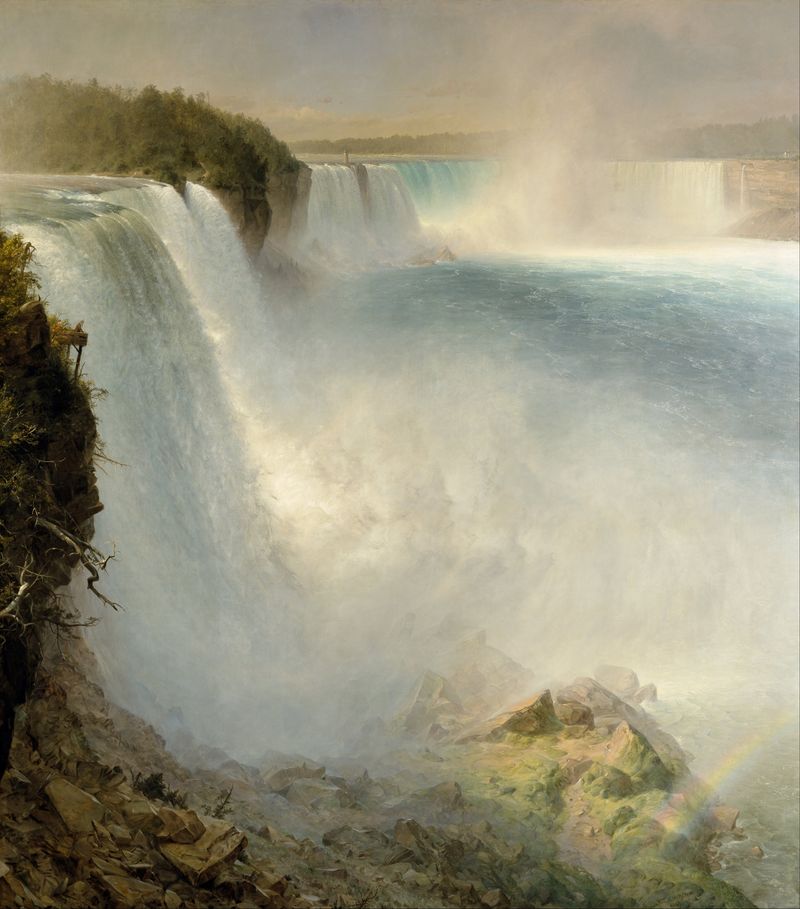
Niagara Falls, from the American Side
Frederic Edwin Church
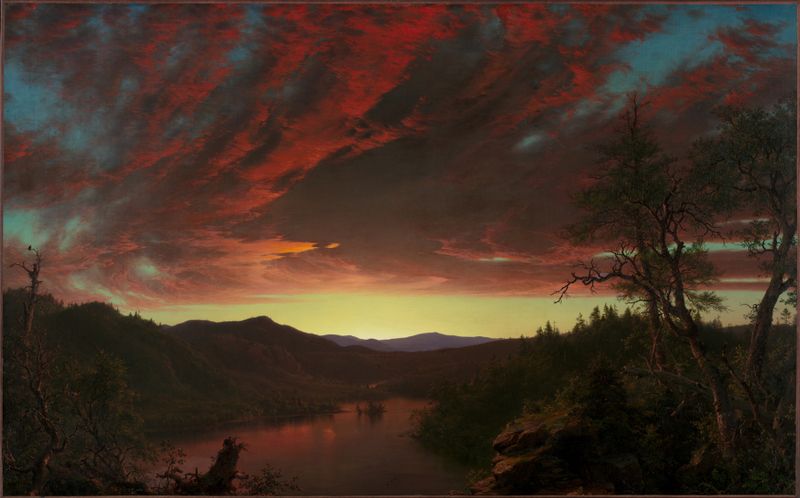
Twilight in the Wilderness
Frederic Edwin Church
Hudson Valley at Sunset
Frederic Edwin Church
The Hintersee, near Berchtesgaden, Bavaria
Frederic Edwin Church
Mountains near Baalbec
Frederic Edwin Church
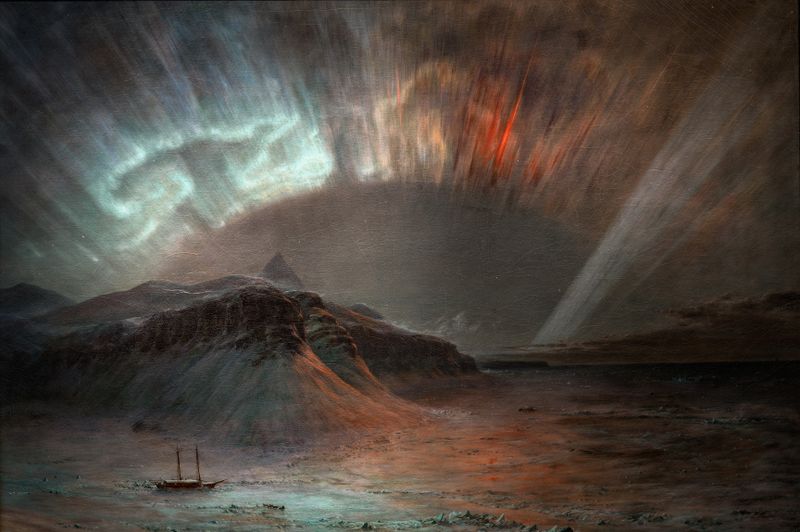
Aurora Borealis
Frederic Edwin Church
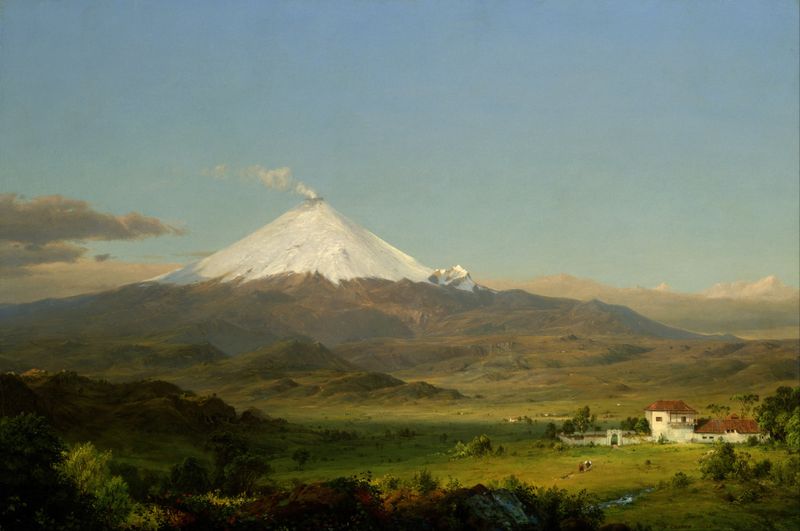
Cotopaxi
Frederic Edwin Church





