
Chinese Boy — History & Facts
When Chinese Boy appeared in 1804, it marked one of the rare moments when Katsushika Hokusai turned his gaze from the familiar scenery and folklore of Edo Japan to the foreign and the imagined. This work belongs to a brief period when Chinese themes fascinated Japanese artists and collectors, spurred by the circulation of imported prints and books. The painting’s title itself is a curiosity: “Chinese Boy” was not a common subject in Japanese art, and its presence hints at the era’s growing appetite for exoticism and cultural exchange.
The exact reason Hokusai chose this theme is not recorded, but it stands as an early sign of his restless experimentation. The boy stands at the center, his round face and wide eyes rendered with a gentle clarity that sets him apart from the more stylized figures of Hokusai’s ukiyo-e prints. He clutches a branch of blossoming plum, a symbol of perseverance and renewal in both Chinese and Japanese iconography. The folds of his robe, drawn with swift, confident lines, suggest movement, as if he has just paused mid-step.
The background is left deliberately sparse, drawing the viewer’s attention to the figure and his delicate cargo. Unlike the more narrative-driven scenes of Suzuki Harunobu or the dramatic theatricality of Utagawa Kuniyoshi, Hokusai offers a moment of quiet observation, inviting speculation about the boy’s story and destination. The medium of Chinese Boy remains uncertain—some scholars suggest ink and color on paper, in keeping with Hokusai’s other works from this period, but no definitive analysis has been published. The painting’s provenance is similarly obscure; it does not appear in the major early catalogues of Hokusai’s work, and its early history is undocumented.
Today, it is recognized as a rare example of Hokusai’s engagement with Chinese themes, and it occupies a unique place in his vast and varied output. The painting is now housed in a private collection, occasionally loaned to exhibitions exploring cross-cultural influences in Edo-period art.
More Artworks by Katsushika Hokusai

The Great Wave off Kanagawa
Katsushika Hokusai
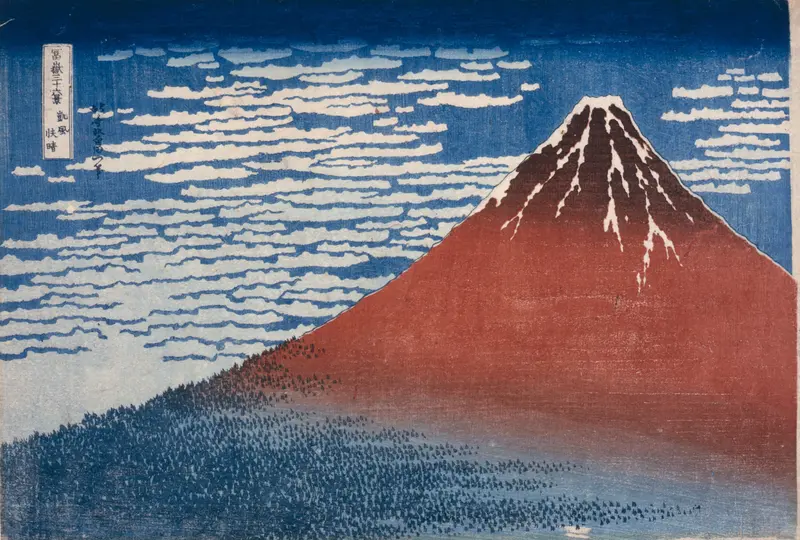
Fine Wind, Clear Morning (Red Fuji)
Katsushika Hokusai
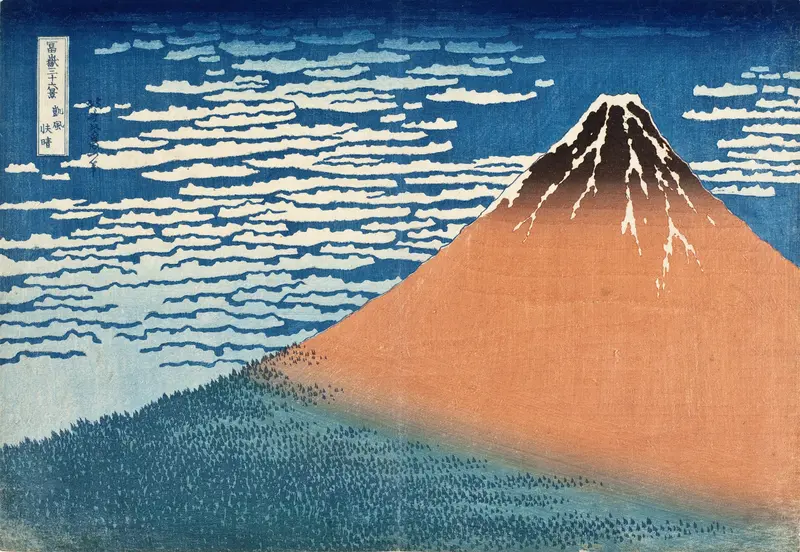
South Wind, Clear Dawn
Katsushika Hokusai
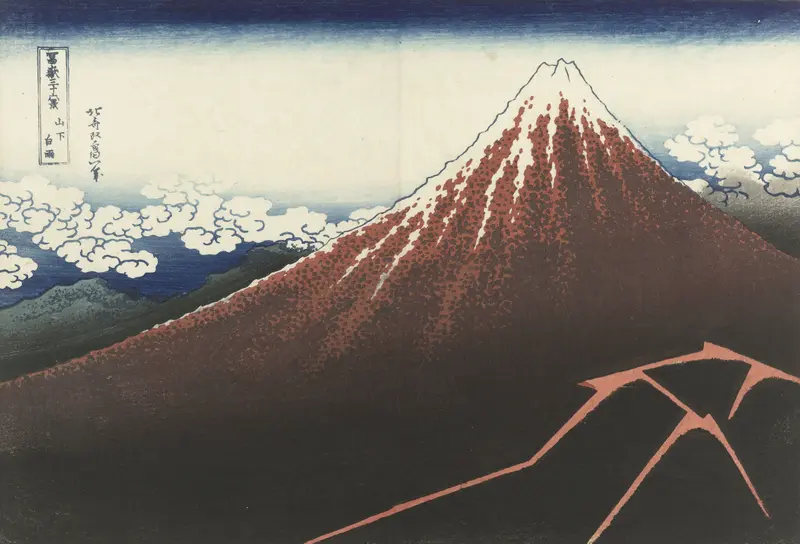
Rainstorm Beneath the Summit
Katsushika Hokusai
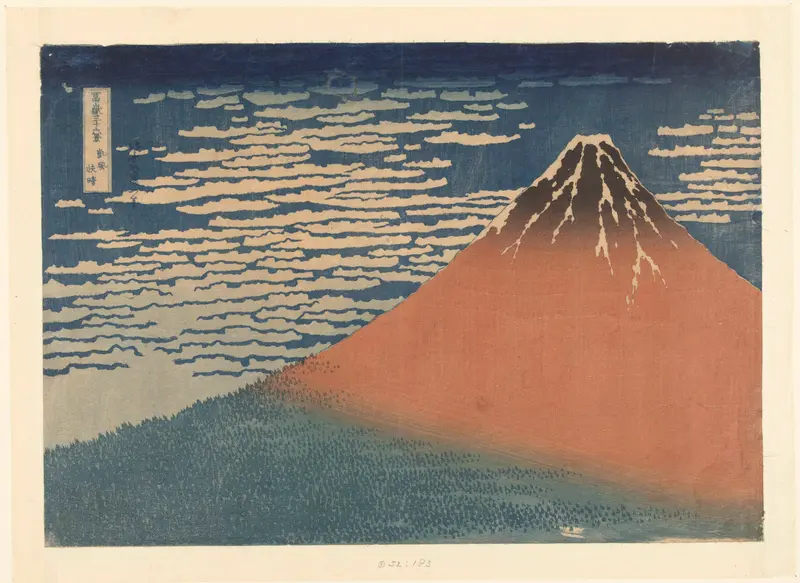
Clear Weather with a Southerly Wind
Katsushika Hokusai
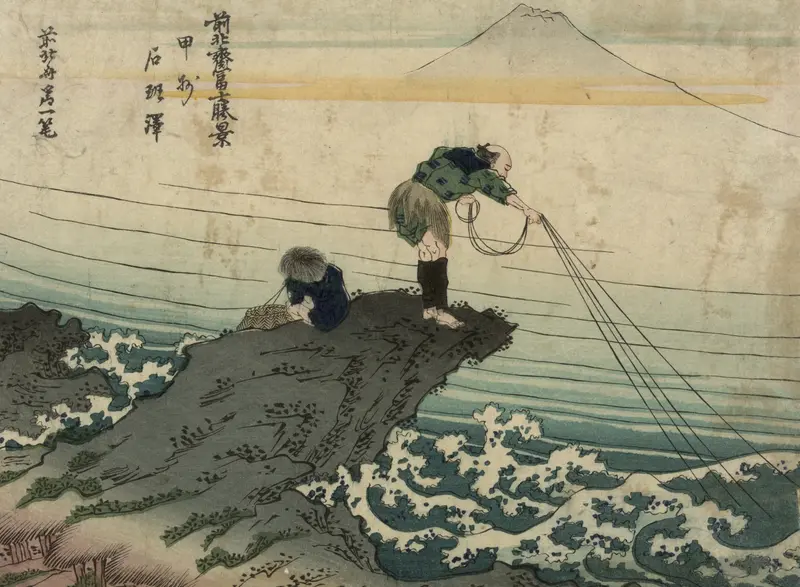
Kōshū kajikazawa
Katsushika Hokusai
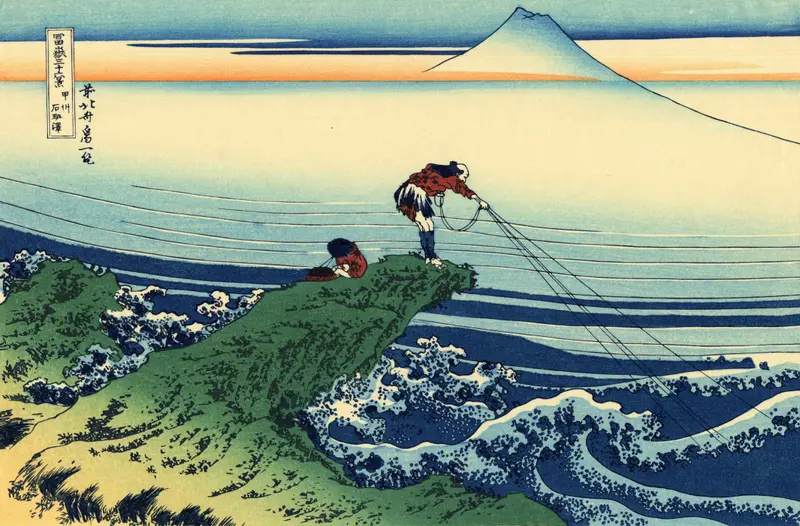
Kōshū kajikazawa 2
Katsushika Hokusai
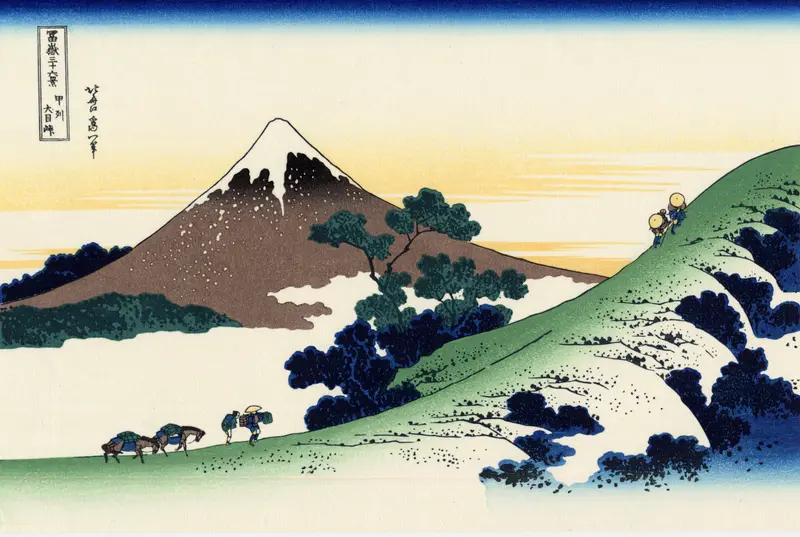
Inume Pass in Kai Province (Kôshû inume-tôge)
Katsushika Hokusai

Yoro Falls in Mino Province (Mino no Yoro no taki), from the series "A Tour of Waterfalls in Various Provinces (Shokoku taki meguri)"
Katsushika Hokusai
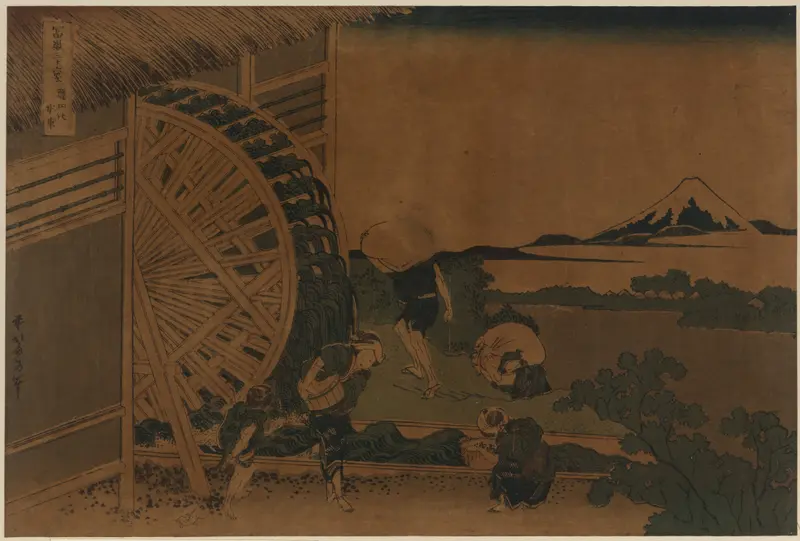
Onden no suisha
Katsushika Hokusai





