
Christ in Garden of Gethsemane — History & Facts
In the mid-fifteenth century, the Dominican friar-painter Fra Angelico returned again and again to the story of Christ’s agony in Gethsemane, producing several versions for the quiet cells of San Marco in Florence. This particular Christ in Garden of Gethsemane, painted around 1450, stands out for its intimate scale and meditative mood, designed not for a grand altar but for private devotion. The work’s original setting is uncertain, but its contemplative atmosphere suggests it was meant to guide the viewer through prayerful reflection, echoing the Dominican emphasis on meditation and inward experience. At the heart of the scene, Christ kneels alone on a rocky outcrop, hands folded in submission, as a golden angel bends toward him bearing the cup of suffering.
The disciples, heavy with sleep, are scattered in the foreground, their vulnerability made plain by their slumped postures and closed eyes. In the distance, a winding procession of soldiers led by Judas approaches, their torches flickering against the night. The soft, even light and gentle contours recall Fra Angelico’s earlier frescoes, but here, the hush is deeper, the isolation more profound.
Unlike Giovanni Bellini’s later, more dramatic versions, Fra Angelico chooses the moment of silent prayer before betrayal, inviting the viewer to share in Christ’s solitude and resolve. The precise origins of this painting remain unclear, as no commission records have survived, and the medium itself is debated—possibly tempera on panel, as was typical for Fra Angelico’s small devotional works. Over centuries, the painting has been attributed variously to Fra Angelico himself and to his workshop, reflecting the collaborative nature of his later career. Today, it is recognized as a testament to Fra Angelico’s unique ability to combine narrative clarity with spiritual intimacy, a hallmark of the early Renaissance in Florence.
Its journey from monastic quiet to museum collection mirrors the enduring appeal of its subject: a moment of human fear, faith, and acceptance, rendered in luminous color and gentle line.
More Artworks by Fra Angelico

Condemnation of St Lawrence by the Emperor Valerian
Fra Angelico
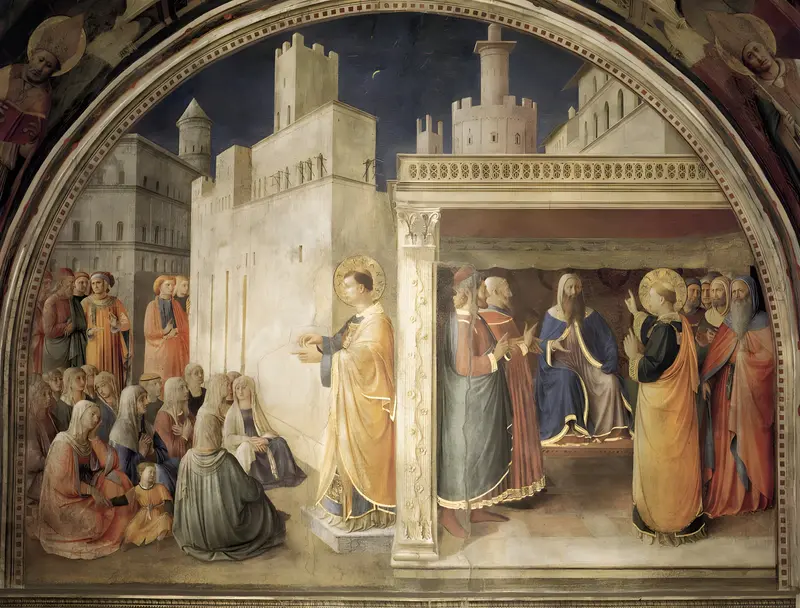
Lunette of the north wall
Fra Angelico
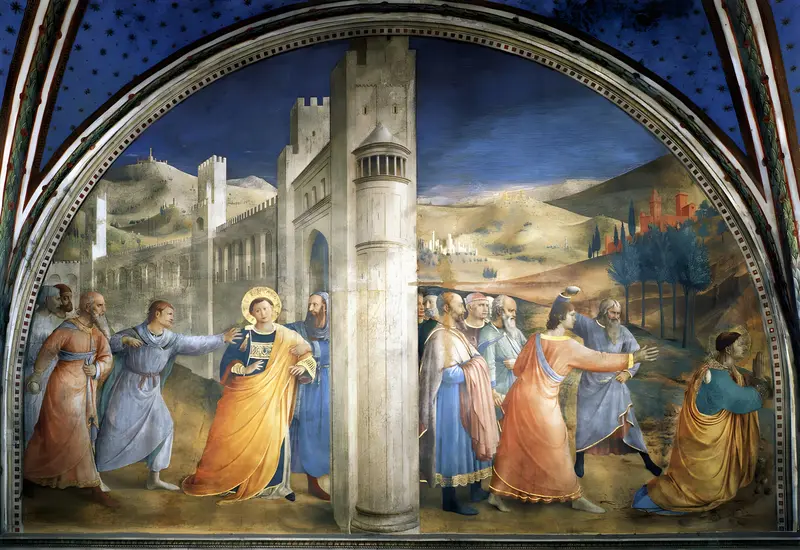
Lunette of the east wall in Niccoline Chapel
Fra Angelico
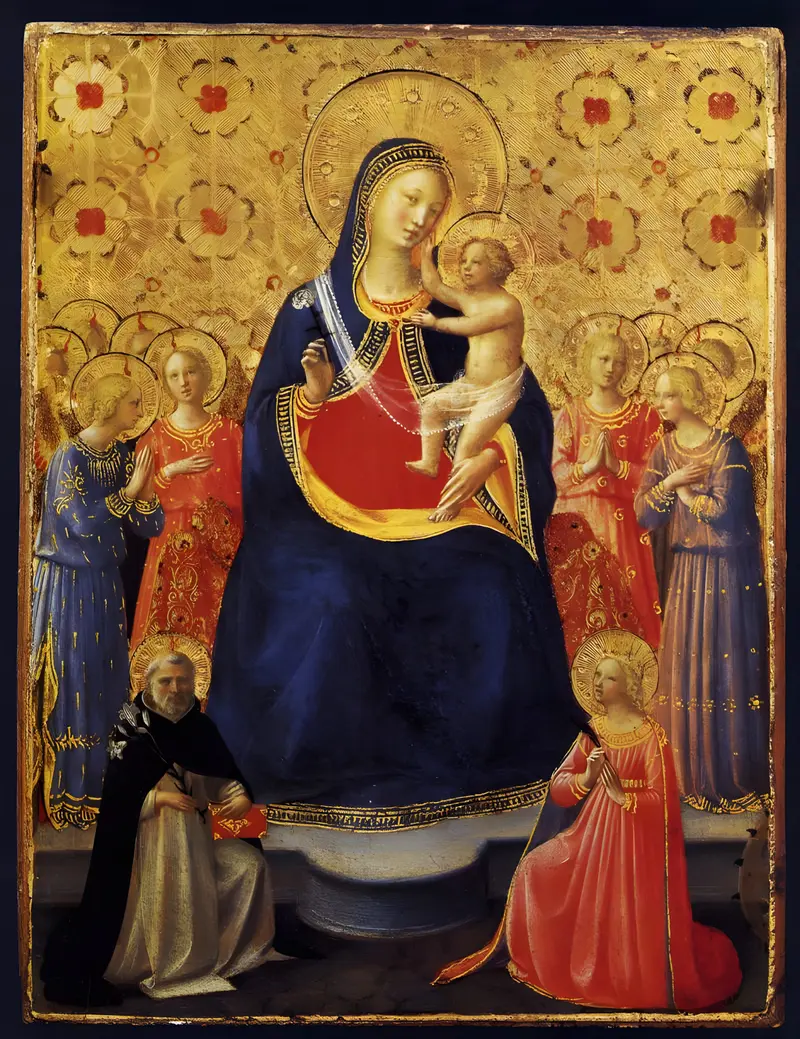
Madonna and Child Enthroned with Nine Angels and Saints Dominic and Catherine of Alexandria
Fra Angelico
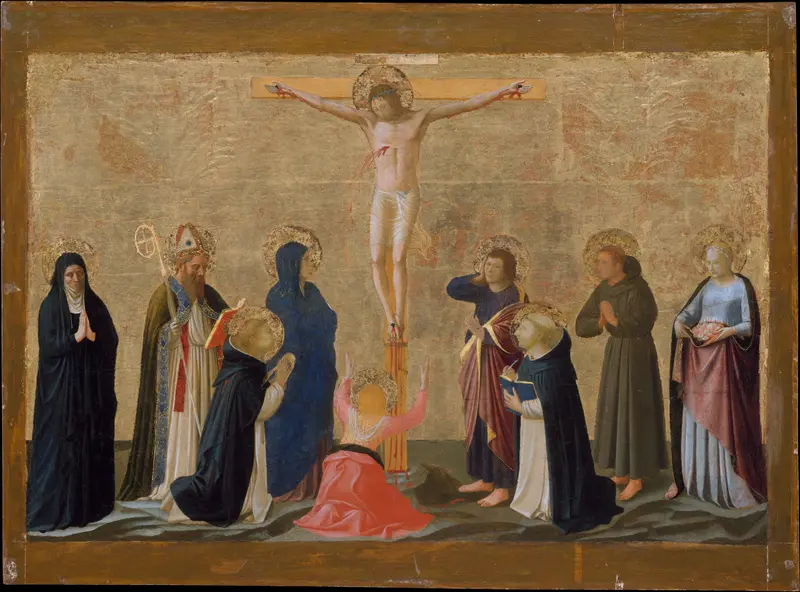
The Crucifixion
Fra Angelico
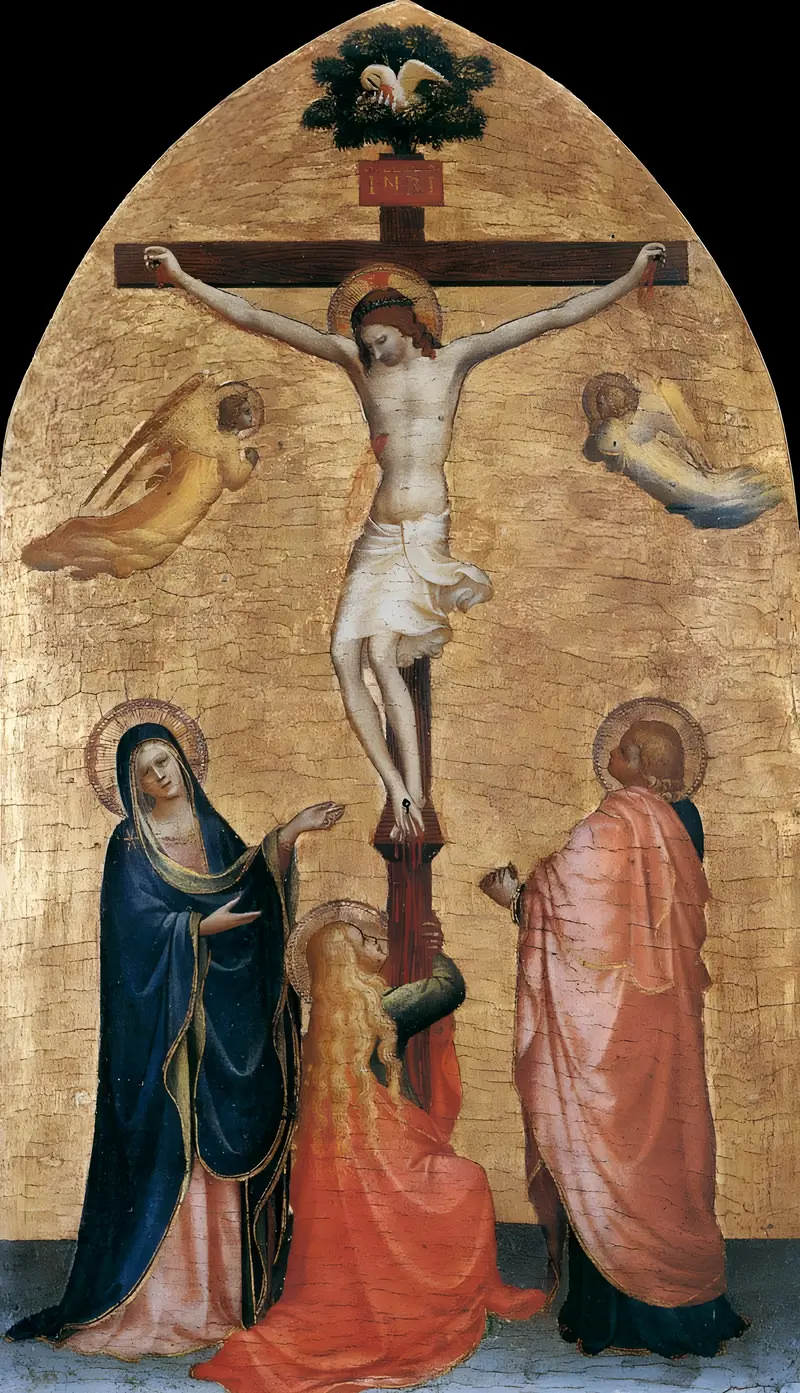
Crucifixion with the Virgin, John the Evangelist, and Mary Magdelene
Fra Angelico
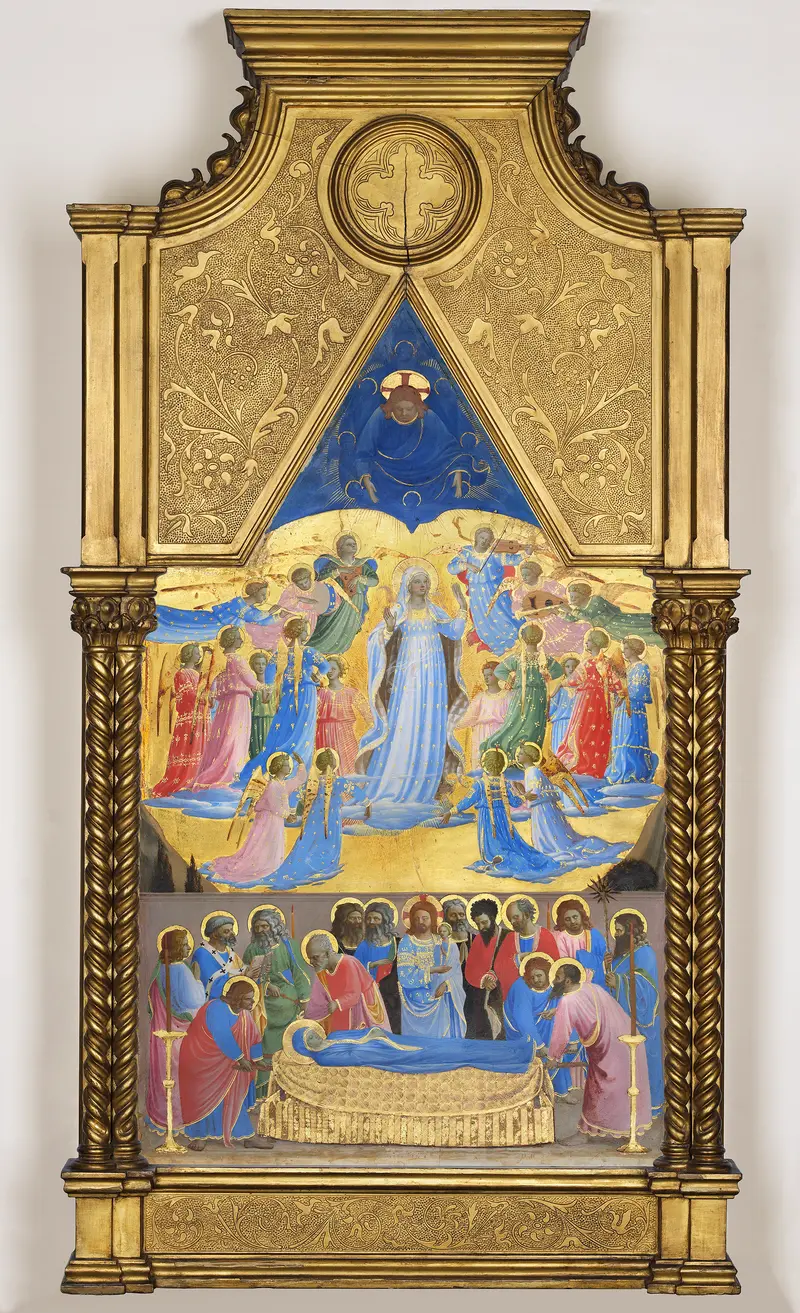
Dormition and Assumption of the Virgin
Fra Angelico
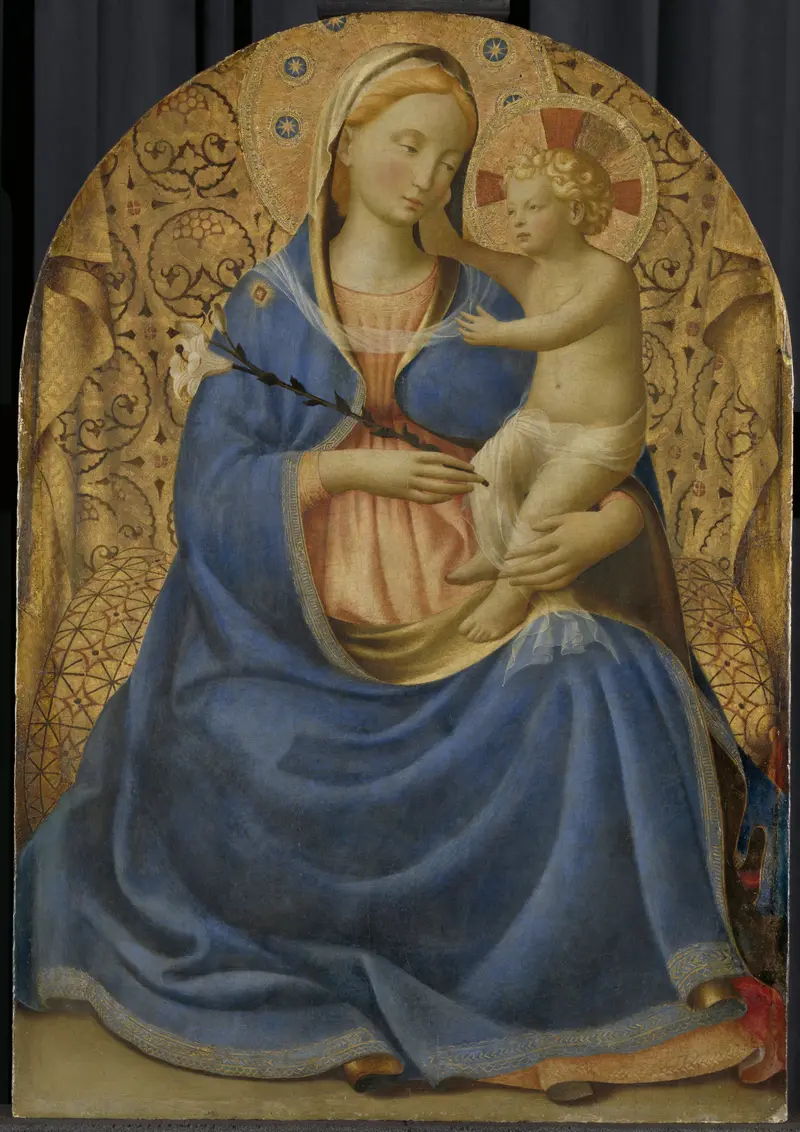
Madonna of Humility
Fra Angelico
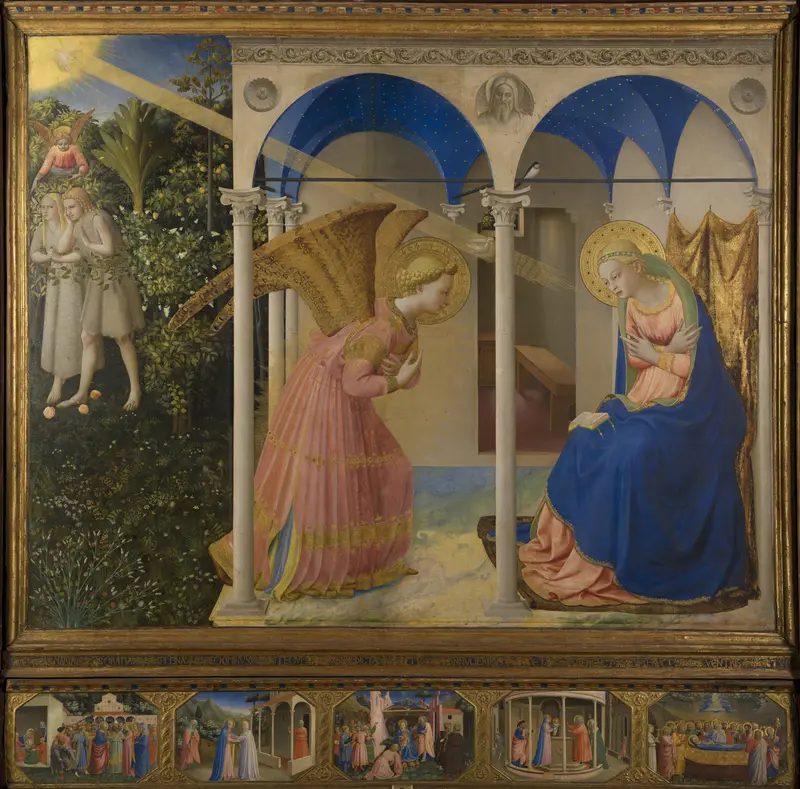
The Annunciation
Fra Angelico

Saint Anthony Abbot
Fra Angelico





