
Christ Leaving the Praetorium — History & Facts
Few images of Christ’s Passion have stirred as much immediate awe as Christ Leaving the Praetorium by Gustave Doré. When Doré’s vast canvas was first exhibited in Paris in 1867, crowds reportedly queued for hours, drawn by the sheer scale and emotional force of the scene. The painting’s fame quickly spread, and engravings after Doré’s original reached audiences across Europe and America, making this one of the most widely recognized interpretations of the moment Christ is led to crucifixion.
The original painting’s current whereabouts remain uncertain, adding a layer of mystery to its legacy. Doré captures the instant after Pontius Pilate, the Roman governor, has washed his hands of responsibility and delivered Jesus to the crowd for crucifixion. In the painting, Christ descends the grand steps of the praetorium, surrounded by jeering soldiers and a clamoring mob. The artist places Christ at the center, bathed in a shaft of light that isolates him from the surrounding tumult, underscoring his innocence and spiritual isolation.
The crowd’s raised fists and twisted faces contrast with Christ’s calm, downward gaze and bound hands, a visual echo of suffering and resignation. Unlike Ecce Homo by Antonio Ciseri, which focuses on Pilate’s presentation of Christ, Doré’s version thrusts the viewer into the chaos of the aftermath, emphasizing the loneliness of Christ’s path. The physical fate of Doré’s original painting is uncertain; while engravings and reproductions proliferated, the canvas itself has not been definitively traced in modern times. It was once part of a touring exhibition that brought Doré’s biblical scenes to audiences in London and beyond, solidifying his reputation as a master of dramatic narrative.
For Doré, better known in his lifetime for his engravings and book illustrations, Christ Leaving the Praetorium was a bold foray into monumental painting, reflecting the 19th-century hunger for religious spectacle. Today, the work survives most vividly through its engravings, which continue to influence visual culture and devotional art, even as the original painting’s fate remains a tantalizing mystery.
More Artworks by Gustave Doré

The Deluge
Gustave Doré
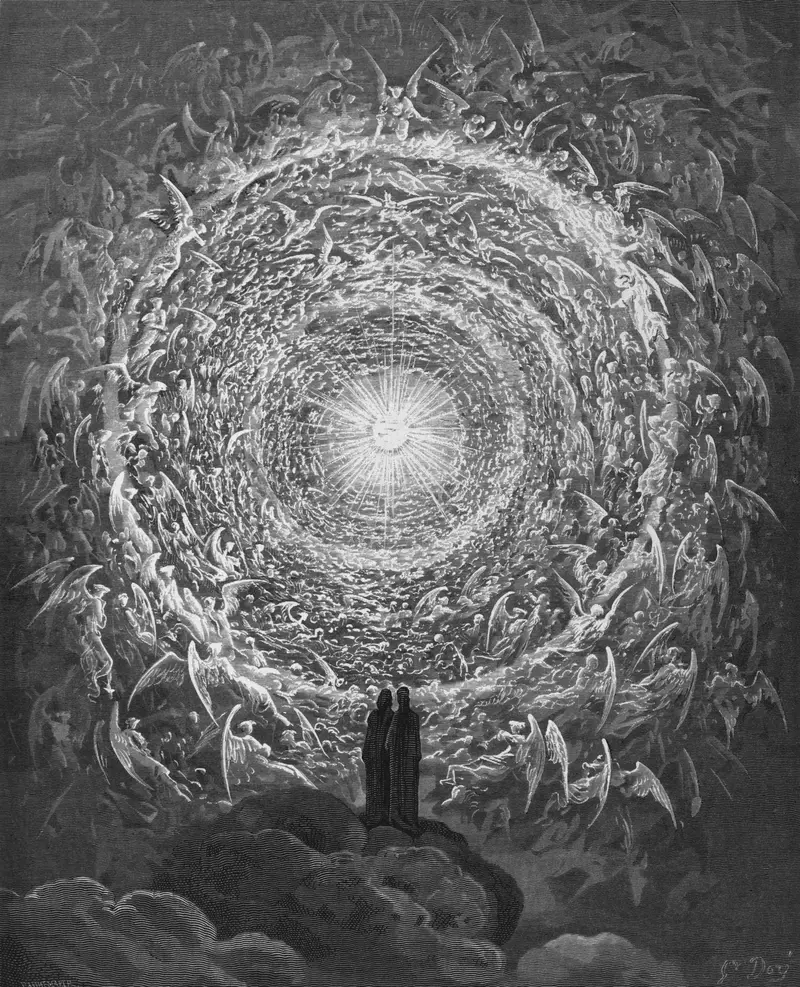
The Empyrean (Paradiso, Canto 31)
Gustave Doré
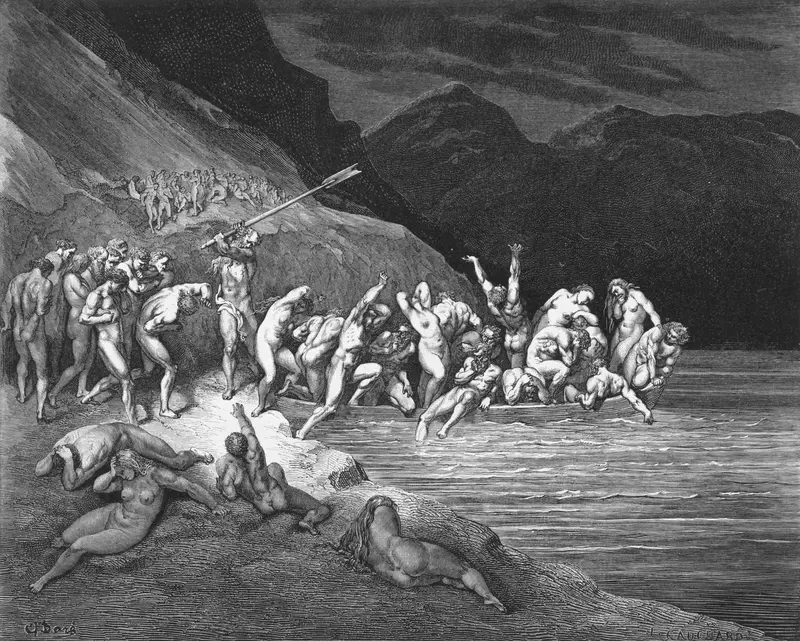
Charon (Inferno, Canto 3)
Gustave Doré
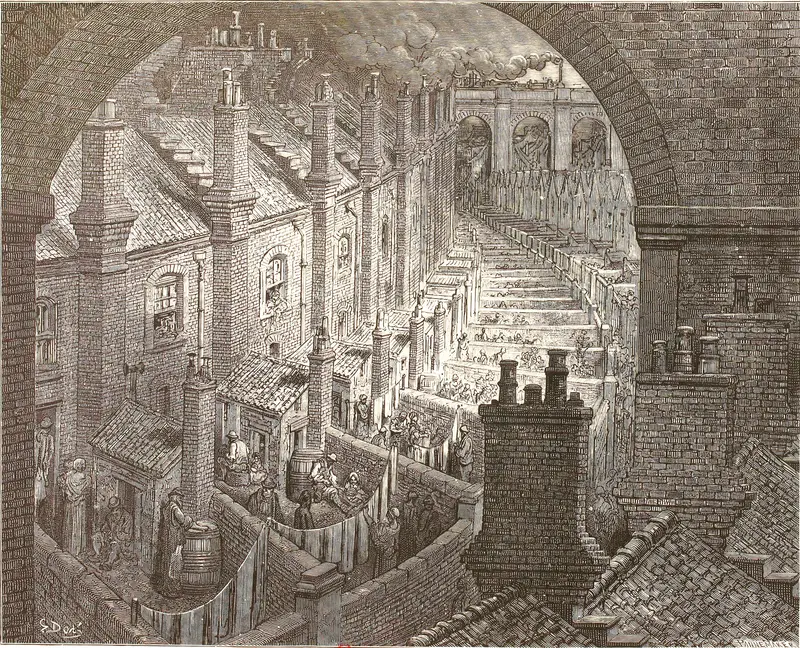
Over London by Rail
Gustave Doré
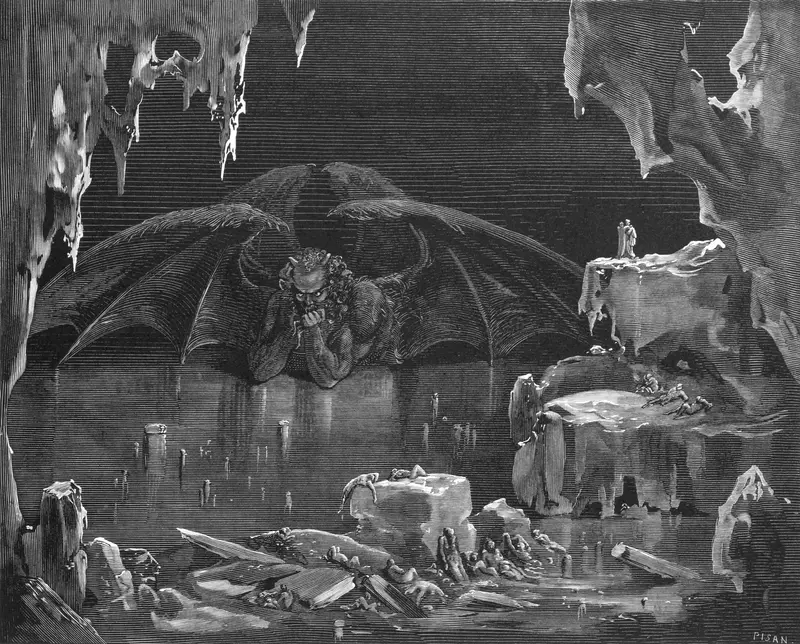
Lucifer, King of Hell
Gustave Doré
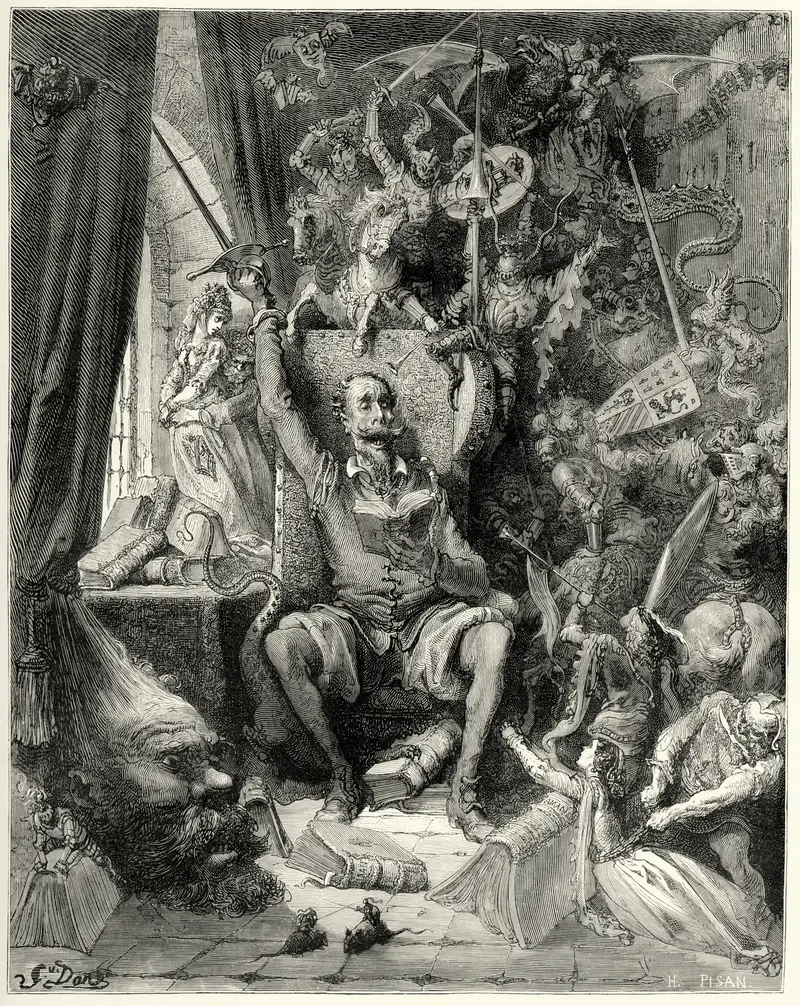
Don Quixote in His Library
Gustave Doré
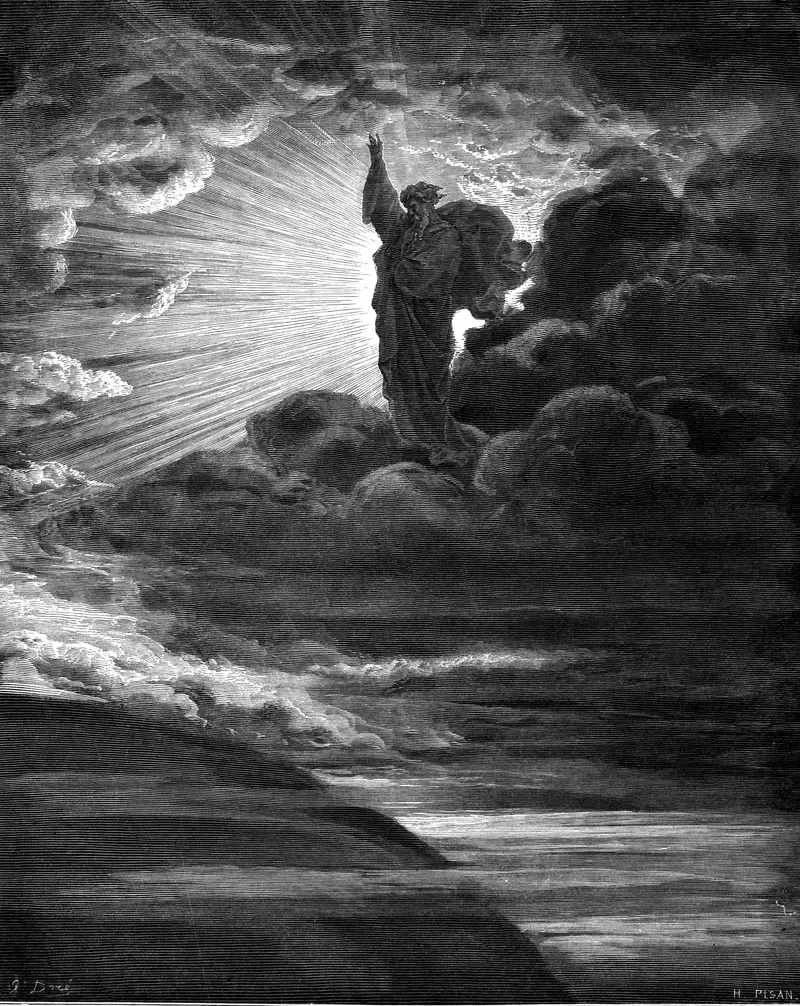
The Creation of Light
Gustave Doré
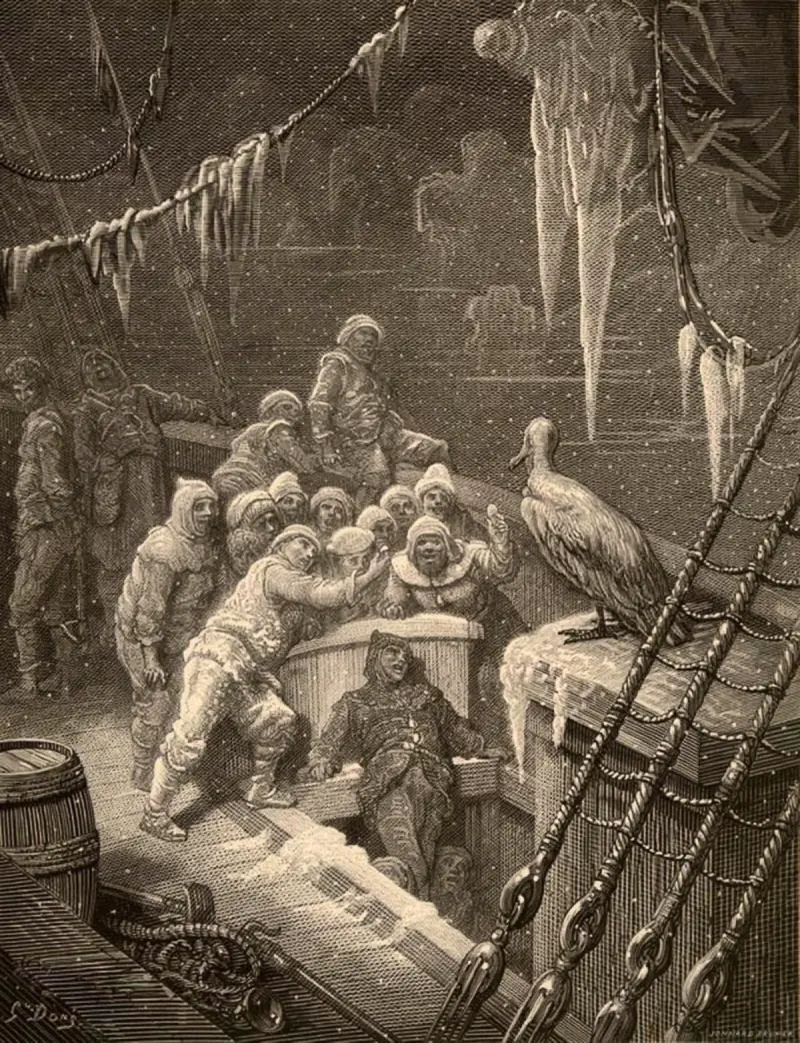
The Albatross (The Rime of the Ancient Mariner)
Gustave Doré
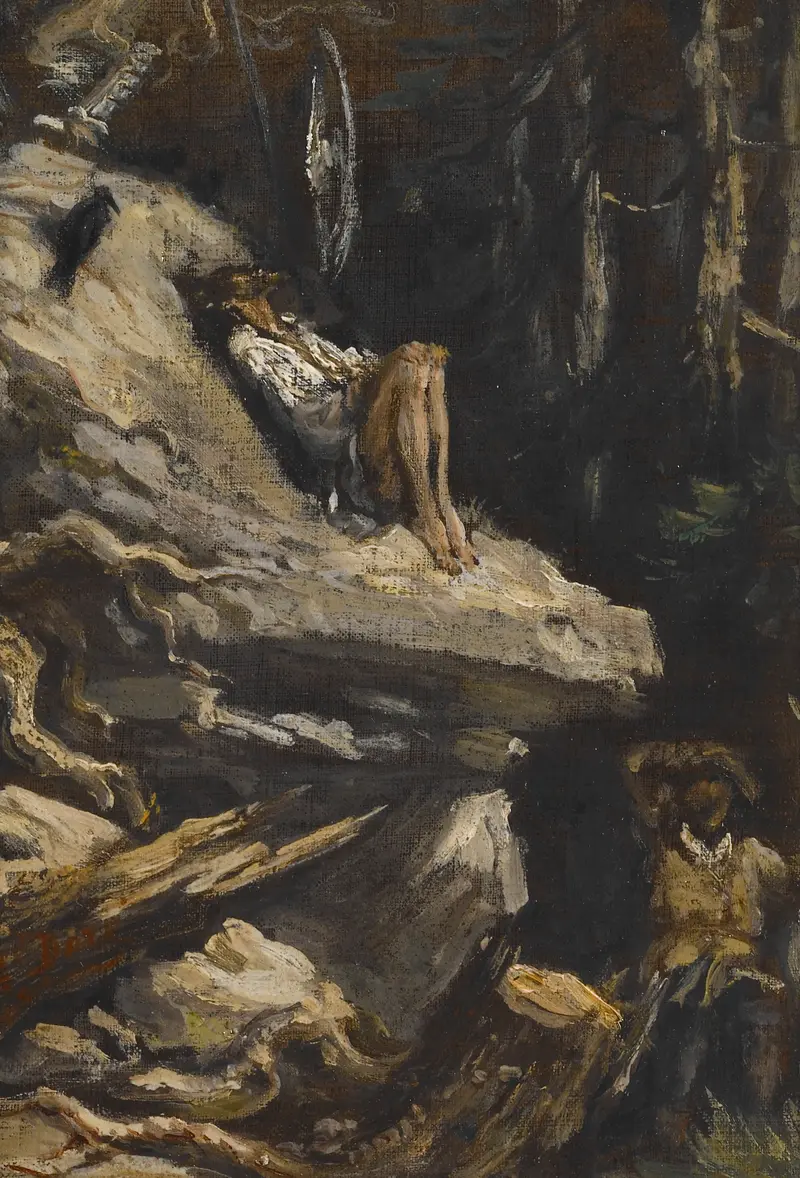
"'Alas!' answered Sancho, 'I found him in his shirt, lean, pale, and almost starved, sighing for his Lady Dulcinea'" from Don Quixote
Gustave Doré
Christ's Entry into Jerusalem
Gustave Doré





