Christmas Trees — History & Facts
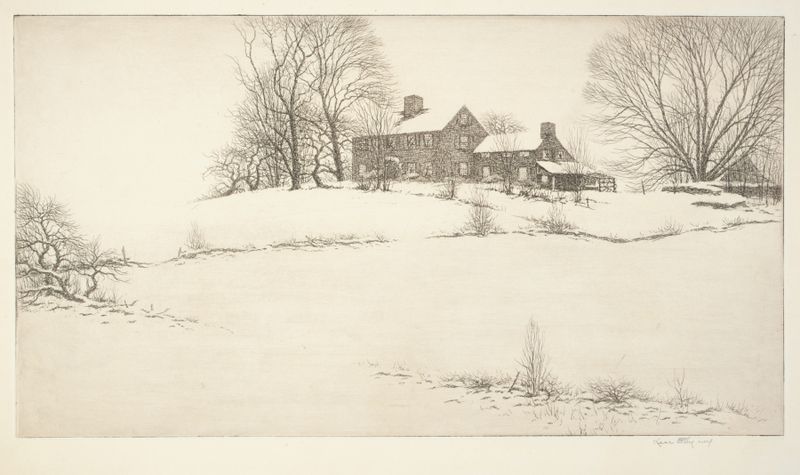
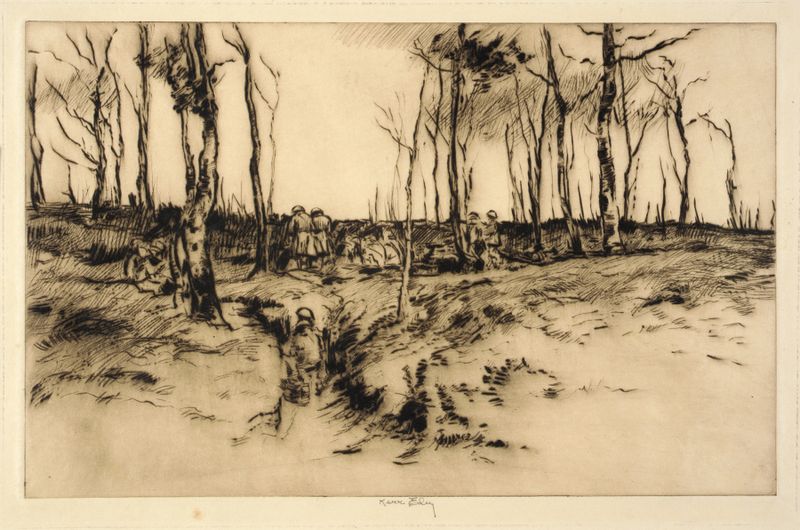
Can beauty exist without sorrow? In the quiet of winter, stark pines stand tall against a backdrop of ethereal white, their beauty both inviting and haunting. Look to the center, where the delicate branches of the trees reach upwards, each needle shimmering with frost. Kerr Eby’s mastery is evident in the intricate detailing, capturing the balance between solidity and fragility. Cool blues and deep greens dominate the palette, contrasting beautifully with the luminous snowfall that blankets the ground.
The interplay of light and shadow creates a sense of depth, pulling the viewer into a serene yet introspective realm. Yet, amid the tranquil scenery lies an undercurrent of tension. The towering trees, often associated with joy and festivity, evoke a sense of isolation, their stillness suggesting secrets buried beneath the snow. The composition implies that beauty can be a facade, hiding the feelings of betrayal and loss that accompany the holiday season.
Eby distills this complex emotional landscape into the landscape itself, urging us to confront the duality of our experiences. During the 1930s, while Eby was crafting Christmas Trees, he was deeply influenced by the tumultuous socio-political climate of his time. Working primarily in New York, he sought solace in nature, a stark contrast to the chaos of the Great Depression. As an artist associated with the printmaking movement, he embraced the potential of woodblock techniques, allowing him to explore themes of resilience and reflection in the midst of uncertainty.