
Christus — History & Facts
Where does light end, and longing begin? This question lingers in the air, echoing the beauty that unfolds within the confines of the canvas. Look to the center of Christus, where the figure of Christ radiates a celestial glow, illuminating the surrounding darkness. The delicate interplay of light and shadow highlights His serene expression, drawing your eyes to the gentle tilt of His head and the slight curve of His lips. Notice the intricate details in the fabric draping over His form—each fold masterfully rendered, as if whispering the secrets of divine grace.
The muted palette, dominated by earth tones and soft whites, creates a contemplative atmosphere that invites introspection. Delve deeper, and you'll uncover layers of emotional tension within the piece. The contrast between the luminescent figure and the oppressive shadows hints at the duality of existence—mercy amid suffering. The outstretched hand, reaching toward the viewer, speaks of connection, beckoning us to transition from darkness into light.
Meanwhile, the faint halo encircling Christ suggests not only divinity but also the weight of sacrifice, inviting us to reflect on our own struggles for redemption and understanding. Created between 1608 and 1611, the artist was in Nancy, France, during a time when the Baroque style was beginning to take shape across Europe. Callot was captivated by the spiritual themes dominating the artistic discourse of his time, navigating a world rife with conflict and uncertainty. His meticulous craftsmanship in Christus not only showcases his technical prowess but also positions him as a pivotal figure in the evolution of religious art, bridging the gap between the Renaissance and Baroque styles.
More Artworks by Jacques Callot
Browse all →
Titelprent voor de prentreeks 'De kleine apostelen' (Het martelaarschap van de apostelen)
Jacques Callot
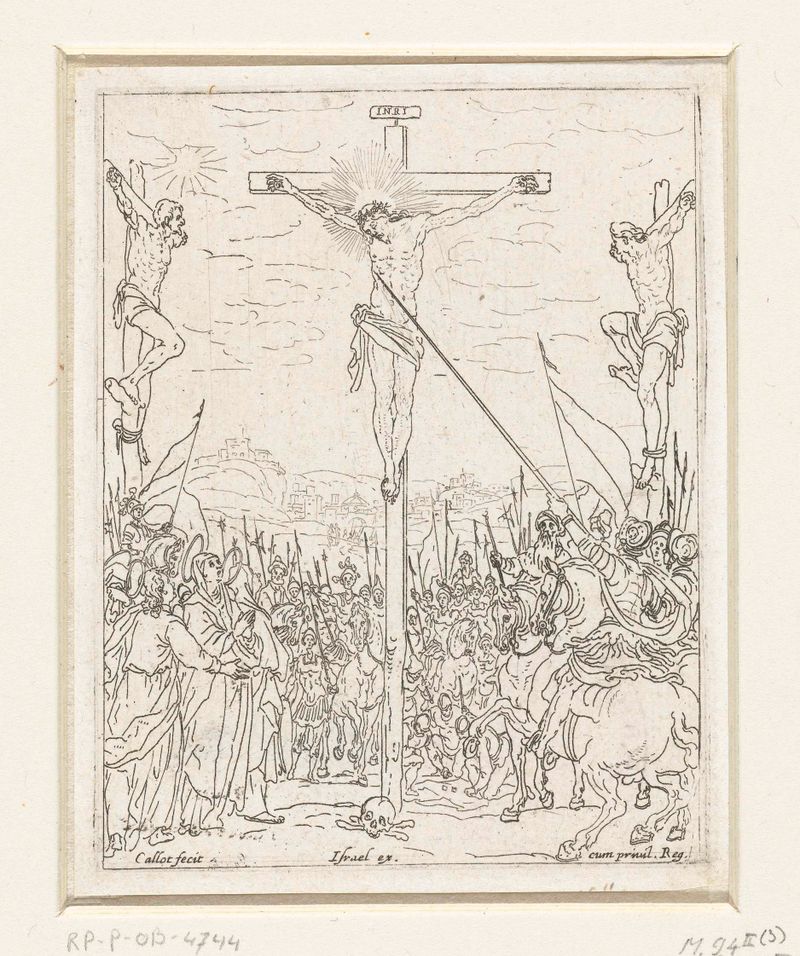
Kruisiging
Jacques Callot

De doortocht door de Rode Zee
Jacques Callot

De verloren zoon als zwijnenhoeder
Jacques Callot

Annunciatie
Jacques Callot
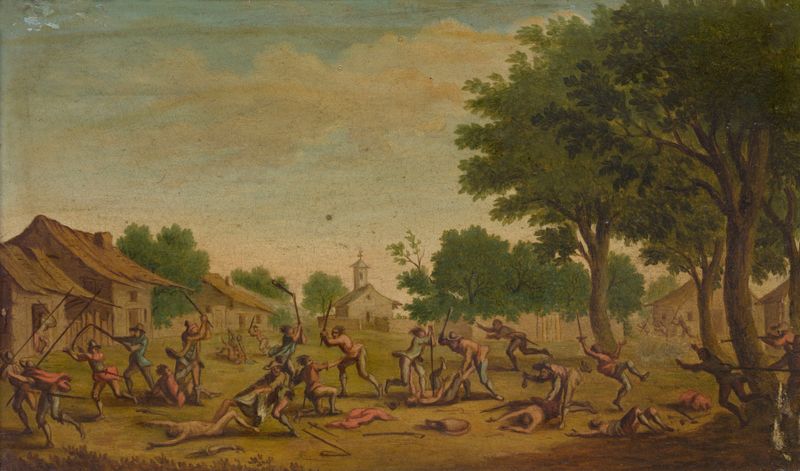
Village Fight
Jacques Callot

Titelprent voor prentreeks 'Het leven van Maria'
Jacques Callot
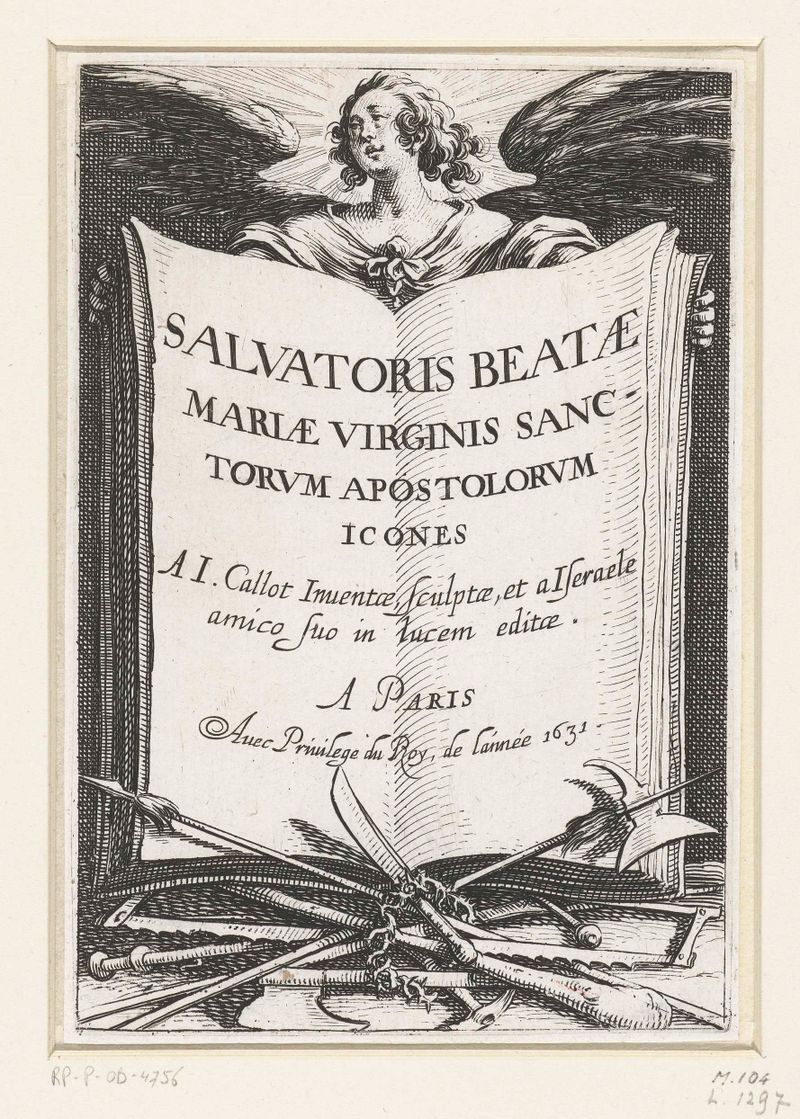
Titelprent voor de prentreeks 'De grote apostelen' (Christus, Maria en de apostelen)
Jacques Callot

Christus aan het volk getoond (Ecce homo)
Jacques Callot
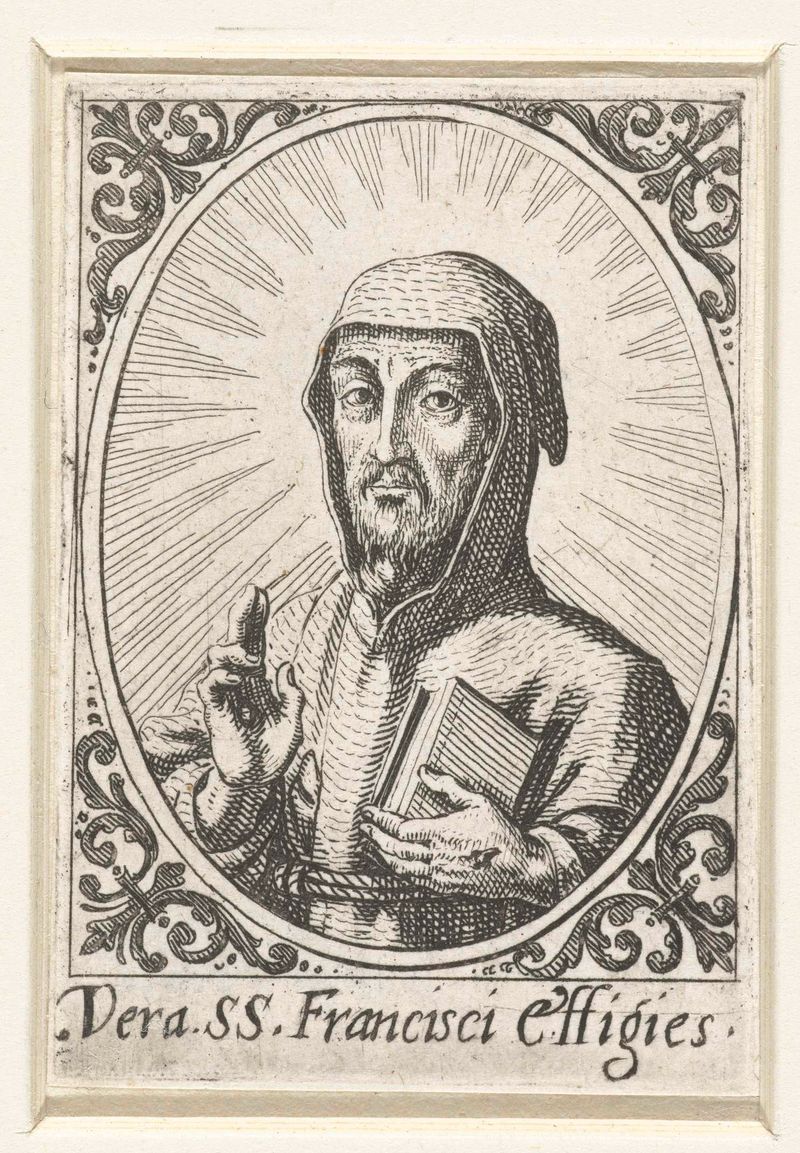
Portret van de Heilige Franciscus
Jacques Callot
More Religious Art
Browse all →
The Return of the Prodigal Son
Rembrandt van Rijn

The Garden of Earthly Delights
El Bosco

Count Orgaz’ funeral
El Greco

The Hundred Guilder Print: the central piece with Christ preaching, the plate arched
Rembrandt van Rijn

The Descent from the Cross
Rogier van der Weyden

The return of the prodigal son
Rembrandt van Rijn