
Christus aan het volk getoond (Ecce homo) — History & Facts
Could beauty survive in a century of chaos? In a world teetering on the brink of madness, this question reverberates through the brushstrokes of a masterful hand. Look closely at the figure at the center, where the artist captures the moment of Christ being presented to the crowd. The intense gaze of the onlookers, filled with curiosity and disdain, reveals the complex emotions roiling beneath their surface. The interplay of light and shadow shapes their expressions, while the muted palette underscores the somber tension in the air, contrasting the vibrant energy of the crowd with the stillness of the figure at its heart. As you examine the details, notice the delicate rendering of Christ’s skin, almost luminescent against the surrounding darkness—an embodiment of purity amidst turmoil.
The chaotic throng encircling him evokes a sense of impending judgment and the weight of public opinion, reflecting the societal madness of the early 17th century. This duality of reverence and contempt invites contemplation on the nature of humanity and the fragile dichotomy of love and hate that lies within the human soul. In 1613, Jacques Callot was navigating a tumultuous period in Europe, marked by the Thirty Years' War and societal upheaval. Working in Nancy, he was influenced by the changing dynamics of art and religion, capturing the essence of humanity in all its complexity through visual storytelling.
In this piece, he encapsulated not just the religious fervor of the time but also the emerging questions about faith, morality, and the human condition.
More Artworks by Jacques Callot
Browse all →
Titelprent voor de prentreeks 'De kleine apostelen' (Het martelaarschap van de apostelen)
Jacques Callot
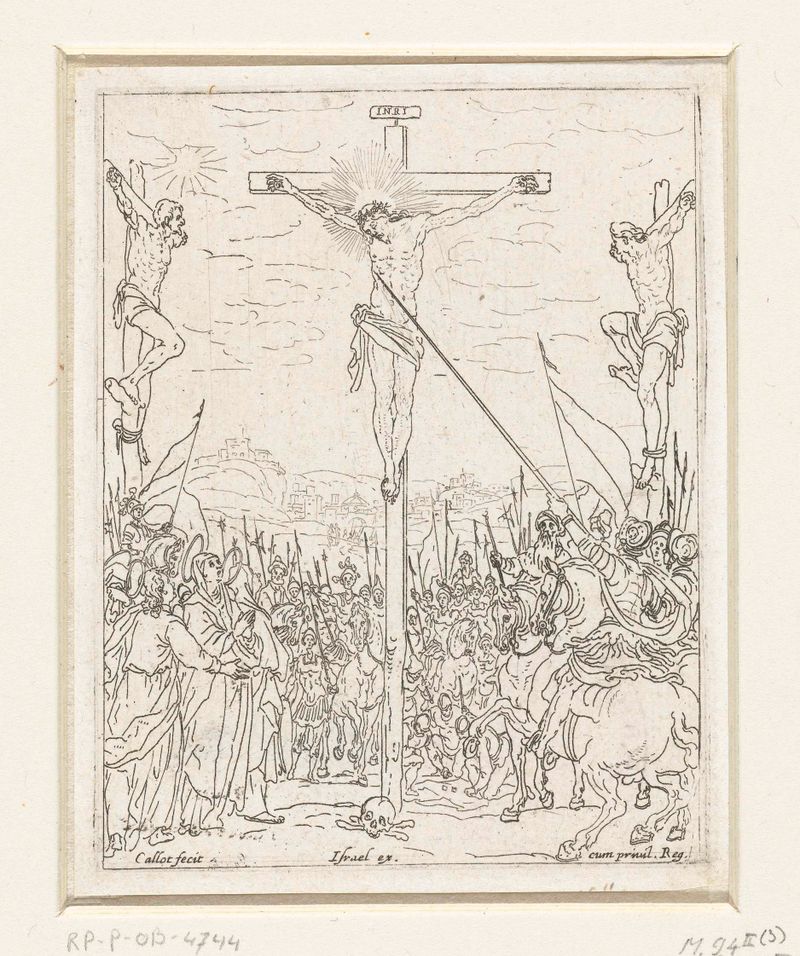
Kruisiging
Jacques Callot

De doortocht door de Rode Zee
Jacques Callot

De verloren zoon als zwijnenhoeder
Jacques Callot

Annunciatie
Jacques Callot
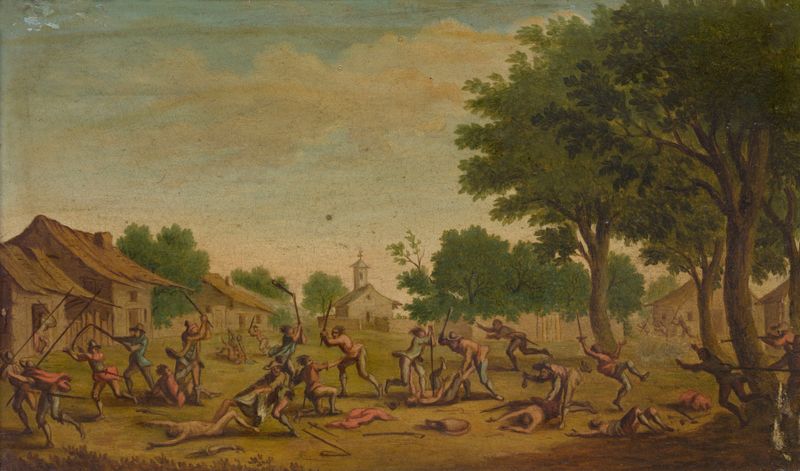
Village Fight
Jacques Callot

Titelprent voor prentreeks 'Het leven van Maria'
Jacques Callot
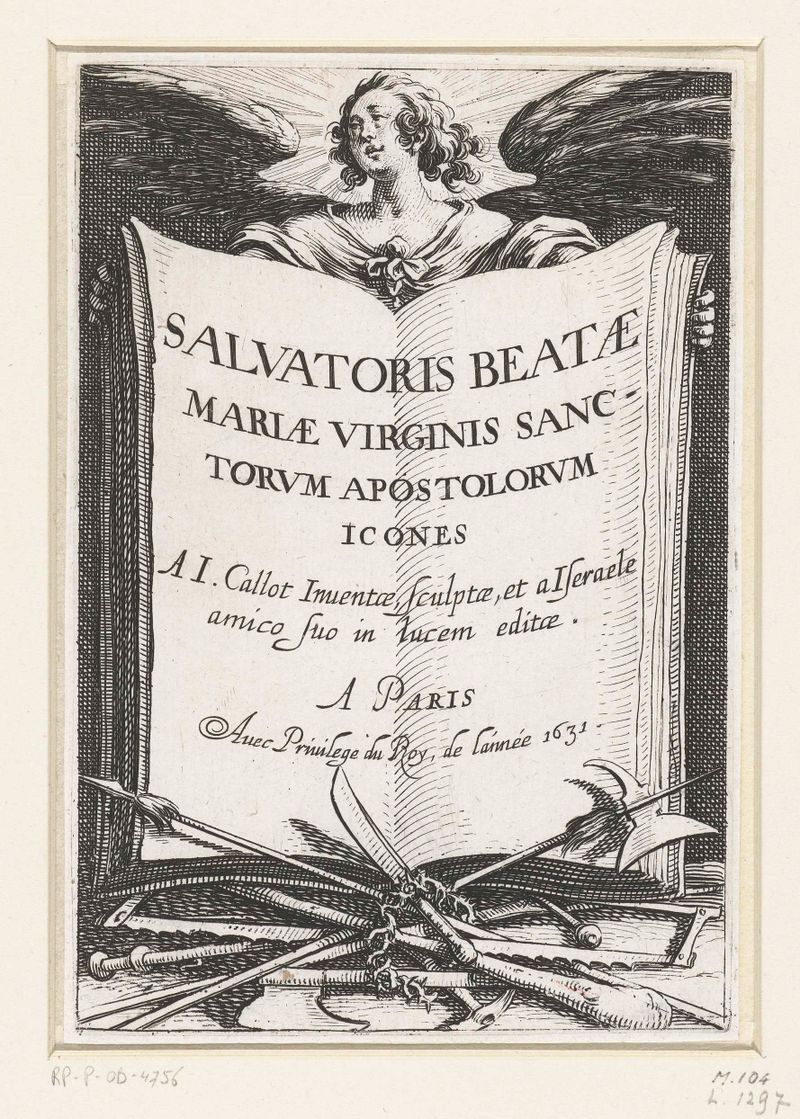
Titelprent voor de prentreeks 'De grote apostelen' (Christus, Maria en de apostelen)
Jacques Callot

Christus aan het volk getoond (Ecce homo)
Jacques Callot
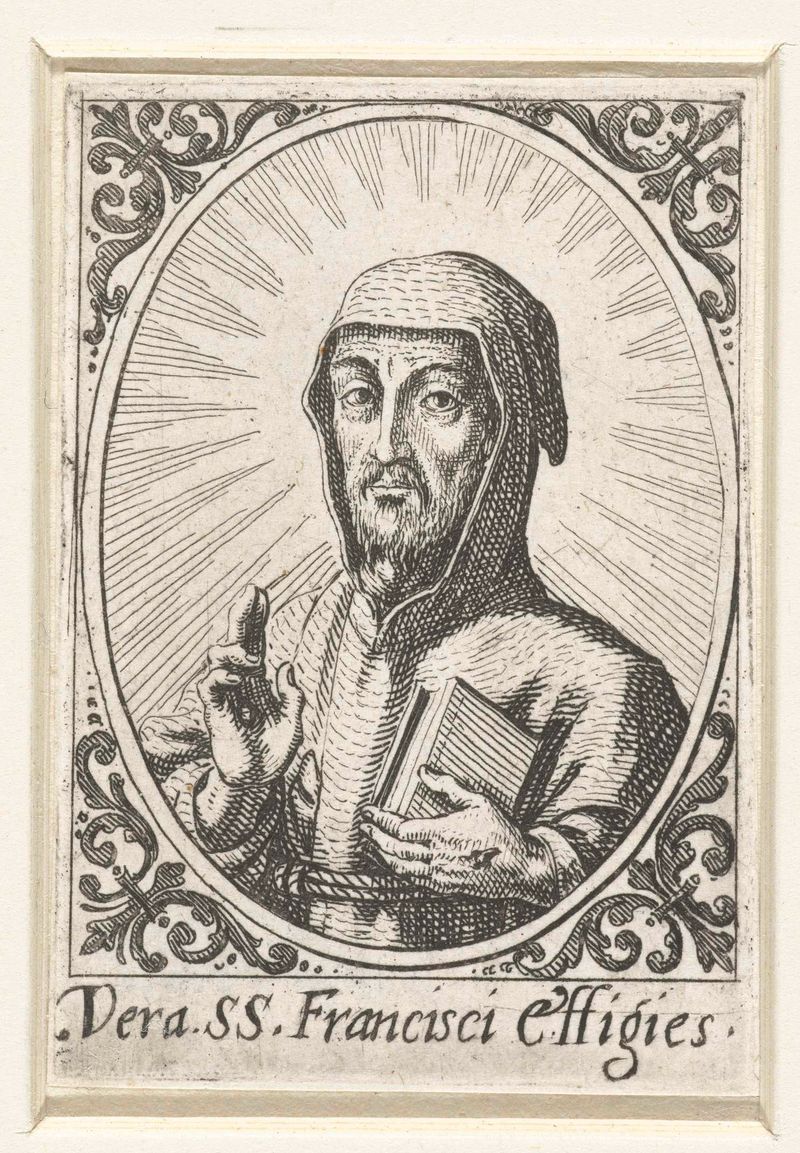
Portret van de Heilige Franciscus
Jacques Callot
More Religious Art
Browse all →
The Return of the Prodigal Son
Rembrandt van Rijn

The Garden of Earthly Delights
El Bosco

Count Orgaz’ funeral
El Greco

The Hundred Guilder Print: the central piece with Christ preaching, the plate arched
Rembrandt van Rijn

The Descent from the Cross
Rogier van der Weyden

The return of the prodigal son
Rembrandt van Rijn