
Christus aan het volk getoond (Ecce homo) — History & Facts
Where does light end, and longing begin? In the interplay of shadow and illumination lies the heart of grief, a silent witness to the human condition. Focus first on the figure at the center, a solemn Christ adorned with a crown of thorns, his gaze piercing yet withdrawn. Notice how the light cascades across his form, creating a halo effect that both elevates and isolates him within the scene. To the left, the crowd of figures — a medley of expressions ranging from despair to intrigue — surrounds him, their darkened silhouettes contrasting with the radiant figure of Christ.
The artist employs a muted palette, with the soft browns and grays of the onlookers underscoring their emotional weight against the illuminated subject. Delve deeper into the gestures of the crowd; some reach out, yearning for connection, while others turn away, encapsulating the duality of hope and hopelessness. The juxtaposition of Christ's calm demeanor against the tempest of emotions in the crowd invites viewers to reflect on their own experiences of grief and redemption. Elements such as the positioning of hands and the tilt of heads reveal a collective yearning for understanding, a poignant reminder of humanity's unending struggle with loss and spiritual awakening. Created between 1619 and 1624, this work emerged during a time of significant turmoil in Europe, marked by religious strife and personal loss in the artist's own life.
Jacques Callot was navigating the changing artistic landscape, embracing both the Baroque's emotional depth and the emerging styles of his contemporaries. Ecce homo represents not only a moment of artistic exploration but also a profound commentary on the suffering that bridges the divine and the human.
More Artworks by Jacques Callot
Browse all →
Titelprent voor de prentreeks 'De kleine apostelen' (Het martelaarschap van de apostelen)
Jacques Callot
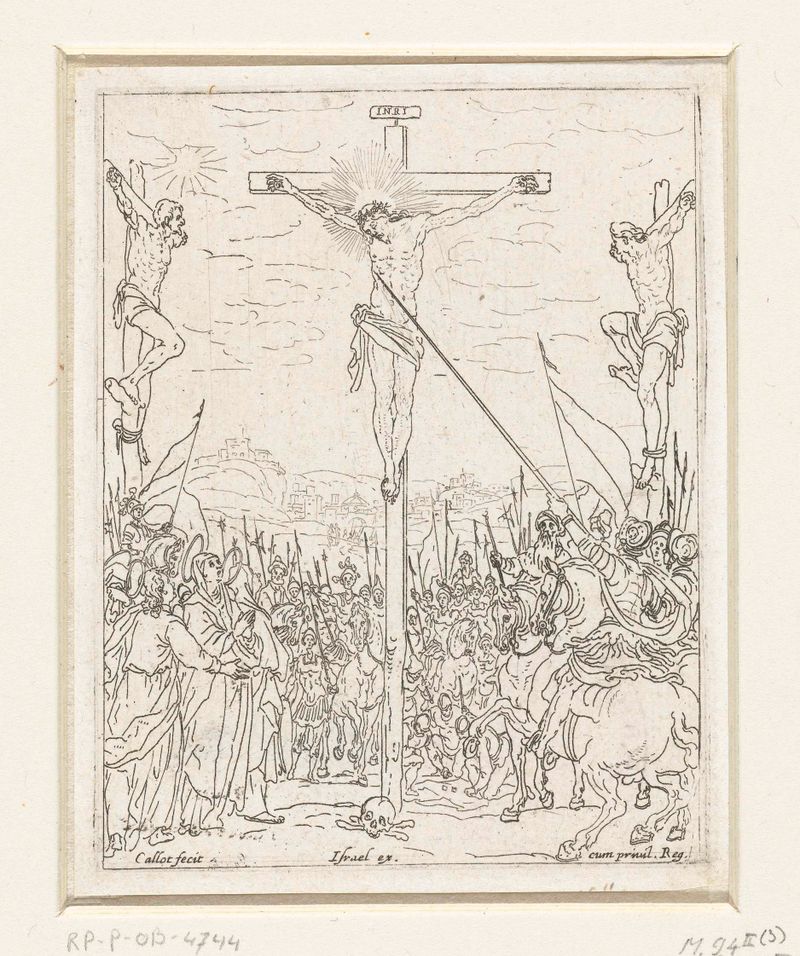
Kruisiging
Jacques Callot

De doortocht door de Rode Zee
Jacques Callot

De verloren zoon als zwijnenhoeder
Jacques Callot

Annunciatie
Jacques Callot
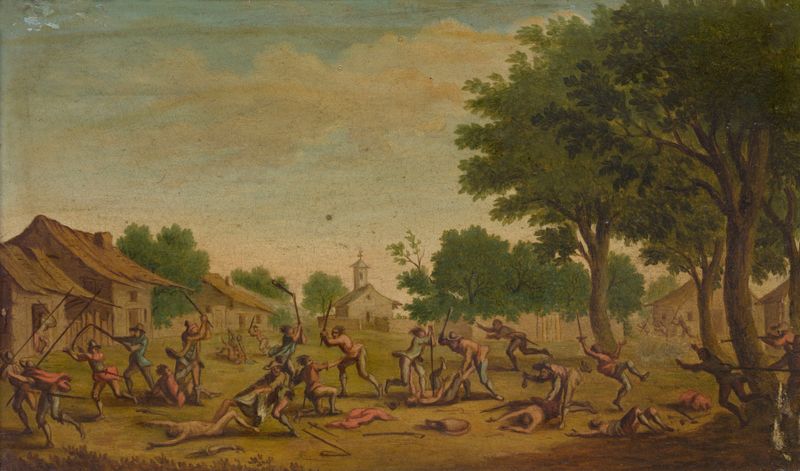
Village Fight
Jacques Callot

Titelprent voor prentreeks 'Het leven van Maria'
Jacques Callot
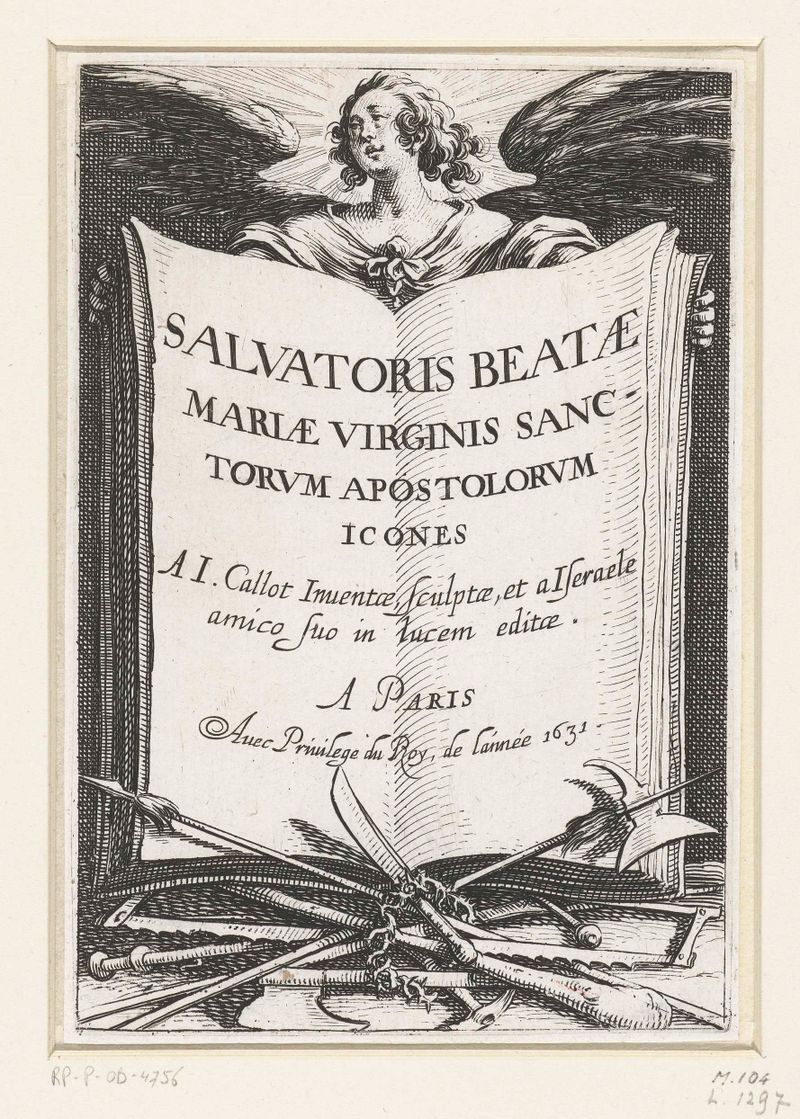
Titelprent voor de prentreeks 'De grote apostelen' (Christus, Maria en de apostelen)
Jacques Callot

Christus aan het volk getoond (Ecce homo)
Jacques Callot
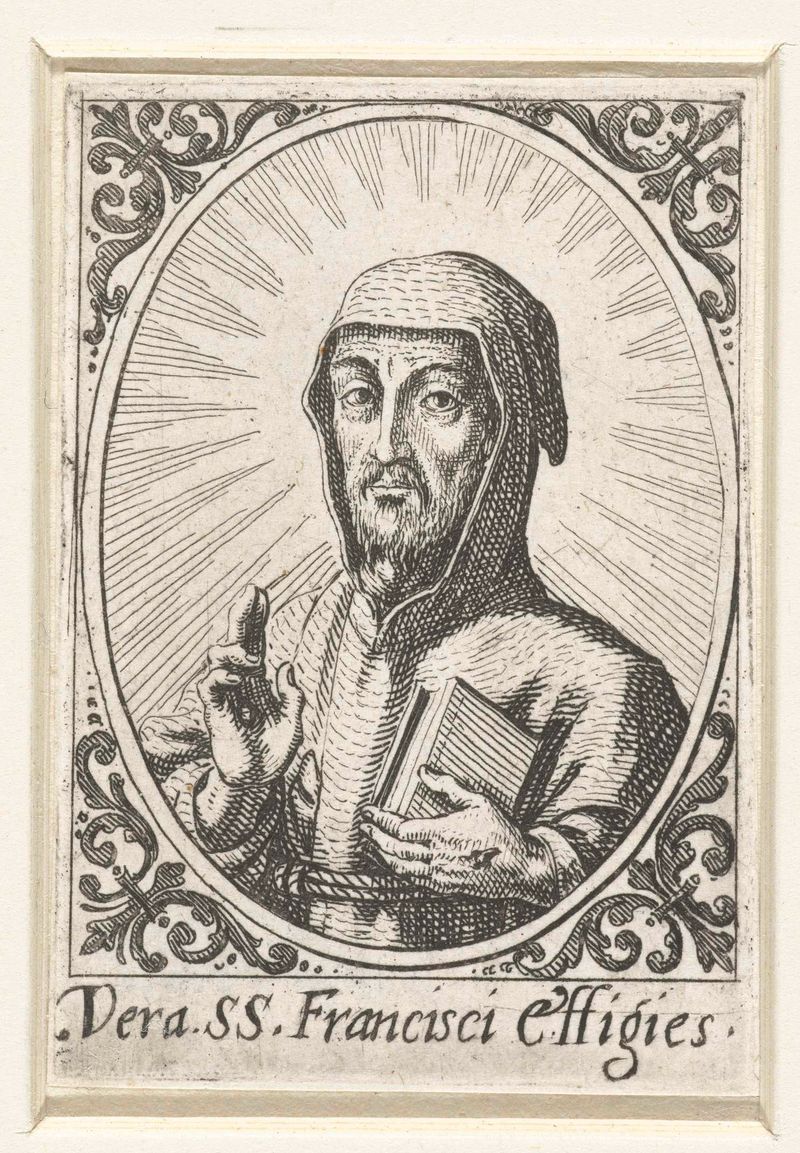
Portret van de Heilige Franciscus
Jacques Callot
More Religious Art
Browse all →
The Return of the Prodigal Son
Rembrandt van Rijn

The Garden of Earthly Delights
El Bosco

Count Orgaz’ funeral
El Greco

The Hundred Guilder Print: the central piece with Christ preaching, the plate arched
Rembrandt van Rijn

The Descent from the Cross
Rogier van der Weyden

The return of the prodigal son
Rembrandt van Rijn