
Christus als Salvator Mundi — History & Facts
In the stillness of faith, the divine invites us to look deeper, to find solace and meaning in the quiet moments that bridge the sacred and the ordinary. Focus on the central figure, where the gentle light bathes the serene countenance of Christ, inviting a sense of reverence. Notice how the soft palette of blues and golds envelops the figure, creating a halo of tranquility that draws the eye. The delicate brushwork captures the subtle interplay of light on fabric, lending an ethereal quality to the scene, as if the figure is transcending the earthly realm. Look closely at the details — the way Christ’s hand cradles the orb, symbolizing divine authority and the promise of salvation.
The tenderness in his gaze juxtaposes the weight of his responsibility, embodying a profound emotional tension between the earthly struggle and heavenly grace. Surrounding elements, though minimal, serve to enhance the focus on the figure, emphasizing the isolation of faith amid the chaos of existence. Created in 1631, this work reflects Callot’s exploration of spirituality during a turbulent period for Europe, marked by political upheaval and religious conflict. Living in Lorraine, he was influenced by the Baroque movement’s emphasis on emotional expression and spirituality, which resonated deeply in his portrayal of the sacred.
The painting stands as a testament to the artist’s quest for deeper meaning in a world often blinded by strife.
More Artworks by Jacques Callot
Browse all →
Titelprent voor de prentreeks 'De kleine apostelen' (Het martelaarschap van de apostelen)
Jacques Callot
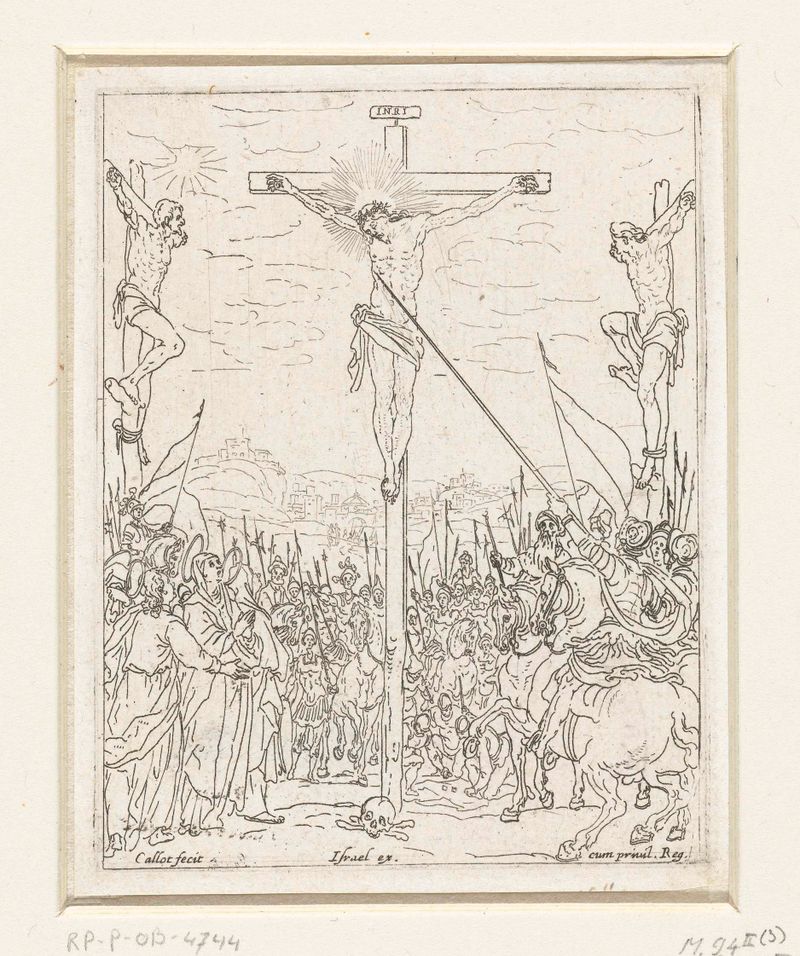
Kruisiging
Jacques Callot

De doortocht door de Rode Zee
Jacques Callot

De verloren zoon als zwijnenhoeder
Jacques Callot

Annunciatie
Jacques Callot
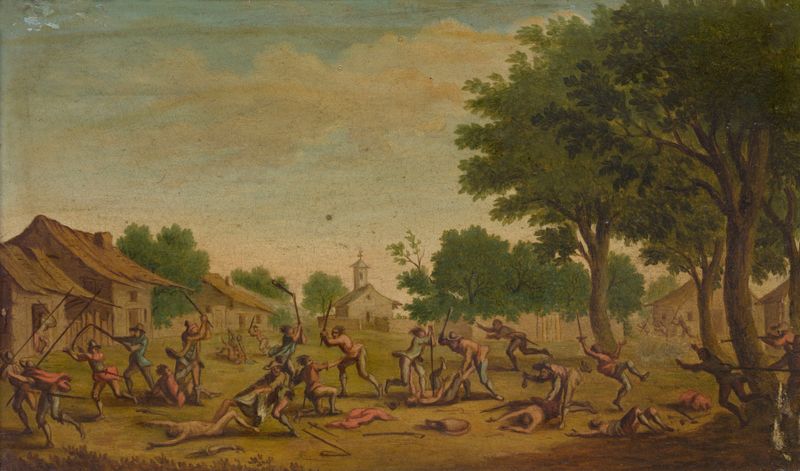
Village Fight
Jacques Callot

Titelprent voor prentreeks 'Het leven van Maria'
Jacques Callot
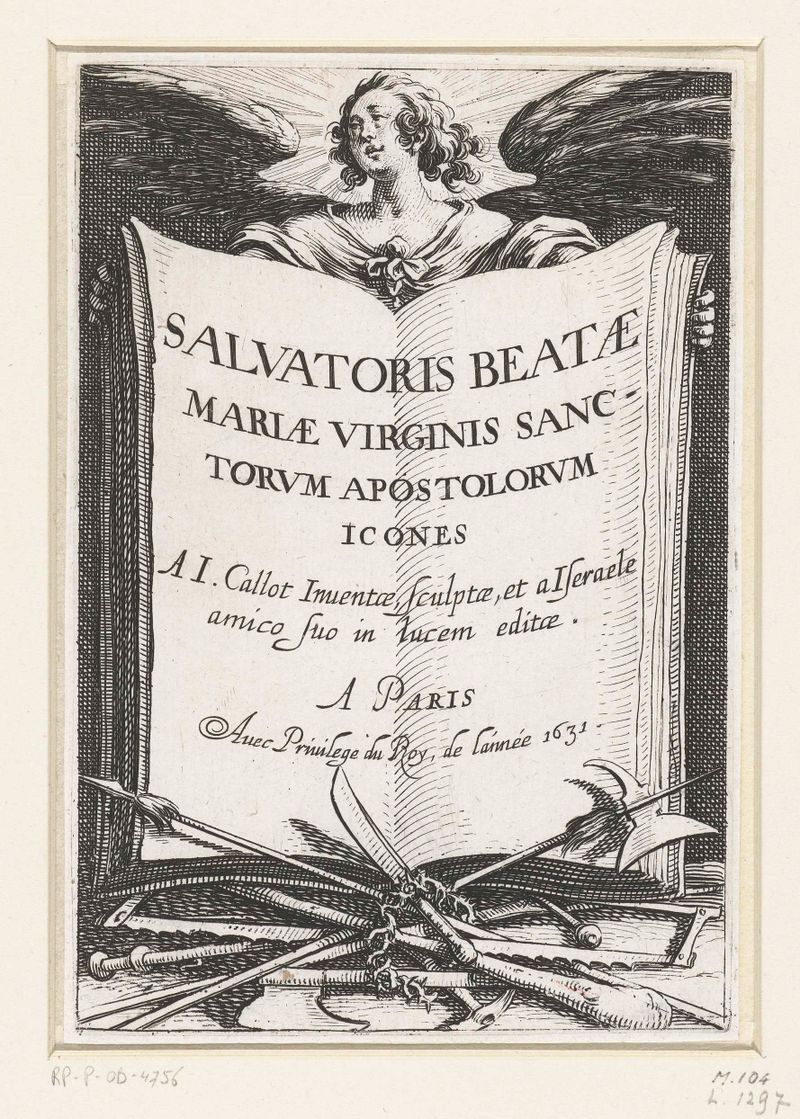
Titelprent voor de prentreeks 'De grote apostelen' (Christus, Maria en de apostelen)
Jacques Callot

Christus aan het volk getoond (Ecce homo)
Jacques Callot
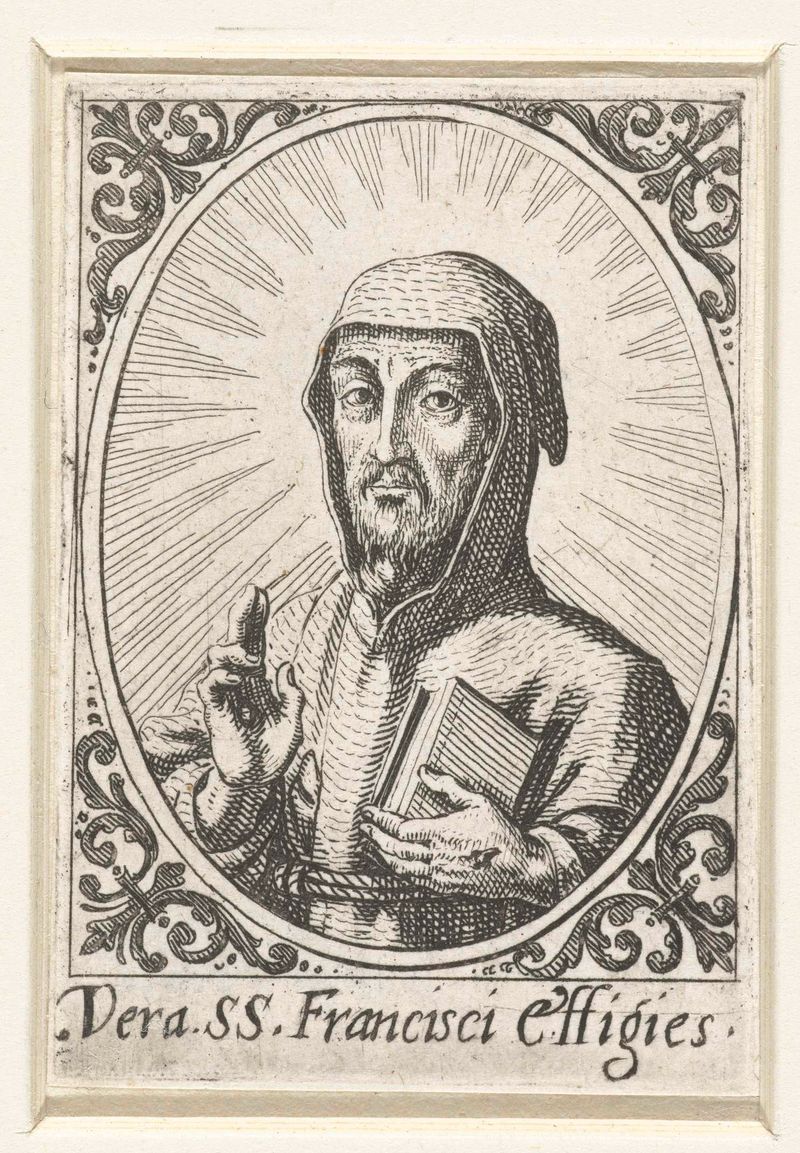
Portret van de Heilige Franciscus
Jacques Callot
More Religious Art
Browse all →
The Return of the Prodigal Son
Rembrandt van Rijn

The Garden of Earthly Delights
El Bosco

Count Orgaz’ funeral
El Greco

The Hundred Guilder Print: the central piece with Christ preaching, the plate arched
Rembrandt van Rijn

The Descent from the Cross
Rogier van der Weyden

The return of the prodigal son
Rembrandt van Rijn